Des Moines County Iowa Des Moines County Fair Festival
Some county fairs are regional destinations with traffic backups and sold-out grandstands. The Des Moines County Fair is a different kind of summer event — a local gathering in southeast Iowa built around livestock barns, a midway, and food that only tastes right when you eat it standing up.
Des Moines County has been organized since October 1, 1834, and Burlington has served as the county seat for nearly all of that history. The 2020 census counted 38,910 residents spread across 429.775 square miles, which tells you something about the scale here: small enough that the fair feels like a reunion, large enough to fill a full weekend.
This guide is written for people who are actually going — what to expect, how to plan the drive and the stay, and what else is worth doing while you are in the area. Timing shifts year to year, so treat the schedule notes below as patterns rather than fixed promises.
Des Moines County Fair Snapshot for Trip Planning
| Town / place | The Des Moines County area, southeast Iowa |
| County | Des Moines County, Iowa |
| County seat | Burlington |
| Population | 38,910 (2020 census) |
| Region | Southeast Iowa, Mississippi River valley |
| Typical timing | A multi-day run in summer, usually July or early August |
| Admission | General admission is typically free; rides and some grandstand events cost extra |
| Setting | County fairgrounds with barns, exhibit halls, a midway and a grandstand |
| Features | Livestock shows, 4-H and FFA exhibits, carnival rides, fair food, live entertainment |
| Organizer | Local fair board and county agricultural volunteers |
What the Des Moines County Fair Is Really Like
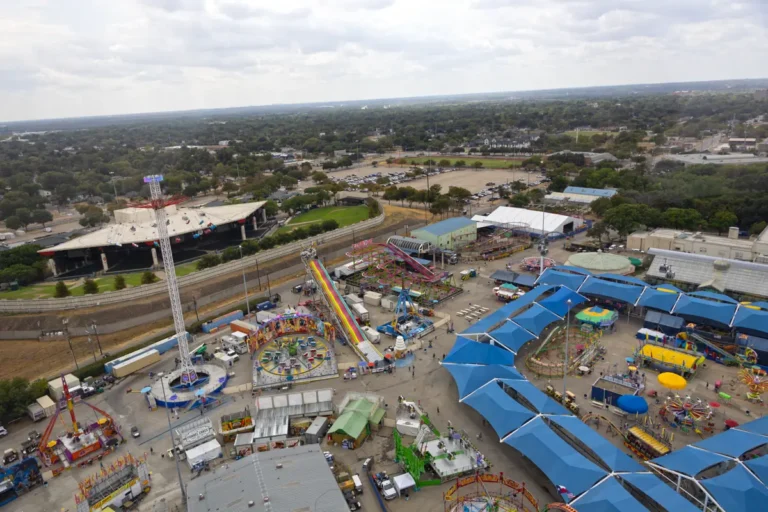
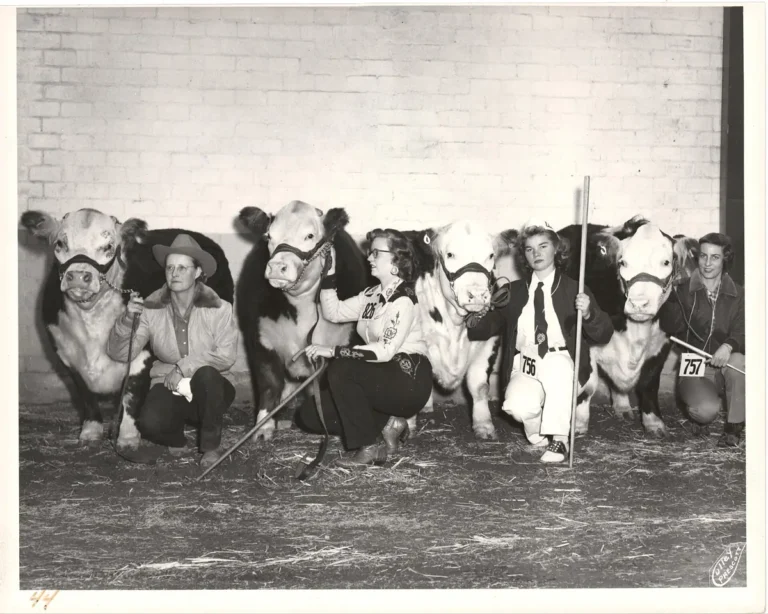
At its core, this is an agricultural fair. Youth exhibitors from across the county bring cattle, swine, sheep, goats, poultry and rabbits to the barns, and the show ring sets the rhythm of the day. Around that spine, the fair adds what most Iowans expect: a midway with rides, a grandstand, food stands, exhibit halls full of baking, canning, photography and crafts, and entertainment that runs from afternoon into the evening.
Because the fair serves a county of roughly 39,000 people, it stays walkable. You can park once, cover the grounds on foot in an afternoon, and still have energy for the evening program. Families with young children tend to arrive early, when the barns are being worked and the animals are awake; older crowds drift in later for the midway lights and the music.
For another look at how a community turns its own traditions into a gathering, see the Des Moines County Iowa Burlington Steamboat Days Festival for a useful comparison.
From an 1834 County Charter to Today’s Fairgrounds
Des Moines County was organized on October 1, 1834, well before Iowa became a state, and Burlington grew quickly as a Mississippi River landing and the seat of county government. Fairs in this part of the Midwest grew out of that same farm-and-river economy. They began as places to compare livestock, trade seed and machinery, and show off a season’s work to neighbors who understood exactly how hard it had been.
Over the decades the fair took on the shape it holds today. Agricultural societies added permanent buildings and a grandstand. Youth programs — 4-H clubs and later FFA chapters — moved to the center of the exhibit program, which is why so much of the fair calendar revolves around showmanship, static exhibits and auction day.
The county has changed since those early years; the 2020 census recorded 38,910 residents. What has not changed is the fair’s role as an annual marker. For farm families it closes out a season of work. For everyone else in the Des Moines County area, it is the week the calendar bends around.
On the Ground: What You Will See, Hear and Eat
Fairgrounds like these are laid out for wandering rather than for efficiency. Here is where most visitors spend their time.
Fair Food and the Stands Worth Queuing For
Expect the standard Iowa county fair menu done well: pork burgers and breaded tenderloins, corn dogs, funnel cakes, elephant ears, lemonade shake-ups, soft-serve and homemade pie. Booths run by churches, civic groups and youth chapters tend to be the best value and the most interesting eating. Cash still moves faster than cards at the smaller stands, and lines are shortest mid-afternoon, before the dinner rush builds.
Grandstand Nights and Live Entertainment
Evenings belong to the grandstand. Programs typically mix live country and rock acts, tractor and truck pulls, a demolition derby and other motor events, with some nights ticketed separately from general admission. Smaller stages and tents around the grounds fill the gaps with local bands, karaoke and kids’ programming. If one particular grandstand night is the reason for your trip, check the fair’s own schedule before you commit to a travel day.
Family Activities, Livestock and Youth Exhibits
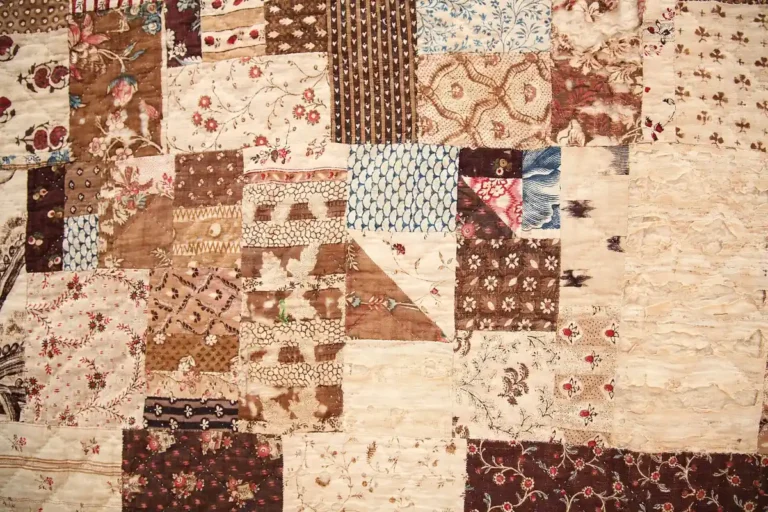
The barns are the heart of the fair and the easiest place to spend an hour without spending money. Watch a showmanship class, ask a 4-H member about their animal, and let kids work through the petting areas. Exhibit halls hold baking, canning, quilting, photography and school art, and many fairs add pedal tractor pulls, inflatables, face painting and a kiddie carnival. Restrooms, shade and seating usually cluster near the exhibit buildings, which makes that end of the grounds a good base camp with small children.
Planning the Trip: Roads, Rooms, Rain and Costs
A county fair is a low-stress trip, but a few logistics make it smoother.
Getting There and Around Burlington
Burlington, the county seat, is the natural anchor for the trip. U.S. Highway 34 and U.S. Highway 61 are the main approaches through southeast Iowa, and the county’s 429.775 square miles of farmland and river bluffs mean most drives include a stretch of two-lane road. If you are coming from out of town, arrive with a full tank and a downloaded map — coverage is reliable in town and patchier in the countryside.
Where to Stay in and Around Des Moines County
Burlington has the largest concentration of hotels and motels in the county, from budget chains to independent inns, and it puts you within a short drive of the grounds. Options thin out quickly in the surrounding towns, so book early if your visit lines up with the fair or another summer event. Campers often look for RV sites and campgrounds along the Mississippi; those fill fast in season too.
Parking and Timing Your Arrival
Fairground parking is typically free and grassy, with volunteers directing traffic. Arrive before the evening program if you want a spot near a gate, and expect a slow exit after the grandstand lets out. Mid-afternoon is the calmest window: morning livestock classes are finishing, the midway is warming up, and the barns are walkable without crowds.
Admission, Rides and What Things Cost
General admission is typically free, which makes it easy to stop in for an hour. Costs show up elsewhere: carnival ride wristbands or tickets, grandstand events that may require a separate ticket, food and games. Bring cash for the smaller stands and youth fundraisers, and set a rough budget per child before you reach the midway.
Southeast Iowa Weather and What to Wear
Summers here are warm and humid, with afternoon heat and the occasional fast-moving thunderstorm. Dress in light layers, bring a hat and refillable water bottles, and wear closed-toe shoes — fairgrounds are dusty in dry spells and muddy after rain. A light rain jacket beats an umbrella in a storm, and evenings along the river can cool off more than you expect.
A Sample Fair Weekend in Des Moines County
Day one, afternoon. Arrive mid-afternoon and park once. Start in the exhibit halls while the day is hottest, walk the barns, catch a livestock class, then eat an early dinner from the food stands before the evening crowd builds.
Day one, evening. Settle in for the grandstand program — a pull, a derby or a concert, depending on the year — then take one loop through the midway when the lights come on. This is the fair at its most photogenic.
Day two, morning. Return early for the youth shows and the small-animal barns, which move quickly and are easy for kids to follow. Grab breakfast from a stand or a diner in Burlington.
Day two, afternoon. Spend the middle of the day off the grounds. Burlington’s riverfront and historic downtown are a short drive from most of the county, and a couple of hours off your feet resets everyone for the evening.
Day two, evening. Come back for the last night, catch whatever you missed, and leave before the final grandstand rush if you have an early drive home.
How the Des Moines County Fair Compares Nearby
Neighboring counties in southeast Iowa hold their own fairs in the same summer window, and the differences come down to size and setting. A fair in another county seat tends to look similar — barns, midway, grandstand — with a slightly different crowd and a longer or shorter run.
Burlington itself is the biggest draw in the immediate area. It is the county seat, it sits on the Mississippi, and it has the lodging, restaurants and riverfront that smaller nearby towns cannot match. If two fairs land on the same weekend, pick based on which town you would rather spend the rest of your day in.
For scale, the Iowa State Fair in Des Moines is a different animal entirely: enormous crowds, multi-day logistics and a much bigger time commitment. The Des Moines County Fair is the opposite experience — you can see most of it in an afternoon and still feel like you did it properly.
Des Moines County Fair Prep Checklist
Before you go, confirm the year’s dates and grandstand lineup through the fair’s own schedule, since programs change. Check whether any evening event needs a separate ticket, and look at the forecast the morning you leave.
Pack light but deliberately: sunscreen, hats, refillable water bottles, a small first-aid kit, hand sanitizer for barn visits and a light rain jacket. Closed-toe shoes are non-negotiable around livestock. Bring cash in small bills, a tote for exhibit-hall purchases, and a stroller or wagon if you have small children — the grounds are flat but spread out.
Leave pets at home unless the fair advertises a pet-friendly area, and charge your phone before you go. The barn photos at golden hour are the ones you will keep.
Beyond the Fairgrounds: Burlington and the River Towns
Burlington gives the trip a second act. The downtown historic district sits close to the Mississippi, with brick storefronts, local restaurants and a riverfront that hosts concerts and events through the summer.
Crapo Park, a large wooded park on the south side of town, is a good place to walk off fair food, and Snake Alley — a winding brick street often described as one of the most crooked in the country — is a quick stop for anyone who likes odd landmarks.
Beyond town, Des Moines County is farmland and river bottom, with back roads that reward a slow drive. The Mississippi is the region’s defining feature, and riverfront parks, boat ramps and overlooks along the county’s eastern edge make an easy half-day.
What the Fair Means to Des Moines County
In a county of 38,910 people, a fair is more than entertainment. It is one of the few times a year when farm families, town residents and former residents end up in the same place, and it is the main public showcase for work young people have put into their animals and projects all year.
It also functions as a civic engine in miniature: local vendors, church groups, service clubs and youth organizations use it as a fundraiser and a meeting point. Its value is less about attendance numbers than continuity — the same families, the same barns, the same week each summer, in a county organized back in 1834.
Where the Fair Sits in the Des Moines County Landscape
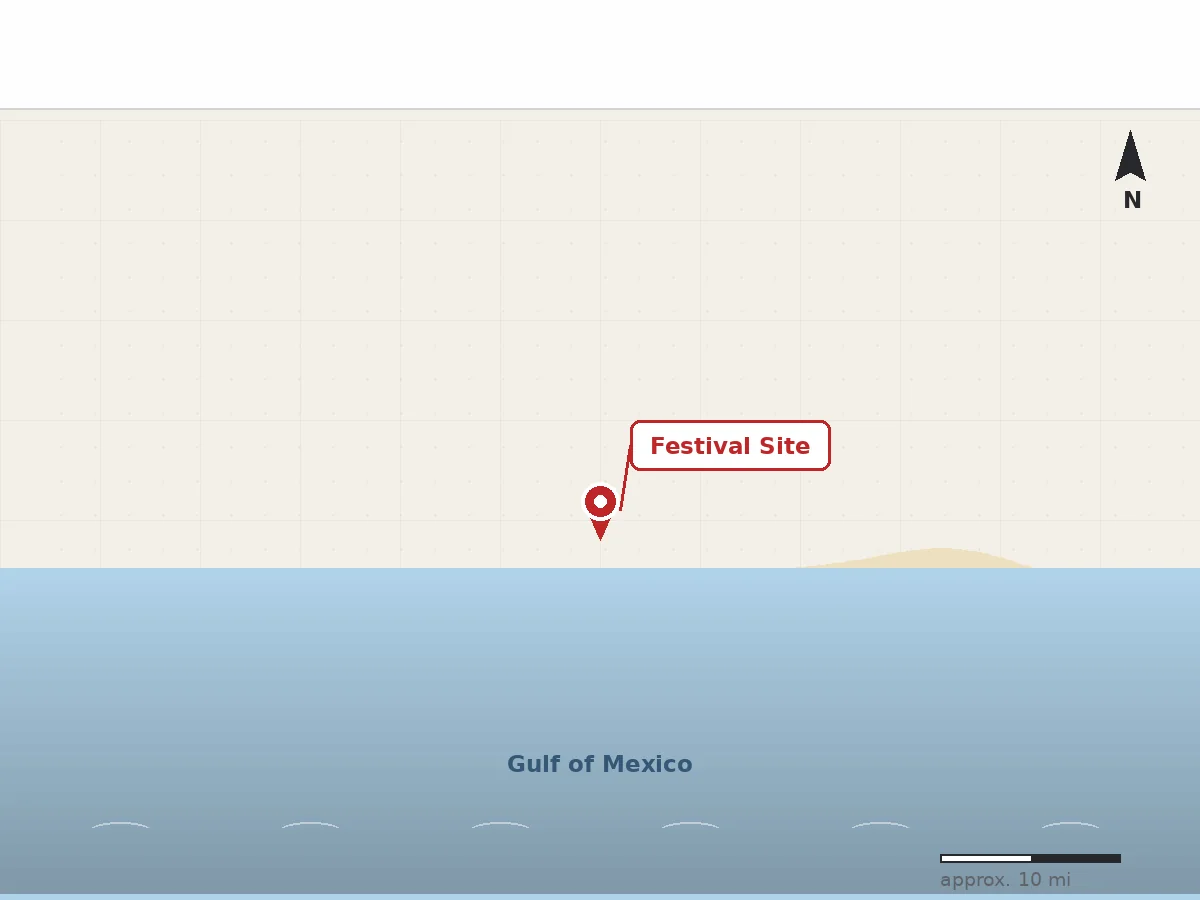
The fairgrounds are located in the Des Moines County area of southeast Iowa, with Burlington — the county seat — as the closest hub for lodging, dining and riverfront stops.
Des Moines County Fair Answers for First-Time Visitors
Is there an admission fee?
General admission is typically free, and you can walk the barns, exhibit halls and grounds without buying anything. Budget for the midway, food, games and any grandstand event that is ticketed separately.
When is the fair usually held?
It is a summer fair, typically running several days in July or early August, which is when most Iowa county fairs take place. Confirm the current year’s dates with the fair before booking travel, since the calendar shifts.
Do I need tickets in advance?
For general admission, no. Some grandstand concerts and motor events sell tickets ahead of time and can fill up, so if a specific night is the reason for your trip, buy early or arrive well before the gate opens.
Is it a good outing with young children?
Yes. Daytime is easiest: the barns are active, crowds are thinner, and the kiddie rides and exhibit halls are manageable. Bring a stroller or wagon, plan around nap time, and watch the heat in the middle of the afternoon.
Looking Ahead to Future Des Moines County Fairs
County fairs survive by adapting, and this one is no exception. Volunteer boards keep the barns and grandstand maintained, youth programs keep the exhibit halls full, and each generation of families decides whether the tradition continues. The most direct way to support it is simple: show up, buy from the local stands, and bring someone who has never been.
Expect the fair to keep its agricultural core while adding small improvements — better shade, updated facilities, a wider mix of evening entertainment. Whatever changes, the shape of the week stays familiar in the Des Moines County area.
Last updated: October 2026
The Des Moines County Fair is not trying to compete with the biggest fairs in Iowa, and that is precisely what makes it worth a trip. It is a county-sized event in a county organized in 1834, where the barns still matter most and an afternoon is enough time to see it done right.

One Comment