Daviess County Indiana Daviess County Fair Festival
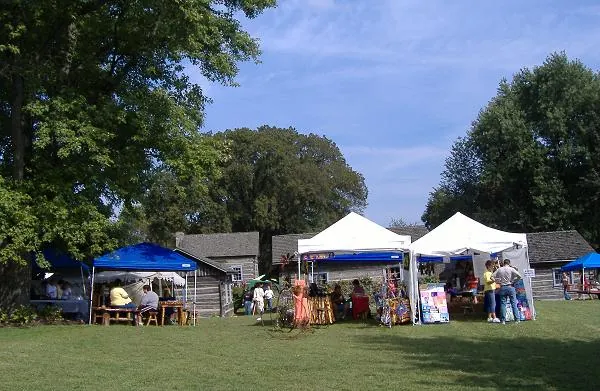
Fair week in Daviess County announces itself quietly. Hand-lettered signs appear at country crossroads. The smell of fryer oil drifts across a gravel lot on the edge of Washington. Somewhere a trailer of hogs idles at a stoplight while a 4-H member in a starched shirt checks a clipboard one more time. For a few days each summer, the county’s 436.87 square miles of farmland, river bottom and small-town grid all seem to point toward the same patch of ground.
The Daviess County Fair is not a stadium-sized spectacle, and that is exactly the point. It is the kind of fair where the person handing you a pork burger is likely to be your neighbor, where the grandstand fills with people who know the names of the kids in the arena, and where a blue ribbon on a jar of pickles carries genuine bragging rights until next summer. This is a local newspaper’s fair: familiar, unhurried, and worth clearing an evening for.
Daviess County Fair: The Details Washington Families Already Know
| Town / area | Daviess County, Indiana (Washington area) |
| County | Daviess County, Indiana |
| County seat | Washington |
| County population | 33,381 |
| County land area | 436.87 square miles |
| County founded | February 2, 1818 |
| Region | Southwest Indiana |
| Typical timing | A summer weekend in most years |
| Admission | Generally free to enter the grounds; rides and some activities priced separately |
| Signature features | Livestock and 4-H exhibits, carnival rides, grandstand entertainment, fair food — run by a volunteer fair board with local 4-H clubs |
What Happens When Daviess County Gathers at the Fairgrounds
At its core, the Daviess County Fair is an agricultural showcase dressed up as a community party. The barns hold the serious business: beef and dairy cattle, swine, sheep, goats, poultry and rabbits, all fitted, washed and walked by exhibitors who have spent months getting an animal halter-broke and calm. Exhibit halls fill with garden produce, canned goods, baked entries, photography, quilting and school art, judged quietly in the morning and admired loudly all week.
The rhythm of a fair day is dependable. Mornings belong to weigh-ins and judging. Afternoons bring families with strollers, kids in line for rides, and older couples settling into shade with lemonade shakes. Evenings are the loudest stretch, when the midway lights come on, the grandstand program begins, and the smell of grilled onions settles over everything. Come back the next morning and the grounds smell like livestock, coffee and last night’s rain — which is to say, like a county fair.
Two Centuries of County Life and a Fair That Grew Alongside It
Daviess County was founded on February 2, 1818, with Washington set as the county seat, and the fair’s long story is inseparable from the farmland around it. In a county settled by people who measured a year by planting and harvest, the earliest gatherings were practical affairs: compare seed, swap stock, argue about drainage, and let the young people meet. Over the decades those gatherings hardened into tradition, with premium lists, judges and ribbons replacing handshakes and guesswork.
For another look at how a community turns its own traditions into a gathering, see the Daviess County Indiana Apple Festival for a useful comparison.
As farming changed, so did the fair. Draft horses gave way to tractors, and exhibit halls made room for 4-H projects alongside field crops. The midway arrived, the grandstand got a program, and food stands multiplied. What never shifted was the purpose: the fair remained the one week when every corner of a 436.87-square-mile county — town kids, farm kids, grandparents, volunteers — ended up on the same few acres at the same time.
Inside Fair Week: Food, Music and Family Time
Fair Food That Starts With a Tenderloin and Ends Somewhere Fried
Indiana fair food has a hierarchy, and the breaded pork tenderloin sits near the top. Expect the classic lineup: tenderloins pounded wide, corn dogs, elephant ears dusted with sugar, funnel cakes, lemon shake-ups, ribbon fries and soft-serve. Church groups and civic clubs often run the stands, which means the money you spend on a slice of pie tends to stay in the county. Portions are generous, lines move fast at off-hours, and the best strategy is to eat early, walk the barns, then eat again.
Grandstand Nights and Local Music Around the Grounds
Evening is when the fairgrounds find their voice. Grandstand programming in most years leans on the things rural Indiana crowds show up for: tractor and truck pulls, demolition derbies, motocross, maybe a rodeo night or a local band. Elsewhere on the grounds, smaller acts play — church choirs, country cover bands, a high school group or two. Between sets you can hear the midway generator hum, the announcer’s echo off the barns, and somebody’s cousin being congratulated loudly near the ticket booth.
For Families: Rides, Animals and Hands-On Exhibits
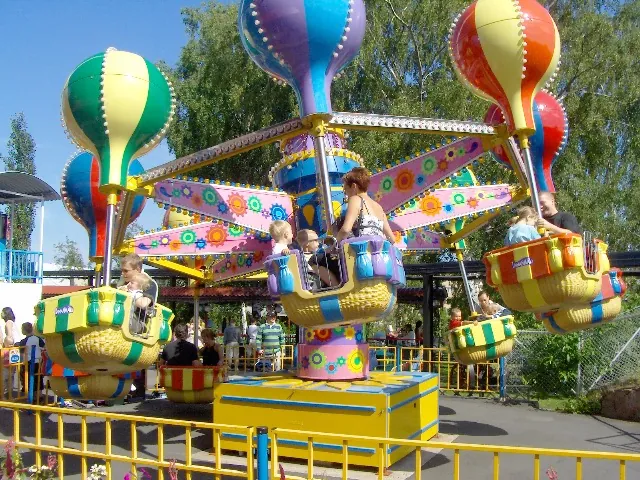
Families with young children tend to build their day around the midway and the barns. Kiddie rides cluster together, which makes supervising easier, and many fairs set aside a quieter hour for younger riders. The livestock barns are free entertainment and a genuine education — most exhibitors are happy to answer questions, and petting areas let small hands meet a calf or a lamb up close. Add face painting, a craft table or a kiddie pedal pull, and a morning can disappear before anyone notices.
Making the Trip: Getting There, Staying Over and Paying for It
Driving In From Washington and Across Daviess County
Washington sits at the center of Daviess County, and the fairgrounds are an easy drive from nearly everywhere in the county — Odon, Montgomery, Cannelburg, Elnora, Plainville and the surrounding township roads. Most visitors come by car, and rural highways mean the trip is rarely complicated. If you are coming from outside the county, aim to arrive before the evening rush; the last hour before the grandstand program is when traffic thickens noticeably around the entrances.
Where to Stay Overnight Near Washington, Indiana
Washington has the county’s main cluster of lodging, with a handful of motels and inns in and around town, plus short-term rentals that fill quickly during fair week. Campers often prefer the fairgrounds or nearby campgrounds if hookups are available, which keeps the whole trip within walking distance of the midway. Book early — the county’s population of 33,381 is small, but fair week concentrates visitors into a tight radius, and rooms disappear fast.
Parking on and Around the Fairgrounds
Fairgrounds parking is usually the simplest option, with lots and grass fields surrounding the gates and volunteers directing cars. Arrive early for grandstand nights, when the closest rows fill first. If you park on a field, remember that summer storms turn grass soft quickly; a spot near the edge can save you a push later. Keep an eye on where you parked relative to a gate you can actually find after dark.
What It Costs at the Gate and Inside
Admission to the Daviess County Fair is typically free, which makes it an unusually affordable night out for a family. The costs come in smaller increments: ride tickets or wristbands, grandstand events, games, and food. Bring cash, since some stands and smaller vendors may not take cards, and set a rough budget before the kids see the midway. A modest amount goes a long way when the gate itself costs nothing.
Summer Weather and How to Dress for It
Fair week falls in the heart of an Indiana summer, which means heat, humidity and the occasional fast-moving thunderstorm. Dress light, wear comfortable shoes for gravel and grass, and bring sunscreen and a refillable water bottle. Barns and exhibit halls offer shade and fans when the sun gets serious. If a storm rolls in, step inside a building rather than standing under a tree, and expect events to pause rather than cancel.
A Sample Fair Weekend in Daviess County
Friday evening: arrive an hour before the grandstand program, walk the exhibit hall while it is still cool, then claim a seat for the night’s main event. Eat at a stand run by a local organization, and finish with something fried on the way out. This is the fair at its most social — you will run into people you have not seen since last summer.
Saturday morning: come back early for livestock judging and the junior exhibitors. Barns are calmest before the crowds, and this is when exhibitors have time to talk. Browse the open-class entries in the exhibit hall, then grab a tenderloin before the afternoon heat sets in.
Saturday evening: the midway at dusk, when the lights are on and the rides look their best. Ride wristbands are often the best value on a busy night. Stay for the grandstand show, then linger near the gates as the grounds thin out — the last half hour of a fair night is its own small pleasure.
How Daviess County’s Fair Compares With Neighboring County Fairs
Southwest Indiana is thick with county fairs, and each has a personality. Knox County, with its seat at Vincennes, leans on a longer commercial history and a bigger downtown to explore before or after the grounds. Dubois County, centered on Jasper, is known for strong livestock traditions and a distinctly German-influenced food culture. Greene County, up through Bloomfield, runs a smaller, more rural fair where the barns feel especially central. Daviess County sits comfortably in the middle: big enough for a full midway and grandstand schedule, small enough that you will recognize most of the crowd.
A Fair-Week Checklist for Daviess County Visitors
Cash for food stands and ride tickets; sunscreen, hats and refillable water; comfortable closed-toe shoes for gravel and barn aisles; a light rain jacket for afternoon storms; a tote for exhibit-hall purchases and prize-winning jam; a charged phone, though service can be spotty when the grounds are packed; a meet-up plan for teenagers with their own agendas; and a rough schedule of grandstand events, since the marquee nights draw the biggest crowds.
Beyond the Fairgrounds: Washington and the Rest of Daviess County
Washington rewards a slow walk. The downtown courthouse square anchors the city, with storefronts, a few local restaurants and the kind of main street that still hosts parades. A short drive out of town puts you in open farmland, where the county’s 436.87 square miles spread out in corn, soybean and pasture. Small communities like Odon, Montgomery, Cannelburg, Elnora and Plainville each have their own character, and country roads here are genuinely pleasant for an unhurried evening drive.
If you are making a weekend of it, pair the fair with a look at the county’s rural landscape and its small-town commercial strips. That combination — a courthouse square one hour, a cattle barn the next — is the honest portrait of Daviess County, and it is why fair week is the best time to see the place as locals see it.
Fair Week as Daviess County’s Annual Homecoming
For a county of 33,381 people, the fair does something a festival in a large city cannot: it functions as a reunion. Families plan summer visits around it. Grandparents watch grandchildren show the same species they showed decades ago. Volunteers who have worked the same stand for years hand off duties to younger relatives. The fair also puts money back into the community through youth programs, scholarships and civic groups, which is why local businesses support it year after year.
Where the Fairgrounds Sit in Daviess County
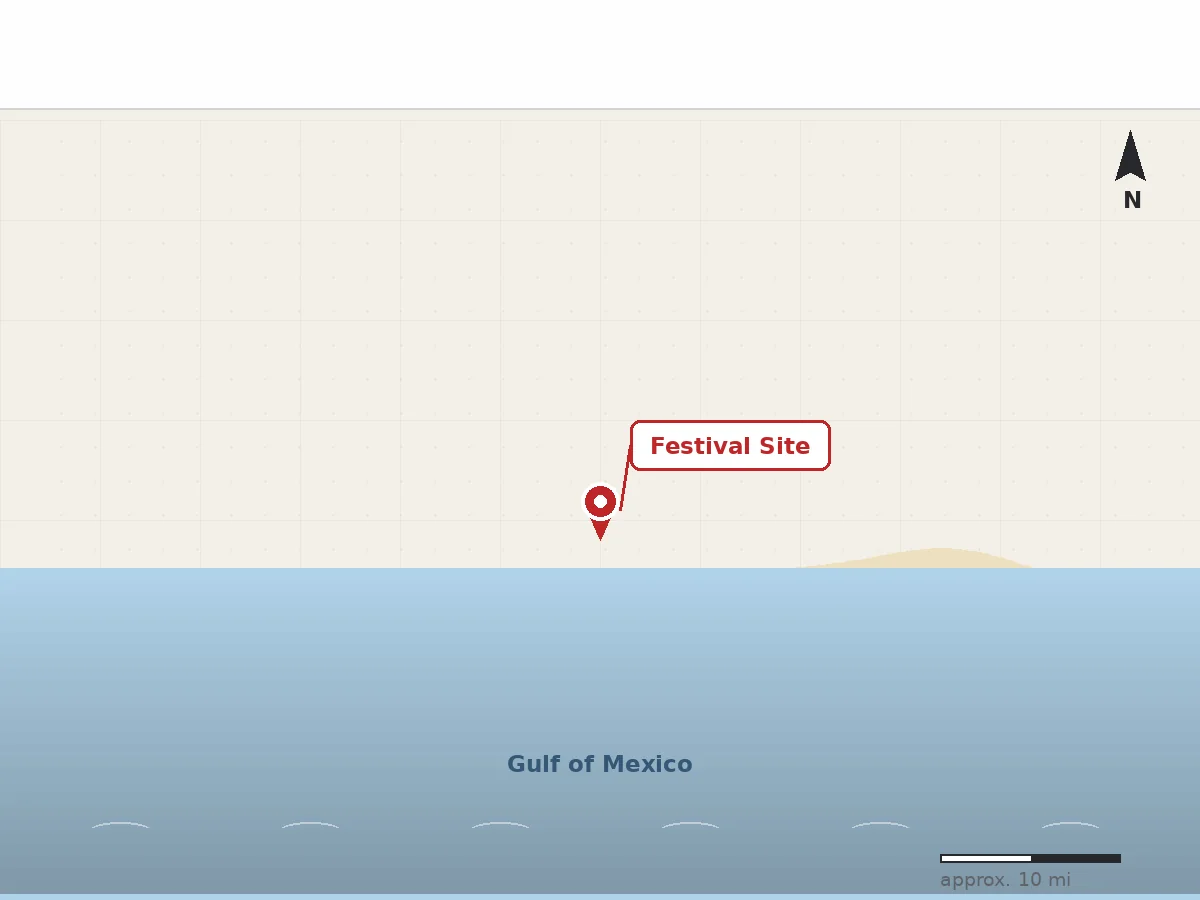
The Daviess County Fair is held on the fairgrounds in the Washington area, the county seat of Daviess County in southwest Indiana.
Practical Answers About the Daviess County Fair
Is the Daviess County Fair free to attend?
Admission to the grounds is generally free. You will pay for rides, grandstand events, games and food, so plan on spending inside the fair rather than at the gate. Many stands prefer cash, and small bills make everything easier.
When is the Daviess County Fair usually held?
It is a summer fair, typically held on a weekend during the warm months when school is out and livestock projects are finished. Check local listings each year, since the exact weekend shifts with the fair board’s schedule.
Is the fair a good outing for young children?
Yes. Kiddie rides, animal barns, petting areas and hands-on exhibits are the backbone of a family visit. Go earlier in the day for cooler weather and smaller crowds, and keep a meet-up point in mind if you are bringing older kids who want to roam.
How much time should I plan to spend there?
Two to three hours covers the barns, exhibit hall and a meal comfortably. Add another two hours if you are staying for a grandstand event and a full pass through the midway. Many local families spread their visit across two or three evenings instead of one long day.
Looking Ahead to Future Daviess County Fair Seasons
The fair’s future rests on the same things that built it: volunteer labor, youth exhibitors and local support. As 4-H programs evolve and fair boards look for ways to draw new visitors, expect continued emphasis on family-friendly evenings, grandstand variety and the agricultural core that gives the event its purpose. For anyone in Daviess County, the safest bet is that a summer weekend will again bring livestock trailers, lemon shake-ups and a crowded midway to Washington.
Last updated: October 2026
If you have never been, pick a warm summer evening, park where the grass is firm, and follow the smell of the fryers toward the lights. The Daviess County Fair asks very little of you and gives back a full portrait of a southwest Indiana county at its most social — one tenderloin, one blue ribbon and one grandstand night at a time.
One Comment