Cerro Gordo County Iowa North Iowa Fair Festival
Cerro Gordo County spreads across 575 square miles of north-central Iowa, and for one long weekend each summer the North Iowa Fair becomes its busiest address. The county seat, Mason City, anchors the roads, hotels, and restaurants that fairgoers lean on, which makes fair week less about luck and more about timing: when to arrive, where to park, and which gate to walk through.
This is a planning guide, not a schedule. County fair calendars shift from year to year, and prices and lineups shift with them. What stays constant is the shape of the event — livestock barns, a midway, grandstand nights, and a food row — and the practical questions that decide whether your visit feels relaxed or rushed.
North Iowa Fair Fact Sheet for Cerro Gordo County Travelers
Here is the framework to build a trip around. Confirm the current run of days and any ticketed events with the fair before you commit to a travel day.
| Festival | North Iowa Fair |
| Place | Cerro Gordo County area, Iowa |
| County | Cerro Gordo County |
| County seat | Mason City |
| County population | 43,127 (2020 Census) |
| Region | North-central Iowa |
| Typical timing | Summer, usually built around a July weekend |
| Admission | Gate admission is typically free; rides, food, games, and ticketed shows cost extra |
| Setting | Outdoor fairgrounds with barns, exhibit halls, midway space, and a grandstand |
| Organizer | A local volunteer fair board |
What the North Iowa Fair Actually Is
At its core, the North Iowa Fair is Cerro Gordo County’s annual county fair — an agricultural showcase wrapped in a carnival. Expect barns holding cattle, swine, sheep, goats, poultry, and rabbits, much of it shown by 4-H and FFA members from across the county. Exhibit halls carry baking, canning, photography, flowers, and craft entries judged earlier in the week, and the ribbons stay up for the rest of the run.
The setting is outdoors and walkable, with the midway, commercial vendor rows, and grandstand spread across the grounds rather than stacked in one building. Gate admission is typically free, so spending concentrates on rides, food, carnival games, and any ticketed grandstand entertainment. That model makes the fair easy to sample: you can wander in for an hour of livestock viewing, buy a lemonade, and leave without feeling you wasted a ticket.
For another look at how a community turns its own traditions into a gathering, see the Cerro Gordo County Iowa North Iowa Band Festival for a useful comparison.
How Cerro Gordo County’s Fair Tradition Grew Since 1851
Cerro Gordo County was founded in 1851, and Mason City grew into its county seat as settlers broke prairie and built the farm economy that still shapes the region. County fairs arrived in that same era across Iowa as a practical tool: a place to compare seed, bloodlines, and livestock, and to trade knowledge between farms that rarely saw one another.
Over generations the North Iowa Fair followed the familiar arc of the American county fair. Livestock and produce judging stayed central, but a midway, grandstand entertainment, tractor pulls, and demolition derbies were layered on to draw crowds beyond farm families. The grounds also became a year-round community asset, hosting events outside fair week and giving local organizations a stage of their own.
Today the fair carries both identities at once. It remains the county’s agricultural scoreboard for the year’s work, and it is also the summer’s biggest social calendar item — neutral ground where Mason City and the surrounding towns meet.
A Day on the North Iowa Fairgrounds
Fair food that sets the pace of the evening
Food follows the classics: corn dogs, funnel cakes, pork chops on sticks, walking tacos, lemonade, and soft-serve, alongside church and civic stands that fund local causes. Lines move fastest in the late afternoon before the evening crowd arrives, and the food row gets busiest once the grandstand lets out. If you have a specific stand you refuse to miss, eat before the show rather than after.
Grandstand nights and daytime entertainment
Grandstand evenings carry the headliners — country acts, rock cover bands, or a tractor pull, depending on the year — while free stages and roaming performers fill the daylight hours. Because ticketed shows can sell out, the practical move is to check what is scheduled before you decide which night to attend. If the grandstand lineup is not your draw, daytime is quieter, cheaper, and easier to navigate.
Family activities and the livestock barns
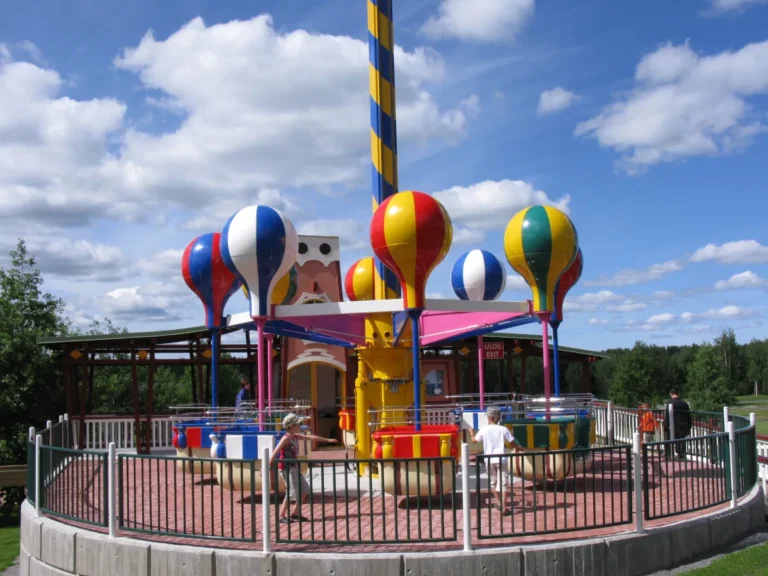
For families, the fair is a loop of small wins: petting areas, carnival rides sorted by height requirement, games, and barns where kids can watch animals being washed, clipped, and fitted for show. Stroller-friendly paths exist, but the grounds are gravel and grass in places, so comfortable closed-toe shoes matter more than wheels. Set a meeting point early — the grounds look different after dark.
Getting to the North Iowa Fair Without the Guesswork
Routes into Mason City and the fairgrounds
The fair sits in the Mason City area, the hub of Cerro Gordo County’s road network. Most visitors arrive by car, and highway approaches from any direction funnel into town quickly. If you are coming from outside the county, navigate to Mason City first and work outward from there rather than trusting a pin dropped on a rural road.
Where to sleep in and around Cerro Gordo County
Mason City holds the county’s largest concentration of hotels and motels, with additional options in nearby Clear Lake. Fair week is one of the busiest stretches of the summer, so booking weeks ahead is the single easiest way to keep the trip simple. Campers and RV travelers should ask the fair directly about on-grounds or nearby camping availability.
Parking strategy for busy evenings
Expect on-site and adjacent lot parking with volunteers directing traffic at peak hours. Arriving before the dinner-hour rush gets you closer to a gate and out faster at the end of the night. Note your row, gate number, or a nearby landmark before you walk away — it saves a long wander when the midway lights go down.
What admission and add-ons actually cost
Gate admission is typically free, so the budget question is really about what you do once inside. Set a per-person limit for rides and games, carry some cash for civic food stands, and treat ticketed grandstand shows as a separate line item. A family of four can spend very little or quite a lot, and the difference is almost entirely discretionary.
Iowa weather and what to pack for it
Summer in north-central Iowa means heat, humidity, and the chance of a fast-moving thunderstorm. Morning and evening are the most comfortable windows; midday calls for shade, water, and sunscreen. If storms roll through, exhibit buildings and the grandstand become the natural shelter, and activities typically resume once the system passes.
A Sample North Iowa Fair Weekend, Hour by Hour
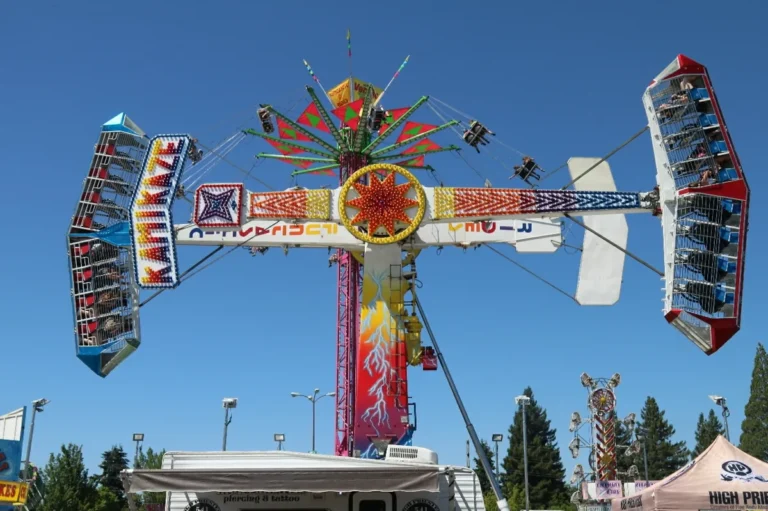
Friday. Arrive mid-afternoon, park once, and walk the barns while they are calm and the animals are still being worked. Eat an early dinner from food row, then settle in for the grandstand show. Stay afterward for the midway, which is at its most photogenic once the lights come on.
Saturday. Return mid-morning for livestock shows and the exhibit halls, when judging is active and crowds are thinner. Take a real break midday — back to the hotel or a shaded picnic — then come back late afternoon for rides, games, and the second grandstand night.
Sunday. A short final pass works well. Check the barns one more time, catch any exhibits you missed, eat lunch at the fair, and head out ahead of the closing crowd rather than in the middle of it.
How the North Iowa Fair Compares With Nearby County Fairs
Cerro Gordo County’s fair is the largest in its immediate neighborhood, largely because Mason City is the biggest population center in the area. Fairs in surrounding counties — Worth County to the north, Franklin County to the south, Winnebago County to the west — tend to run smaller and lean more heavily toward livestock, open-class exhibits, and local food stands.
That difference shapes how you plan. Smaller fairs are easy to cover in an afternoon; the North Iowa Fair rewards a full evening or two. When schedules overlap, the North Iowa Fair is generally the one with more grandstand entertainment and a bigger midway, while the neighboring fairs offer a shorter, quieter, more purely agricultural outing.
Fair Week Checklist for Cerro Gordo County
| Item | Why it helps |
| Refillable water bottles | Midday heat on an open grounds drains you fast |
| Sunscreen and hats | Shade is limited between the barns and midway |
| Cash in small bills | Civic and church stands often prefer it |
| Closed-toe shoes | Gravel, grass, and livestock areas |
| Photo of your parking row | Saves a late-night search |
| Screenshot of the day’s schedule | Cell service gets sluggish at peak hours |
| Light rain jacket | Beats an umbrella in Iowa wind |
| Family meeting point | Crowds separate groups quickly after dark |
| Ride budget decided in advance | Keeps the midway from setting your total spend |
| Portable phone charger | Long days run batteries down |
Beyond the Fairgrounds: Mason City and the Rest of Cerro Gordo County
Cerro Gordo County is 575 square miles of rolling farmland, small towns, and lake country, so fair week pairs naturally with a wider look around. Mason City, the county seat, has the region’s concentration of restaurants, shops, and services, and it makes the most practical base for a multi-day visit.
Clear Lake, just north of Mason City, adds waterfront time to a fair trip, and the county’s rural roads are worth a slow drive if you want to understand the farm economy the fair celebrates. With a county population of 43,127 as of the 2020 Census, nothing here stays crowded for long once you leave the fairgrounds.
What Fair Week Means to Cerro Gordo County
For a county founded in 1851 and built on agriculture, the fair is an annual accounting. 4-H and FFA members watch a year of work judged in public, farm families compare notes on a season, and local businesses and civic groups raise money and visibility in the same handful of days.
It is also one of the few events that pulls together Mason City and every small town around it. In a county of 43,127 people, that shared week matters — it is where Cerro Gordo County recognizes itself.
Where the North Iowa Fair Sits in North-Central Iowa
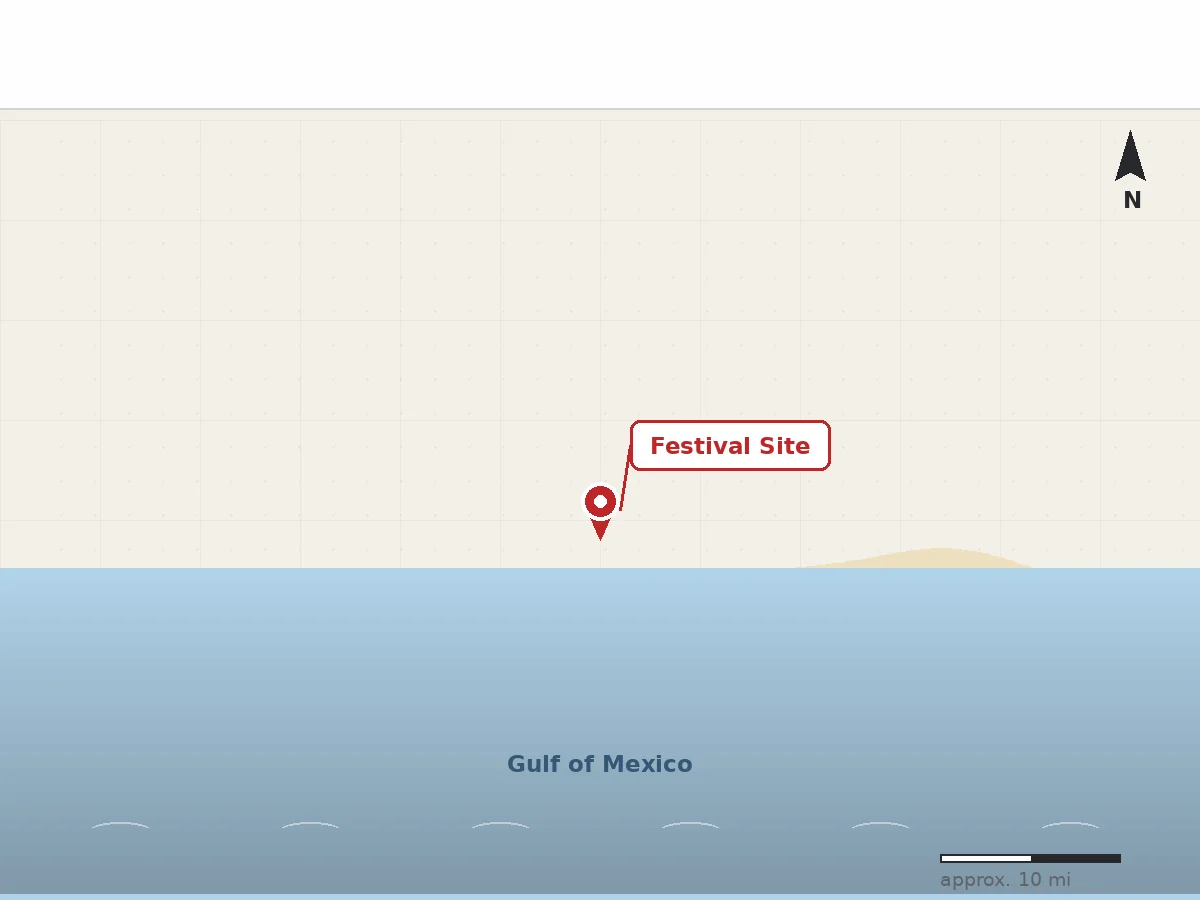
The North Iowa Fair takes place at the fairgrounds in the Mason City area, the county seat of Cerro Gordo County in north-central Iowa.
First-Timer Questions About the North Iowa Fair
Is admission to the North Iowa Fair free?
Gate admission is typically free, which is exactly why the fair works as a low-commitment outing. Budget instead for parking where it applies, food, carnival rides, games, and any ticketed grandstand show. Confirm current details with the fair before you go.
How long does the North Iowa Fair usually run?
Like most Iowa county fairs, it runs for several consecutive days in summer, usually built around a weekend so that working families can attend. Verify the current run of days with the fair before you plan travel or book a room.
Is the fair a good fit for young kids?
Yes. The barns, petting areas, and kiddie rides are the core draw for families. Go earlier in the day when heat and crowds are lower, bring water, and set a clear meeting point in case anyone wanders toward the midway.
What happens if it rains during fair week?
Summer storms in Iowa usually move through quickly. Exhibit buildings and the grandstand offer shelter, and fair boards typically resume activities once the weather clears. A light rain jacket is more useful than an umbrella when the wind picks up.
What’s Ahead for the North Iowa Fair
County fairs survive by adapting. The North Iowa Fair’s future likely rests on the same balance it has kept for decades: protecting the agricultural core of 4-H and FFA competition while keeping the midway, food row, and grandstand appealing enough to pull in families with no direct tie to farming.
Expect continued attention to parking flow, shade, and scheduling that spreads crowds across the week instead of cramming everything into one night. For visitors, that means the planning basics in this guide will keep working for years to come.
Last updated: October 2026
Plan the North Iowa Fair around a single night and a single parking spot, and the rest takes care of itself. The barns, the food, and the grandstand all sit within a short walk of one another — which is exactly why Cerro Gordo County keeps coming back every summer.


One Comment