Cerro Gordo County Iowa North Iowa Band Festival
Spring in Cerro Gordo County is short and eager. The snow leaves the fields, the wind softens, and people who have spent months indoors start looking for an excuse to stand on a sidewalk and talk with neighbors. The North Iowa Band Festival gives them one: a late-spring weekend in Mason City when brass instruments, parade floats, and food trailers take over the downtown streets.
The festival sits near the center of the county’s calendar. Mason City is the seat of Cerro Gordo County, a 575-square-mile stretch of prairie and river valley in north central Iowa, and this community of 43,127 people anchors a region of smaller towns that all feed into the same celebration. Founded in 1851, the county has a long habit of gathering.
A Cerro Gordo County Snapshot: North Iowa Band Festival Basics
| Town / area | Mason City and the surrounding Cerro Gordo County area |
| County | Cerro Gordo County, Iowa |
| County seat | Mason City |
| Population | 43,127 (2020 census) |
| Region | North central Iowa |
| Typical timing | Late spring, in most years during late May or early June |
| Admission | Typically free to attend |
| Setting | Downtown Mason City streets, with activity reaching into the wider county |
| Signature features | Marching bands, a parade, live music, food vendors, family activities |
| Organizer | Local civic and community organizations based in Mason City |
The North Iowa Band Festival: Mason City’s Loudest Spring Weekend
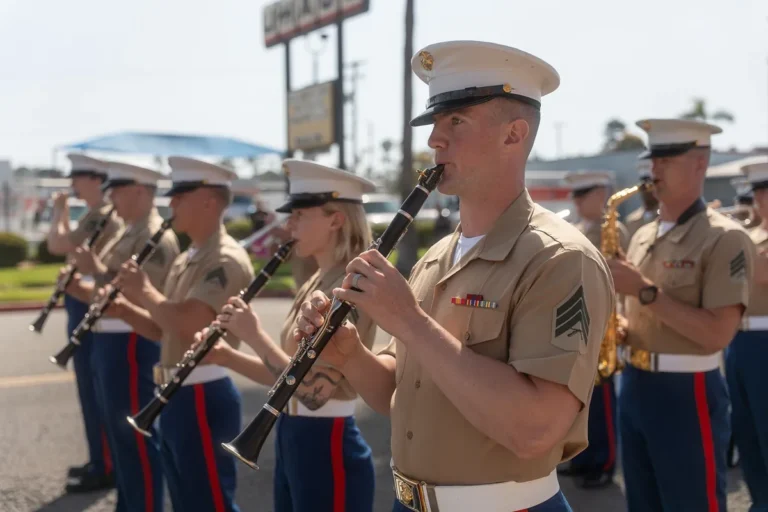
At its heart, the North Iowa Band Festival is a music event built on the American community band tradition. Marching bands are the headline act, but the lineup reaches further than that: school ensembles, community groups, and visiting musicians all find a place on the schedule. The parade remains the centerpiece, a moving river of uniforms, drums, and color that draws the biggest crowds of the weekend.
The festival is also a civic event. Downtown Mason City closes to traffic, sidewalks fill, and local organizations sell food and run activities. Volunteers from across the county staff the event, and businesses along the route plan their year around it. For a few days, the county seat behaves like a much larger city.
What sets it apart is the season. Late spring in northern Iowa is a narrow, generous window — cool mornings, warm afternoons, long light in the evening. The festival fits that window exactly, which is a large part of why it feels less like a scheduled event and more like the natural opening of summer.
For another look at how a community turns its own traditions into a gathering, see the Cedar County Iowa Cedar County Fair Festival for a useful comparison.
From Town Bands to a County-Wide Tradition in Mason City
Cerro Gordo County was founded in 1851, and Mason City grew into its county seat as railroads and agriculture shaped the region. The band festival grew out of the same community-band movement that put horns and uniforms on Main Streets across the Midwest. Town bands were once as ordinary as a library or a fire station, and north Iowa was no exception.
Over the decades the event has changed shape with the community. The route has shifted, the entertainment has widened, and the food offerings have multiplied. What has stayed constant is the structure: bands, a parade, and a downtown full of people who came to see their neighbors. That continuity is why the festival still reads as genuinely local rather than imported.
Inside a North Iowa Band Festival Weekend
First-time visitors usually arrive expecting a parade and leave surprised by how much else is happening. Here is what a typical festival weekend involves.
Food and Drink Along the Downtown Blocks
Food is a major draw. Vendors set up along the downtown blocks with the classics of Iowa festival cooking — pork on a stick, corn dogs, funnel cakes, kettle corn, fresh-squeezed lemonade — alongside church groups and local nonprofits selling their own specialties. Lines move quickly, but the busiest stands are busiest right after the parade ends, so plan around that.
Music, Bands, and Entertainment
Bands are the reason the festival exists. Expect marching units in the parade, concert performances from school and community ensembles, and smaller groups playing on stages and street corners through the weekend. The variety matters: a visitor can hear a middle-school drumline in the morning and a brass ensemble in the afternoon without moving far.
Family Activities for Every Age
The atmosphere is deliberately family-friendly. Activities for children, craft and merchandise booths, and plenty of open sidewalk space make it easy to bring kids and grandparents at the same time. Seating along the parade route goes early, so blankets and folding chairs are worth carrying.
Planning Your Trip Around the North Iowa Band Festival
Getting to Mason City and Around Cerro Gordo County
Mason City sits in north central Iowa and is reached most easily by car, with major routes converging on the city. Visitors coming from elsewhere in the county usually drive in for the day. Once downtown, most of the festival is walkable, which is the simplest way to move between the parade route, the food stands, and the music.
Where to Stay Near the Festival
Mason City has the county’s largest concentration of lodging, from national chain hotels to smaller independent options, and the surrounding towns offer additional rooms within a short drive. Late spring is a busy stretch, so booking well before the festival weekend is wise — especially for anyone who wants to walk to the parade route.
Parking and Getting Around Downtown
Parking near downtown fills quickly on parade morning. Arriving early, using lots a few blocks out, and accepting a short walk is the least stressful approach. Street closures around the route change from year to year, so following posted signs and volunteer directions on the day is more reliable than any pre-trip plan.
Admission and What Things Cost
Admission to the North Iowa Band Festival is typically free, which is central to its character as a community event. Visitors spend money on food, drinks, merchandise, and raffles rather than tickets. Bring some cash for the smaller stands, even though many vendors now take cards.
Late-Spring Weather and What to Wear
Late spring in Cerro Gordo County can deliver three seasons in one day: chilly mornings, warm afternoons, and sudden wind or rain. Layers, a light rain jacket, sunscreen, and comfortable shoes cover almost every scenario. If a shower passes through, the festival generally carries on — Iowans are not easily chased indoors.
A Sample Festival Weekend in Mason City
Arrive in Mason City in the late afternoon on the first day and park before the evening rush. Walk the downtown blocks to get oriented, find dinner at a local restaurant or a food stand, and catch an evening performance. The first night is the easiest time to see the city without crowds.
The middle day is the big one. Claim a spot along the parade route early with chairs or a blanket, then watch the bands pass. Afternoon is for food, side stages, and booth browsing. Stay into the evening for music and the relaxed, post-parade atmosphere that longtime attendees say is the best part.
Spend a slower final morning exploring Mason City — coffee downtown, a walk through the historic core — before driving out into the county. A loop through the surrounding towns and countryside is a good way to understand how far the festival’s audience travels.
How the North Iowa Band Festival Compares With Nearby Celebrations
The North Iowa Band Festival occupies a specific niche among north Iowa events. It is smaller and more music-focused than the big late-summer state fair in Des Moines, and it is more urban than the typical county fairground gathering. Compared with the summer activity around the nearby Clear Lake area, the band festival leans harder on performance and parade tradition than on lake recreation. And unlike holiday-season events, it belongs unmistakably to late spring, when the county is shaking off winter.
Packing and Prep for a Late-Spring Weekend in Mason City
Before you go, sort out a few basics. Confirm the weekend’s schedule through local sources; charge phones and bring a portable battery; pack folding chairs or a blanket for the parade route; wear layers and comfortable shoes; carry cash for smaller vendors; plan a meeting point in case your group separates; and fill the gas tank before heading into town. If you are traveling with children, note restroom locations early.
Finally, build in extra time. Traffic around a parade route moves slowly, and the best moments of the weekend tend to happen when you are not rushing to the next thing.
Beyond the Parade Route: More of Cerro Gordo County to Explore
Mason City rewards a longer stay. The downtown core has a walkable historic character, with architecture and public spaces worth an hour or two on foot. Outside the city, Cerro Gordo County opens into farmland, small towns, and river valley scenery that change with the season. The Clear Lake area, a short drive away, adds waterfront time to a festival weekend. For visitors who come for the bands, an extra half-day of county exploring usually turns a single event into a genuine trip.
How One Weekend Pulls Cerro Gordo County Together
In a county of 43,127 people spread across 575 square miles, shared rituals do real work. The North Iowa Band Festival gives students a reason to practice, gives families a tradition to keep, and gives downtown Mason City a weekend when every table is full. It also connects the county seat to the smaller communities around it, pulling in visitors who might otherwise have little reason to spend a Saturday downtown.
Where the North Iowa Band Festival Takes Place in Mason City
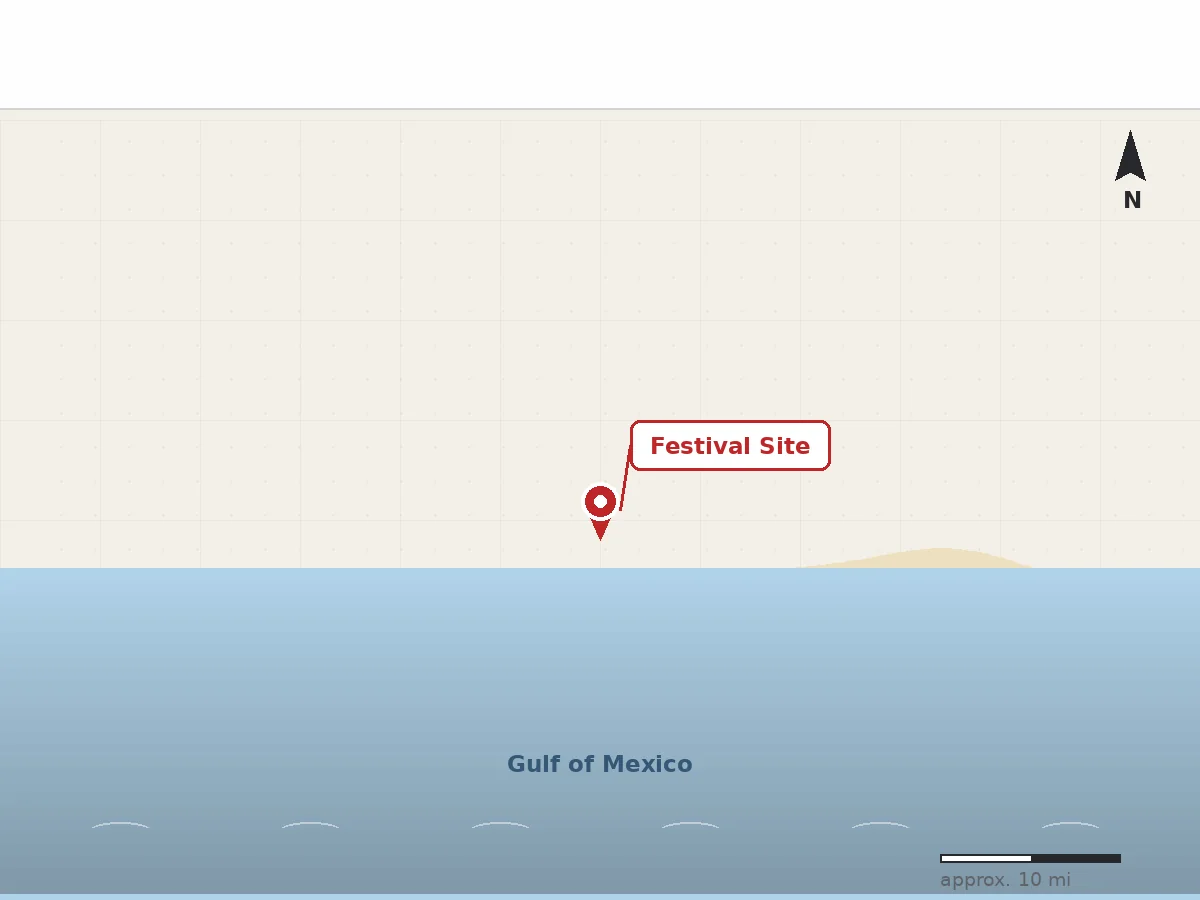
The North Iowa Band Festival centers on downtown Mason City, the Cerro Gordo County seat in north central Iowa, with the parade and main activities threading through the city’s core.
Answering the Most Common North Iowa Band Festival Questions
When does the North Iowa Band Festival usually take place?
The festival is a late-spring event, held in most years during late May or early June. That timing places it at the front end of Iowa’s festival season, before the heat of midsummer and well before county fair season gets underway.
Is there an admission fee to attend?
Admission is typically free, and that is part of the point — the festival is designed as an open community event. Budget for food, drinks, and merchandise instead of tickets, and keep a little cash on hand for smaller stands.
Where should first-time visitors park in Mason City?
Plan on parking a few blocks from downtown and walking in, especially on parade morning. Lots and street spaces closest to the route fill first. Follow posted signs and volunteer directions on the day, since closures shift with the route.
Is the festival suitable for young children and older visitors?
Yes. The festival is built for families, with daytime activities, a parade that holds children’s attention, and plenty of space along the sidewalks. Bring sun protection, snacks, and a stroller if you have younger kids, and stake out shade early.
Looking Ahead: The Next Chapter for the North Iowa Band Festival
The future of the North Iowa Band Festival depends on the same things that built it: school music programs, volunteer energy, and a downtown willing to host a crowd. Interest in marching band remains strong across Iowa, and the festival’s free, open format keeps it accessible. As Mason City continues to invest in its core, the event is well positioned to remain the county’s signature late-spring gathering.
Last updated: October 2026
For anyone mapping out an Iowa spring, the North Iowa Band Festival is worth building a weekend around. Come for the parade, stay for the food and the evening music, and leave with a clearer sense of what holds a north Iowa county together.