Audubon County Iowa Audubon County Fair Festival
Audubon County is small — 5,674 people across 443 square miles, per the 2020 census — and that scale is precisely what makes its county fair so easy to plan around. The county seat is Audubon, the fairgrounds sit within the Audubon County area, and for a few days each summer the whole county’s calendar tilts toward the same patch of grass. This guide is built for people who want the logistics settled before they point the car west: when to arrive, where to park, how the days actually flow, and how to assemble a weekend that doesn’t leave everyone flattened by Saturday night.
Audubon County Fair Basics: A Logistics Snapshot
| Town / area | The Audubon County area, southwest Iowa |
| County | Audubon County, Iowa |
| County seat | Audubon |
| Population | 5,674 (2020 census) |
| Region | Southwest Iowa, roughly midway between Des Moines and Omaha |
| Typical timing | Summer, usually a July weekend |
| Admission | Typically free; select grandstand events may be ticketed |
| Setting | Rural fairgrounds with livestock barns, exhibit halls, a grandstand, and midway space |
| Signature features | Livestock shows, 4-H exhibits, carnival rides, grandstand entertainment, food stands |
| Organizer | Local volunteer fair board and community organizations |
What the Audubon County Fair Is, and Who It Draws
This is a county fair in the classic Iowa mold: an agricultural showcase first, a community reunion second, and a small-town carnival third. The livestock barns and exhibit halls carry the weight of the week. Youth exhibitors bring cattle, swine, sheep, goats, poultry, and rabbits through judging, and the exhibit buildings fill with static entries — photography, baking, canning, garden produce, needlework, and school art projects.
Because Audubon County has only 5,674 residents, the fair is a genuinely local event rather than a regional spectacle. That works in a visitor’s favor. Lines are shorter, the grounds are walkable in a single loop, and you can park, see the barns, catch a grandstand event, and still be back on the highway before dark. It also means the crowd is mostly familiar faces, so a first-time visitor stands out pleasantly — expect conversation at the gate and in the food line.
Plan on a fairground footprint rather than a sprawling expo campus. That matters for logistics: one parking area usually serves the whole site, restrooms cluster near the exhibit buildings, and you can leave a cooler in the car and return to it between events without losing half an hour. Bring cash for the midway and food vendors, and treat the schedule as the spine of your day — grandstand events anchor the evenings, while afternoons belong to judging and exhibits.

From an 1851 County to a Summer Fair Tradition
Audubon County was established in 1851 and named for John James Audubon, the naturalist and painter whose name also marks the county seat. The county’s identity was built on prairie agriculture, and the fair grew out of that world — a place where farmers compared seed, equipment, and livestock, and where families turned a practical gathering into an annual social occasion.
For another look at how a community turns its own traditions into a gathering, see the Appanoose County Iowa Appanoose County Fair Festival for a useful comparison.
That arc is familiar across rural Iowa. Fairs started as livestock and produce showcases, added exhibition halls as home economics and youth programs expanded, then layered on grandstand entertainment and a midway as cars made it easy to draw crowds from surrounding townships. Over time the balance shifted: the agricultural core stayed, but the fair also became the week when former residents drive back from wherever life took them.
What has not changed is the volunteer structure. County fairs of this size run on committees, donated hours, and local businesses sponsoring ribbons, banners, and events. That is why the fair’s character feels stable year to year — the same families, the same barns, the same rituals — even as details like entertainment lineups and vendor rosters rotate.
Inside a Fair Week in the Audubon County Area
Fair days tend to follow a rhythm. Mornings are quiet and practical: animals being washed and fed, exhibitors checking in, judges working through classes. Afternoons bring the heaviest foot traffic as families arrive. Evenings belong to the grandstand and the midway. If you want the calmest possible visit, come in the morning. If you want the full sensory experience, come after lunch.
Fair Food and the Local Plate in Audubon County
Expect the fairground canon: grilled burgers and brats, pulled pork, funnel cakes, corn dogs, elephant ears, lemonade, and soft-serve. Church and civic groups often run stands as fundraisers, which is where you find the better cooking — pies, walking tacos, and breakfast sandwiches that appear only one week a year. Lines shorten noticeably between the lunch and dinner peaks, roughly mid-afternoon, so eat off-peak if you have hungry kids in tow. Bring small bills; not every stand takes cards, and connectivity on the grounds can be uneven.
Grandstand Nights, Tractor Pulls, and Live Music
The grandstand is the fair’s evening engine. Typical county-fair programming in this part of Iowa includes a demolition derby, a truck or tractor pull, a rodeo night, and live music, with the specific lineup changing each year. Some grandstand events are ticketed even when general admission to the grounds is free, so check the posted schedule at the gate and buy early for the marquee night. Seating is usually bleacher-style — a stadium cushion or a folded blanket makes a real difference on a metal bench.
Kid-First Activities and 4-H Energy
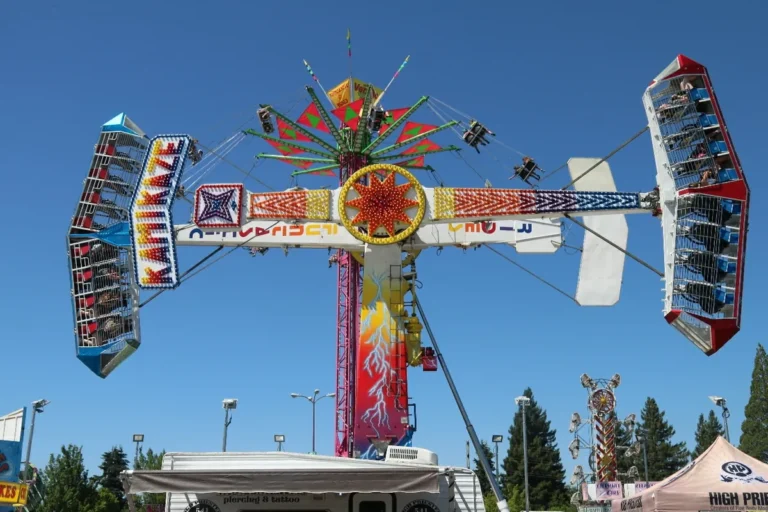
Children get the most out of the barns. Ask an exhibitor before touching an animal — most are happy to talk about their project, and that conversation is often the highlight of a kid’s day. Beyond livestock, look for carnival rides on the midway, small games, and hands-on exhibit hall displays. A stroller works on the main paths but struggles in gravel and barn aisles, so a carrier is the safer bet for toddlers. Set a meeting point early if your group plans to split up, since cell service can be spotty in a crowded crowd.
Planning the Trip: Reaching Audubon County and Settling In
Audubon County sits in southwest Iowa, within reasonable driving range of both the Des Moines and Omaha metros. Almost everyone arrives by car. That makes a handful of decisions — route, lodging, parking, cash, and weather — the entire planning exercise.
Getting There by Car on Iowa’s Southwest Backroads
You will approach on state highways and county roads that converge on the county seat of Audubon. Rural intersections are often controlled by stop signs rather than signals, and farm equipment shares the pavement during summer — pass only when you have clear sightlines. Fill the tank before you get close; options thin out once you leave the larger corridors. If you are navigating by phone, download an offline map, because coverage can fade in the river valleys and open farmland between towns.
Where to Stay Near the Audubon County Fairgrounds
Lodging in a county this size is limited, and fair week is the tightest window of the year. Book well ahead if you need a motel room. Otherwise, widen the search to larger towns in adjacent counties and accept a 30-to-50-minute drive each way, or look into campgrounds and RV sites in the region. Visitors with family in the area often skip hotels entirely, which is part of why local lodging fills so fast.
Parking Without the Guesswork
Expect lot and street parking around the grounds, staffed or directed during peak hours, generally free. Arrive before the evening grandstand program if you want a short walk, and expect to wait ten or fifteen minutes to exit after a derby or pull lets out. Back into your space when you can — it makes leaving in a dark, crowded lot far simpler. If rain has moved through, avoid parking on grass edges; Iowa gumbo turns soft fast.
Admission, Tickets, and What Cash Still Covers
Gate admission to county fairs in Iowa is typically free or by small donation, and Audubon County follows that pattern. The variable costs are grandstand events, carnival rides, food, and games. Set a per-person budget before you walk in, and carry cash for the midway and the fundraiser stands. Ride wristbands, when offered, are usually the best value for kids who want to go repeatedly.
July Weather and How to Dress for It
Southwest Iowa in July means heat, humidity, and the real possibility of an afternoon thunderstorm. Wear light clothing, bring a hat, and drink more water than you think you need. Barns and exhibit halls are your shade and air-conditioning. Keep a rain jacket in the car, and know that storm delays at outdoor events are common and usually brief. Sunscreen at the gate beats a sunburn at the grandstand.
A Sample Two-Day Fair Weekend in Audubon County
Day one, morning and afternoon. Arrive mid-morning and walk the livestock barns while they are still calm. Move to the exhibit hall before lunch, then eat at an off-peak hour. Spend the early afternoon on the midway with kids, and use the hottest stretch of the day for indoor exhibits and shade.
Day one, evening. Grab dinner from a civic-group stand, claim grandstand seats early, and stay for the headlining event. Leave immediately after the finale or linger ten minutes and let the lot clear — either works, but decide before you get trapped in the exit queue.
Day two. Return for the morning livestock judging, which is the most authentic slice of the fair and the least crowded. Tour the exhibit hall for entries you missed, then drive a loop of the county before heading home — the countryside is the reason the county is named after a naturalist.
How the Audubon County Fair Compares to Nearby Options
Most travelers in this corner of Iowa are choosing between several county fairs within an hour or so of each other — Cass County around Atlantic, Shelby County around Harlan, Carroll County around Carroll, and Guthrie County around Guthrie Center among them. Each has its own personality, grandstand lineup, and fairground layout, and each runs on roughly the same summer calendar.
The Audubon County difference is scale. With 5,674 residents and 443 square miles of farmland behind it, this fair is intimate — easier parking, shorter lines, and a stronger sense that you are watching a community rather than a production. If you want a bigger midway and a bigger concert bill, a larger county seat will deliver it. If you want to see the agricultural core of a fair up close and be home at a reasonable hour, Audubon County is the better fit.
Fair Week Checklist for an Audubon County Trip
Cash in small bills, a refillable water bottle, sunscreen, hats, and a stadium cushion for the grandstand. Closed-toe shoes you do not mind getting dusty. A light rain jacket for afternoon storms. A phone charger and a downloaded offline map. A small cooler left in the car for the trip home. Confirm the year’s schedule and grandstand ticket details before you leave, since lineups and event nights shift annually, and book any lodging well in advance.
Beyond the Fairgrounds: Audubon County Between Sessions
Give yourself a few hours outside the gate. The county seat of Audubon makes an obvious base for a walk and a meal, and the surrounding townships reward a slow drive — section roads, corn and soybean fields, windbreaks, and old farmsteads in the low light of early evening. Because the county carries the name of John James Audubon, birding is a natural fit here: roadside ditches, shelterbelts, and prairie remnants hold songbirds, raptors, and waterfowl, and a pair of binoculars earns its space in the trunk.
Plan on small-town services: a gas station, a cafe, a grocery store, and limited evening hours. That is the trade-off for a county of this size, and it is worth building into your day rather than fighting. Stock up before the dinner rush and you will not spend the evening hunting for an open kitchen.
Why a 5,674-Person County Still Builds a Fair
A county fair in a place this small is not a tourism product; it is infrastructure. It is where 4-H members learn to present a project and take a loss gracefully, where neighbors who have not spoken since harvest catch up over pie, and where the county’s agricultural economy gets a week of visible proof that it still matters. Volunteers carry nearly all of it — the committees, the setup, the judging logistics, the cleanup.
For visitors, that means your attendance is not incidental. Gate counts and grandstand seats are how a fair board argues for sponsorships, and every out-of-county car in the lot is evidence that the event reaches beyond its own borders. Showing up, buying food, and filling a bleacher is a genuine contribution to something that has been part of Audubon County life since long before any of us arrived.
Where the Fairgrounds Sit Within Audubon County
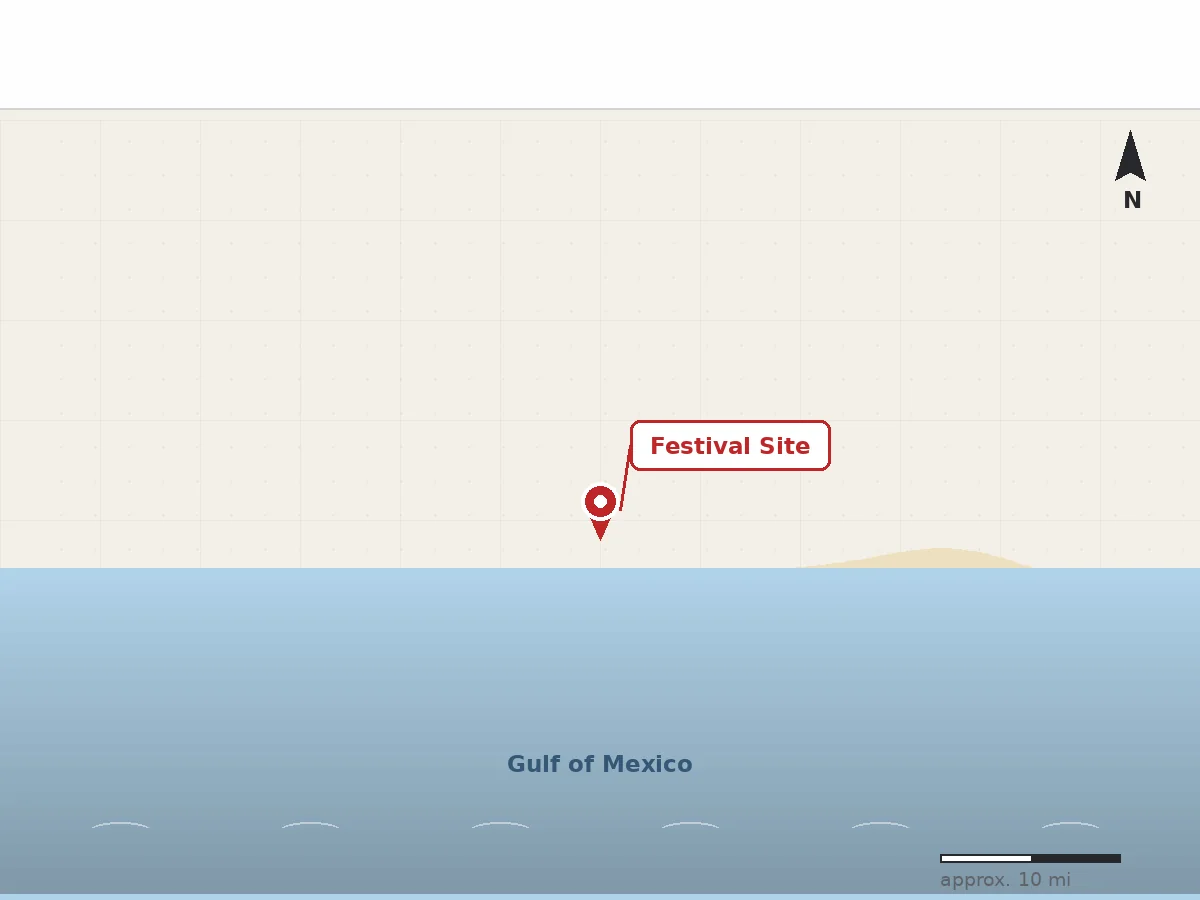
The Audubon County Fair takes place in the Audubon County area of southwest Iowa, with the county seat of Audubon serving as the practical reference point for anyone navigating in.
Practical Answers About the Audubon County Fair
When does the Audubon County Fair usually take place?
It is a summer fair, most often held on a July weekend, in keeping with the statewide county-fair calendar. Because the exact dates shift each year, confirm the current schedule through the county’s fair channels before you plan travel or request time off.
Do I need to buy tickets in advance?
General admission to the grounds is typically free, so most visitors only pay for grandstand events, rides, and food. Grandstand nights are the exception — those can be ticketed and can sell out, so buy ahead for whichever evening is your priority.
Where should out-of-town visitors stay?
Local lodging is limited and fills quickly during fair week, so reserve early if you need a room. Many visitors instead stay in a larger neighboring town and drive in, or camp in the region and treat the fair as a day trip. Whichever you choose, lock it in before the week arrives.
Is the fairground manageable with kids or mobility limits?
Yes, with a caveat. The grounds are compact and walkable, but surfaces include gravel, dirt, and barn aisles. Strollers and wheelchairs work on the main paths and struggle elsewhere, so plan your route around the paved or packed areas and allow extra time between the barns and the grandstand.
What’s Ahead for the Audubon County Fair
County fairs of this size live on a balance between tradition and reinvention. The agricultural core — livestock shows, 4-H projects, exhibit halls — is the reason the fair exists and is unlikely to move. What changes is everything around it: which grandstand acts draw a crowd, how vendors take payment, how much of the schedule gets posted online, and how far families are willing to drive for an evening out.
For visitors, the practical advice stays stable.
Last updated: October 2026
Audubon County is the kind of place where a fair still functions as the year’s main gathering, and that is exactly what makes it worth a drive. Arrive with a plan, leave room for a slow lap through the barns, and you will understand why a county of 5,674 keeps showing up for the same week every summer.



One Comment