Marion County Illinois Little Egypt Festival
Salem, Illinois, is the county seat of Marion County, a 576-square-mile block of farmland, timber, and small towns in the southern part of the state. The county was founded in 1823, and two centuries later its calendar still turns on the same things — planting and harvest, school terms, church suppers, and the handful of festivals that pull people in from every township. The biggest of those gatherings carries a name that outsiders ask about every year: the Marion County Illinois Little Egypt Festival. For a few days, Salem becomes the meeting point for the whole county, part homecoming and part street fair, all of it wrapped around the regional identity that southern Illinois has claimed for generations.
Marion County Illinois Little Egypt Festival: Key Details
| Town / area | Salem and the surrounding Marion County area |
| County | Marion County, Illinois |
| County seat | Salem |
| Population | A small city in a rural county, with residents spread across towns, villages, and farmland |
| Region | Southern Illinois, the area known as Little Egypt |
| County roots | Founded in 1823; 576 square miles of land area |
| Typical timing | An annual weekend event; the specific weekend is announced locally each year |
| Admission | Generally free to enter, with costs for food, crafts, and some activities |
| Setting and features | A walkable community festival with food stands, live entertainment, and family activities |
| Organizer | Local civic organizations and volunteers |
What the Little Egypt Festival Is All About
At its core, the Little Egypt Festival is a county-wide homecoming. Salem’s streets, parks, and community spaces fill with vendors, tents, and stages, and the crowd is a mix of local families, former residents back for the weekend, and travelers who happened to be passing through southern Illinois and decided to stop.
The festival is built around the things small Illinois towns do well: food cooked on site, live music from regional bands, craft and merchandise booths, activities for children, and plenty of standing-around-and-talking time. It is not a gated, ticketed event in the style of a big music festival. It is closer to a town fair that happens to have the whole county on the guest list, and the mood reflects that — relaxed, informal, and easy to walk into without a plan.
How Southern Illinois Became Little Egypt — and How Salem Joined In
“Little Egypt” is the nickname southern Illinois has carried since the nineteenth century, and its origins are debated. One popular explanation points to Cairo, Illinois, at the southern tip of the state, where the Ohio and Mississippi rivers meet — a confluence early travelers compared to the Nile Delta. Another story describes northern farmers coming south during hard years to buy grain, the way the biblical Israelites went to Egypt for food. Whichever version a local tells you, the name stuck, and it now covers everything from the Shawnee Hills to the flat farmland around Salem.
Marion County was organized in 1823, with Salem as its county seat. The county’s early life revolved around timber, grain, milling, and the railroads that later crossed the region, and its towns grew up around those trades. Community celebrations followed — harvest gatherings, homecomings, school and church events, and the county fairs that once served as the social calendar for families who might see each other only a few times a year.
For another look at how a community turns its own traditions into a gathering, see the Madison County Illinois Mississippi Earthtones Festival for a useful comparison.
The Little Egypt Festival belongs to that long habit of gathering. In most years it runs across a weekend and is organized by local civic groups and volunteers rather than a single company, which is why it feels less like a produced attraction and more like a project the county builds for itself. The purpose has not changed much since those early celebrations: give Marion County a few days to eat, listen to music, and remember that the towns scattered across those 576 square miles are part of one community.
Inside the Festival Grounds in Salem
The shape of the weekend is familiar to anyone who has spent time in southern Illinois. Vendors line the main walking route, a stage or two anchors the entertainment, and families drift in and out through the afternoon before the evening crowd arrives. Here is what most visitors end up spending their time on.
Food Worth Standing in Line For
Expect the classic festival menu: pork tenderloin sandwiches, barbecue, corn dogs, hand-cut fries, funnel cakes, and lemonade shake-ups. Church groups and local organizations often run their own stands, which is usually where the best pie and the most generous portions are hiding. Bring cash for the small vendors, and plan to eat more than you intended.
Music, Stages, and Local Entertainment
Live entertainment typically runs from afternoon into the evening, with regional bands covering country, classic rock, and gospel, plus local performers and youth groups earlier in the day. The lineup leans local by design, so the music doubles as a chance to see neighbors on stage. Bring a folding chair if you plan to camp out in front of the band.
Family Activities for Kids and Grandparents
Children usually have their own zone — inflatables, games, face painting, and craft tables — while grandparents claim the shade and the benches near the food. Because the festival is walkable and compact, families can split up and regroup without much coordination, which is one reason it works so well for multi-generation groups.
Planning a Weekend in Salem and Marion County
Salem is a small city, so a festival weekend here is less about logistics and more about timing. A little planning goes a long way.
Getting There: Routes into Marion County
Interstate 57 runs past Salem, and US Route 50 passes through the area, which makes the county seat an easy stop between Effingham and Mount Vernon. Most visitors arrive by car, and the final approach into town is straightforward. If you are coming from St. Louis or southern Indiana, plan on a drive of a couple of hours rather than a quick hop.
Where to Stay Overnight
Salem has limited lodging, so festival weekends fill quickly. Larger selections of hotels sit along the Interstate corridors in nearby Mount Vernon and Effingham, both of which make reasonable bases if you do not mind a short drive. Campers often look toward the state parks and lakes in the region.
Parking and Getting Around Salem
Street parking and small lots around downtown and the festival grounds are the norm, supplemented by church and business lots that open up for the event. Arrive before mid-afternoon for the best spots, and expect to walk a few blocks. Once you are on site, everything is on foot.
Admission, Spending, and What Things Cost
Admission to the festival is typically free, with money changing hands for food, drinks, crafts, and some children’s activities. Vendors vary in whether they take cards, so carry cash. Set a rough budget per person and treat the rest as a donation to the local economy.
Weather and Seasonal Timing
Southern Illinois swings between humid summer heat and cool, damp autumn evenings, and the festival’s weekend can land in either mood. Check the forecast the week before, then pack layers, sunscreen, comfortable shoes, and a rain jacket. A light folding chair and a refillable water bottle are worth the trunk space.
A Sample Festival Weekend in Marion County
Friday evening: arrive in Salem, park while spaces are still easy to find, and walk the vendor line for dinner. Stay for the first band, then get an early night.
Saturday morning: coffee downtown, then a slow pass through the craft booths before the crowd builds. Midday: eat your way through the food stands and catch the afternoon entertainment. Late afternoon: take the kids to the family activities while the older members of the group hold down chairs near the stage.
Saturday evening: this is the busiest stretch, with the headlining music and the longest food lines. Sunday: return for a quieter final look, pick up anything you talked yourself out of on Saturday, and drive the county roads on the way home to see the farmland that gives the region its character.
Little Egypt Compared with Centralia, Mount Vernon, and Other Nearby Towns
Marion County shares southern Illinois with a ring of towns that each run their own community events, and the differences are worth knowing. Centralia, just to the south, is a railroad town with a busier commercial strip and its own calendar of fairs and gatherings. Mount Vernon, to the southeast, is larger, sits at the junction of two interstates, and offers far more hotel rooms and restaurants, though its celebrations feel more regional than hometown.
Vandalia, to the north in Fayette County, leans into its history as a former state capital and draws visitors for heritage-minded events. Salem’s Little Egypt Festival sits somewhere in the middle: bigger than a church supper, smaller than a regional fair, and more rooted in county identity than any single theme. If you are touring the region, it pairs well with any of them.
A Practical Checklist for Little Egypt Weekend
Book lodging early, especially if the festival falls on a homecoming or reunion weekend. Salem’s room supply is small.
Carry cash in small bills for food stands and craft vendors, and keep a card as backup.
Wear comfortable shoes. The festival is walkable, but you will cover more ground than you expect.
Bring a folding chair, a water bottle, and a light jacket for the evening.
Check local listings the week before you go for the confirmed weekend, hours, and any schedule changes.
Beyond the Festival: Salem and the Rest of Marion County
Salem itself rewards a slow drive: a courthouse square, older residential streets, and the flat, productive farmland that surrounds the town on every side. Marion County’s back roads are quiet and photogenic in the golden hour, and the small communities scattered across its 576 square miles each have their own grain elevators, churches, and ball fields.
Within a reasonable drive, southern Illinois offers Carlyle Lake for boating and shoreline walks, the old statehouse at Vandalia for history, and the Shawnee National Forest further south for hiking and overlooks. Wineries and farm stands dot the region, and the Mississippi River towns make a good half-day trip. Build an extra day around the festival and the area fills it easily.
What the Festival Means to Salem and Marion County
For a rural county, a festival is infrastructure. It is where the volunteer fire department, the schools, the churches, and the small businesses all show up in the same place at the same time. Money spent at food stands often goes straight back into local organizations, and the weekend gives former residents a reason to come home.
It also keeps a regional identity alive. Calling this corner of Illinois “Little Egypt” is a small act of pride, and the festival turns that nickname into something you can taste, hear, and walk through. For Salem, it is a few days when the county seat is genuinely the center of the county again.
Where the Little Egypt Festival Sits on the Illinois Map
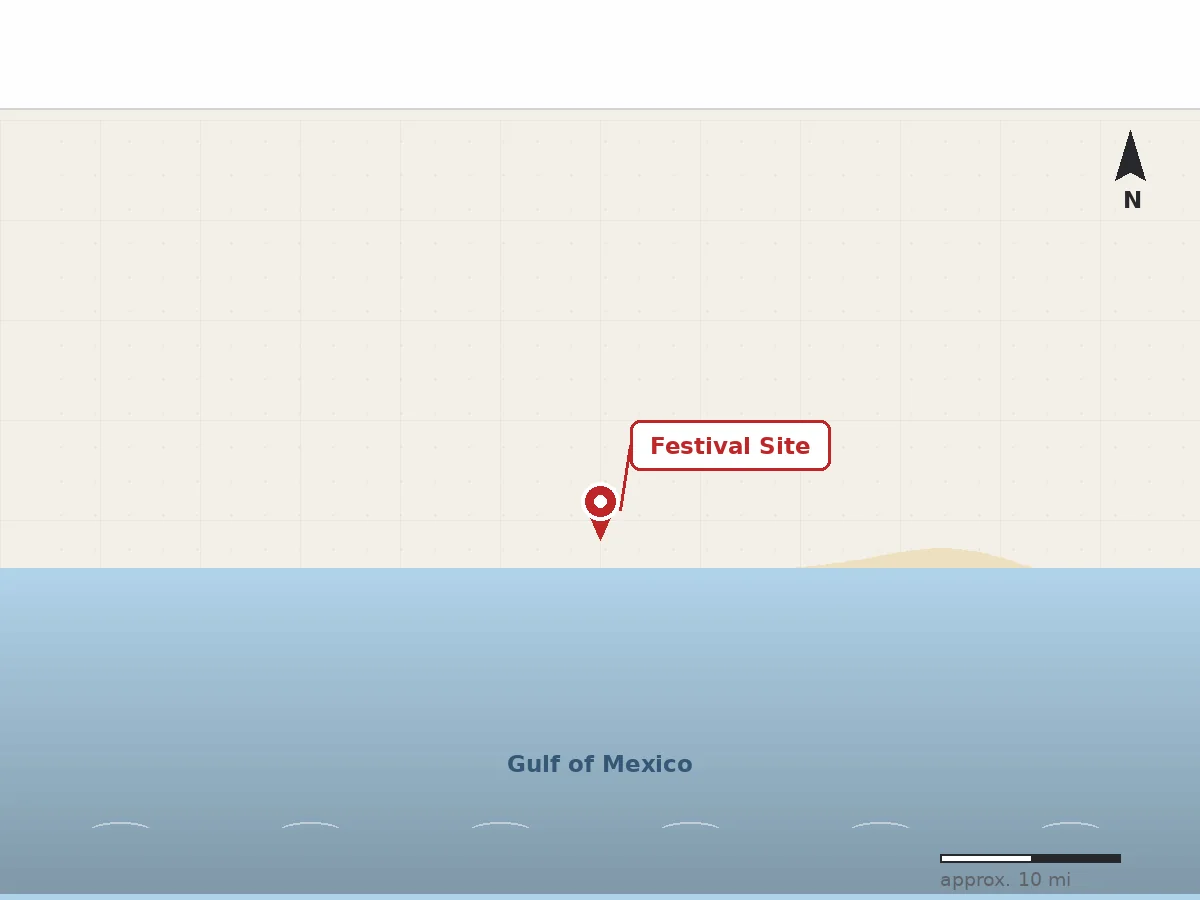
The festival takes place in Salem, the county seat of Marion County in south-central Illinois, within the wider region known as Little Egypt.
First-Timer Questions About the Little Egypt Festival
Is the Little Egypt Festival free to attend?
In general, yes. Admission is typically free, and you pay only for what you eat, drink, or buy from vendors. Some individual activities, particularly children’s rides or games, may carry a small charge, so bring cash just in case.
When is the festival usually held?
It is an annual event held over a weekend, with the specific weekend announced locally each year. Because the date moves, the safest approach is to check Salem and Marion County community listings before you plan your trip.
Is it a good event for children and older visitors?
Yes. The grounds are compact and walkable, the atmosphere is informal, and there is programming aimed at families. Older visitors appreciate the shade, seating, and easy pace, while kids gravitate to the games and activities.
What exactly does “Little Egypt” refer to?
It is the long-standing nickname for southern Illinois. Explanations vary — one ties it to the river confluence at Cairo, another to northern farmers traveling south for grain in hard years — but the name has been part of the region’s identity for generations, and the festival celebrates it.
Looking Ahead for Little Egypt in Salem
The festival’s future depends on the same things that keep any small-town event running: volunteers, local sponsors, and turnout. Marion County’s population is spread thin across 576 square miles, so every hand on a food stand or a parking lot matters. As long as families keep showing up, the weekend will keep its place on the calendar.
Visitors can help by spending locally, being patient with parking, and treating the event as what it is — a community gathering that happens to welcome outsiders. That attitude is what keeps a festival like this going for another generation in a county that has been organizing itself around Salem since 1823.
Last updated: October 2026
If you go, go without a tight schedule. The Little Egypt Festival in Salem is best experienced the way locals do it — park once, walk slowly, eat something fried, find a chair near the music, and let the afternoon run long. In a county this size, that is exactly the point.
One Comment