Iroquois County Illinois Iroquois County Fair Festival
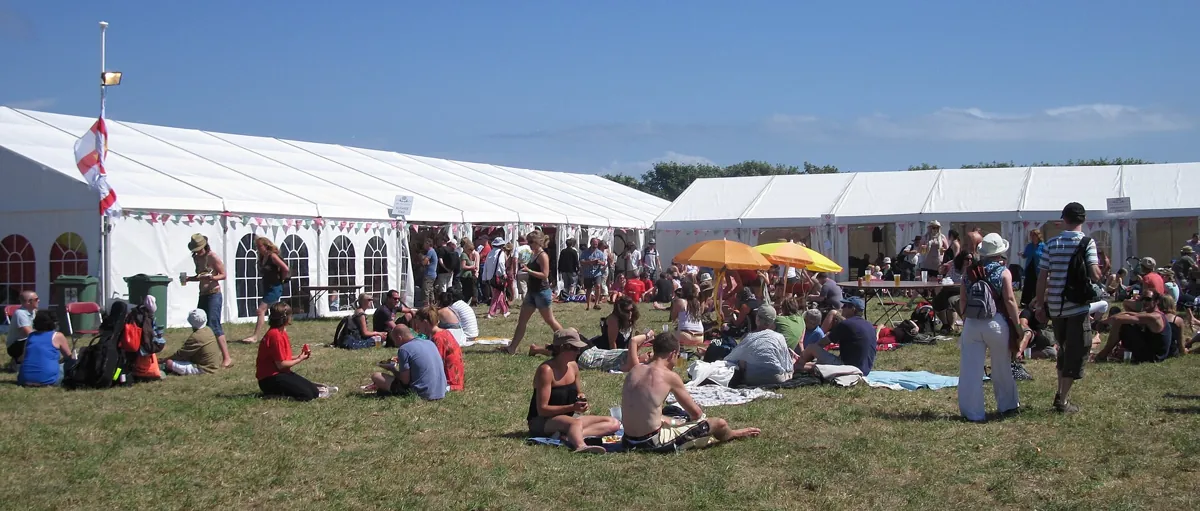
There is a particular smell that greets you before you reach the gate at the Iroquois County Fair — fryer grease, diesel from the tractor pull, and the barn air of cattle and sawdust. For anyone who grew up circling fair week on a kitchen calendar, that combination works like a memory trigger. This is not a festival staged to impress outsiders. It is a county fair in the truest sense, put on by people who know one another, in a northeast Illinois county that has been farming country for a very long time.
If you have been before, you already know the rhythm: arrive early while the barns are still quiet, eat something you will regret by mid-afternoon, claim a seat near the grandstand before the evening crowd, and stay until the midway lights start switching off. If it has been a few years, this piece is written for you — the returning visitor who wants the details that matter and none of the promotional padding.
Iroquois County Fair: The Essentials a Regular Would Tell You First
Before the deeper detail, here is the short version — the facts a local would rattle off if you asked them at the feed store.
| Town / area | The Iroquois County area, northeast Illinois |
| County | Iroquois County, Illinois |
| County seat | Watseka |
| Population | Small-town and rural, spread across 1,119 square miles |
| Region | Northeast Illinois |
| Typical timing | A summer weekend, most often in July or August |
| Admission | General gate admission is typically free; rides, food and some grandstand events cost extra |
| Setting | A traditional county fairground with barns, a midway and a grandstand |
| Signature features | Livestock shows, 4-H exhibits, tractor pulls, carnival rides, fair food |
| Organizer | A local volunteer fair board and community organizations |
What the Iroquois County Fair Actually Is
Strip away the nostalgia and the Iroquois County Fair is a working agricultural showcase wrapped in a carnival. The livestock barns are the spine of the event. Cattle, swine, sheep, goats and poultry move through judging rings on a schedule that families plan their whole week around. 4-H and FFA members show animals they have raised, fed and halter-trained for months, and the results of that work are posted on barn walls for everyone to read.
Around that core sits everything else: a midway with rides and games, food trailers, exhibit halls full of canned goods, quilts, vegetables and photography, and a grandstand that fills up in the evening. The scale is human. You will run into people you know. You will also find that a county this size — 1,119 square miles of fields, small towns and county roads — sends in exhibitors from a wide radius, so the fairgrounds feel busier than the population map would suggest.
For another look at how a community turns its own traditions into a gathering, see the Iroquois County Illinois Harvest Daze Festival for a useful comparison.
County Roots Since 1833: How Fair Week Took Hold in Iroquois County
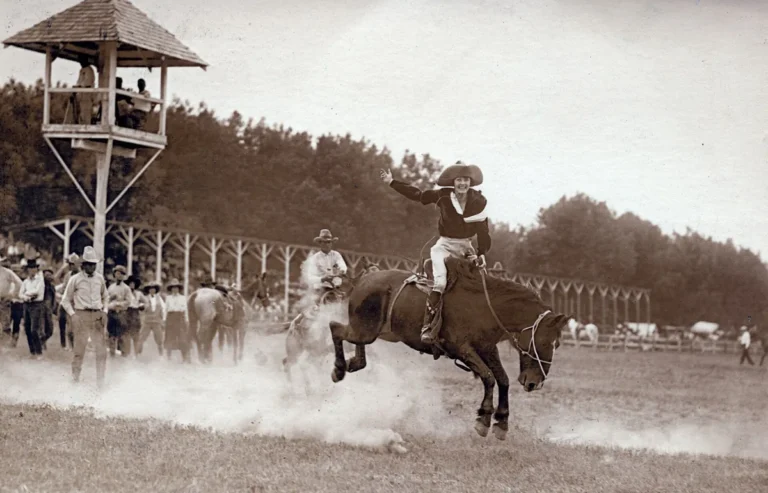
Iroquois County was founded in 1833, with Watseka growing into its county seat as the surrounding prairie was broken into farmland. That timeline matters, because the fair is a direct descendant of the agricultural society tradition that followed settlement across Illinois. In counties like this one, fairs began as a way for farmers to compare crops, bloodlines and equipment, and to turn a harvest season into a social occasion.
Over the decades, the event shifted shape the way most county fairs did. Judging premiums and plowing matches gave way to 4-H clubs, then to carnival rides, grandstand entertainment and a full week of programming. What stayed constant was the structure: a volunteer board, a grounds maintained by the community, and a calendar built around the rhythms of planting and harvest rather than the convenience of tourists.
That continuity is the reason returning visitors recognize the place instantly. The midway may change operators and the barns may get new paint, but the geography of a fair day in Iroquois County has barely moved in living memory.
What a Fair Day in Iroquois County Feels Like
Expect heat, dust, animal noise and a lot of walking. Expect long lines at peak dinner hours and empty bleachers at ten in the morning. Here is how the day usually breaks down.
Fair Food in Iroquois County: Pork, Pie and Fryer Lines
Food is where county fairs quietly compete with each other, and this one leans into the classics. Expect pork chop sandwiches, corn dogs, tenderloins, funnel cakes, elephant ears, lemonade shake-ups and soft-serve. Church groups and local organizations often run their own stands, which is where you find the pie slices, walking tacos and homemade noodles that chain vendors cannot replicate. Cash is still useful at smaller stands, so carry some even if you plan to use a card. The smart move is to eat before the dinner rush or after the grandstand crowd clears.
Grandstand Nights, Local Bands and Tractor Pulls
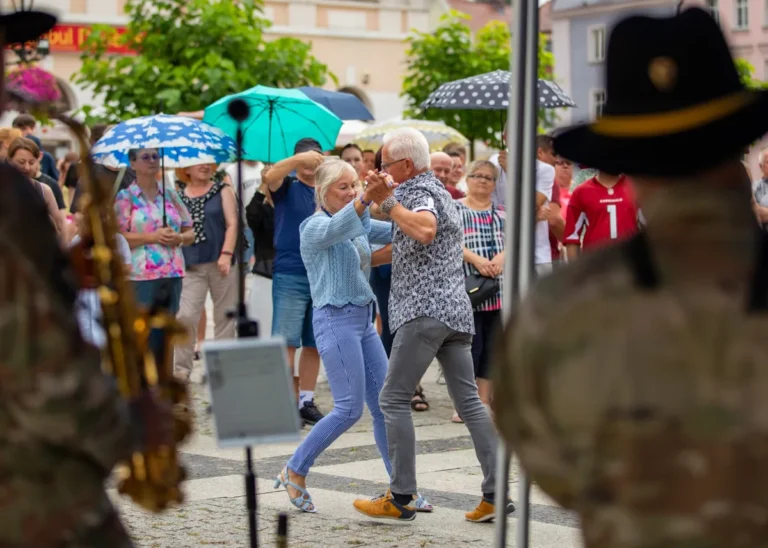
Evening is when the fairgrounds hit full volume. The grandstand typically anchors the night with a tractor pull, a demolition derby, a truck event or live music, and the crowd arrives early to get good seats. Elsewhere on the grounds, local and regional bands play on smaller stages, and you will hear everything from country covers to classic rock drifting across the midway. Bring a lawn chair if you plan to camp out near a stage — regulars do.
Kid-Friendly Corners Beyond the Livestock Barns
Families with young children tend to work the fair in loops: barns first, then the exhibit hall, then rides, then food, then home before the meltdown. Kiddie rides and games cluster on one side of the midway, and small animal exhibits are usually the biggest hit with toddlers. Many fairs of this size also run youth-focused activities such as pedal pulls, craft sessions and barn tours during daylight hours. Check the schedule posted at the gate and build the day around the two or three things your kids actually care about.
Planning a Trip to the Iroquois County Fair
Fair week logistics in a rural county are simple, but a little preparation saves real time.
Getting to the Iroquois County Area
The county sits in northeast Illinois, and Watseka, the county seat, is the natural reference point for anyone navigating in. Most visitors arrive by car on state routes and county roads, and the last stretch is farmland — flat, straight and easy to drive. Fuel up before you get close, because small-town stations keep limited hours. If you are coming from out of state, plan your route around the larger highways and then drop down onto the county grid.
Where to Stay Near Watseka and the County Line
Lodging in a county this rural is limited, so book early if fair weekend overlaps with anything else in the region. Options generally fall into three buckets: small motels and inns in and around Watseka, chain hotels in neighboring larger towns a short drive away, and campgrounds or RV sites for people who prefer to stay on wheels. Camping on or near the grounds is a tradition at fairs like this one, so ask about availability before you assume it is full.
Parking Around the Fairgrounds
Parking at county fairgrounds is usually a mix of official lots and improvised grass fields staffed by volunteers. Arrive before the evening grandstand event and you will park close; arrive at seven and you will walk. Follow the directional signs rather than your phone, keep an eye out for hand-painted arrows, and note a landmark near your car — rows of vehicles in a field all look alike after dark.
Admission, Ride Wristbands and What Actually Costs Money
General admission to fairs of this type is typically free, with the real spending happening inside: ride tickets or wristbands, food, games and certain grandstand events. If rides matter to your group, look for discounted wristband sessions earlier in the day. Set a rough budget per person before you walk in, because midway pricing adds up faster than anyone expects.
Summer Heat, Storm Chances and What to Wear
Fair week in Illinois means heat and humidity, with the occasional afternoon thunderstorm rolling through. Wear closed-toe shoes — barns, gravel and grass demand it — and bring sunscreen, a hat and a refillable water bottle. A light rain jacket beats an umbrella when the wind picks up. If a storm hits, most fairs pause outdoor events and resume once the grounds are safe, so give it an hour before you give up and leave.
A Sample Fair Weekend, Hour by Hour
Friday afternoon. Arrive mid-afternoon when parking is easy. Walk the barns while animals are still being worked, then hit the exhibit hall for the air conditioning. Grab an early dinner around five, before the lines form.
Friday evening. Head to the grandstand early, claim seats, and let the kids burn energy on the midway between events. Stay for the lights and leave after the main event rather than fighting the final exit rush.
Saturday morning. Come back early for livestock judging and 4-H shows — the quietest, most authentic hours of the week. This is when you actually talk to exhibitors and learn something.
Saturday afternoon and evening. Ride wristbands, games, fair food and a slow loop through everything you missed. Finish at the grandstand, then walk the midway one last time before the lights go down.
How the Iroquois County Fair Stacks Up Nearby
Compared with bigger regional events in places like Kankakee, this fair is smaller, cheaper and far less crowded — you can park close, see everything in a day and still talk to the people showing animals. Compared with a tiny town celebration in a place like Paxton, it offers more programming: multiple days, a full grandstand schedule, carnival rides and a serious exhibit hall.
That middle position is the appeal. It is large enough to fill a weekend, small enough that you never feel like a stranger, and rooted enough in Iroquois County that the fair still belongs to the people who live there rather than to a vendor company.
Fair Week Packing and Prep List for Iroquois County
Bring: cash for small stands, sunscreen, hats, refillable water bottles, closed-toe shoes, a light rain jacket, lawn chairs for stage seating, and a tote for exhibit hall purchases.
Plan: check the schedule before you leave, decide which grandstand night matters most, book lodging early, and agree on a meeting point with your group in case phones die.
Skip: open sandals, glass containers, and any plan that depends on arriving at the last minute for a popular evening event.
Beyond the Midway: Iroquois County the Rest of the Year
Once the trailers pull out, the county goes back to what it does best: farming 1,119 square miles of flat, productive land. Watseka, the county seat, is the place to start any off-season visit — courthouse square, local restaurants, small shops and the kind of downtown that still functions as a real center. Drive the county roads in any direction and you will pass grain elevators, farm stands, old barns and fields that change character with every season.
Why Fair Week Still Anchors Iroquois County
In a county founded in 1833 and shaped by agriculture ever since, the fair is one of the few events that still pulls every corner of the map into one place. It is where farm families, town residents and weekend visitors share the same bleachers. It is where kids learn to speak in public, handle animals and lose gracefully. It is where the money raised by volunteer stands goes back into scholarships, clubs and community projects. That is a lot of weight for a week of rides and pork sandwiches to carry, and it carries it anyway.
Where the Iroquois County Fair Sits on the Map
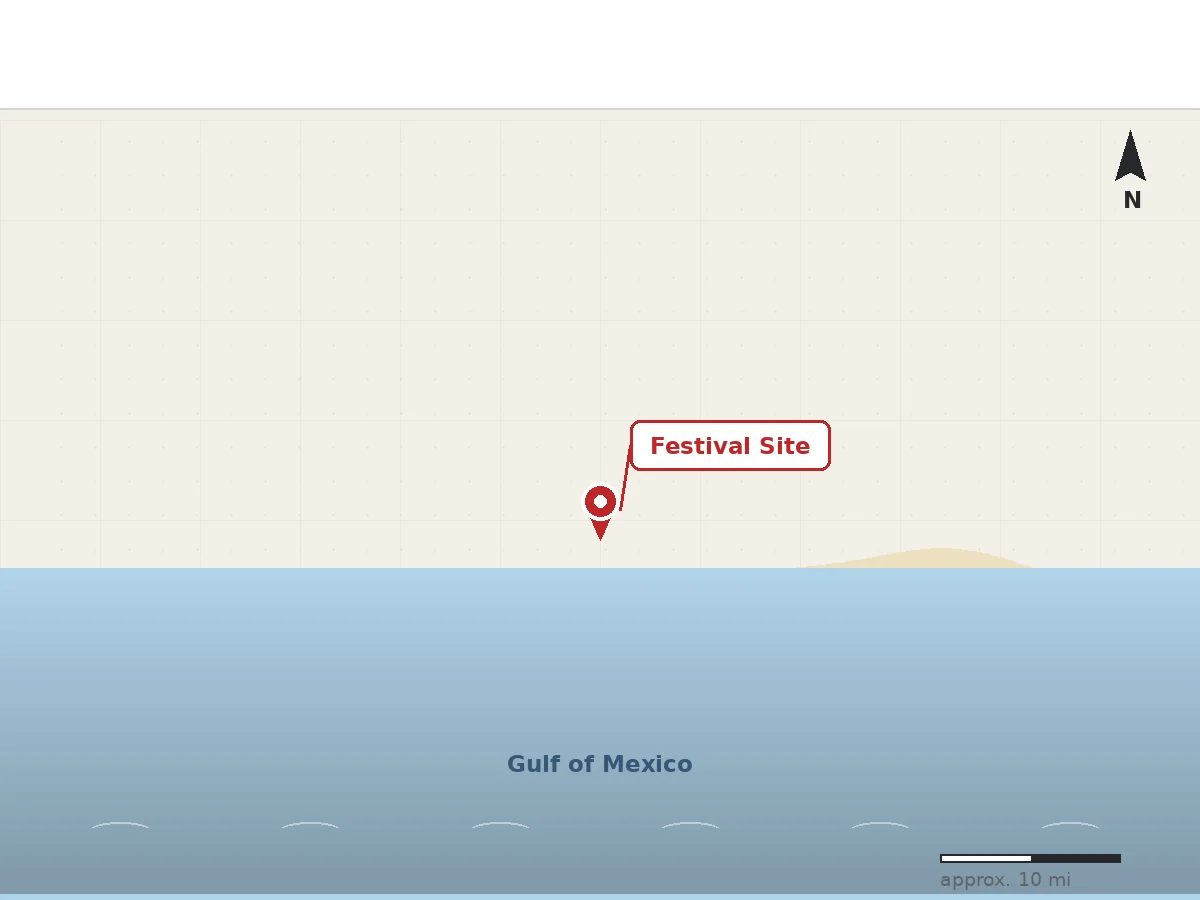
The fair takes place in the Iroquois County area of northeast Illinois, with Watseka, the county seat, as the usual reference point for anyone heading in.
Iroquois County Fair: Straight Answers Before You Drive Out
Is there a charge to get into the fairgrounds?
General gate admission at fairs of this kind is typically free. Your spending happens inside — rides, games, food and certain grandstand events — so budget for those rather than for a ticket at the entrance.
When is the best time to arrive?
Mornings are calm, cool and best for livestock shows and exhibit halls. Late afternoon is best for food before the rush. If a grandstand event is your priority, arrive well before it starts, because parking and seating both fill quickly.
Is the fair a good fit for young kids and older visitors?
Yes, with planning. Families do best in the morning and early evening, avoiding the hottest hours. Older visitors will find the barns, exhibit halls and grandstand the most comfortable draws, and shaded seating is usually available if you get there early.
What happens if it rains during fair week?
Summer storms in Illinois tend to be brief. Outdoor events usually pause and resume once conditions allow, and exhibit halls and barns stay open in the meantime. Keep an eye on the weather and give a passing storm an hour before changing your plans.
Looking Ahead to Future Iroquois County Fair Weekends
The fair’s future looks a lot like its past: volunteer-run, agriculture-first, and dependent on the families who keep entering exhibits and showing animals. County fairs across Illinois are working to stay relevant to younger visitors without losing what makes them distinct, and this one has the advantage of a genuine local base. Expect the midway to evolve, the grandstand lineup to shift, and the barns to stay exactly where they have always been.
Last updated: October 2026
For a returning visitor, the Iroquois County Fair is less a discovery than a reunion. Come for the grandstand, stay for the pie, and walk the barns slowly — that is where the week still makes its case.

One Comment