Fulton County Illinois Spoon River Valley Scenic Drive Fall Festival

The first autumn I drove the Spoon River Valley Scenic Drive, I treated it like a checklist. I started late, rushed between stops, and came home with a car full of squash and no memory of the countryside I had just crossed. The second year I slowed down, and Fulton County finally made sense to me.
The drive is not one fairground behind one gate. It is a self-guided route across a county that covers 883 square miles, threading between small towns, farm stands, church kitchens and historic sites along the Spoon River valley. Returning visitors learn to pick one stretch, linger there, and let the rest wait until next autumn.
The Spoon River Valley Fall Drive: Key Details in One Table
| Event | Spoon River Valley Scenic Drive Fall |
| Area | Fulton County, Illinois, along the Spoon River valley |
| County seat | Lewistown |
| Population | Rural county of small towns; the drive has no single host city |
| Region | West-central Illinois |
| Typical timing | Each autumn, usually across two weekends in October |
| Admission | Free to drive; food, crafts and site visits are optional purchases |
| Setting | Farmland, timber, river bottoms and historic small towns |
| Format | Self-guided driving tour with community and historic stops |
| Organizer | Coordinated locally by the communities and sites that take part |
What the Fall Drive Through Fulton County Really Is
Fulton County was founded in 1823, and Lewistown has been its county seat, which tells you something about the shape of the place: old, rural, and organised around a handful of towns separated by long stretches of field and timber. The Scenic Drive works because it turns that distance into the attraction. Instead of one crowded venue, you get dozens of scattered stops that only make sense together.
The valley is the same landscape Edgar Lee Masters drew on for Spoon River Anthology, written out of his boyhood in Lewistown. Drive the back roads in October and the connection stops feeling literary and starts feeling literal: low bluffs, bridge crossings, farm gates, and towns where the cemetery sits on the hill above the main street.
Nothing about it is scripted. You follow a route from community to community, stop where a sign catches your eye, and move on when you are ready. In most years the drive runs across two weekends in October, and admission is free; you spend only on what you choose to buy or eat.
For another look at how a community turns its own traditions into a gathering, see the Fulton County Illinois Fulton County Fair Festival for a useful comparison.

How the Drive Grew Out of Fulton County’s Own Story
Fulton County’s early economy ran on the land and the river. Farms, mills and river landings gave the valley its rhythm, and the towns that grew up around them stayed small and stayed put. By the time the twentieth century was underway, the county had a dense layer of churches, one-room schoolhouses, courthouse squares and family cemeteries — the exact ingredients a fall driving tour needs.
The Scenic Drive grew from that base rather than from a marketing plan. Communities opened their doors, harvest sales appeared on front lawns, historical societies unlocked buildings that are normally shut, and drivers began treating the route as an annual ritual. It is a festival built out of existing places instead of temporary ones.
What has stayed constant is the volunteer backbone. Stops exist because somebody local decided to sweep a floor, bake pies, or stand at a gate and wave cars into a field.
What a Day on the Spoon River Valley Route Feels Like
Expect a slow day, not a packed one. Traffic moves at country-road speed, stops come in clusters, and the best moments are usually unplanned: a porch sale, a cemetery view, a stand of maples turning all at once.
Food Along the Spoon River Valley Route
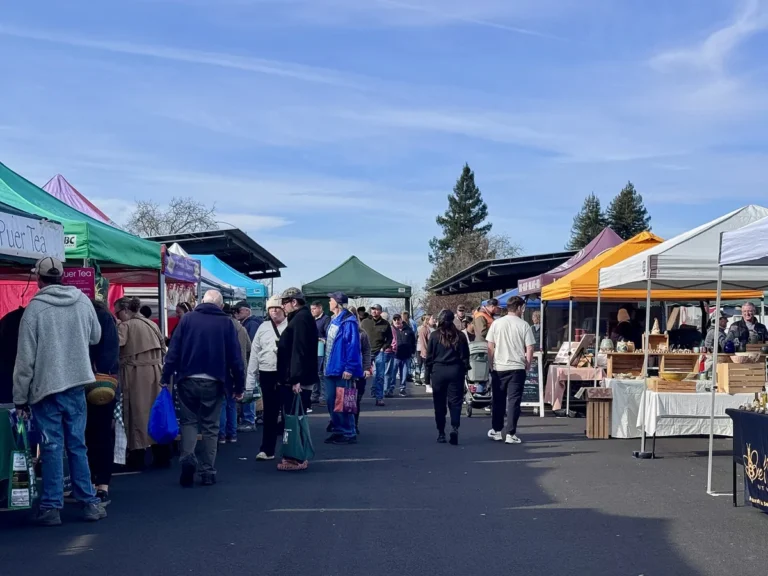
The food is church-basement and farm-gate cooking: soups and sandwiches, pies cut by the slice, kettle corn, cider, pumpkins and squash sold by the pound. Bring cash in small bills, because some stands are simple operations. Returning visitors eat early, around the middle of the day, before the popular stops fill up.
Music and Demonstrations at Valley Stops
Entertainment is local and informal — a fiddler on a flatbed, a gospel group on a lawn, craft demonstrations where someone is actually working rather than just selling. Some stops lean historical, with guided walks through old buildings. Others are pure harvest fun. The mix changes year to year, which is part of why the drive rewards repeat visits.
Family-Friendly Stops for Younger Passengers
Children do well here because the day is broken into short hops rather than long waits in line. Farm animals, hayrides, pumpkin tables and open grass to run on are common. Pack a blanket and let them burn energy at each stop instead of saving it all for the car.
Planning a Fulton County Fall Weekend
The drive is forgiving, but a little planning turns a scattered day into a good one. These are the things I check every year.
Getting to Fulton County and Around the Route
Fulton County sits in west-central Illinois, and most visitors arrive by car. Once you are in the county, the route does the work — but a paper map or a downloaded one is worth having, because phone signal fades in the timber and along the river bottoms. Fill the tank before you start.
Where to Stay Overnight Near the Valley
Lodging in the valley is limited and books out for the drive weekends. Options include small-town inns, motels in the larger communities, and campgrounds and cabins for people who want the river bottoms at night. If you are coming from a distance, reserve well ahead and treat the drive as a two-day trip rather than a long day trip.
Parking at Stops and Pull-Offs
Most stops park cars on grass, in church lots, or along the shoulder. Follow the person waving you in, take the spot you are given, and do not create your own pull-off on a blind curve. Country roads here are narrow, and farm equipment still uses them.
What the Drive Costs
Admission is typically free. Your spending is food, crafts, pumpkins and the occasional site fee, so a family can keep the day cheap by packing a cooler and buying selectively. Bring cash and small bills; not every stand takes cards.
October Weather and Road Conditions
October in this part of Illinois swings hard — warm afternoons, cold mornings, and rain that turns gravel lots soft. Layer up, keep boots in the trunk, and remember that a wet weekend means muddy parking. Fog off the river can linger past sunrise, so plan your first stop for later in the morning.
A Returning Visitor’s Sample Weekend Along the Spoon River
Saturday morning: Start in Lewistown, walk the courthouse square, and pick up a route map before traffic builds. Spend the late morning on the first cluster of stops rather than racing to the far end of the county.
Saturday afternoon: Drive one valley stretch slowly, stopping wherever a sign or a steeple catches your eye. Eat a late lunch at a church stand, buy something heavy like squash early so you are not hauling it all day, and finish with a historic site or cemetery overlook before dark.
Sunday morning: Head in a different direction from Saturday. This is when the route is quietest and the light is best. Choose two or three stops you missed and give them real time instead of a photo stop.
Sunday afternoon: Loop back toward town for pie, cider and a last look at the color before the drive home. Leave before dusk; deer move at that hour and the back roads have no shoulders.
The Drive Next to Other Fulton County Days Out
Compared with a single-site fall festival, the Scenic Drive trades convenience for range. You give up a fixed schedule and a single parking lot, and in return you get a whole county — which is either the appeal or the problem, depending on your passengers.
Lewistown itself is the historical anchor: county seat, courthouse square, and the deepest literary connection in the valley. Canton, the larger community to the north, is where you go for a fuller slate of services — groceries, chain lodging, a bigger selection of restaurants — making it a practical base. Havana, on the Illinois River at the county’s edge, offers a different mood entirely, with riverfront views and wetlands nearby. A good weekend uses all three: Lewistown for history, Canton for logistics, Havana for water and sky.
Drive-Day Checklist for the Spoon River Valley Route
Bring a paper map or a downloaded one, a full tank of gas, cash in small bills, and a cooler in the trunk for whatever you buy along the way.
Wear layers and shoes you do not mind getting muddy, and keep a blanket and rain jackets within reach rather than buried under luggage.
Charge phones and bring a car charger, but do not count on signal. Tell someone roughly which stretch you plan to drive.
Plan fewer stops than you think you want. Four good ones beat ten rushed ones, and the drive is meant to be repeated next year.
Beyond the Route: More Fulton County Ground to Cover
Once you have driven the route, the county keeps giving. The Spoon River itself is worth following on foot or by canoe in the quieter months, and the river bottoms near Havana are a magnet for birders. History-minded visitors can spend a full day on the county’s older layers — the courthouse square in Lewistown, rural cemeteries, and the small museums that communities keep running on volunteers and donations.
Come back in a different season and the same roads read completely differently: bare timber and long views in winter, flooded bottoms in spring, deep green canopy in summer. That is the quiet advantage of a drive built on landscape rather than on a midway.
What the Scenic Drive Means to Fulton County Communities
For towns of a few hundred people, a fall weekend of traffic is a genuine event. It funds church groups and volunteer fire departments, fills small businesses for two weekends, and gives historical societies a reason to keep buildings standing. It also does something less measurable: it tells people who live here that outsiders find the place worth a long drive.
The festival works precisely because it is not centralised. Every stop is somebody’s project, and the county’s identity — 883 square miles of it, seat in Lewistown, founded in 1823 — is the product being shared.
Where the Spoon River Valley Scenic Drive Begins
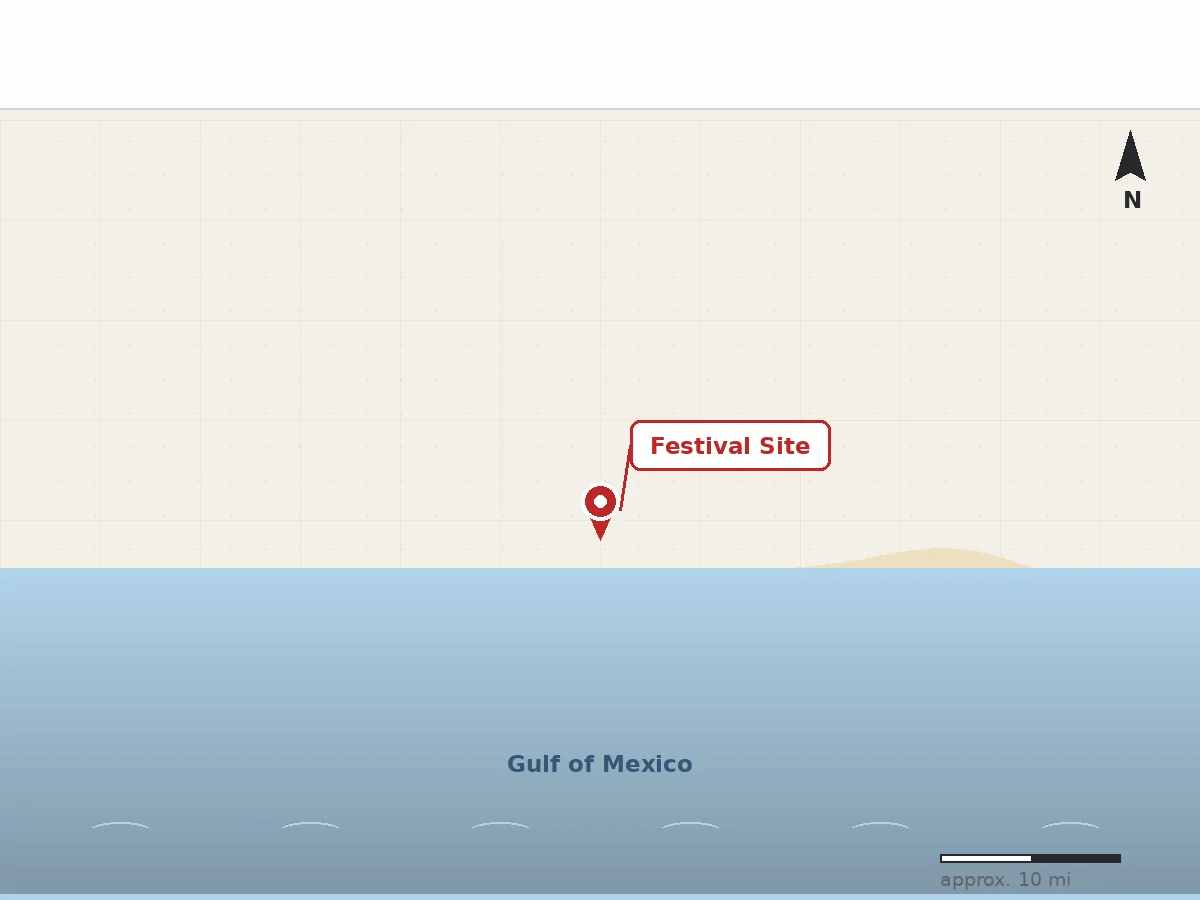
The fall drive is countywide rather than fixed to one address, and most visitors orient themselves from Lewistown, the Fulton County seat, before fanning out along the valley roads.
Spoon River Valley Scenic Drive: Visitor Questions
Is the Spoon River Valley Scenic Drive free to attend?
Yes. There is no gate fee to drive the route. You pay only for what you choose to buy — food, crafts, produce — and for any individual site that sets its own charge. Cash is useful at the smaller stands.
How long does the full route take?
Driving the whole county in one day is possible but not enjoyable. Most returning visitors split the route across two days, covering one stretch per day with time to actually get out of the car. Budget a full weekend if you want to see it properly.
Do I need to start in a particular town?
No. The drive is self-guided, so you can join it wherever it suits you. That said, starting near Lewistown gives you the county seat, the courthouse square and an easy orientation before you head into the rural stretches.
Is the drive still worth it in wet weather?
Often, yes — rain thins the crowds and softens the color. The trade-off is muddy parking and slick gravel, so wear boots and skip stops with unpaved lots if your car struggles. Fog along the river usually lifts by mid-morning.
Looking Ahead to Future Spoon River Valley Autumns
The Scenic Drive’s future looks like its past: local, volunteer-driven and spread across the county rather than concentrated in one place. As small communities look for ways to bring people in without losing what makes them worth visiting, a free self-guided route through real towns and working farmland is a durable idea. Expect the same rhythm — a couple of October weekends, dozens of independent stops, and a route you never quite finish.
Last updated: October 2026
If you go, go slower than you think you should. The Spoon River valley does not reward efficiency; it rewards a full tank, an empty afternoon, and the willingness to pull over for a sign that says pie.