Cook County Illinois Chicago Latino Film Festival

Spring in Cook County has its own rhythm: the lakefront sheds its winter quiet, patios reopen, and for a stretch of weeks the Chicago Latino Film Festival turns the region’s screens toward stories from across the Spanish- and Portuguese-speaking world. The season and the setting do much of the work here. A festival watched in spring light, in a city of neighborhoods, feels nothing like one watched in a convention hall in deep winter.
The festival is not confined to a single address. It moves through cinemas, cultural centers, and community venues across a county that covers 1,635 square miles and counts more than five million residents, with Chicago as its seat. A single day might take you from a downtown screening to a neighborhood arts space, and back again for a late conversation with a visiting director.
Cook County Essentials for the Chicago Latino Film Festival
| Town or area | Chicago and the wider Cook County area |
| County | Cook County, Illinois |
| County seat | Chicago |
| Population | 5,275,541 (Cook County) |
| Region | Northeastern Illinois, along Lake Michigan |
| Typical timing | Spring, most often across April |
| Admission | Varies by screening; some public programs are free |
| Setting | Urban cinemas, cultural centers, and neighborhood venues |
| Features | Features, documentaries, shorts, Q&As, receptions |
| Organizer | Latino arts and film organizations based in Cook County |
A Spring Cinema Season Rooted in Cook County
At its core, the Chicago Latino Film Festival is a showcase of feature films, documentaries, and short works by Latino filmmakers from the United States, Latin America, Spain, and beyond. Programming typically runs over several weeks in spring, most often in April, with screenings scheduled in the evenings and on weekends so that working audiences can actually attend.
Cook County is a fitting host. The county takes its name from Daniel Pope Cook, and its seat, Chicago, has long been a destination for Latino families from Mexico, Puerto Rico, Cuba, Colombia, Ecuador, and elsewhere. The festival mirrors that map: the films arrive from many countries, but the audience is local, and the conversations that follow screenings are shaped by life in Illinois.

How Latino Film Found Its Chicago Audience
Chicago’s Latino communities grew steadily through the twentieth century, settling in neighborhoods such as Pilsen, Little Village, Humboldt Park, and Logan Square, and later spreading into suburbs including Cicero, Berwyn, and Melrose Park. Cultural institutions followed the population — theaters, galleries, music venues, and film programmers who understood that audiences wanted to see themselves reflected on screen.
For another look at how a community turns its own traditions into a gathering, see the Cook County Illinois Chicago Jazz Festival for a useful comparison.
Out of that momentum came a festival devoted to Latino cinema, one that treated film as both an art form and a community gathering. Over the decades it expanded from a modest slate of screenings into a multi-week event with premieres, retrospectives, shorts programs, and visiting filmmakers, while keeping its ties to neighborhood organizations and local audiences.
The festival’s history is also a history of Chicago’s screens. Downtown theaters, university auditoriums, and independent cinemas have hosted programming at different points, which is why the event has never felt anchored to one building. Its real anchor is the calendar — spring — and the county it serves.
What a Festival Week Feels Like Across Chicago
Expect a schedule that rewards planning but still leaves room for spontaneity. Screenings cluster into themed blocks — new features, documentaries, shorts, retrospectives — and many are followed by a discussion. Weeknights tend to be quieter, weekends busier, and the closing days of the run usually carry the most energy.
Food and the Tables Around the Screenings
Food is part of the festival’s social fabric. Receptions and post-screening gatherings often feature dishes from across Latin America, and the neighborhoods hosting events put taquerias, panaderías, Cuban cafés, and Puerto Rican kitchens within walking distance of the venue. Arriving early for a bite before a screening, or lingering after one, is a perfectly normal way to spend a festival evening.
Music, Conversations, and Off-Screen Programming
Music and talk run alongside the films. Live performances, DJ sets, and opening receptions appear on many festival calendars, and question-and-answer sessions with directors, actors, and programmers are a signature of the event. These conversations are often bilingual and frequently drift into questions about migration, family, and what it means to make films far from home.
Screenings for Families and Young Viewers
Not everything is aimed at adults. Short-film showcases and animation programs give younger viewers a way in, and family-friendly titles are generally scheduled earlier in the day. For parents, the practical advantage is a festival that can be shared: a matinee with the kids, dinner nearby, and an evening screening for whoever still has energy left.
Planning Your Days Around the Cook County Screenings
Because the festival is spread across multiple venues, planning matters more than it would for a single-site event. The good news is that Cook County is unusually well connected: trains, buses, and the Chicago street grid make it possible to attend several screenings in one day without a car.
Getting There by Train, Bus, and Foot
Most visitors reach festival venues through Chicago’s rail and bus network, which links downtown, the neighborhoods, and many inner suburbs. Regional rail lines serve outlying Cook County communities, and the grid of arterial streets is friendly to buses and bicycles. If you are driving in from beyond the county line, plan your route around the venue rather than around the city center.
Where to Stay for a Multi-Day Festival Visit
Downtown hotels put you closest to the largest concentration of screenings and to transit. Stays in neighborhoods such as Pilsen, Logan Square, or Wicker Park trade convenience for character. Suburban Cook County options near rail stations work well for travelers who want quieter evenings and easier parking.
Parking and Neighborhood Logistics
Parking exists, but it varies sharply by neighborhood. Downtown garages are expensive and often full on weekend evenings, and some residential blocks use permit systems, so read signage carefully before leaving the car. If a venue sits near a train station, transit is usually the simpler choice.
Tickets, Passes, and What Things Cost
Admission varies by event. Individual screenings are typically ticketed, while some public programs, panels, and receptions are open at no charge. Festival passes, when offered, can lower the per-film cost for anyone planning to attend several screenings. Check the current schedule for specifics before you commit to a plan.
Spring Weather Along the Lake
Spring in Cook County is unpredictable: mornings can be cold, afternoons mild, and lake-effect wind can make a short walk feel far longer than it looks on a map. Layers, a compact umbrella, and comfortable shoes are the standard kit. Rain rarely cancels screenings, but it can slow traffic and transit, so build a buffer into your day.
A Sample Spring Weekend at the Festival
Start Friday evening with a screening downtown, ideally one followed by a reception. Arrive early, walk a few blocks for dinner, and let the first night stay loose — you are learning the rhythm of the schedule rather than trying to conquer it.
Saturday is the big day. Catch a shorts program in the late morning, grab lunch in a nearby Latino neighborhood, then take in an afternoon documentary and an evening feature with a director Q&A. If the festival has a late show, this is the night to stay out for it.
Sunday slows down. A family-friendly matinee, a panel discussion, and a final feature before the weekend closes. Leave time for a walk along the lakefront or through a mural-lined block — the setting is part of the experience, and the festival is designed to be lived around, not just sat through.
How the Festival Sits Beside Other Cook County Events
Cook County’s cultural calendar is crowded, and the film festival occupies a distinct slot. Autumn brings the city’s larger international film event, a broad survey of world cinema that draws big crowds and long queues. Summer belongs to street festivals, including Pilsen’s Fiesta del Sol, where food, music, and neighborhood pride take center stage.
Set against those, the Latino film festival is smaller in footprint but deeper in focus. It is more curated than a street fair and more rooted in a specific cultural tradition than a general world-cinema program. And unlike a single-neighborhood event, it uses the whole county as its venue map — more itinerary, less crowd.
A Festivalgoer’s Checklist for Cook County
Before you go: bookmark the schedule and note which venues repeat; buy tickets early for weekend and evening screenings; load a transit card or app; check whether your chosen venue sits near a train line; pack layers and an umbrella; carry a portable charger for long days; confirm start times the morning of, since festival schedules can shift; and leave one open slot in your plan for a film you know nothing about. The unplanned screening is often the one you remember.
Beyond the Screenings: Cook County After the Credits
The festival is a good excuse to explore the county rather than just pass through it. Pilsen’s mural-lined streets and galleries, Little Village’s bakeries and taquerias, and the lakefront paths north and south of downtown all sit within reach of festival venues. So do the city’s major museums, the riverwalk, and the parks that line the water.
Suburban Cook County rewards a slower detour too: historic downtowns, ethnic groceries, and quiet rail-station squares that give a different picture of the region than the skyline does. If you have a free afternoon, pick a neighborhood you have never walked and go.
Latino Cinema and Community Life in Cook County
For Cook County’s Latino residents, the festival is more than a film series. It is a rare stretch of weeks when stories from their countries of origin and from their own neighborhoods share the same marquee, and when a first-time filmmaker can stand in front of an audience that understands the references without translation.
That matters in a county of more than five million people, where Latino communities are large, varied, and often separated by distance. The festival gives them a shared calendar. It also gives non-Latino audiences a reason to sit in those same rooms — which is, quietly, the whole point.
Where the Chicago Latino Film Festival Unfolds
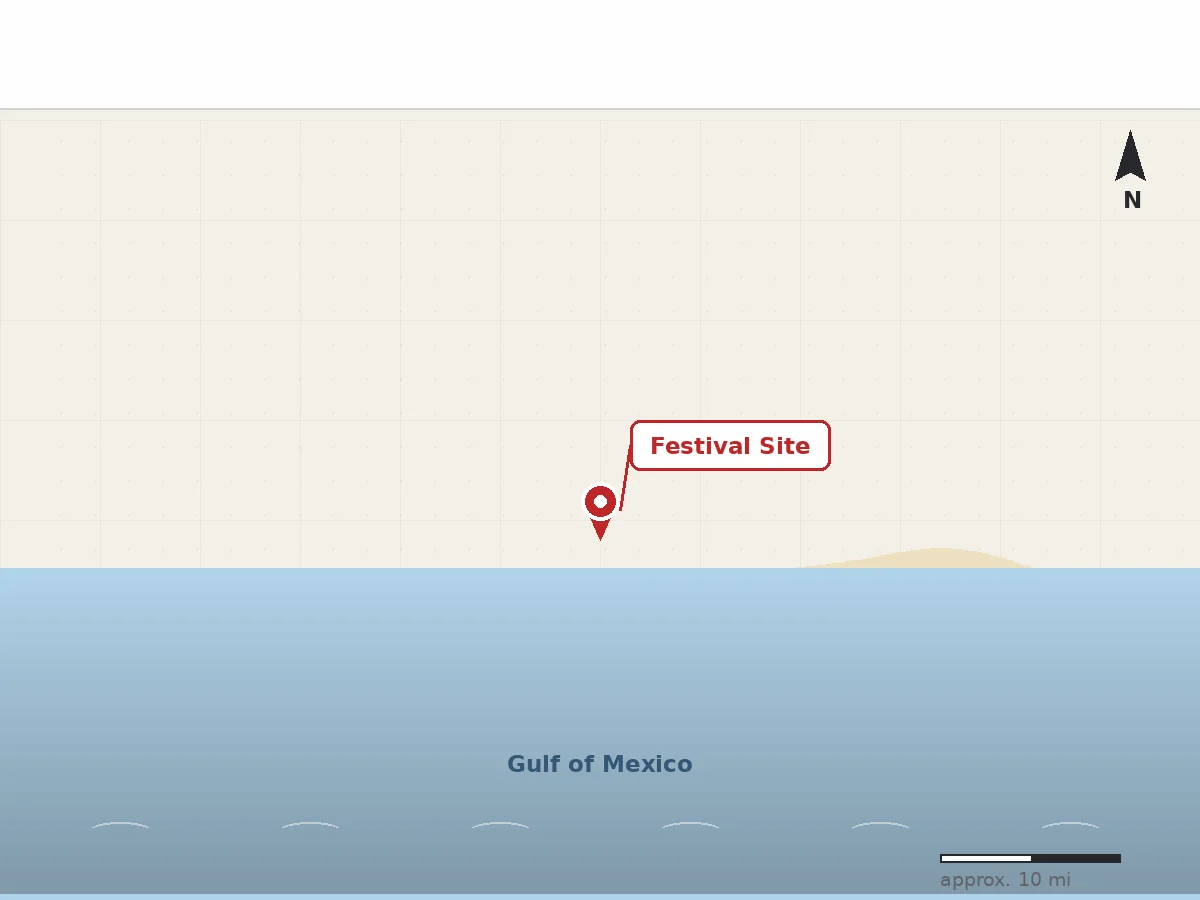
Screenings take place at venues across Chicago and the wider Cook County area, with downtown and neighborhood sites linked by the region’s rail and bus network.
Answers for First-Time Festivalgoers
When does the Chicago Latino Film Festival usually take place?
It is a spring festival, most often running across April and typically spanning several weeks. Screenings are concentrated in the evenings and on weekends, with some daytime programming, so the exact shape of any given year depends on the published schedule.
Do I need to buy tickets in advance?
For most individual screenings, yes — advance tickets are the safest route, especially for weekend evenings and any showing with a visiting filmmaker. Some public programs and receptions are free and open to the community, and passes may be available for people attending multiple screenings.
Is the festival only in downtown Chicago?
No. Programming has historically moved between downtown cinemas and venues in the neighborhoods and wider Cook County area. That spread is a feature rather than a flaw: it lets audiences watch films closer to home and gives the festival a countywide footprint.
Can I attend if I don’t speak Spanish or Portuguese?
Yes. Non-English films are generally presented with English subtitles, and the program usually includes English-language work as well. Discussions and Q&A sessions are often bilingual, so there is no barrier to walking in curious and leaving with a new favorite director.
The Next Chapter for Latino Cinema in Cook County
The festival’s future looks a lot like its present: a spring gathering that leans on neighborhood venues, bilingual audiences, and filmmakers willing to travel for a conversation. As Cook County’s Latino population continues to diversify — with newer arrivals from Central America, the Caribbean, and South America joining longer-established communities — the programming has room to widen with it.
The challenges are familiar ones for cultural events everywhere: rising venue costs, competition for attention, and the logistics of moving an audience across a large county. The opportunity is equally clear. Few regions can claim an audience this broad, this bilingual, and this ready to show up for a film that might otherwise never screen here.
Last updated: October 2026
If you plan a trip around the Chicago Latino Film Festival, plan it around spring — and plan it around the county, not just one theater. Book a few screenings, leave a few hours open, and let the neighborhood you end up in become part of the story. That is how this festival has always worked best in Cook County.