Clay County Indiana 4-H Fair Festival
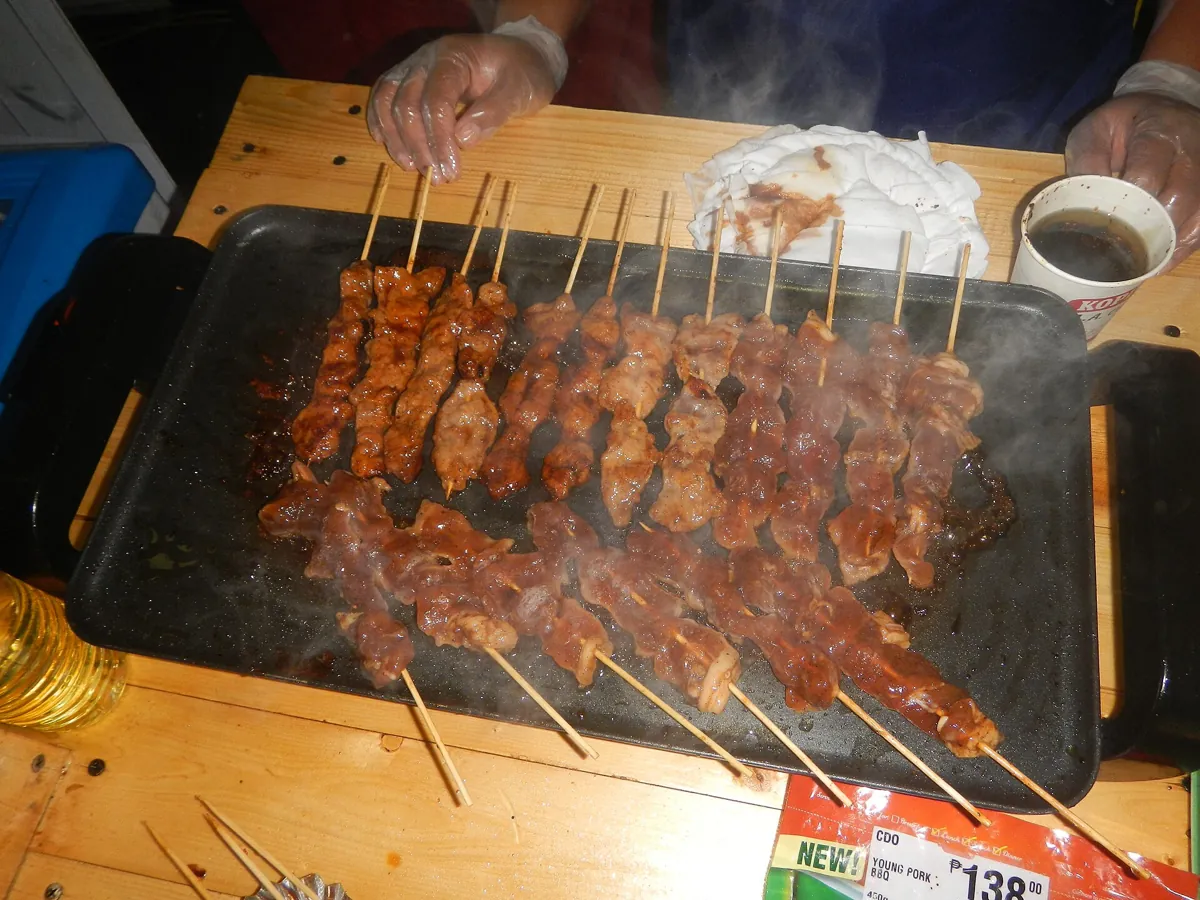
Long before the first ride starts spinning, the Clay County Indiana 4-H Fair announces itself by smell. Pork tenderloins hit hot oil, kettle corn drifts across the midway, and somewhere near the show barn a food stand is already slicing tomatoes for the lunch rush. In a county of 26,466 people spread across 360.32 square miles, this is the week when the fairgrounds become the busiest place in Clay County.
The fair belongs to 4-H families first — the kids who raise hogs, dairy cattle, rabbits and poultry, then show them in front of judges, neighbors and grandparents. But food is what pulls in everyone else, and the two are tangled together. Money spent at the food booths helps fund the same youth programs the exhibitors spend all year working toward, which makes a second corn dog feel almost civic.
Fast Facts for Clay County 4-H Fair Visitors
| Town / place | Clay County area, with fair activity centered on Brazil, the county seat |
| County | Clay County, Indiana |
| County seat | Brazil |
| Population | 26,466 countywide |
| Region | West Central Indiana, Wabash Valley |
| Typical timing | A week in July in most years, usually spanning a weekend |
| Admission | Typically free to enter the grounds; food, rides and some grandstand events cost extra |
| Setting | A county fairground with show barns, exhibit space, a grandstand and open ground for midway rides |
| Features | 4-H livestock shows, static project exhibits, carnival rides, fair food stands, grandstand entertainment |
| Organizer | Clay County’s 4-H program, carried by volunteers and local sponsors |
Inside Clay County’s 4-H Fair: Livestock, Projects, and Fair Food
A 4-H fair is a working fair. Cattle, swine, sheep, goats, rabbits and poultry arrive in trailers through the week, each animal tied to a young person who has spent months on feed schedules, grooming and record books. Alongside the barns, exhibit halls hold the quieter projects: canned vegetables, breads, cakes, photography, woodworking, sewing, garden produce and posters. Judges move down the tables with clipboards while families hover a polite distance away.
The food side of the fair has two halves. There are the commercial stands — the trailers and tents that follow the Indiana fair circuit — and there are the 4-H and community booths, where proceeds go back to clubs and county programs. Many visitors come for the shows and stay for the stands, and the rhythm of the day is set by both: morning judging, an afternoon lull, then a rush at the dinner hour before the grandstand fills for the evening.
For anyone from outside Clay County, the appeal is simple. This is a genuine county fair rather than a staged attraction, and it happens in the same place, at the same time of year, for the same reasons it always has: young people, farm animals, and a community that turns out to watch.
For another look at how a community turns its own traditions into a gathering, see the Clay County Illinois Louisville Fall Festival for a useful comparison.
A Short History of the Clay County 4-H Fair in Brazil, Indiana
Clay County was organized on February 12, 1825, with Brazil established as the county seat. Like most of west-central Indiana, its early economy ran on timber, grain, livestock and the railroads that crossed the Wabash Valley. County fairs in this part of the state grew out of nineteenth-century agricultural societies, which existed to compare crops, trade breeding stock and give farm families a reason to gather after harvest or in the middle of summer.
The 4-H movement changed what those gatherings looked like. When club work took hold in Indiana in the early twentieth century, county fairs gained a new center of gravity: young exhibitors. Over the decades, the Clay County fair became less about prize livestock alone and more about the whole arc of a 4-H year — the project book finished in June, the animal halter-broken in the spring, the pie that either sets or doesn’t.
What has stayed constant is the structure. Barns, an exhibit hall, a show ring, a grandstand, and rows of food stands doing steady business from open to close. The county’s population of 26,466 is small enough that a fair week still functions as a reunion. Alumni come back to watch nieces and nephews show; grandparents claim the same seats in the bleachers they have used for years.
Tasting Your Way Through the Clay County 4-H Fair
Food is the through-line of a fair day in Brazil. Here is how the eating tends to go, from the gate to the grandstand.
Fair Food in Brazil: Tenderloins, Funnel Cakes, and 4-H Booths
The breaded pork tenderloin is the unofficial state sandwich, and at an Indiana county fair it is the standard by which a stand is judged — pounded thin, fried to order, wider than the bun. Around it you will find the full fair canon: corn dogs, elephant ears, funnel cakes, hand-cut fries, lemon shake-ups, soft-serve, walking tacos and nachos. Club and community booths usually offer something closer to a church supper — sloppy joes, pulled pork, pies by the slice, sometimes a breakfast. Portions are generous, prices are fairground prices, and cash still moves faster than anything else at the busiest hours.
Grandstand Music and Evening Entertainment in Clay County
Evenings shift the fair into a different gear. Grandstand programming at a county fair of this size typically mixes local and regional acts — country, classic rock and cover bands — with livestock auctions, tractor and truck pulls, demo derbies and pageants. The midway rides run after dark, when the lights matter more than the heat. Evenings are also when the food lines are longest, so it pays to eat early and claim a seat before the announcer starts.
Family Activities Beyond the Food Line
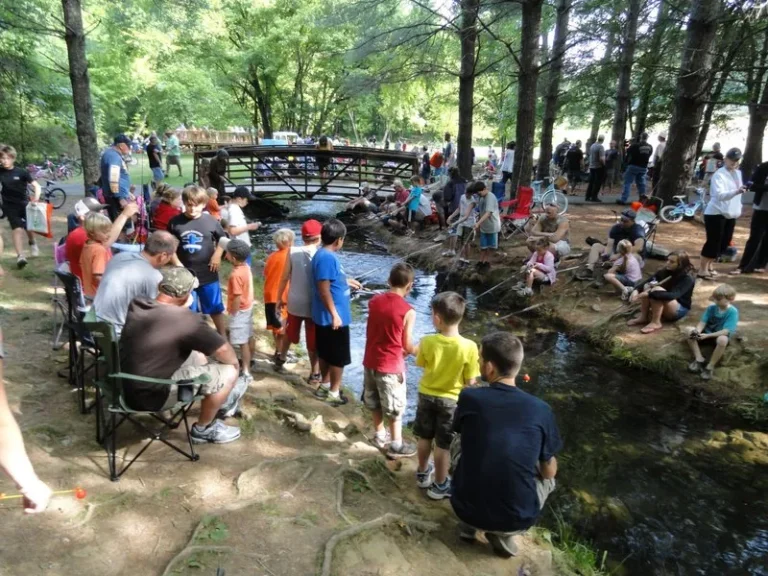
For families with small children, the fair splits neatly into three zones: the barns, where kids can watch animals being washed and brushed; the exhibit hall, where the baked goods and crafts are displayed; and the midway, which is the expensive part. Between them are the free pleasures — the petting areas, the tractor displays, the benches where grandparents park for the afternoon. Strollers handle the grounds reasonably well, though barn aisles get crowded during show times.
Planning a Fair Day in Clay County, Indiana
A little planning goes a long way at a county fair, especially in July heat. These are the practical pieces worth sorting out before you drive over.
Getting to the Clay County Fairgrounds
Brazil sits in the middle of Clay County, roughly an hour west of Indianapolis and a short drive north of Terre Haute. Most visitors arrive by car on state and county roads, and signage near town points the way to the fairgrounds during fair week. If you are coming from out of the area, treat the county seat as your landmark and follow the traffic — fair week is the one time of year when everyone in the county is heading the same direction.
Where to Stay Near Brazil, Indiana
Lodging in the immediate Clay County area is limited, so many out-of-town visitors base themselves in Terre Haute to the south or in the Indianapolis area to the east and make the drive in. Campers and exhibitor families often stay on or near the grounds for the week. Book early if your visit lands on a weekend, and confirm your plans directly with any property before you commit.
Parking Around the Clay County 4-H Fair
Fairground parking is generally on-site or in adjacent grass lots, with volunteers directing traffic during the busiest hours. Arrive before the dinner rush if you want an easy spot, and expect a short walk from the outer lots. Wear shoes you do not mind getting dusty — or muddy, if a summer storm has rolled through.
Admission, Food Budget, and What Things Cost
Admission to the grounds at fairs like this is typically free, with money spent instead on food, rides, games and certain grandstand events. That model makes the fair easy to sample: you can walk the barns and exhibit hall for nothing and decide on the spot how much midway you want. Bring cash for the smaller booths, and set a rough per-person food budget before the kids see the funnel cake sign.
Clay County Weather and the Best Time of Day
July in west-central Indiana means heat, humidity and the chance of an afternoon thunderstorm. Mornings are the most comfortable window for the barns and the exhibit hall; evenings are best for the midway and grandstand. Bring water, sunscreen and a hat, and keep an eye on the sky — fairgrounds clear quickly when lightning is nearby.
A Sample Fair Weekend in Brazil, Indiana
Friday evening: arrive an hour before the dinner rush, walk the exhibit hall while it is quiet, then eat. Tenderloin for one, corn dog for the other, lemon shake-up to share. Spend the post-dinner hour in the barns as exhibitors bed down animals for the night, then take a lap through the midway before the grandstand event begins.
Saturday morning: come back early for livestock judging. This is the fair at its most authentic — kids in white shirts, parents with brushes and spray bottles, judges working the ring. Breakfast from a club booth, then the exhibit hall to see which cakes earned ribbons. Afternoon: retreat from the heat, return around four, and eat before the lines form.
Saturday night: grandstand entertainment, then a final walk past the food stands on the way out. Sunday: a shorter visit for the auction or the last shows, a slice of pie, and a slow loop through the grounds before the trailers start pulling out.
Clay County’s Fair Beside Nearby Indiana Festivals
Clay County’s fair is one of several summer and fall traditions within an easy drive. The Vigo County Fair in Terre Haute, just to the south, is the larger neighbor — more vendors, more grandstand nights, and a bigger midway. The Putnam County Fair near Greencastle to the east runs on a similar 4-H model and a similar schedule of barns, exhibits and food stands.
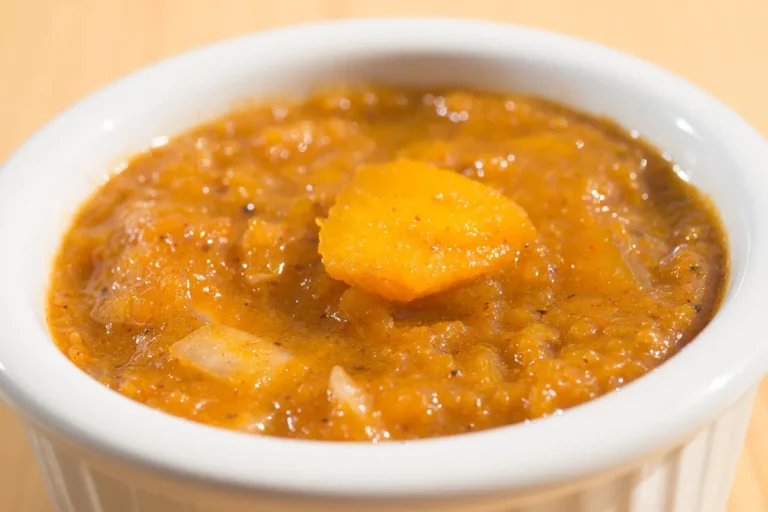
Fall brings a different kind of draw: the Covered Bridge Festival centered in neighboring Parke County, which trades livestock barns for craft booths, antique stalls and long country drives. Where the Clay County 4-H Fair is about youth exhibitors and a single week of community turnout, the fall festival circuit is about tourism and leaf season. If you love fair food, both are worth your calendar — one for the tenderloin, the other for the apple butter.
What to Pack for a Clay County 4-H Fair Day
Comfortable closed-toe shoes, because barn aisles and gravel lots punish sandals. A refillable water bottle. Sunscreen and a hat for the afternoon, a light jacket for the evening. Cash in small bills for food stands and games. A tote bag for anything you buy from the exhibit hall or vendors. A phone charger or battery pack, since fair days run long.
Leave the pets at home — animals at a livestock fair are working animals, and the grounds get hot. If you are visiting with children, agree on a meeting point near the main gate in case anyone wanders toward the rides. And bring patience for parking on Saturday night; it is the busiest hour of the entire week.
Beyond the Fairgrounds in Clay County, Indiana
Once the fair is over, Clay County is still worth an afternoon. Brazil, the county seat, has a traditional downtown courthouse square and the kind of small-town main street where a diner breakfast is the main event. The county’s 360.32 square miles are mostly farmland, which means country roads, farm stands in season, and long views that make the drive part of the outing.
Pair a fair visit with a wider loop through the Wabash Valley: Terre Haute to the south for restaurants and shopping, or the covered bridge country to the north in autumn. Within Clay County itself, the pleasure is quieter — a drive past fields and small communities, a stop for pie, and a reminder that this part of Indiana still runs on the rhythms of planting, showing and harvest.
Why the Clay County 4-H Fair Still Matters
In a county of 26,466 people, a fair week is a shared calendar event in a way that few things are anymore. It is where a nine-year-old learns to speak to an adult about a rabbit, where a teenager learns that a project is judged on the work and not the excuse, and where a community that is spread across 360.32 square miles actually sees itself in one place.
The food matters more than it looks. Booth sales fund club activities, scholarships and next year’s supplies. Every elephant ear bought by someone with no connection to 4-H still ends up supporting the program that put the kid in the ring. That is the quiet economy of a county fair, and it is why the stands keep coming back.
Where the Clay County 4-H Fair Is Held
The fair takes place at the Clay County fairgrounds in the Brazil area, in the heart of Clay County, Indiana.
First-Timer Questions About the Clay County 4-H Fair
Is the Clay County 4-H Fair free to attend?
Admission to the grounds is typically free, as it is at many Indiana county fairs. You pay for what you choose to do once inside: food, carnival rides, games and some grandstand events. That makes it easy to visit for an hour, walk the barns and the exhibit hall, and spend nothing at all.
When is the Clay County 4-H Fair usually held?
In most years the fair runs for about a week in July, usually spanning a weekend. Because the schedule is set annually, check the current year’s dates before you plan travel, especially if you want to catch a specific livestock show or grandstand night.
Can visitors buy food if they are not 4-H families?
Yes. The food stands are open to everyone on the grounds, and for many people in Clay County the fair is simply where they go to eat in July. Expect classic fair fare alongside club booths selling simpler, homier food. Bring cash for the smaller stands.
Is the fair suitable for young children?
It is, with a little planning. Mornings are cooler and calmer, the barns are endlessly interesting to small kids, and the midway has rides sized for them. Keep an eye on the heat, bring water, and set a meeting point near the gate before anyone heads off toward the games.
What’s Next for the Clay County 4-H Fair
County fairs across Indiana are adapting rather than fading. Expect the Clay County 4-H Fair to keep leaning on what works: youth exhibitors at the center, food stands that fund the program, and grandstand nights that give the week its evening pulse. Volunteer recruitment and sponsorship remain the practical concerns for a fair of this size, as does the July weather that can make or break a single night’s attendance.
The broader trend favors fairs that feel local.
Last updated: October 2026
Come for the tenderloin, stay for the show ring. The Clay County Indiana 4-H Fair is a July week of fried food, fresh ribbons and familiar faces in Brazil, and it rewards anyone willing to slow down, eat standing up, and watch a county do what it has done every summer since the first trailers pulled in.

One Comment