Adams County Indiana Adams County Fair Festival
The Adams County Fair is the kind of summer event that quietly organizes an entire corner of northeast Indiana. If you have never been — whether you are driving over from Decatur, passing through on a road trip, or tagging along with a friend who grew up showing livestock — a little advance orientation makes the day smoother and considerably more fun. This guide covers what the fair actually is, how it fits into Adams County life, and how to plan a first visit without guesswork.
Adams County Fair Basics: Town, Timing, and Setting
Here is the short version for anyone who wants the essentials before reading on.
| Town / area | Adams County area, Indiana |
| County | Adams County, Indiana |
| County seat | Decatur |
| Population and land area | 35,809 residents across 339.97 square miles |
| Region | Northeast Indiana |
| Typical timing | Mid-to-late summer, over several consecutive days |
| Admission | Generally free, with charges for rides, food, and some grandstand events |
| Setting | Outdoor fairgrounds in the Adams County area |
| Signature features | Livestock shows, 4-H exhibits, midway rides, grandstand entertainment, fair food |
| Organizer | Local fair board and volunteers from across Adams County |
What the Adams County Fair Really Is
At its core, the Adams County Fair is a traditional county fair with an agricultural heart. It runs for several days in the Adams County area of northeast Indiana, with Decatur — the county seat — serving as the nearest anchor town. The county was founded in 1836 and spreads across 339.97 square miles of mostly flat farmland, and that landscape is precisely what a fair like this was built to celebrate.
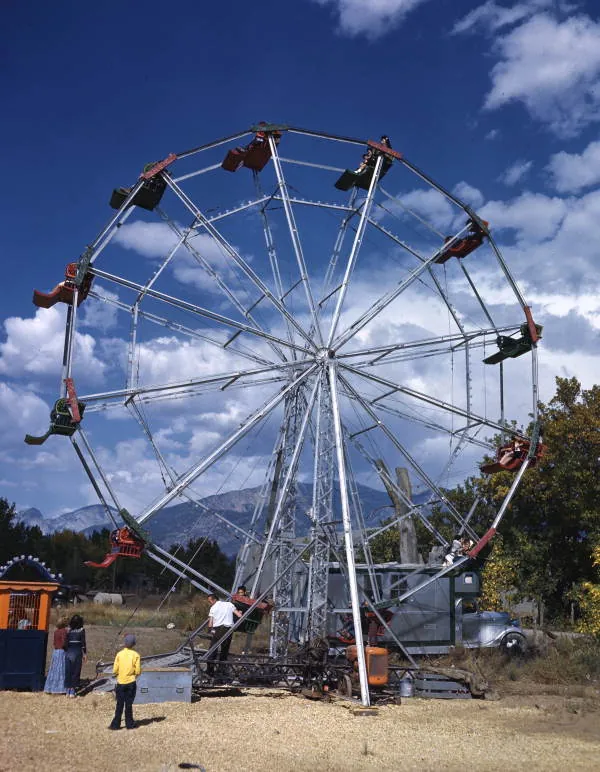
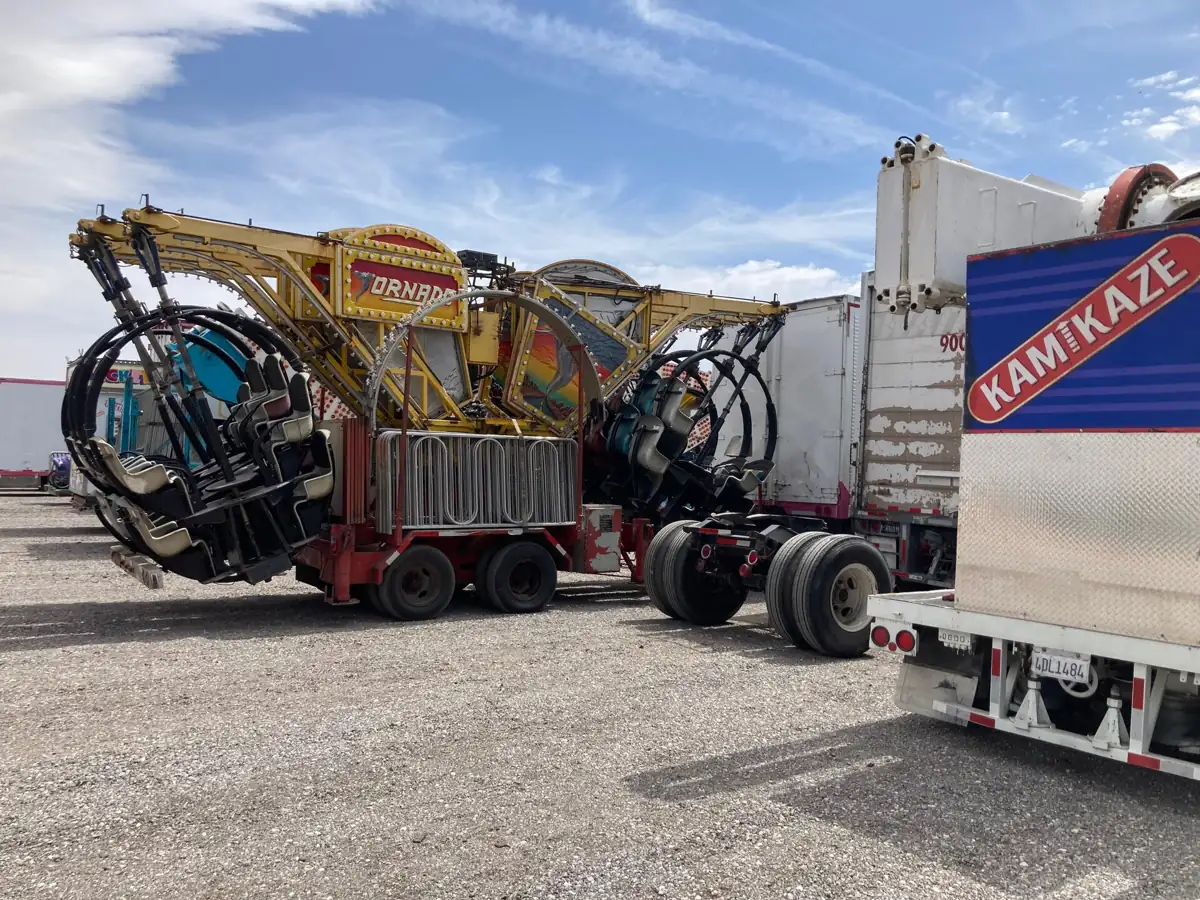
Expect the fairgrounds to feel like a small temporary town. Barns hold livestock, exhibit halls display everything from garden vegetables to school art, and a midway, a grandstand, and a long row of food trailers fill out the rest. The scale is human: you can walk the whole grounds in an afternoon, then return in the evening for a completely different atmosphere.
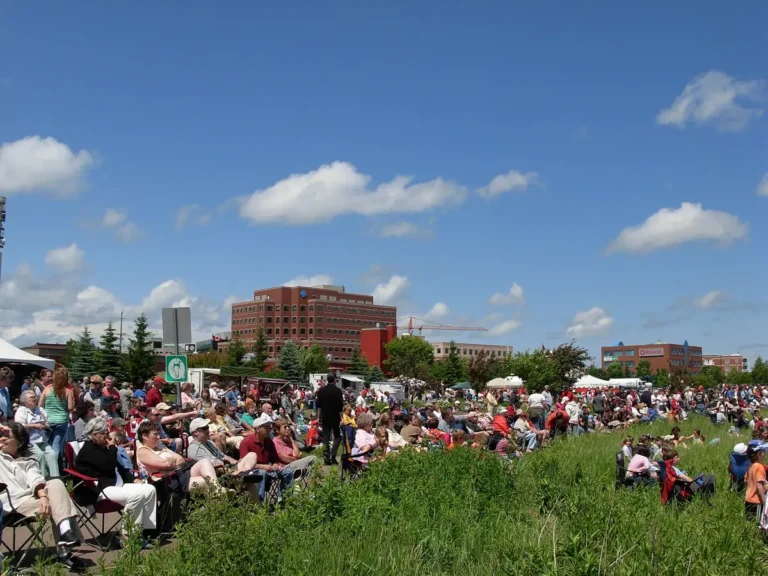
First-timers sometimes arrive expecting a large commercial music festival and are pleasantly surprised by what they find instead. This is a community fair where neighbors work the gates, local kids show animals they raised themselves, and the conversation in the bleachers is as much a part of the experience as whatever is happening in the ring. Wear comfortable shoes, bring cash for smaller vendors, and plan to stay longer than you intended.
For another look at how a community turns its own traditions into a gathering, see the Meriwether County Georgia Fall Festival for a useful comparison.
How Adams County’s Fair Tradition Took Shape Since 1836
Adams County was organized in 1836, with Decatur chosen as the county seat. Farming has shaped daily life across its 339.97 square miles ever since, and the county’s population of 35,809 still clusters around small towns and rural townships rather than one dominant city. A county fair makes obvious sense in a place like this.
Indiana’s county fairs grew out of nineteenth-century agricultural societies, where farmers gathered to compare crops, cattle, and equipment and to swap the practical knowledge that made the next season better. The Adams County Fair belongs to that long tradition. Its early decades would have looked familiar to any farm family of the era: judging rings, harness racing, produce displays, and a great deal of visiting.
As the twentieth century progressed, fairs across the state layered on new attractions. Youth organizations brought structured exhibits and competitions for young people, grandstands began hosting concerts and motorsports, and midway rides turned an agricultural gathering into a full family outing. The Adams County Fair followed that same arc, adding entertainment without abandoning the barns and exhibit halls that give a county fair its purpose.
Today the fair sits at the intersection of those eras. You can watch a young exhibitor walk a calf into the ring in the afternoon and hear a band from the grandstand the same night — an old tradition and a newer one sharing the same ground.
The Rhythm of a Fair Day in Adams County
A fair day has a shape to it, and first-timers get more out of a visit by working with that rhythm rather than against it. Mornings belong to exhibitors and judges. Afternoons fill with families. Evenings bring the biggest crowds, the loudest grandstand, and the longest food lines.
Fair Food and the Local Stands Worth Planning Around
Fair food is its own category of eating. Expect the classics — breaded pork tenderloins, corn dogs, funnel cakes, elephant ears, lemon shake-ups, and hand-dipped ice cream — alongside church groups and local organizations running stands that fund their work for the rest of the year. Those booths are often where the best food and the best value overlap. Lines are shortest mid-afternoon and longest right after the evening grandstand lets out, so if you have a specific stand in mind, go early.
Grandstand Music, Pulls, and Evening Entertainment
Evenings are when the fairgrounds hit full volume. Grandstand programming typically includes live music, tractor and truck pulls, and demolition-style events, and the crowd is a mix of locals who never miss a night and visitors who came specifically for the show. Seating usually opens before the event begins, and popular nights fill up. If you want a good spot, arrive early, claim a seat, and use the wait to eat.
Family Activities, 4-H Exhibits, and Space for Kids
Families tend to gravitate toward the exhibit halls and barns first. Youth exhibits are the heart of any county fair, and the range is wider than newcomers expect — photography, baking, woodworking, livestock, and small-animal projects all under one roof. Midway rides and games handle the energy budget afterward. Strollers work fine on most of the grounds, though gravel and grass can be a workout, and the barns are warm in the middle of the day.
Planning Your First Visit to the Adams County Fairgrounds
Most of what makes a first visit go smoothly comes down to timing, transportation, and a little preparation. None of it is complicated.
Getting There from Decatur and Nearby Towns
Decatur, the county seat, is the natural reference point for anyone heading to the fair, and most visitors arrive by car from communities across Adams County and neighboring counties. Roads into the area are rural two-lane highways, so allow extra time on fair evenings when traffic slows near the entrances. If you are coming from out of town, build your route around a larger highway and expect the final stretch to be slower.
Where to Stay in and Around Adams County
Lodging in a rural county is limited, and fair week is the busiest stretch of the year for whatever exists. Options usually mean a small number of local motels plus short-term rentals in and around Decatur. Many visitors stay in a larger neighboring city and drive in. Book early if your dates are fixed, and consider staying twenty or thirty minutes out — the drive is easy and rates are often better.
Parking on a Busy Fair Evening
Expect designated fairground parking with attendants directing traffic, plus overflow areas once the main lots fill. Arriving before the evening rush is the single most effective parking strategy. Follow the signs and attendants rather than parking on nearby rural roads, and note where you parked — fairgrounds look very different after dark.
Admission, Ride Costs, and Cash on Hand
General admission to a county fair like this is typically free or very inexpensive, with costs concentrated in rides, food, games, and some grandstand events. Bring cash. Smaller vendors and volunteer booths may not take cards, and ATM lines at fairs are never short. If you are visiting with kids, agree on a ride budget before you walk through the gate.
Weather: Indiana Heat and Pop-Up Storms
Late summer in northeast Indiana means heat, humidity, and the occasional fast-moving thunderstorm. Dress in light layers, bring water, and use sunscreen even on cloudy afternoons. Have a plan for where to shelter if storms roll in — barns, exhibit halls, and grandstand structures are the usual gathering points — and check the forecast before committing to an evening outdoors.
A Sample First-Timer’s Weekend at the Adams County Fair
Day one, afternoon. Arrive a couple of hours before the evening rush. Walk the barns and exhibit halls while they are quiet, watch a judging session, and eat an early supper from a local stand before the lines build.
Day one, evening. Head to the grandstand for whatever is scheduled, or skip it and enjoy the midway while the crowds are elsewhere. Stay for the lights, then leave a little before closing to avoid the worst of the parking lot exit.
Day two, morning. Come back early for the livestock shows and youth exhibits. This is the part of the fair newcomers most often miss and later wish they had seen, and mornings are the coolest, calmest hours on the grounds.
Day two, evening. Use the second night for everything you skipped — games, dessert, a second look at an exhibit, or a conversation with a vendor. Two evenings give you a far better feel for the fair than one rushed visit ever will.
How the Adams County Fair Compares with Neighboring Fairs
Adams County sits in a cluster of rural Indiana counties, each with its own fair, and first-timers often wonder how they differ. The fair in neighboring Jay County, anchored by Portland, and the Wells County Fair around Bluffton both follow the same agricultural template — livestock, youth exhibits, a midway, grandstand nights — with their own local character and slightly different schedules.
Further north, Allen County’s fair near Fort Wayne runs larger, with more commercial attractions and heavier crowds. That size brings more entertainment options but also more traffic and less of the neighborly feel that defines a smaller fair. Adams County lands in the middle: substantial enough to fill a weekend, small enough that you will recognize faces by the second night.
The practical takeaway is that these fairs complement each other rather than compete. If your summer schedule allows, visiting two or three county fairs in the region shows how much local identity survives inside a shared tradition.
A First-Timer’s Checklist for Fair Day in Adams County
Pack light, but pack these.
| What to bring | Why it helps |
| Cash in small bills | Many vendors and volunteer booths are cash-first |
| Sunscreen and a hat | Afternoon sun on open ground is unforgiving |
| Refillable water bottle | Keeps costs down and everyone hydrated |
| Closed-toe shoes | Gravel, straw, and livestock areas |
| A light layer for evening | Temperatures drop once the sun goes down |
| An agreed meeting point | Groups split up quickly on busy nights |
| Portable phone charger | Long days drain batteries fast |
| A reusable tote bag | For exhibits, purchases, and giveaway items |
Beyond the Fairgrounds: Decatur and Rural Adams County
It would be a mistake to treat the fair as the only reason to visit. Decatur, the county seat, is a compact, walkable town with a courthouse square at its center and the kind of downtown that rewards an unhurried hour. Local restaurants, shops, and the surrounding countryside make a natural half-day extension of any fair trip.
Adams County covers 339.97 square miles, and most of it is farmland stitched together by county roads. Drive ten minutes in any direction from the fairgrounds and you are in open country — barns, soybeans and corn, small cemeteries, and crossroads communities with a church and a grain elevator. For visitors from cities, that landscape is an attraction in itself.
If you have time, pair the fair with a countryside drive at golden hour or a stop in a neighboring town on the way home. This region rewards slow travel.
What the Adams County Fair Does for a County of 35,809
In a county of 35,809 people spread across 339.97 square miles, the fair is one of the few events that genuinely brings everyone to the same place. It is where farm families and town residents, longtime locals and newcomers, and every generation in between cross paths in the same week.
The fair also does quiet, practical work. It gives young exhibitors a reason to finish a project, teaches responsibility through animal care, raises money for churches and civic groups, and hands local businesses a dependable stretch of summer trade. None of that shows up on a ride ticket, but it is the reason the fair has endured — and the reason it will keep going.
Where the Adams County Fairgrounds Sit
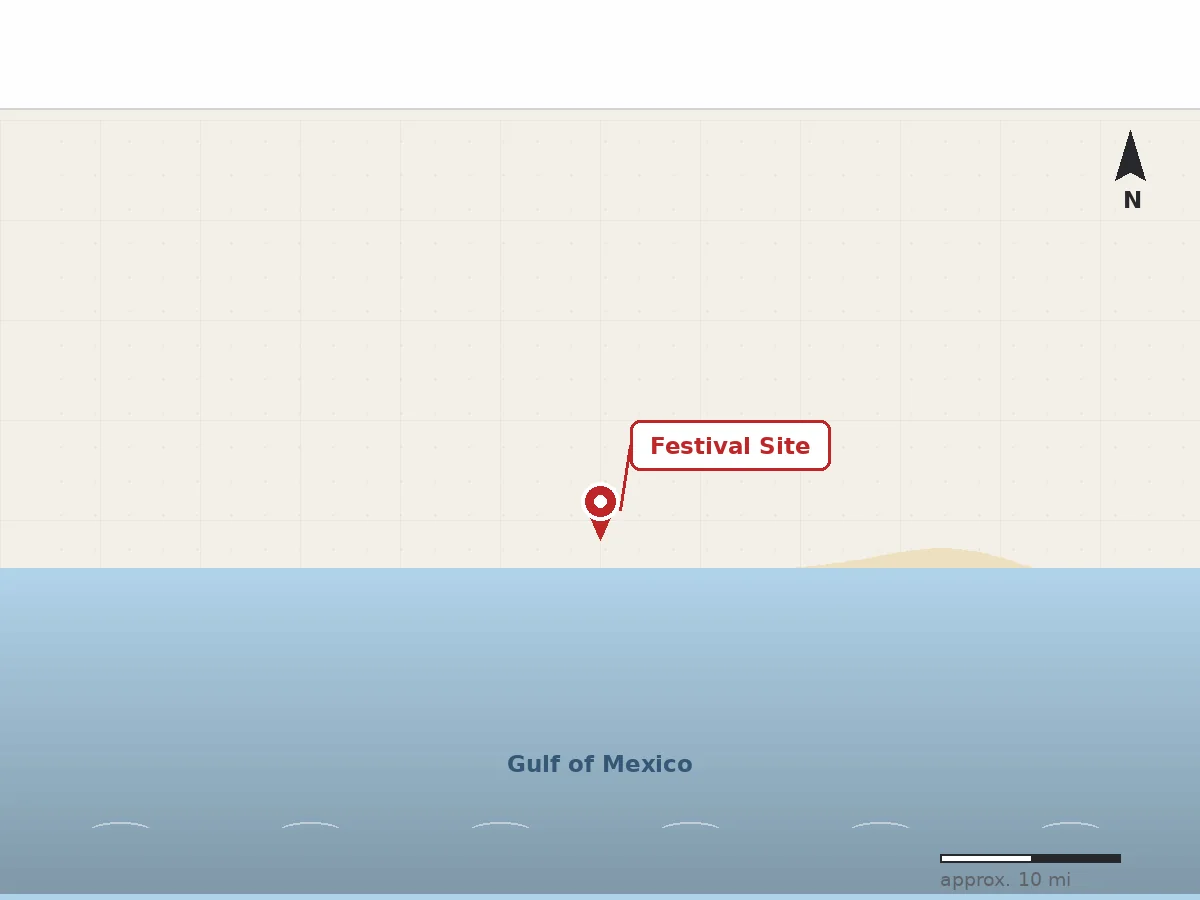
The Adams County Fair takes place on fairgrounds in the Adams County area of northeast Indiana, with Decatur — the county seat — as the closest anchor town and the easiest reference point for directions.
Answers for Adams County Fair Newcomers
Do I need to buy tickets in advance?
In most years, general admission does not require advance tickets, and you can simply arrive and walk in. Reserved or ticketed seating can apply to certain grandstand events, so if there is a specific show you care about, check local listings for that season before you go.
What time of year does the fair usually happen?
County fairs in this part of Indiana generally fall in mid-to-late summer, running over several consecutive days and usually including a weekend. Specific dates shift from year to year, so confirm the current schedule through local sources rather than relying on last year’s calendar.
Is the fair a good outing for young children and older visitors?
Yes. The pace is gentle, the grounds are compact, and seating is available throughout. Families with young children do best in the morning and early afternoon, when crowds are lighter and the barns are easier to navigate. Older visitors often prefer the exhibit halls and grandstand, which offer shade and a place to sit.
How much should I budget for a day at the fair?
That depends almost entirely on rides, games, and how much fair food you plan to eat. Admission itself is typically free or minimal. Setting a rough cash budget per person before you arrive is the simplest way to enjoy the evening without watching every purchase.
What the Next Seasons May Bring to the Adams County Fair
County fairs are conservative institutions by design — the livestock barns and exhibit halls are not going anywhere — but they do evolve. Recent years have pushed fairs across Indiana to broaden their entertainment lineups, improve accessibility, and find new ways to keep younger visitors engaged while preserving the agricultural core.
For the Adams County Fair, that likely means a continued balancing act: honoring a tradition that reaches back to a county founded in 1836 while making room for the tastes of a changing population. For first-timers, the advice is simple — go now, while the fair still feels like the version your grandparents would recognize, and go again in a few years to see what has changed.
Last updated: October 2026
If this is your first Adams County Fair, treat the first visit as a scouting trip. Walk the grounds, find the stand you would come back for, watch one livestock class from start to finish, and stay for the lights coming on over the midway. The fair rewards the visitor who slows down — and after one evening there, you will understand why so many families in Adams County mark their summer by it.