Valley County Idaho McCall Winter Carnival Festival
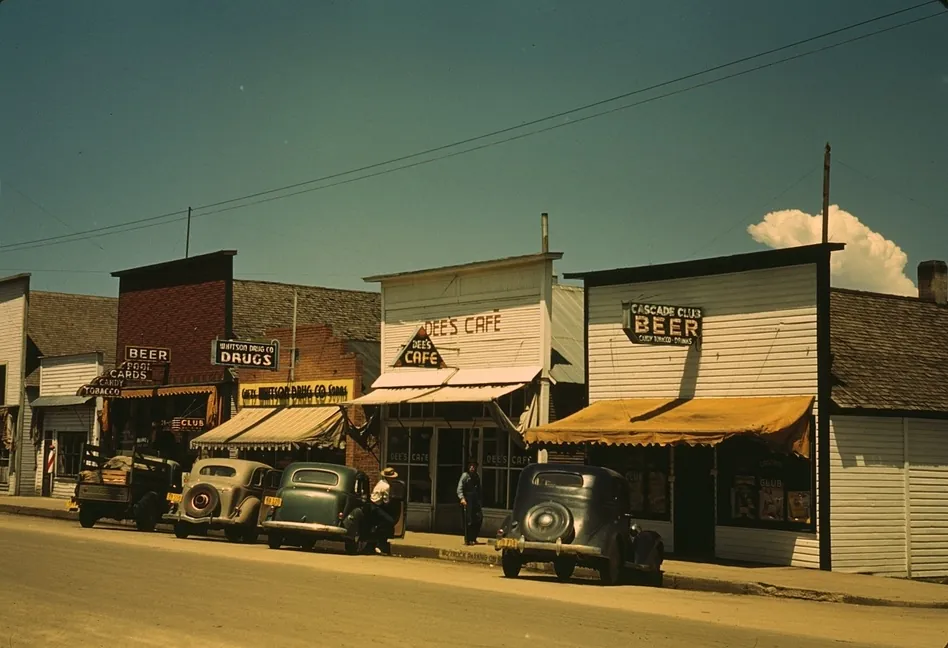
The McCall Winter Carnival is not a fenced fairground with a ticket gate at the entrance. It is a small mountain town in Valley County, Idaho, briefly reorganizing itself around snow — towering sculpted snow, torchlight, fireworks over a frozen lake, and a stretch of weekends when the population swells well past its year-round rhythm. That distinction matters more than any schedule for a first-timer. You are not buying entry to an event. You are planning a winter trip to a place where the event is simply everywhere.
This orientation is for someone who has never been. Perhaps you have seen photographs of snow sculptures taller than a person and wondered whether the drive is worth it, whether kids will last an afternoon in the cold, or whether there is anything to do once the sculptures have been admired twice. The short answers are yes, yes, and considerably more than you would guess. The longer answer involves timing, lodging, layers, and knowing which parts of the weekend cost money and which do not.
Valley County Winter Carnival Basics, Before You Commit
| Town and area | McCall and the surrounding Valley County communities |
| County | Valley County, Idaho |
| County seat | Cascade |
| Population | 11,746 (2020 census) |
| County land area | 3,733 square miles |
| County founded | 1917 |
| Region | West-central Idaho mountain lake country |
| Typical timing | Late January into early February, across consecutive weekends |
| Admission | Generally free to walk the sculpture route; some individual events are ticketed |
| Organizer | Local volunteers and area civic groups |
What the McCall Winter Carnival Actually Is
At its core, the carnival is a community-run winter celebration in and around McCall, one of the larger communities in Valley County. Local teams, families, businesses and visiting groups build snow sculptures, and the town arranges them along a route that visitors walk, or sometimes drive, over the course of a weekend. A parade, evening fireworks, live music and a long list of smaller activities fill the gaps between sculpture viewing. A carnival button has been part of the tradition for decades, working as both souvenir and fundraiser, while walking the sculpture route itself is generally free.
Understanding the scale of the place helps. Valley County covers 3,733 square miles and counted 11,746 residents at the 2020 census, with its seat in Cascade. That is a great deal of land and not many people, which means carnival weekends push local roads, restaurants and lodging well past their usual capacity. The upside is that the event still feels handmade rather than corporate. The downside is that spontaneity has limits: without a room booked and a rough plan, a first visit can turn into a lot of circling.
How Deep Snow Turned Into a Valley County Tradition
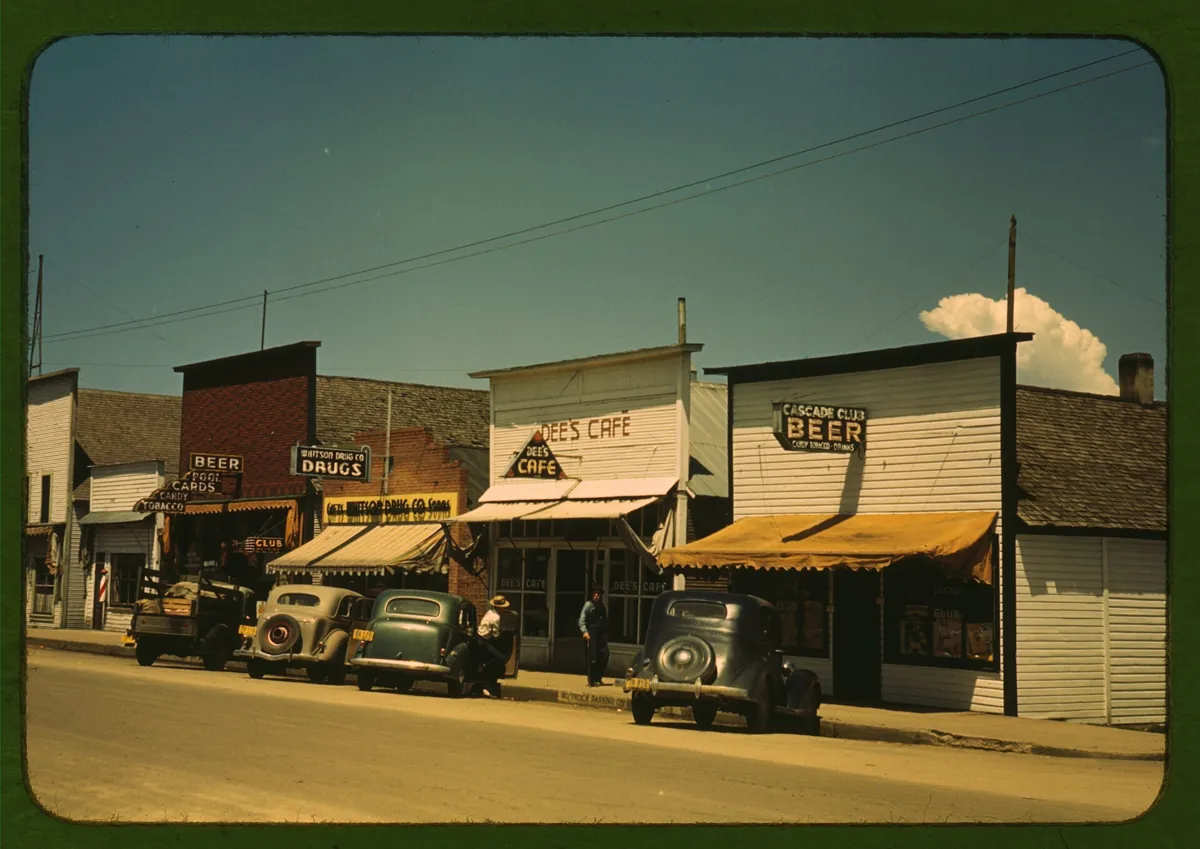
Valley County was established in 1917, with Cascade named as the county seat, and for much of the century that followed, its economy leaned on timber, ranching and, increasingly, recreation around Payette Lake and the surrounding mountains. Winters here are long and generous with snow, and by the middle of the last century McCall’s residents faced a familiar mountain-town choice: hibernate through the dark months or invent a reason to be outside. They chose the second, and snow sculpting became the centerpiece.
What began as a modest local gathering grew into a regional draw. Sculpture teams began competing, a parade was added, fireworks became a fixture, and torchlight processions gave the evenings a signature. A theme is chosen each year, and sculptors interpret it in everything from cartoon-scale figures to detailed animals and architecture. Some winters deliver powder by the foot, others run lean, and organizers have long been willing to move snow around to keep the route intact.
Today the carnival stretches across more than one weekend, typically from late January into early February. Because the calendar shifts year to year, the dependable approach for a first-timer is to confirm the current season’s schedule rather than plan around a fixed weekend. What has not changed is the underlying idea: a county of just over eleven thousand people throwing open its snowiest season to anyone willing to dress for it.
What a First-Timer Notices on the Ground
The carnival is spread out rather than contained. Sculptures cluster along a walkable downtown route, with others placed at parks, businesses and lakefront spots, so a full pass means a couple of miles on packed snow and ice. Mornings are calm and photogenic. Afternoons bring crowds and long lunch lines. Evenings belong to the parade, the music and, in most years, fireworks.
Eating and Drinking Between Sculptures
Food is a mix of local restaurants, cafes, breweries and temporary vendors set up for the season. Expect hearty mountain cooking — soups, chili, burgers, pizza, baked goods — plus plenty of hot drinks for hands that have been out of gloves too long. Peak meal times are genuinely crowded, so an early lunch or a late dinner is often the difference between a table and a wait. Small kitchens run out of popular items, and reservations, where they are taken, are worth making the day before.
Parades, Live Music and After-Dark Entertainment
The parade is the social center of the weekend, rolling through town with floats, marching groups and whatever creative interpretation of the year’s theme local organizations can pull off. Live music turns up in bars, halls and outdoor stages, from acoustic sets to full bands. Fireworks over the lake are the traditional evening finale, and torchlight elements add warm contrast to the blue of a winter night. Some evening events are ticketed, so check before assuming everything is open to all.
Family Activities for Shorter Attention Spans
Children do well here because the whole event is essentially outdoor play with a theme. Sledding hills, snow play areas, craft tables and character appearances are usually part of the lineup, and many cost nothing. The practical challenge is cold, not boredom. Plan warming breaks every hour or so — a cafe, a shop, a car with the heat running — and keep spare gloves and socks in a bag. A morning visit plus an afternoon break beats one long, heroic push through the day.
Getting Your First Trip Organized
Reaching McCall and the Rest of Valley County
Most first-timers arrive by car, and in winter that means mountain driving. The highway climbs through forest and can be snowy, icy or foggy, sometimes all three in one trip. Cascade, the county seat, sits along the main route and makes a sensible fuel and coffee stop before the final stretch. Traction tires or chains are worth carrying, and building in extra time is not optional — a normal drive can easily stretch when plows are working.
Where to Stay When the Town Fills Up
Lodging in McCall is limited: motels, small hotels, lodges, cabins and vacation rentals, most of them booked months ahead for carnival weekends. If the town is full, look at Cascade and other Valley County communities within reasonable driving distance. A rental with a kitchen saves money and lets you eat breakfast before crowds appear. Midweek nights are far easier to find than Friday and Saturday.
Parking, Roads and the Reality of Snowbanks
Parking is the most common first-timer frustration. Snowbanks swallow parking lanes, plowed lots fill early, and idling in search of a spot near the sculptures rarely works. The better strategy is to park once, legally, away from the busiest blocks, and walk for the rest of the weekend. Never leave a car in a plow route or blocking a driveway — locals need those streets cleared, and towing happens.
What Admission and Extras Actually Cost
Walking the sculpture route is generally free, which surprises people who assume a festival of this size has a gate. The carnival button is a keepsake and a small fundraiser rather than a required ticket. Money goes to lodging, meals, drinks, any ticketed concerts or dinners, and gear forgotten at home. Vendors and small shops appreciate cash, and a modest budget for hot drinks alone is realistic if you are outside for hours.
Weather, Layers and the Cold You Should Expect
This is deep winter in the mountains: temperatures well below freezing are normal, snow is likely, and a mild, slushy weekend is always possible instead. Waterproof boots with real tread matter more than a fashionable coat. Dress in layers you can shed indoors, bring a hat that covers your ears, two pairs of gloves, and sunglasses for glare off the snow. Hand and foot warmers are cheap insurance, and children stay warmer in one-piece snowsuits than in jeans and a jacket.
A Sample First-Timer’s Carnival Weekend
Friday: arrive by mid-afternoon, check in, and walk the downtown sculpture route while it is still light and uncrowded. Eat dinner early, then catch fireworks or a music set if the schedule offers one.
Saturday: start with a sculpture walk before crowds build, follow it with a late breakfast, then position yourself for the early-afternoon parade. Spend the coldest hour indoors, head back out for sledding or a second pass at favorite sculptures, and book dinner ahead. Evening is for live music or a lakeside walk.
Sunday: drive the wider sculpture loop, grab coffee, and choose one non-carnival activity — a morning on the slopes, a snowshoe outing, or a slow look at the lake — before the drive home.
McCall Against Other Idaho Winter Destinations
Cascade, the county seat, is the quiet alternative: same county, same snow, far fewer people, and a straightforward base if McCall’s lodging is full. Boise, to the south, offers a milder urban winter with restaurants and museums but none of the sculpted spectacle — a useful stopover rather than a substitute. The Brundage Mountain area above McCall trades carnival crowds for lift lines and powder, which suits anyone who would rather ski than stroll. Many first-timers combine two of the three, and that mix is the real appeal of a Valley County winter weekend.
First-Timer’s Prep List for a Valley County Winter Weekend
Book lodging first, ideally months ahead for carnival weekends.
Confirm the current season’s dates and schedule before committing to travel.
Check tire tread and pack chains or traction devices.
Plan layers: base layer, fleece or down midlayer, waterproof shell.
Bring waterproof boots, two pairs of gloves, hat, sunglasses, hand warmers.
Reserve at least one dinner and keep breakfast and lunch flexible.
Park once and walk; never block a plow route.
Carry cash for vendors and small shops.
Build in one indoor warm-up each afternoon.
Leave a spare hour in your departure plan for winter roads.
Beyond the Sculptures: The Rest of Valley County
The carnival is a reason to come, not the only thing to do. Brundage Mountain and the surrounding ranges offer downhill and cross-country skiing, snowshoeing and snowmobiling, while Payette Lake gives the town its frozen centerpiece and its winter light. Hot springs, scenic drives along plowed highways, and quieter towns such as Cascade reward anyone with an extra day. Winter here is a genuine outdoor season rather than a pause between summer visits, and first-timers who budget a day beyond the carnival usually leave with a longer list of reasons to return.
Eleven Thousand People, One Snowy Season
Valley County counted 11,746 residents in the 2020 census, spread across 3,733 square miles — a population smaller than many single neighborhoods in a big city. Putting on a multi-weekend winter festival at that scale takes volunteers, businesses willing to lose a normal trading week, and civic groups handling everything from snow clearing to scheduling. The carnival also does quiet economic work: it fills rooms and restaurants in the slowest month of the year and gives residents a shared project in the middle of a long, dark season.
Locating McCall Within Valley County
McCall sits in the northern part of Valley County, Idaho, on the shore of Payette Lake, with the county seat of Cascade to the south along the main highway.
McCall Winter Carnival Questions From First-Timers
Is the carnival free to attend?
Walking the sculpture route generally costs nothing, and many family activities are free as well. Some concerts, dinners and special events are ticketed separately, and you will still spend money on lodging, food and drinks. Treat it as a free festival inside an ordinary winter weekend budget.
How far ahead should I book a room?
For carnival weekends, months ahead is normal, especially for anything walkable to downtown. If you are booking late, look at Cascade or nearby Valley County towns and plan to drive in. Midweek stays are considerably easier to arrange than Friday and Saturday nights.
How many days do I actually need?
Two nights covers the essentials: one full day for sculptures, the parade and an evening event, plus a slower morning for a second look. A third night lets you add skiing, snowshoeing or a drive through the county without rushing the trip home.
What happens in a low-snow winter?
Snow conditions vary, and organizers have long adapted by moving and supplementing snow to keep sculptures and the route in shape. A lean year changes the texture of the event rather than cancelling it. Check the season’s schedule for any adjustments before you travel.
What the Next Few Winters Look Like in Valley County
The carnival’s future rests on the same things that built it: volunteers, local businesses, and a willingness to work in the cold. Winter weather will keep varying, and organizers will keep adjusting — moving snow when it is scarce, clearing it when it is not. Themes change annually, sculpture teams rotate, and the event remains Valley County’s winter anchor. For visitors, the practical takeaway holds across years: book early, plan for snow, and treat the schedule as something to confirm rather than assume.
Last updated: October 2026
A first visit to the McCall Winter Carnival works best when you stop treating it as an attraction and start treating it as a season. Bring the right boots, park once, eat before you are hungry, and leave room in the day for the parts nobody photographs — a warm cafe, a lakeside walk at dusk, and a town of eleven thousand people making the most of its snow.