Maui County Hawaii World Whale Film Festival
Maui County spends much of every winter watching the water. Humpback whales settle into the channels between the islands and stay for months, and a county of 164,754 people — spread across 2,398 square miles from Maui to Molokai, Lanai, and Kahoolawe — rearranges its days around them. The World Whale Film Festival takes that habit indoors, puts it on a screen, and then sends everyone back out to eat.
Plenty of coastal towns run ocean film nights. What sets this one apart is the food. In the Maui County area, a whale film festival behaves like every other good gathering here: it is built around eating. Screenings sit beside poke, plate lunch, grilled fish, shave ice, and coffee grown on the slopes of Haleakala. You come for the whales and leave arguing about the best plate lunch on the island.
The films lean toward whales, reefs, migration, and the people who study them — biologists, canoe paddlers, fishermen, and the volunteers who count whales from shore. Between screenings there is room for talk-story with filmmakers and with residents who live alongside the animals. That blend of documentary and dinner is the whole point.
The Maui County World Whale Film Festival on One Table
| Town / place | The Maui County area, Hawaii |
| County | Maui County |
| County seat | Wailuku |
| Population | 164,754 (2020 census) |
| Region | Hawaiian Islands, central Pacific |
| Typical timing | Whale season, generally winter into early spring |
| Admission | Typically free; confirm any special events locally |
| Setting | Coastal and small-town venues around the county |
| Features | Whale and ocean films, local food, filmmaker talk-story |
| Organizer | A Maui-based festival team; confirm current details locally |
What the World Whale Film Festival Actually Is
At its core, this is a gathering of films about whales and the ocean, screened in the Maui County area while the animals are most visible offshore. Programming generally mixes short documentaries, longer features, and conversations with people who work on the water. It is small, local, and informal — closer to a community screening series than a red-carpet premiere.
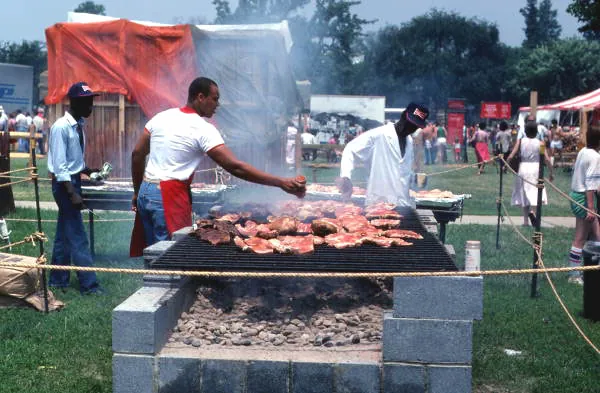
What makes it food-forward is the way it is staged. Screenings tend to come with food attached: a plate lunch beforehand, a poke bowl during, a shave ice after. Local vendors and community groups set up where the audience gathers, which means the festival functions as a movable feast as much as a film program.
It suits travelers who plan trips around meals, families with curious kids, photographers chasing whale season, and anyone who wants an evening that ends in conversation rather than a closing credit. Come hungry, stay late, and expect to meet people.
Whales, Whaling Ships, and a County That Reinvented Itself
Maui County was founded in 1905, but its relationship with whales stretches back well before that. Lahaina on the west side was a busy nineteenth-century whaling port, and when that industry faded, the island’s economy had to be rebuilt around something else — sugar, pineapple, ranching, tourism, and eventually whale watching.
The humpback shifted in the public imagination from quarry to attraction. Protections and changing attitudes turned the winter migration into a seasonal economic engine, and shorelines filled with people scanning the horizon through binoculars. A whale became worth more alive, photographed, and talked about than hunted.
The film festival sits at the end of that arc. It is a place where the animal is celebrated rather than chased, where conservation is discussed over food instead of lectured from a podium, and where the county’s long ocean history gets retold for an audience holding paper plates.
A Whale-Film Weekend in Maui County, From Screen to Plate
Expect an easygoing rhythm rather than a packed schedule. Events cluster around evenings and weekend afternoons, leaving daylight hours free for whale watching, beach time, and eating your way through whatever town you are staying in.
Food: Poke, Plate Lunch, and Film-Night Grinds
The eating is the headline act alongside the films. Think fresh poke by the pound, two-scoop plate lunch with mac salad, grilled catch, kalua pork, spam musubi, malasadas, and shave ice in colors that do not occur in nature. Local vendors and community kitchens often supply the food side of the festival, so the menu shifts with whoever shows up — which is exactly how it should work.
Music and Entertainment Between Screenings
Between films, expect slack key guitar, ukulele, and the kind of low-key live music that fits a warm evening outdoors. There may be storytelling, short talks from marine researchers, or a Q&A with filmmakers. Nothing is overproduced; the entertainment is there to hold the room together while people eat.
Family Activities for Kids Who Like Whales
Whales are a reliable hook for children, and the festival leans into it. Family-friendly screenings, hands-on activities, and shore-based whale spotting give kids something to do between courses. Bring binoculars, a hat, and patience — a humpback breach is worth the wait, and so is a second shave ice.
A Sample Whale-Film Weekend, Meal by Meal
Day one, evening: Land, check in, and head straight for a plate lunch or a poke counter. If a screening is running that night, eat early and walk in with time to spare. Otherwise, spend sunset watching the water and call it an early night.
Day two, morning: Coffee from a Maui roaster, then a whale-watching outing or a shoreline lookout. Lunch should be something grilled and simple. Spend the afternoon at a film block, and the evening at whichever food vendor has the longest line — that is usually the right answer.
Day two, late: Shave ice, malasadas, or both. Walk the town, talk to whoever is still standing around, and let the day run long.
Day three, morning: One last breakfast — loco moco if you have earned it — a final look at the ocean, and a slow drive out with a cooler full of snacks for the road.
Planning a Whale-Season Trip to Maui County
Getting to Maui County and Around the Island
Most visitors fly into Kahului and rent a car, which is close to essential if you want to move between towns, beaches, and screening venues. Wailuku, the county seat, sits central and makes a practical base. Allow generous driving time; island roads are slower than the map suggests.
Where to Stay: Wailuku, Kihei, or the West Side
Wailuku and the central valley put you near the county’s civic core. Kihei and Wailea offer beach-first stays with easy access to south-side food. The west side suits travelers who want sunsets and long shoreline walks. Book early in whale season, when demand peaks.
Parking and Getting to Screenings
Town parking is limited and fills quickly on event evenings. Arrive early, carpool if you can, and expect to walk a few blocks. If a venue sits near a beach park, parking there and strolling over is often the least stressful option.
Admission and What a Day Costs
Admission to the festival is typically free, though individual events may vary, so check locally before you go. Your real spending will be food, drinks, whale-watching trips, and parking. Budget for a few excellent meals — that is the point of the trip.
Weather in Whale Season
Whale season generally runs from winter into early spring, which means warm days, cooler evenings, trade winds, and passing showers. Pack layers, reef-safe sunscreen, and a light rain jacket. Ocean conditions vary, so check forecasts before booking a boat.
Maui’s Whale Festival Beside Neighboring Island Towns
Compared with the west side’s larger resort-driven events, the whale film festival feels more neighborhood-scale, with food that comes from local kitchens rather than hotel banquet lines. It trades polish for proximity — you are closer to the people who actually live here.
Paia and Hana, on the north and east coasts, offer a different flavor entirely: banana bread stands, taro, food trucks, and a slower rhythm. Molokai and Lanai, both part of Maui County, run quieter community celebrations where visitors are guests rather than an audience.
If your trip allows, string two of these together. The contrast between a screening night in central Maui and a plate lunch in a small east-side town is the best argument for renting the car.
The Maui Whale-Film Weekend Checklist
Book lodging early, especially in whale season. Reserve any boat trip before you fly. Pack binoculars, layers, a rain shell, reef-safe sunscreen, and a reusable water bottle. Bring cash for food vendors and small roadside stands. Check the current festival schedule locally, since venues and times shift. Keep a cooler in the car for snacks and leftovers. Leave room in your bag for coffee and treats to take home.
Beyond the Screenings: A Maui County Food Trail
The festival is a doorway, not the whole house. Wailuku has bakeries, noodle shops, and old-school lunch counters. Head north to Paia for fish tacos and shave ice, upcountry to Makawao and Kula for ranches, produce stands, and cooler air, and east toward Hana for banana bread sold from roadside tables.
Seafood is the throughline: ono, mahi-mahi, ahi, and whatever came off the boat that morning. Maui onions, Kula greens, and island-grown coffee round out the menu. Eat where the parking lot is full of local trucks and you will rarely go wrong.
What the Whale Films Mean to Maui County
For a county whose identity was once tied to hunting whales and is now tied to protecting them, a festival like this is more than entertainment. It is a public way of saying that the migration matters, that the ocean is the shared inheritance, and that the people who study and steward it deserve an audience.
It also keeps money and attention circulating locally, through food vendors, small venues, and neighborhood groups. The screenings give residents a reason to gather in the off-peak rhythm of winter, and give visitors a way to participate that is not just another boat tour.
Where in Maui County the Festival Unfolds
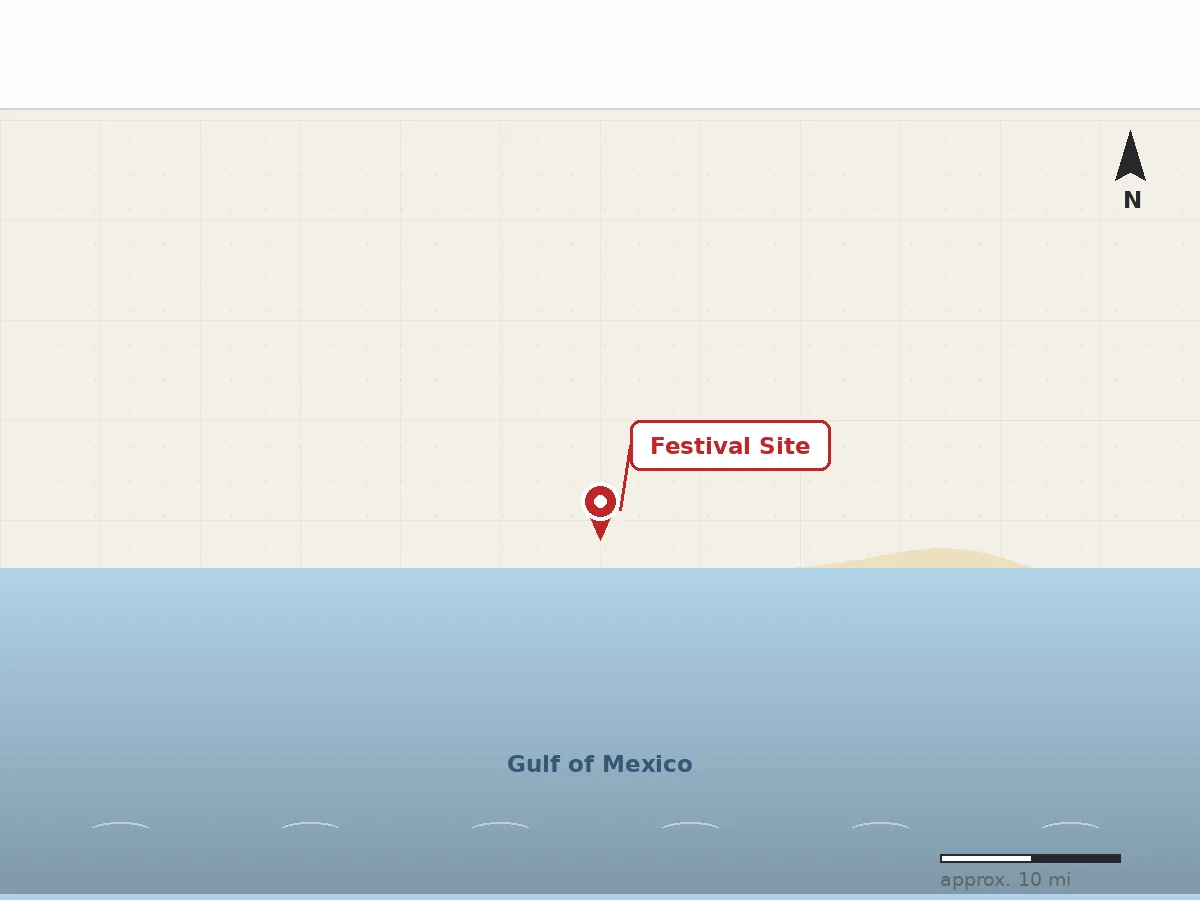
Screenings and related events take place across the Maui County area, with Wailuku, the county seat, serving as the practical anchor for most visitors.
Whale Film Queries, Answered
Do I need tickets for the whale films in Maui County?
Admission is typically free, though individual screenings or special events may differ. Confirm current details locally before you travel, and arrive early since seating at small venues fills quickly.
When are humpbacks actually around Maui?
Whale season generally spans the winter months into early spring, when humpbacks gather in the shallow channels between the islands. That window is when the festival is usually staged and when shore-based sightings are most common.
Is the festival a good fit for kids and picky eaters?
Yes on both counts. Family-friendly films and hands-on activities keep children engaged, and the food lineup usually includes simple options alongside poke and plate lunch — rice, grilled fish, fruit, and shave ice tend to win over cautious eaters.
What should I eat first once I arrive?
Start with poke or a plate lunch, then work outward. Save room for malasadas, shave ice, and island coffee. If you only have one meal, make it fresh fish — it is the dish Maui County does better than almost anywhere.
The Next Chapter for Whale Films and Maui Food
Whale populations face shifting ocean conditions, shipping traffic, and warming water, so the stories the festival tells will keep evolving. Expect programming to move further into reef health, local food systems, and the connection between what happens offshore and what lands on the plate.
For travelers, that means the festival is likely to stay small, seasonal, and edible — a winter gathering in the Maui County area where a documentary about migration is followed by a bowl of poke and a long conversation. Plan around whale season, come with an appetite, and let the island set the pace.
Last updated: October 2026
If you go, go for the whales and stay for the food. The Maui County Hawaii World Whale Film Festival works best as a slow weekend: a film in the evening, a plate lunch at noon, and an hour at the shoreline in between, waiting for something enormous to surface.