Minidoka County Idaho Magic Valley Folk Festival
Folk festivals are usually remembered for their music, but ask anyone who has spent a Saturday at the Magic Valley Folk Festival in the Minidoka County area and the conversation drifts toward the food — cast-iron skillets, folding tables of homemade pie, smoke rising from a grill behind the stage. In a county of 763 square miles where the county seat, Rupert, anchors a wide stretch of Idaho farm country, the festival works as a harvest-table gathering as much as a concert. This guide treats it that way: food first, then the music, the history, and the practical details that make a weekend here easy to plan.
Festival Basics: Minidoka County, Rupert, and the Magic Valley Folk Weekend
| Town / area | Minidoka County area, Idaho |
| County | Minidoka County |
| County seat | Rupert |
| Population | 21,613 (2020 census) |
| Land area | 763 square miles |
| Region | Magic Valley, south-central Idaho |
| Typical timing | A weekend during the warmer months, spring through early autumn |
| Admission | Generally free to attend; vendors set their own prices |
| Setting | Open-air community grounds in the Minidoka County area |
| Features | Folk music and traditional arts, local food vendors, family-friendly programming |
Magic Valley Folk is a community-rooted event, organized by volunteers and local groups from the Minidoka County area rather than a large commercial promoter. That shows in how the weekend is put together: food stalls run by families and clubs, a stage schedule built around regional performers, and programming aimed at every age. Because the details shift from year to year, check the current schedule before you make the drive.
Inside the Magic Valley Folk Festival: A Food-Forward Introduction
Magic Valley Folk is exactly what its name suggests: a folk festival rooted in the Magic Valley, staged in the Minidoka County area around Rupert, and built on the idea that traditional music, handmade goods, and shared food belong in the same afternoon. There is no velvet rope. You wander in, find a bench or a patch of grass, eat something made by someone standing ten feet away, and listen to a set that might be a fiddle tune, a ballad, or a song written about this stretch of the Snake River Plain.
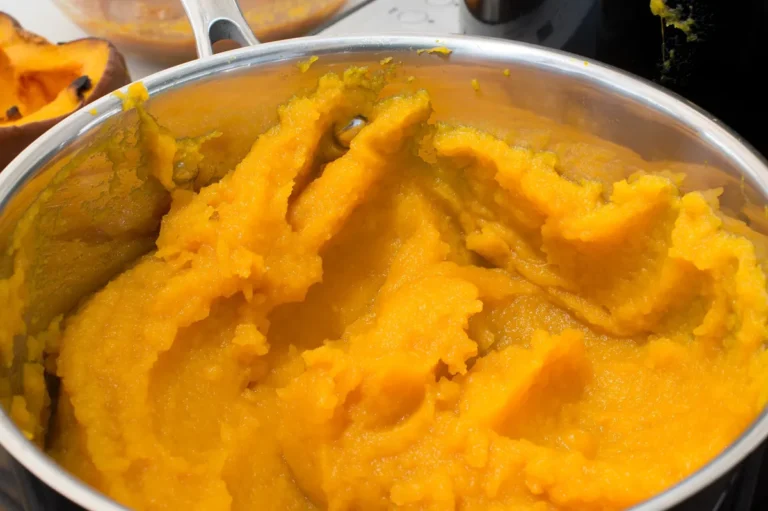
For a food-forward visitor, the appeal is obvious. Festival cooking in this part of Idaho tends to be home-kitchen food scaled up: slow-cooked meats, Dutch oven dishes, potatoes in more forms than you can count, fresh-baked bread, cobblers, pies, and preserves. Vendors and community groups often bring recipes that have been in families for generations, and the menus lean on what the surrounding farm country produces. Come hungry, bring cash for the stalls, and treat the food line as the social center of the day — because in Minidoka County, it usually is.
Minidoka County’s Folk Roots, From 1913 to the Present Festival
Minidoka County was founded on January 28, 1913, carved out of Idaho’s Snake River Plain at a time when irrigation was turning dry sagebrush ground into some of the most productive farmland in the state. Rupert became the county seat and the civic anchor for a county that now covers 763 square miles and counted 21,613 residents in the 2020 census.
The folk traditions that feed the festival are older than the county line. Families who arrived in the early twentieth century carried songs, recipes, and craft skills with them, and those things traveled into community halls, church basements, kitchens, and harvest gatherings. Food was the thread: a potluck could hold an entire family history in one covered dish.
The festival grew out of that same habit of gathering — neighbors who already cooked together, sang together, and swapped recipes at harvest time. Over the years the event has kept that shape, favoring participation over spectacle. The result is a weekend that feels less like a ticketed production and more like a county-wide invitation to sit down and eat.
On the Ground in Rupert: What the Weekend Actually Feels Like
Expect a relaxed, walkable, family-heavy atmosphere. The grounds are open-air, the schedule runs from late morning into the evening, and the crowd mixes locals, returning visitors, and travelers exploring southern Idaho. Here is how the three main draws break down.
Food First: What Lands on the Table in Rupert
Food is the reason many people come back. The lineup typically mixes vendor stands, community-group booths, and bake-sale tables, with an emphasis on hearty, handmade cooking rather than fairground novelty. Expect slow-roasted meats, potatoes in every form, chili and stews, fresh bread, and a dessert table that disappears by mid-afternoon. Idaho’s signature crop shows up as fries, wedges, casseroles, and the kind of potato salad that starts arguments. Local groups often sell preserves, honey, and baked goods you can carry home. Bring small bills, ask what is local, and graze rather than commit to one big plate — the best bites are usually at the smaller tables.
Folk Music and Traditional Arts on the Stage
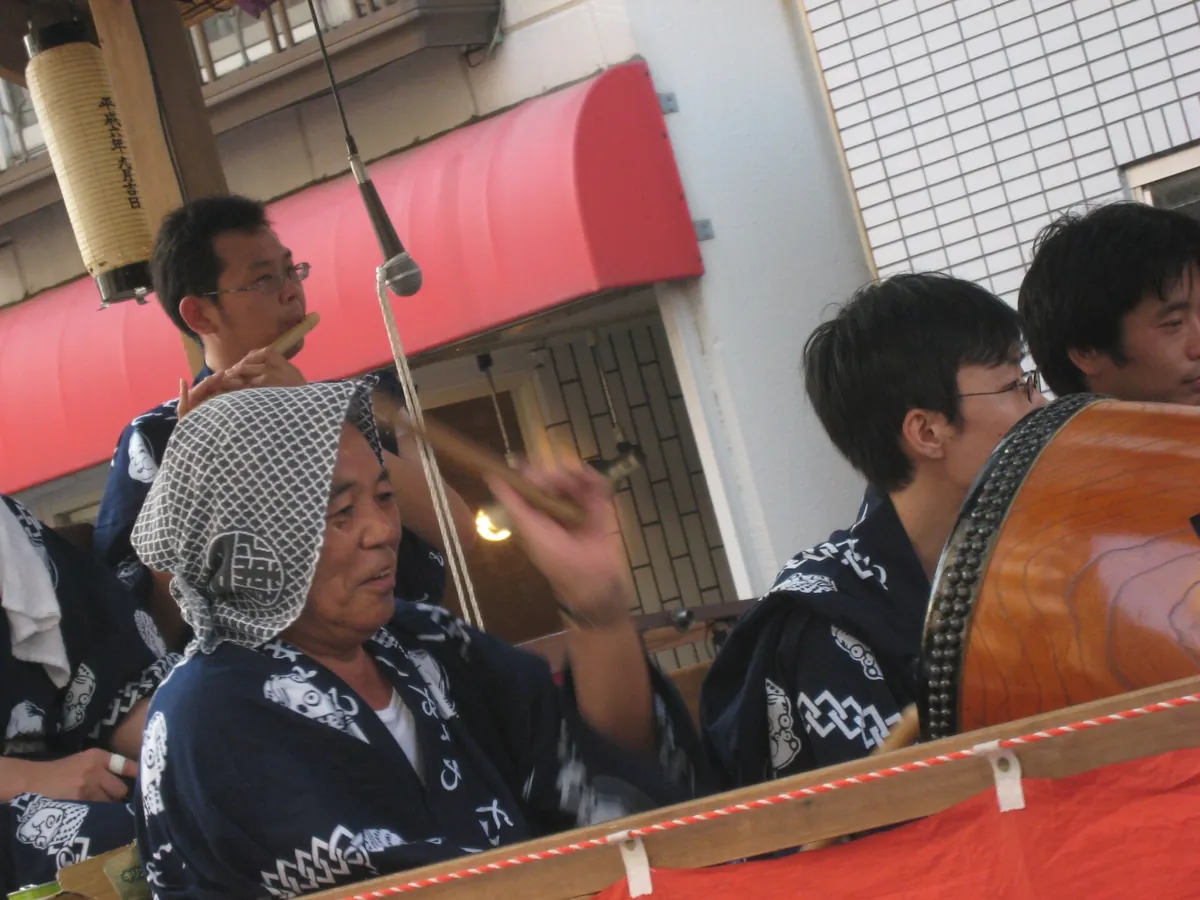
Music is the spine of the festival. Sets lean toward folk, acoustic, and roots traditions — fiddle, guitar, banjo, close harmony, and storytelling between songs. Regional performers share stages with local musicians, and the informal jam sessions that spring up at the edges of the grounds are often as good as the scheduled acts. Traditional arts fit alongside the sound: demonstrations of handwork, heritage crafts, and skills passed down through families, with makers usually happy to explain what they are doing and why it matters to them.
Family Activities and the Kid-Friendly Side of the Day
This is an easy festival to bring children to. Programming tends toward the hands-on and unhurried: craft tables, simple games, open grass to run on, and music that does not require anyone to sit still. Grandparents are well served too, with seating, shade, and food that suits every appetite. Strollers work on the grounds, and the pacing means you can slip away and come back without feeling like you missed the whole event.
Planning a Weekend Trip Around the Magic Valley Folk Festival
Most visitors treat the festival as a day trip and leave wishing they had stayed the night. Here is what to sort out before you go.
Getting to the Minidoka County Area
Rupert and the surrounding Minidoka County communities sit in south-central Idaho, an easy drive from Twin Falls, Burley, and the smaller Magic Valley towns along the way. Almost everyone arrives by car, so plan on driving and filling the tank before you get close. If you are coming from out of state, Twin Falls is the usual first stop for supplies, and the final stretch into Rupert is straightforward highway driving.
Where to Stay Near Rupert and the County
Rupert has small-town lodging, and the wider Magic Valley offers a deeper bench of motels, inns, and short-term rentals in Twin Falls and Burley. Campers often base themselves at RV parks or public campgrounds around the county’s reservoir country. Book early if the festival weekend lines up with other regional events; rural Idaho lodging fills faster than people expect in the warm months.
Parking and Getting Around the Grounds
Parking is generally informal, with lots and street parking near the grounds and volunteers directing traffic at busy times. Arrive before the lunch rush for the easiest spot and the shortest food lines. Once you are on site, everything is walkable — the grounds are compact enough to loop several times in an afternoon, and you will want to, since vendors and stages shift as the day goes on.
Admission and What You Will Actually Spend
Admission is typically free, which makes the festival an affordable outing for families. Your money goes to food, drinks, handmade goods, and any activity or fundraiser a community group is running. Bring cash even if some vendors take cards; small rural events still run on bills and change, and the bake-sale tables almost always do. Set a food budget, because the temptation to keep eating is real.
Weather and What to Pack for Minidoka County
Summers on the Snake River Plain are hot and dry, with strong sun and afternoon wind; spring and early autumn swing from warm afternoons to chilly evenings. Pack layers, a hat, sunscreen, and a refillable water bottle, and bring a light jacket for after sunset. If rain is in the forecast, wear shoes you do not mind getting dusty — the grounds are open air and largely unpaved.
A Sample Festival Weekend in and Around Rupert
Friday: arrive in the Minidoka County area by late afternoon, check in, and eat a low-key dinner in Rupert or Twin Falls. Walk the town, get your bearings, and turn in early — festival mornings reward the people who show up before the crowds.
Saturday: reach the grounds mid-morning, start with coffee and something baked, then work the food tables in one slow lap before the music pulls you in. Spend the afternoon rotating between sets, craft demonstrations, and shade. Stay for the evening program, when the light softens and the jam sessions begin.
Sunday: sleep in, then explore the surrounding countryside — reservoir views, farm roads, and a long breakfast before the drive home. If you have time, stop in a neighboring Magic Valley town for one more meal.
How This Weekend Compares With Other Magic Valley Options
Twin Falls, roughly an hour west, offers bigger-city amenities: more restaurants, more lodging, and a full calendar of arts and food events. It is the better base if you want variety and a wider choice of hotels, but it lacks the small-town intimacy of a Rupert weekend. Burley and the smaller communities to the south and east are closer and quieter, with their own local celebrations and a similar farm-country feel. A traditional county fair, by contrast, delivers livestock barns, carnival rides, and a much louder kind of fun. Magic Valley Folk sits between them: smaller than a city festival, more culturally focused than a fair, and heavily weighted toward food and music.
Your Magic Valley Folk Festival Checklist
Before you go: confirm the current year’s weekend and schedule; book lodging if you are staying overnight; check the forecast and pack layers, a hat, and sunscreen; bring cash in small bills; fill the gas tank; and charge your phone or bring a battery pack, since rural coverage can be spotty.
At the festival: arrive before the lunch rush; walk the whole food row before buying; ask vendors what is local or homemade; catch at least one act you have never heard of; let the kids hit the craft tables; and leave room for dessert. Carry out what you carry in, keep an eye on your group in the crowd, and thank the volunteers — they are the reason the weekend exists.
Beyond the Festival: Rupert, Minidoka County, and Southern Idaho
The county rewards a slower look. Rupert is a genuine small-town county seat with a walkable core, local cafes, and the kind of main street that still functions as a gathering place. Out in the county, the Minidoka National Wildlife Refuge and Lake Walcott draw birders, anglers, and anyone who wants wide water and open sky. Farm roads thread through irrigated fields, and the Snake River shapes the whole region. If you are building a southern Idaho trip, pair the festival with a morning at the reservoir, a drive through the surrounding farmland, and a meal in a neighboring town.
Community Threads: What This Festival Means in Minidoka County
In a county of 21,613 people spread across 763 square miles, gatherings matter. The Magic Valley Folk Festival gives Minidoka County a date on the calendar when neighbors, farm families, and visitors share the same space and the same table. It preserves skills and songs that might otherwise stay inside family kitchens, and it hands them to a younger generation in a setting that feels like a party rather than a lesson. For local vendors and community groups, it is also a payday and a platform. That combination — heritage, food, and a modest economic lift — is what keeps a small-town festival alive.
Where the Festival Sits in the Minidoka County Area
The Magic Valley Folk Festival takes place in the Minidoka County area of south-central Idaho, with Rupert serving as the county seat and the most natural reference point for visitors.
Magic Valley Folk Festival: Visitor Questions Worth Asking
Is the Magic Valley Folk Festival free to attend?
Admission is typically free, so there is no ticket barrier to walking in and enjoying the music. Your spending will go toward food, drinks, handmade goods, and any activities or fundraisers run by community groups. Bringing cash in small bills makes those purchases easier, especially at bake-sale and preserve tables.
What food should I try first?
Start with whatever is being cooked in front of you — a grill, a Dutch oven, or a griddle is a good sign. Potatoes are the safe bet in this part of Idaho, but the real finds are usually the smaller tables: a family recipe, a community group’s specialty, or a dessert that sells out early. Walk the entire food row before you commit to a plate.
Can I bring kids and grandparents?
Absolutely. The festival suits mixed-age groups, with open grass, hands-on craft activities, and music that does not demand silence. Seating and shade make it comfortable for older visitors, and the pacing is relaxed enough that nobody has to sprint between stages. Strollers handle the grounds fine.
When is the best time to arrive?
Arrive before the lunch rush if you want easy parking and short food lines, and plan to stay into the evening for the best music and the liveliest atmosphere. The festival is typically held on a weekend during the warmer months, so check the current schedule for exact dates before you travel.
Looking Ahead for the Magic Valley Folk Festival
Small rural festivals survive on volunteer energy, and Magic Valley Folk is no exception. The next few years will likely bring the same priorities the event has always had: keeping admission free or low-cost, giving local food vendors and community groups a place to sell, and holding space for traditional music and crafts in a county where those traditions are still practiced rather than merely displayed. Growth, if it comes, will probably look like more tables, more performers, and more out-of-town visitors filling Rupert’s cafes and motels on a warm weekend — not a bigger, more commercial event.
For travelers, that means the festival is worth putting on the calendar now, while it still feels like a county-wide potluck with a stage at one end. Confirm the weekend, book a room, bring cash, and come hungry.
Last updated: October 2026
The Magic Valley Folk Festival is a reminder that the best food writing in Idaho is not always written down. It is served on paper plates on open grounds in the Minidoka County area, handed across a folding table by someone who has been making the same recipe for decades. Go for the music, stay for the meal, and leave with a new favorite dish and a reason to come back next year.