Idaho County Idaho Grangeville Border Days Festival
Grangeville sits high on the Camas Prairie, its main street strung along U.S. 95 where the flat farmland breaks east toward the Clearwater River country. It is the seat of Idaho County, a county organized on December 20, 1861, and one that spreads across 8,503 square miles — a landmass larger than several states, holding just 16,541 residents at the 2020 census.
That arithmetic — enormous county, small population — explains why Grangeville Border Days matters the way it does. For a few days each summer, the county seat becomes the meeting point for a whole scattered map of ranches, timber towns, and river hamlets. Ranchers, mill workers, teachers, and kids on summer break end up on the same few blocks, and the town feels briefly and happily crowded.
Grangeville Border Days: The Essentials for Idaho County Travelers
Schedules shift from year to year, and the weekend fills the grounds, the arena, and the downtown streets all at once. Treat this table as the shape of the event rather than a fixed program, then confirm times locally once you are in town.
| Town | Grangeville, Idaho |
| County | Idaho County, Idaho |
| County seat | Grangeville |
| Population | 16,541 (2020 census, Idaho County) |
| Region | North-central Idaho’s Camas Prairie, along U.S. 95 |
| Typical timing | A long weekend in early July, built around the Independence Day holiday |
| Admission | No general gate fee in most years |
| Setting | Open-air grounds, a downtown parade route, and a rodeo arena |
| Features | Parade, rodeo, carnival rides, food booths, fireworks |
| Organizer | Local volunteer committees and civic organizations |
What Border Days Brings to the Idaho County Seat
Border Days is a homecoming dressed up as a festival. The centerpiece is a rodeo, paired with a parade that pulls floats, saddle horses, tractors, and marching kids down Grangeville’s main street. Around those anchors sit carnival rides, concession trailers, a beer garden for the grown-ups, and long stretches of standing around talking to people you have not seen since last summer.
The scale is deliberately human. Nothing here requires a wristband or a shuttle from a distant lot; you can park once, walk the whole thing, and still catch the grand entry. That walkability matters in a county where the nearest neighbor can be twenty miles of gravel away.
It also works as a reunion. Classmates plan their summers around it, extended families set up folding chairs in the same spots year after year, and local businesses staff up for the rush. Visitors are welcomed warmly — but you will also be standing in the middle of somebody else’s tradition, which is a fine thing to watch.
From an 1861 County Seat to a Prairie Tradition
Idaho County was created on December 20, 1861, in the middle of the region’s gold rush years, when strikes in the mountains to the east pulled thousands of prospectors into country that had long been Nez Perce homeland. Grangeville, on the prairie below those diggings, became the supply town: the place where you bought flour, hired a packer, filed a claim, or waited out a winter.
Being named county seat gave the town a permanent role. Courthouse business, land offices, freight outfits, and later grain elevators and lumber yards all clustered along the same few streets, and the surrounding Camas Prairie became known for wheat, barley, and cattle. Grangeville grew because the county needed a center, not because the ground beneath it was especially rich.
Border Days grew out of that civic habit. A county this large needs shared rituals, and a summer celebration tied to the Independence Day season gave ranch families a reason to come to town after branding and haying. Over the decades the rodeo, the parade, and the carnival became fixed points on the local calendar, handed down through generations of volunteers.
What has not changed is the logic. Across 8,503 square miles, you need one weekend when everyone is in the same place. Border Days is that weekend.
A Day on the Grounds in Grangeville
A typical Border Days day unfolds in layers — morning parade, afternoon rodeo, evening entertainment, late fireworks. Here is how the pieces usually feel.
Food Booths, Barbecue Smoke, and Small-Town Concession Stands
Food is the social engine of the weekend. Expect the classic fair lineup — burgers, hot dogs, curly fries, funnel cake, snow cones, cotton candy — alongside local stands selling pulled pork, tacos, and the kind of pie that shows up at every Idaho County potluck. Church groups and service clubs often run booths as fundraisers, which means the money tends to stay close to home.
Rodeo Action, Live Music, and Evening Entertainment
The rodeo is the headline. Rough stock, roping, barrel racing, and mutton bustin’ for the smallest competitors fill the arena, with a grand entry that draws a standing crowd. Between performances, live bands, DJs, and community stage acts keep the grounds busy, and the evening usually ends with fireworks over the prairie — weather and fire restrictions permitting.
Family Activities and the Kid-Friendly Side of the Grounds
Families tend to set up base camp near the carnival rides and stay for hours. There are usually games, face painting, a kids’ parade or pedal tractor pull, and plenty of open grass for running. Strollers handle the grounds fine, though the arena seating and gravel edges are worth scouting before the crowd arrives.
Planning a Border Days Trip Across Idaho County
Idaho County is bigger than several states, so trip planning matters as much as the festival itself. Here is what to sort out before you leave.
Getting to Grangeville on U.S. 95 and Idaho 13
Grangeville sits on U.S. 95, the north-south spine of the region. From the north, the highway comes down through Cottonwood from the Lewiston valley; from the south it climbs over White Bird Hill past Riggins. Idaho 13 runs north out of town to Kooskia and the Clearwater River, where it meets U.S. 12. Nearly everyone arrives by car, and the final stretch on any route is two-lane mountain highway — plan for slow trucks, deer at dusk, and spotty cell coverage in the canyons.
Where to Stay in and Around Grangeville
Lodging in town is limited to a handful of motels, a couple of RV parks, and guest cabins, and Border Days weekend fills them early. Book well ahead, or look at Cottonwood, Kooskia, and the Lewiston valley as a base and drive in. Campers often use surrounding national forest and grassland areas, subject to seasonal fire rules.
Parking and Walking the Grangeville Festival Blocks
Street parking near the parade route disappears fast on parade morning, so arrive early or park a few blocks out and walk. Most of the festival footprint is compact enough to cover on foot in a single loop, which is the easiest way to handle a busy weekend.
Admission, Costs, and Cash at the Border Days Booths
There is generally no gate fee to walk the grounds, and the parade costs nothing to watch. Individual activities — carnival rides, rodeo sessions, raffles, and food — are where money changes hands. Bring cash for booths and small vendors, and expect card readers at some stands but not all of them.
Camas Prairie Weather and What to Wear
Summers on the Camas Prairie are warm and dry in the daytime, with cool evenings once the sun drops behind the ridges. Afternoon thunderstorms are possible, and wind can pick up quickly. Sunscreen, a hat, a light jacket for after dark, and closed-toe shoes for the arena and gravel are the practical choices.
A Sample Border Days Weekend in Grangeville
Arrive Friday afternoon, check in, and walk the grounds while they are still quiet. Grab dinner from a booth, catch the opening rodeo performance, and stay for whatever the evening entertainment turns into. This is the night to talk to people — the crowd is local and unhurried.
Saturday is the big day. Claim a parade spot early, then move to the arena for the afternoon rodeo. Rest in the shade during the hottest hours and come back for the evening session, live music, and fireworks. If you only have one day, this is the one.
Sunday, slow down. Have breakfast in town, drive a loop out toward the prairie or down into the Salmon River country, and stop at whatever roadside stand catches your eye. Leave in the early afternoon, or stay one more night if the weather is good and the rodeo is still calling.
How Border Days Compares With Other Idaho County Summer Gatherings
Neighboring towns run their own summer events, and the differences are instructive. Cottonwood, up the highway toward Lewiston, leans agricultural, with a community calendar built around school and church life. Kamiah, on the Clearwater, has a river-town feel and a strong Nez Perce cultural presence.
Kooskia and Riggins are smaller still — river and highway towns where a summer weekend means rafters, fishermen, and a street dance rather than a rodeo arena. Lewiston, roughly an hour’s drive west, hosts larger-scale events with bigger crowds and hotel rooms to match. Border Days sits in the middle: bigger than a town picnic, smaller than a city festival, and rooted in the county seat’s role as the place where Idaho County comes together.
What to Toss in the Truck Before Grangeville
Book lodging weeks ahead if you need a room in town; bring cash for booths and raffles; pack sunscreen, a wide-brim hat, sunglasses, and a refillable water bottle; add a light jacket or hoodie for the evening; wear closed-toe shoes for gravel and arena seating; bring lawn chairs or a blanket for the parade route; keep a cooler of water in the truck; check fire restrictions before planning any campfire; download offline maps before the canyons; and leave the dog at home unless you have confirmed the grounds allow pets.
Beyond the Festival: Idaho County’s Rivers, Prairies, and Byways
Grangeville makes a strong base for the rest of Idaho County. South of town, U.S. 95 drops off White Bird Hill into the Salmon River canyon, where the highway follows one of the deepest river gorges in North America and the overlooks are worth every pull-off. Farther south, Riggins is a rafting and fishing hub on the Salmon.
North and east, Idaho 13 leads to Kooskia and the Clearwater, with Nez Perce National Historical Park sites and a winding canyon road toward the Bitterroot country. East of Grangeville, the prairie gives way to forest and the old mining districts around Elk City and Dixie. Wherever you drive, fuel up in town — services thin out fast.
Border Days as Idaho County’s Shared Living Room
For a county of 16,541 people spread across 8,503 square miles, shared events are infrastructure. Border Days does the work a downtown does in a bigger city: it puts neighbors in the same place, gives local groups a stage and a fundraiser, and hands teenagers something to look forward to all year.
It also carries memory. Grandparents who rode in the parade watch grandchildren ride in it now, and the volunteer committees behind the weekend are often the same families year after year. That continuity is why the festival reads as authentic rather than staged — it is not produced for visitors, though visitors are genuinely welcome.
Where Border Days Sits in Grangeville, Idaho County
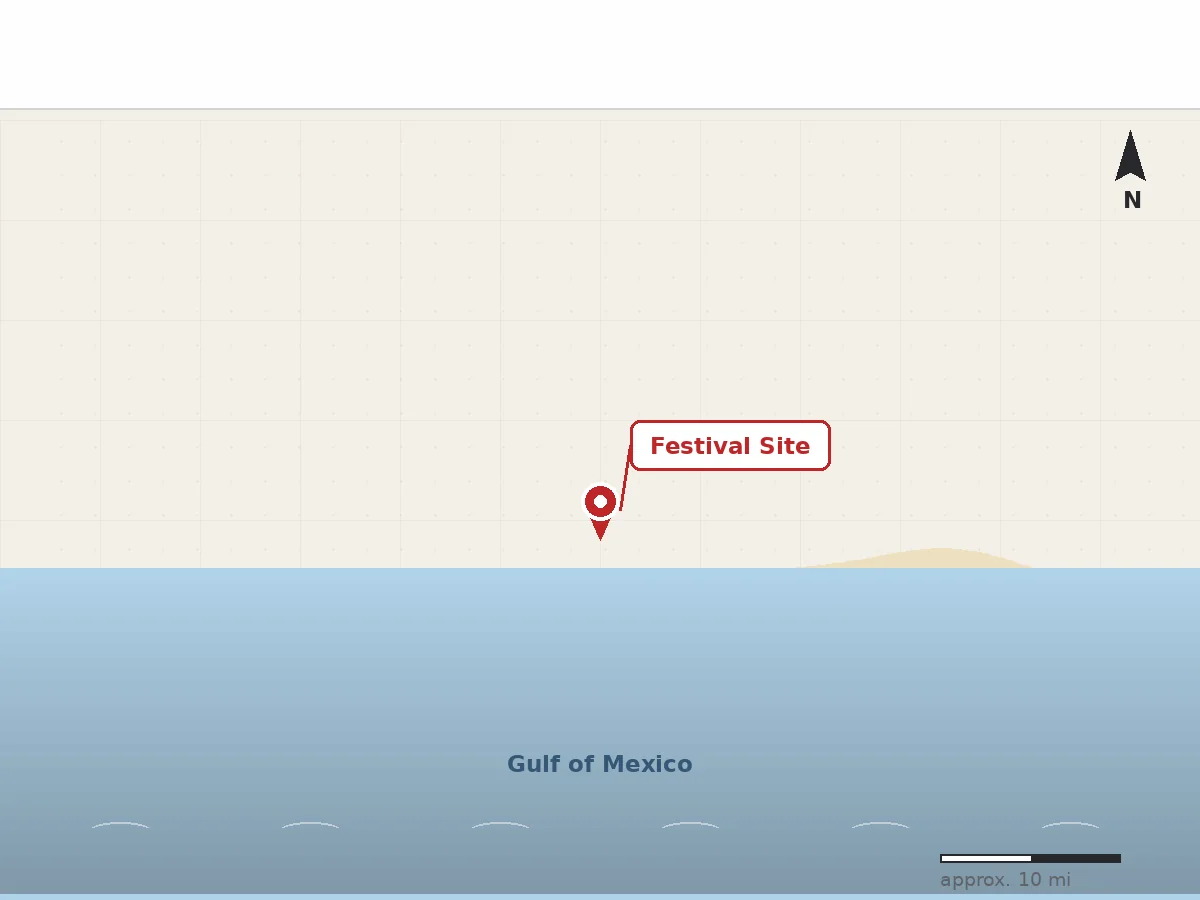
Border Days takes over the heart of Grangeville, Idaho, in Idaho County — the parade route running through the downtown core, with the rodeo grounds and carnival within walking distance just off the U.S. 95 corridor.
Practical Answers About Border Days in Grangeville
When does Border Days usually take place?
The festival is held each summer, in most years over a long weekend in early July, built around the Independence Day holiday. Exact dates shift from year to year, so confirm the current schedule with local sources before you travel.
Is there a gate fee at Border Days?
In most years there is no general gate fee to walk the grounds or watch the parade. Individual activities such as carnival rides, rodeo sessions, and food are priced separately, and cash remains useful at the smaller booths.
Is Border Days a good fit for kids and dogs?
It is very much a family weekend, with carnival rides, games, and open space for children to burn off energy. Pets are a different question — crowds, heat, and fireworks make the grounds a tough environment for dogs, so check the current rules before bringing one along.
How far is Grangeville from Lewiston, Boise, or Missoula?
The Lewiston-Clarkston valley, the nearest sizable urban area, is roughly an hour’s drive north on U.S. 95. Boise and Missoula are both several hours away by two-lane highway, so most visitors treat Grangeville as a destination rather than a day trip.
What Lies Ahead for Border Days in Idaho County
Like every small-town festival in the rural West, Border Days depends on volunteers, sponsorship, and the willingness of a thinly spread population to keep showing up. The pressures are familiar: rising insurance and equipment costs, fewer hands on organizing committees, and summer wildfire seasons that can force fireworks cancellations or last-minute schedule changes.
The strengths are just as real. The festival has a deep bench of local memory, a county seat location with actual infrastructure, and a rodeo tradition that draws competitors and spectators from across the region. As long as Grangeville remains the place where Idaho County gathers, Border Days will have a reason to exist.
Last updated: October 2026
If you go, go for the whole weekend rather than an afternoon. Border Days is not a spectacle you consume in two hours; it is a county catching up with itself, and the best moments happen in the gaps — between rodeo events, over a plate of fries, in a folding chair on the parade route. Bring cash, bring a jacket, and plan to stay longer than you meant to.