Jo Daviess County Illinois Jo Daviess County Fair Festival
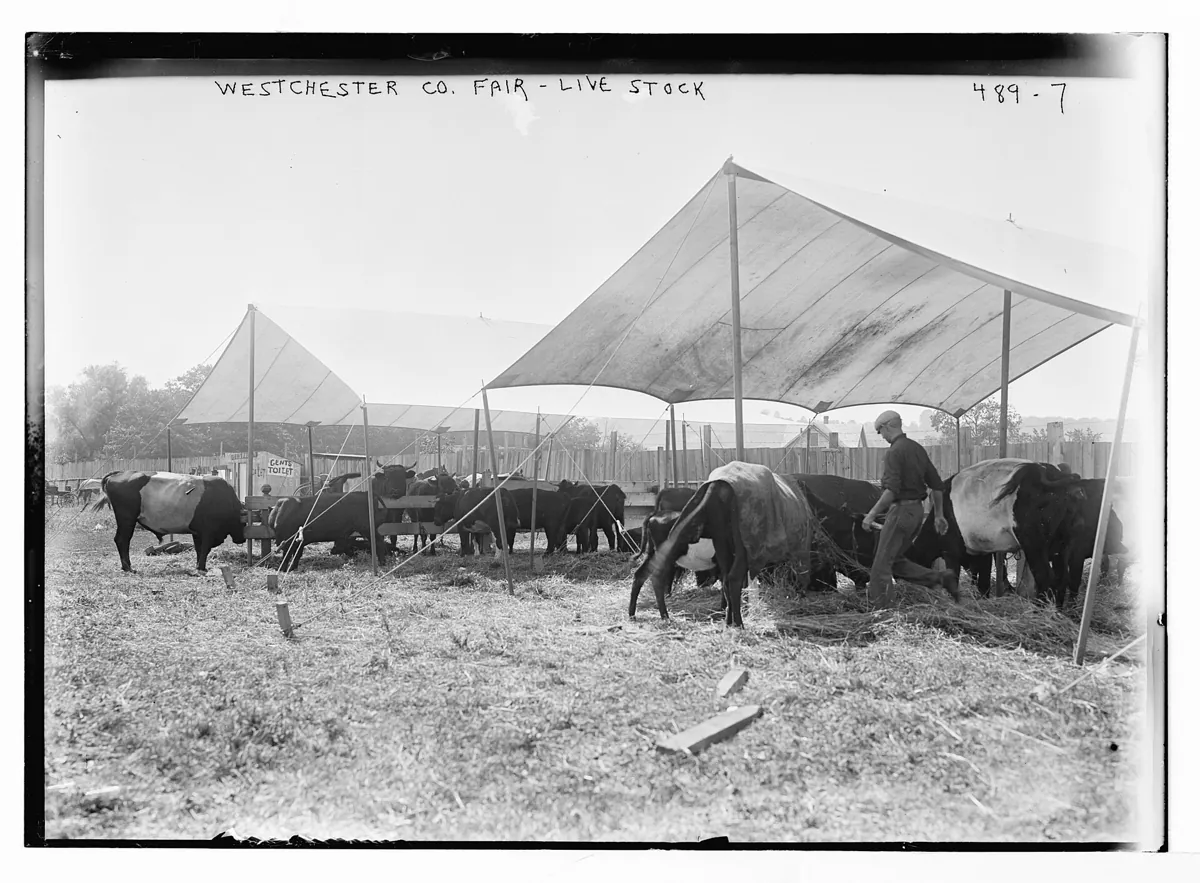
The Baumann family leaves the driveway before the dew has dried on the pasture, because fair morning in Jo Daviess County starts early. Travel mugs of coffee, a cooler of water, two kids negotiating over which ride comes first, and a slow drive across rolling farmland toward the fairgrounds.
Their day is a small version of something the whole county does each summer. Jo Daviess County spreads across 619 square miles of bluff country in Illinois’s northwest corner, with Galena as its county seat and a scatter of small towns and family farms in between. The fair is where that scatter gathers — where a kid who shows a hog in the morning can be spinning on a carnival ride by late afternoon, and where neighbors who have not seen each other since last summer swap news over a picnic table.
By mid-morning the Baumanns are through the gate and following the smell of fried dough and livestock bedding in roughly equal measure. The plan has not changed in years: barns before the heat, exhibit halls before lunch, grandstand before dark.
Essential Details for the Jo Daviess County Fair
| Town / place | The Jo Daviess County area, northwest Illinois |
| County | Jo Daviess County, Illinois |
| County seat | Galena |
| Founded | 1827 |
| Population | Rural and small-town; check current U.S. Census figures for the county total |
| Region | Northwest Illinois bluff country, near the Mississippi River and the Wisconsin line |
| Typical timing | Summer, during the traditional county fair season |
| Admission | Generally free or low-cost at the gate; food, rides and raffles are sold separately |
| Setting | Open fairgrounds with livestock barns, exhibit halls, a midway and grandstand seating |
| Signature features | Livestock shows, 4-H and open-class exhibits, carnival rides, grandstand entertainment, fair food |
| Organizer | A volunteer fair board working with local agricultural and community groups |
The Fair That Belongs to All of Jo Daviess County
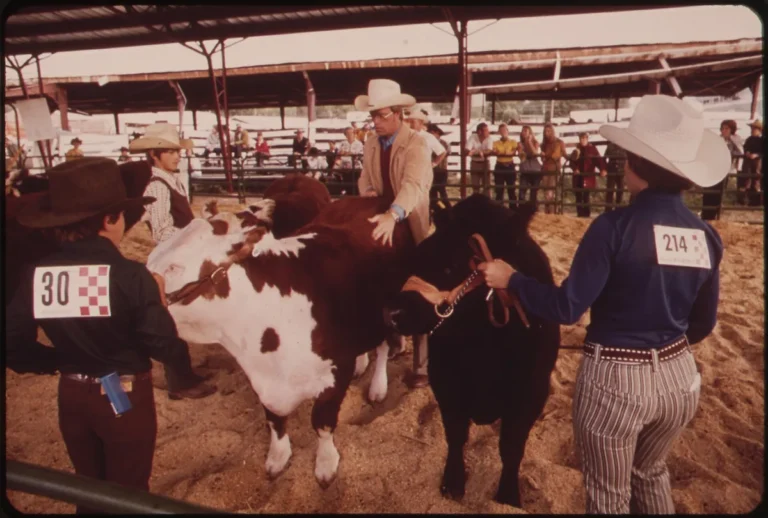
A county fair in this corner of Illinois is less a spectator event than a participation event. The animals in the barns were raised by people you might stand behind at the grocery store in Galena. The quilts and canned peaches in the exhibit hall came from kitchens a few miles away. The ribbons pinned to a pen or a jar of jam carry real weight, because everyone judging and everyone entered lives within the same 619 square miles.
The fair typically runs across several days in summer, opening in the morning and closing after the grandstand lets out. Expect livestock shows and judging, open-class exhibits in everything from vegetables to photography, a carnival midway, food stands run by churches and civic groups, and evening entertainment that draws the county’s families back to the grounds after supper.
For another look at how a community turns its own traditions into a gathering, see the Jo Daviess County Illinois Galena Oktoberfest Festival for a useful comparison.
It is also, quietly, the county’s annual reunion. People who moved away for work or school often time a summer visit around it, and the fairgrounds become the one place where a farm family, a shop owner from town and a retiree from the bluffs all end up in the same bleachers.
From 1827 Lead Country to Today’s Fairgrounds
Jo Daviess County was established in 1827, when this was still the far edge of settled Illinois. Galena, named the county seat, grew into a booming lead-mining town, its hillsides honeycombed with mines and its river landings busy with boats. That early prosperity — stone storefronts, steep streets, a courthouse on a bluff — shaped a county that has always been a little more hill country than prairie.
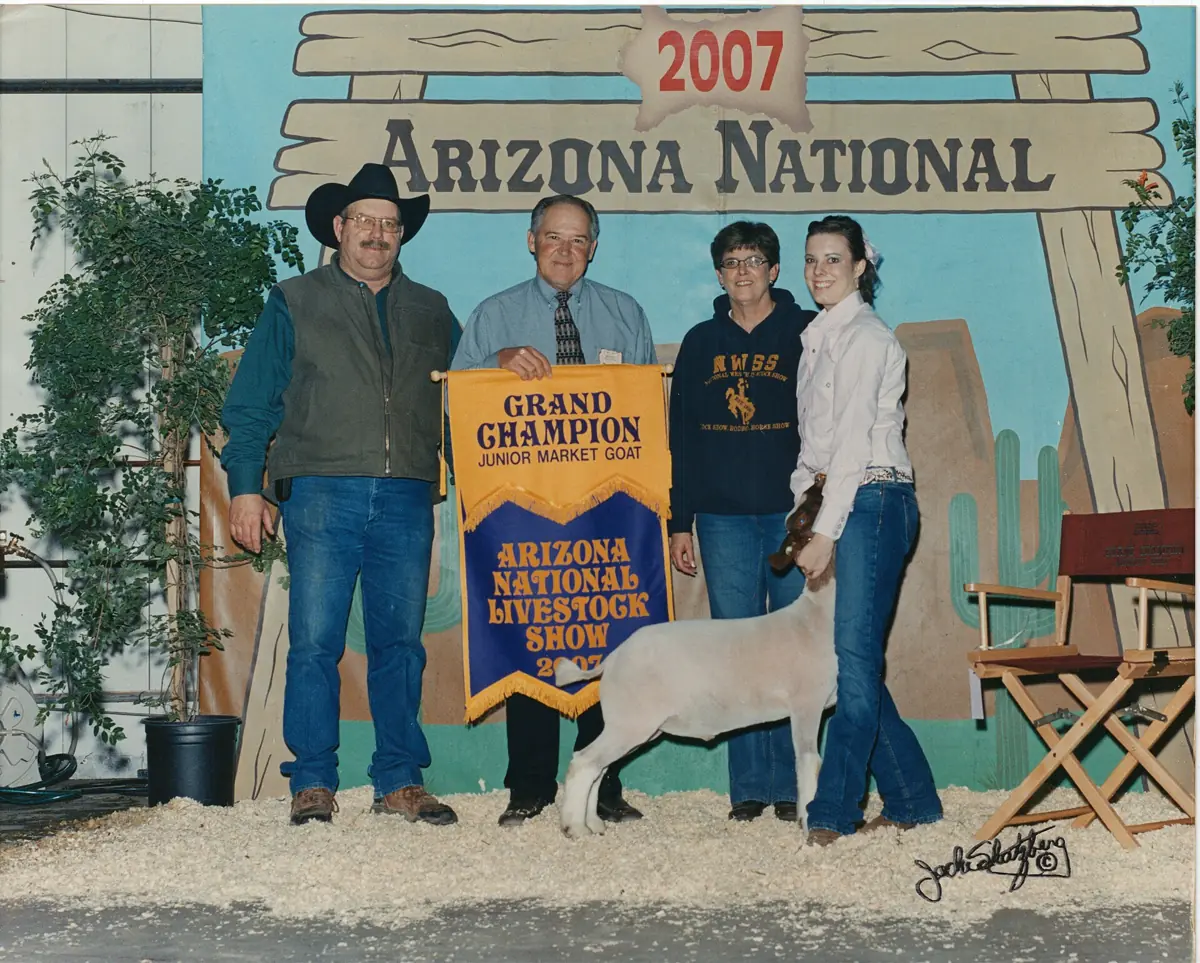
Fairs arrived in Illinois alongside the agricultural societies of the nineteenth century, when farmers gathered to compare livestock, swap seed and hear the year’s new ideas. Premiums for the best bull, the heaviest squash or the finest hand-stitched quilt were serious business, and the fairgrounds became the county’s biggest public stage long before there was anywhere else to go.
Through the twentieth century the fair picked up what we now think of as its familiar shape: 4-H clubs and their project animals, exhibit halls full of baking and crafts, a midway with rides, and grandstand nights with music, races or a demolition derby. Tractors replaced teams of horses, and the judging standards changed, but the rhythm of a fair week — morning barn chores, afternoon exhibits, evening crowd — stayed remarkably steady.
Today the fair is still run in that spirit, by a volunteer board and the kind of local groups that sell pie by the slice to fund a scholarship or a fire department. It is a tradition measured less in decades than in generations of the same families carrying the same buckets into the same barns.
What a Fair Day in Jo Daviess County Actually Feels Like
For the Baumanns, the day moves in three acts: animals, exhibits, then everything with a motor or a sugar coating. That is roughly how most visitors pace it, too.
Fair Food and the Lines Worth Waiting In
The food at a Jo Daviess County fair is the classic Midwest lineup: pork chops and brats, corn dogs, funnel cakes, lemonade shake-ups, kettle corn, soft-serve and pie. Church and civic stands often serve the best value — a plate of pulled pork or a slice of homemade pie that funds a local cause. Go early for the shortest lines, and expect the stands near the grandstand to be busiest right before the evening show.
Music, Grandstand Nights and Small-Town Entertainment
Evenings bring the biggest crowds. Grandstand programming varies by year and may include live music, truck or tractor pulls, a demolition derby, or a rodeo-style event, with local bands and DJs filling the gaps on the grounds. Bleacher seating fills fast on weekend nights, so claim a spot early, bring a cushion, and plan on a cooler evening once the sun drops behind the bluffs.
Things for Kids to Do Beyond the Rides
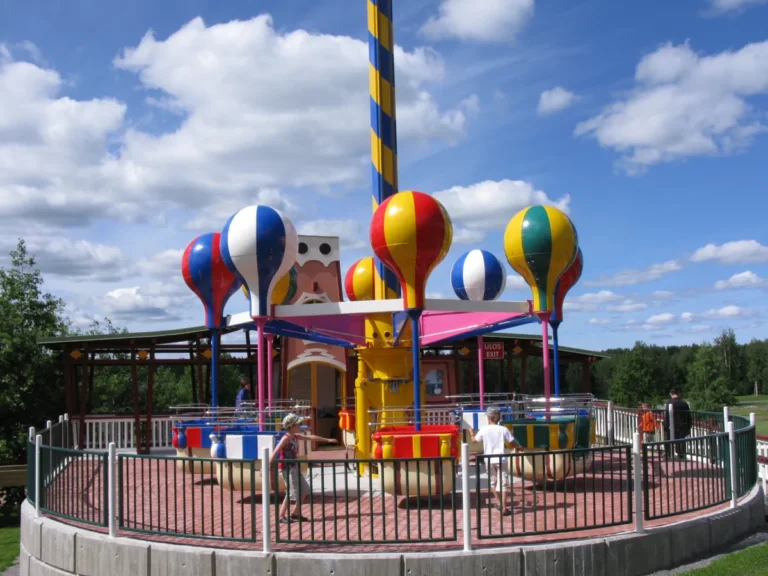
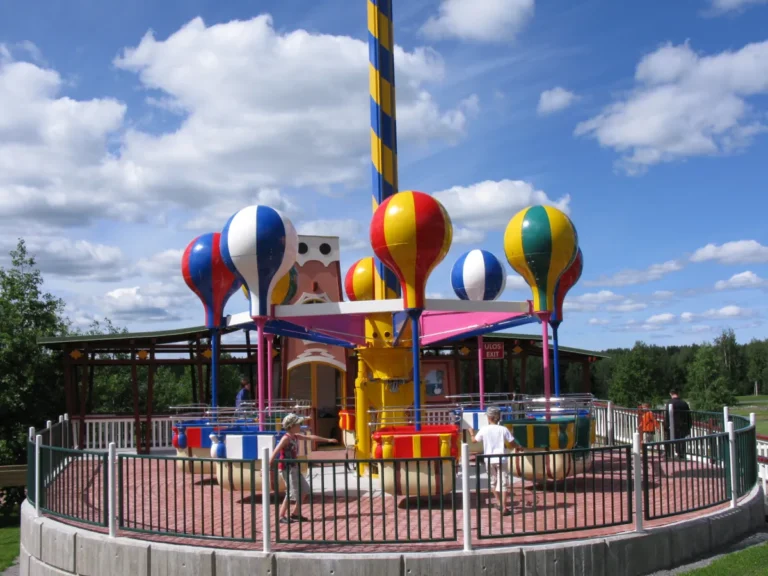
The midway is the obvious draw, but the barns are where younger kids often have the best time. Many fairs offer a petting area, a chance to watch a milking or a sheep shearing, and hands-on activities tied to 4-H projects. Older children can enter open-class categories themselves — a photograph, a batch of cookies, a vegetable from the garden — and come back the next day to see whether a ribbon is waiting.
Planning a Jo Daviess County Fair Trip From Anywhere
Because the fair sits in a rural county with no major city inside its borders, a little planning goes a long way. Most visitors come by car, and most of them stay within a short drive of Galena.
Getting There: Routes Into Jo Daviess County
Jo Daviess County sits in Illinois’s northwest corner, bordered by the Mississippi River on the west and Wisconsin to the north. Drivers arrive on the region’s two-lane highways and state routes, often via Galena or through the smaller county towns. From the east, the approach climbs into bluff country quickly, so allow extra time for slow-moving traffic near the fairgrounds during peak evening hours.
Where to Stay Around Galena and the County
Galena is the county’s lodging hub, with historic inns, bed-and-breakfasts and hotels, plus rental cabins scattered through the surrounding hills. Campgrounds and RV parks in the region suit families who want to stay close to the grounds. Book well ahead for fair weekends, when rooms in and around the county seat fill quickly.
Parking at the Fairgrounds
Expect on-site and adjacent field parking, usually managed by volunteers and often free or by donation. Grass lots can get soft after rain, so follow the attendants’ directions rather than inventing your own spot. Arrive before the evening grandstand rush if you want a short walk to the gate.
Admission, Wristbands and What Things Cost
Gate admission at fairs of this kind is typically free or very low, with the fair board earning its budget from food, ride tickets, raffles, grandstand events and entry fees instead. Many fairs sell unlimited-ride wristbands during certain sessions, which are usually the cheapest option for kids. Bring some cash, since small stands may not take cards.
Weather and What to Wear in Northwest Illinois
Summer in Jo Daviess County means warm, humid afternoons and noticeably cooler evenings once the sun sets behind the ridges. Dress in layers, wear shoes that can handle dust or mud, and pack sunscreen, a hat and a refillable water bottle. Afternoon thunderstorms build quickly in this part of Illinois; the exhibit halls and barns are the usual place to wait one out.
A Sample Fair Weekend, From Friday Gate to Sunday Afternoon
Friday. Arrive mid-afternoon, when the grounds are busy but not packed. Walk the barns while animals are being groomed for evening judging, then browse the open-class exhibits. Eat an early supper from a civic-group stand, claim bleacher seats, and stay for the grandstand event. Leave after the crowd thins rather than in the middle of the exit rush.
Saturday. This is the fullest day. Come for the morning livestock shows, when the barns are at their most active. Have lunch on the grounds, let the kids loose on the midway in the early afternoon, then take a break in the shade or back at your lodging during the hottest hours. Return for the evening entertainment and the fair at its liveliest.
Sunday. Sundays tend to feel slower and more local. Check the exhibit hall for results, buy something from the last of the food stands, and take one final lap through the barns. Many families finish with a drive into Galena for ice cream and a walk up the hills before heading home.
How the Jo Daviess County Fair Compares With Nearby Options
Galena. The county seat draws visitors year-round with its historic Main Street, shops and heritage weekends. Those events feel curated and tourist-facing; the county fair feels like the county talking to itself, which is exactly its charm.
Dubuque, Iowa. Across the Mississippi, Dubuque offers bigger-city festivals, riverfront concerts and museums. It is a good add-on for a longer trip, but it cannot replicate a small fair’s livestock barns and pie stands.
Neighboring county fairs. Other counties in northwest Illinois run their own summer fairs with similar traditions. Jo Daviess stands out for its bluff-country setting and for how tightly the fair is tied to the small towns and farms around it.
Fair-Day Checklist for Jo Daviess County
| Cash and a card | Small stands and raffle tables may be cash-only |
| Sunscreen and hats | Shade is limited on the midway and in the bleachers |
| Closed-toe shoes | Barns, gravel and grass lots get messy |
| A light jacket | Evenings cool off fast in the bluffs |
| Water bottles | Refill stations beat buying drinks all day |
| Camera or phone | For ribbon photos and exhibit hall finds |
| Lawn chairs or a blanket | Useful for grassy viewing spots |
| Patience for parking | Follow volunteers and arrive early |
Beyond the Fairgrounds: Galena, the Bluffs and the Backroads
A fair trip is a good excuse to see the rest of the county. Galena rewards a full day: steep streets, nineteenth-century brick storefronts, the former home of Ulysses S. Grant, and views over the Galena River valley. Outside town, the county’s backroads wind past orchards, vineyards, horse pastures and overlooks above the Mississippi.
Outdoor options include state parks and recreation areas along the river, where hiking trails climb to bluff-top views and paddlers work the backwaters. Small towns across the county offer diners, antique shops and meat markets worth a stop. Apple orchards and pumpkin patches make early autumn a strong second season here.
The Role the Fair Plays in Jo Daviess County Life
In a county of 619 square miles with no large city inside it, shared institutions matter. The fair is one of the few places where the whole county shows up at once: farm families, town residents, seasonal visitors and the volunteers who keep the grounds running. Money spent at the food stands and raffles tends to stay local, funding scholarships, 4-H programs, fire departments and community projects.
Just as important is what it teaches. For a child who raises an animal, keeps records and stands in front of a judge, the fair is a first lesson in responsibility and public speaking. For the adults in the bleachers, it is a yearly reminder that the county still knows itself.
Locating the Jo Daviess County Fair in Northwest Illinois
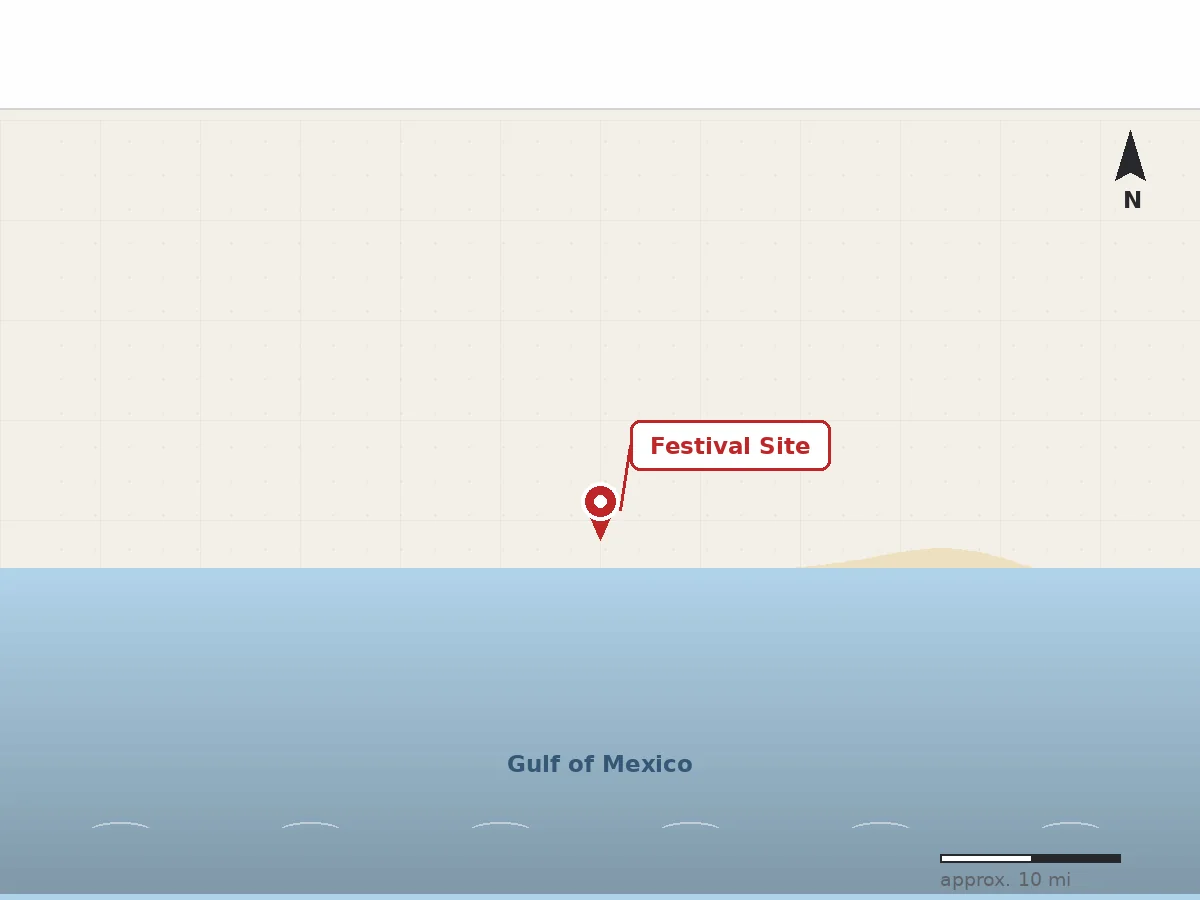
The fairgrounds sit within Jo Daviess County in Illinois’s northwest corner, a short drive from the county seat of Galena.
Jo Daviess County Fair Questions, Answered
Is the Jo Daviess County Fair free to attend?
Gate admission at fairs of this size is typically free or very low, though that can change year to year. Budget for food, ride tickets or wristbands, raffles and grandstand events, which are where the fair earns its money. Check locally before you go for the current arrangement.
How long does the fair usually run?
County fairs in this region generally run for several consecutive days in summer, often spanning a weekend. Some sessions are busier than others, with weekend evenings drawing the largest crowds for grandstand programming.
Is the fair a good outing for young children and older visitors?
Yes, with a little pacing. Mornings are cooler and calmer, barns and exhibit halls offer shade, and the grounds are compact enough to walk without exhausting anyone. Bring water, plan a midday break, and save the midway for the cooler hours.
What happens if it rains during the fair?
Summer storms in northwest Illinois are common and usually brief. Livestock shows and exhibits generally continue in the barns and halls, while outdoor events may pause or be rescheduled. Grass parking can get soft, so wear boots and follow volunteer directions.
What’s Ahead for Future Jo Daviess County Fairs
Like county fairs across the Midwest, this one balances tradition with change. Volunteer boards increasingly look for ways to keep younger families involved, from expanded kids’ activities to more flexible ride pricing, while protecting the livestock shows and exhibit competitions that define the event. Expect the fair to keep evolving in small, practical ways rather than reinventing itself.
The safest prediction is the one the Baumanns already rely on: another summer, another early start, another cooler packed for a long day in the bluff country.
Last updated: October 2026
If you plan a trip around the Jo Daviess County Fair, build in time for the barns, the exhibit hall and an evening in the bleachers. The fair lasts a few days, but the rhythm of it — neighbors, animals, ribbons and fair food under a northwest Illinois sky — is the part that brings families back every summer.
One Comment