Warren County Kentucky Latinoamericano Bowling Green Festival
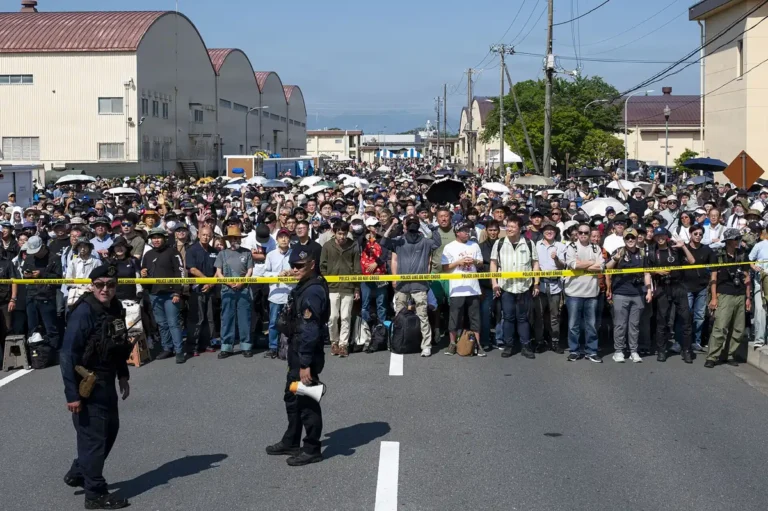
A new celebration made its first appearance in Bowling Green on a Saturday in mid-September, gathering the Latin American and Caribbean communities of south central Kentucky in one park for a full day of music, dance, food and shared heritage. The event opened without a ticket charge and filled Lampkin Park with folkloric dancers, food vendors and country-by-country displays that put the cultures of Mexico, El Salvador, the Dominican Republic and other nations side by side. It offered a day built entirely around Latin American and Caribbean life.
No source prints the sheet’s title as the event’s name. The organiser’s own website publishes it as “Festival Latinoamericano y del Caribe”, including the billing “Festival Latinoamericano y del Caribe 2026”, while a university newspaper layer calls it the “Latin American and Caribbean Festival” and uses the short form “Latin American Festival” in a photo caption. The record is thin, and that should be stated plainly: it rests on a single dated edition, the inaugural gathering of two thousand twenty-six, described by the organiser’s own website and a university newspaper layer. Nothing beyond those two layers is asserted here.
About the Festival
The gathering celebrates Latin American and Caribbean heritage in Bowling Green, the county seat of Warren County. Its home is Lampkin Park, and its organiser is the Hispanic Community Alliance of Bowling Green, Inc., named on the organiser’s own website in that incorporated form and named by a university newspaper layer simply as the Hispanic Community Alliance, the body that held the festival. The organiser’s own website describes the alliance as founded in Bowling Green with a mission of cultural connection, and presents the festival as a new signature initiative. Presenting sponsors are named on the organiser’s own website as a regional grocery group and a grocery store brand, and the organiser credits those sponsors with making the first edition free and open to the community.
The first edition took place on Saturday, the twelfth of September, two thousand twenty-six, running from eleven in the morning until eight in the evening. A university newspaper layer headlines the occasion as a “grand debut” and states that the Hispanic Community Alliance “held its first Latin American and Caribbean Festival” on that day. The organiser’s own website bills the same date, hours and park, and describes the festival as a signature initiative intended as an annual event. The alliance meant the gathering to return, not to stand as a one-off afternoon.
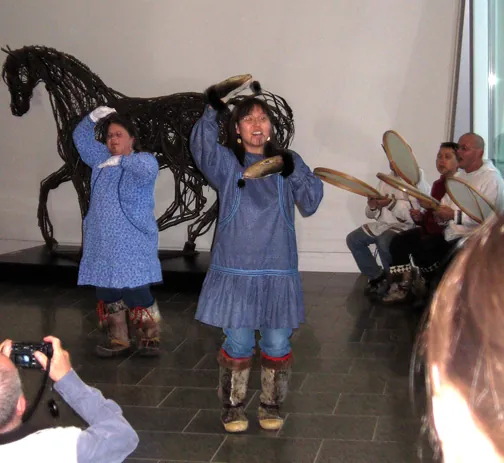
What the debut contained is documented by the university newspaper layer. Folkloric dance groups representing Mexico, El Salvador and the Dominican Republic performed during the day, bringing distinct national dance traditions onto the same programme. Food vendors served dishes from across the region, including Salvadoran pupusas, the griddled corn cakes filled with cheese, beans or meat that are a signature of Salvadoran cooking. Businesses and presenters showcased Latin American and Caribbean countries one by one, so visitors could move from one national display to another and meet the people behind each. Admission was free: the organiser’s own website states that the two thousand twenty-six festival “will be FREE and open to the community” thanks to its presenting sponsors, and no other price appears in any layer read.
For a useful comparison, see the Warren County Kentucky White Squirrel Arts Festival for another county festival.
Quick Facts
| Detail | Information |
| Festival | Warren County Kentucky Latinoamericano Bowling Green Festival |
| Published names | Festival Latinoamericano y del Caribe; Latin American and Caribbean Festival; Latin American Festival |
| Host town | Bowling Green, county seat of Warren County |
| Venue | Lampkin Park, Bowling Green |
| Organiser | Hispanic Community Alliance of Bowling Green, Inc. |
| First edition | Saturday, the twelfth of September, two thousand twenty-six |
| Hours | Eleven in the morning to eight in the evening |
| Admission | Free and open to the community |
| Programme | Music, folkloric dance, food vendors, cultural presentations, family activities |
| Record | One documented edition, the inaugural gathering of two thousand twenty-six |
History
The history of this festival is short, because the festival itself is new. Its founding edition is the two thousand twenty-six gathering, and the layers read say so in matching terms. A university newspaper layer calls the day a “grand debut” and records that the Hispanic Community Alliance “held its first Latin American and Caribbean Festival” on the twelfth of September, two thousand twenty-six. The organiser’s own website bills the same edition under the name “Festival Latinoamericano y del Caribe 2026” and presents it as a signature initiative. No earlier edition is documented in any layer read.
The organiser is the Hispanic Community Alliance of Bowling Green, Inc., an organisation the organiser’s own website describes as founded in Bowling Green with a mission of cultural connection. Its own website names presenting sponsors — a regional grocery group and a grocery store brand — whose support underwrote the first edition and made it free to attend.
Bowling Green gives the festival its setting. An encyclopedia reference layer confirms that Bowling Green is the county seat of Warren County, Lampkin Park, a neighbourhood park with open lawns and room for stages and vendors, gives it a practical home, and the choice of a public park rather than a ticketed venue fits the organiser’s stated aim of keeping the day open to the community.
This festival must be kept distinct from the other Latino celebrations in Bowling Green. BGFiestaval is a separate, longer-running biannual Latino festival held on Clay Street and documented in newspaper and local layers since roughly a decade before this debut. The Fall Fiesta, a Latino component staged inside the Downtown BGKY Harvest Fest, is likewise separate, as is a Latino Heritage Celebration hosted by a different Bowling Green organisation, La Conexion, and the Bowling Green International Festival is a separate, broader celebration of many cultures. None of those histories, dates or organisers belongs to this title, and none has been imported here.
What to Expect
Visitors to a future edition should picture a park day built around culture rather than commerce. Music runs through the afternoon, with traditional and folkloric dance as the centrepiece: groups representing Mexico, El Salvador and the Dominican Republic performed at the debut, Food vendors serve dishes from across Latin America and the Caribbean, and Salvadoran pupusas were among the foods documented at the first edition.
The day runs long, from eleven in the morning until eight in the evening at the debut, which leaves room for an unhurried visit.
One thing visitors should not expect is a long-established festival with decades of tradition behind it. This is a new event, and its record is thin: a single documented edition, described by two layers. Treat the debut as a guide to the festival’s character — music, dance, food, cultural presentation and family activity in a public park — while checking the organiser’s own website for the current year’s particulars before travelling.
Planning Your Visit
Lampkin Park in Bowling Green is the venue, and the debut edition ran from eleven in the morning until eight in the evening on a Saturday in mid-September. Mid-September in south central Kentucky is usually warm, with afternoons that invite an outdoor day and evenings that cool enough for a light layer, so visitors should dress for a full day outside and bring sun protection for the middle hours. Comfortable shoes matter more than formal dress.
Because the first edition was free and open to the community, no ticket purchase was needed. Visitors should still bring money for food and for anything vendors are selling, since food vendors and business showcases are central to the day. Expect the gate to be open and the food to be paid for.
Getting to Lampkin Park means getting to Bowling Green, the county seat of Warren County and one of the larger cities in the region, served by the roads that run through south central Kentucky. Parking and transit arrangements for a future edition are not stated in the layers read, so visitors should allow extra time on the day and follow whatever directions the organiser publishes nearer the time.
A Sample Itinerary
Arrive at Lampkin Park in the late morning, shortly after the eleven o’clock opening, and take a first slow circuit of the park to get a sense of the layout: the performance area, the food vendors, and the country displays set out by businesses and presenters. That opening walk is the best way to spot the dishes and displays that interest you most, and to plan the rest of the day around them.
Spend the middle of the day with the dance programme. The folkloric groups representing Mexico, El Salvador and the Dominican Republic were the documented performers at the debut, and their sets are the moments the day is built around, so settle in for a full performance rather than catching a fragment on the way past something else. Between sets, visit the food vendors.
How This Festival Compares
Bowling Green hosts several cultural celebrations, and this festival occupies a distinct place among them. The Bowling Green International Festival is the city’s broadest cultural event, bringing many nations and traditions together under one banner, with a longer history and a larger footprint. This festival is narrower by design: it celebrates Latin American and Caribbean heritage alone, through a single community alliance rather than a citywide organising effort. That focus gives it a different character, more intimate and more specific, with a programme built around the dance, food and cultural presentation of one region of the world.
BGFiestaval, the longer-running biannual Latino festival on Clay Street, is the closest comparison, and the two should not be confused. BGFiestaval has been documented in newspaper and local layers since roughly a decade before this debut, and it runs twice a year on a city street rather than once in a park. The Fall Fiesta is a Latino component staged inside the Downtown BGKY Harvest Fest rather than a standalone event, and the Latino Heritage Celebration hosted by La Conexion is its own separate gathering. Each has its own organiser, venue and history.
Checklist for Visitors
- Arrive in the late morning to catch the opening hours and the first dance sets
- Wear comfortable shoes for a day spent on park lawns and paths
- Bring sun protection for the midday hours and a light layer for the evening
- Carry money for food vendors, including the Salvadoran pupusas documented at the debut
- Walk the country-by-country displays slowly and talk with the presenters
- Settle in for full folkloric dance performances rather than passing fragments
- Allow time for the family activities listed in the organiser’s programme
- Check the organiser’s own website for the current year’s date, hours and lineup before travelling
Beyond the Festival
Lampkin Park sits in Bowling Green, a city with more to offer a visitor than a single festival day. The city is the county seat of Warren County and a regional centre for south central Kentucky, with a downtown that rewards a walk and a food scene that reflects the same diversity the festival celebrates. A visitor who comes for the festival could spend time exploring the city’s streets, parks and restaurants.
Why This Festival Matters
A new festival matters because it marks a community choosing to celebrate itself in public. The Hispanic Community Alliance of Bowling Green, Inc. founded this gathering to give Latin American and Caribbean heritage a dedicated day in the city’s calendar, and the debut delivered exactly that: folkloric dancers from Mexico, El Salvador and the Dominican Republic, food vendors serving dishes such as Salvadoran pupusas, and country-by-country displays that let visitors meet the people and cultures behind each table. The free, open gate meant that no one was kept out by price, and the park setting kept the day informal and welcoming.
The festival also matters because it adds a distinct voice to Bowling Green’s cultural life. The city already celebrates many cultures through its International Festival, and it already hosts a longer-running Latino festival on Clay Street. This gathering adds a third strand: an annual, park-based celebration organised by a community alliance whose mission is cultural connection, focused entirely on Latin American and Caribbean heritage. It does not borrow another event’s history.
Frequently Asked Questions
What is the Warren County Kentucky Latinoamericano Bowling Green Festival?
It is a cultural festival celebrating Latin American and Caribbean heritage in Bowling Green, held in Lampkin Park and organised by the Hispanic Community Alliance of Bowling Green, Inc. The event is published as “Festival Latinoamericano y del Caribe” on the organiser’s own website and as the “Latin American and Caribbean Festival” in a university newspaper layer, and the sheet’s exact title is never printed as the event’s name.
When did the festival first take place?
The first edition took place on Saturday, the twelfth of September, two thousand twenty-six, from eleven in the morning until eight in the evening in Lampkin Park. A university newspaper layer headlines the day as a “grand debut” and states that the Hispanic Community Alliance “held its first Latin American and Caribbean Festival” on that date. No earlier edition is documented in any layer read.
Was there an admission charge for the first edition?
No. The organiser’s own website states that the two thousand twenty-six festival “will be FREE and open to the community” thanks to its presenting sponsors, a regional grocery group and a grocery store brand.
How is this festival different from BGFiestaval?
BGFiestaval is a separate, longer-running biannual Latino festival held on Clay Street and documented in newspaper and local layers since roughly a decade before this debut. This festival is newer, set in Lampkin Park, organised by the Hispanic Community Alliance of Bowling Green, Inc., and intended as an annual event. The two share a city and a broad cultural focus, but they have different organisers, venues and histories, and they should not be merged.
What to Expect From the Next Warren County Kentucky Latinoamericano Bowling Green Festival
How often is Warren County Kentucky Latinoamericano Bowling Green Festival held?
The organiser’s own website describes the festival as a signature initiative intended as an annual event, and the debut took place in September of two thousand twenty-six.
When is the next Warren County Kentucky Latinoamericano Bowling Green Festival?
No date for a following edition is fixed in the layers read. The debut was held on Saturday, the twelfth of September, two thousand twenty-six, in Lampkin Park.
Will the dates change?
The debut fell in mid-September, and the organiser describes the festival as intended to return each year, but the layers read carry no confirmed date for a following edition. Visitors should treat the mid-September timing of the debut as a guide to the festival’s season while confirming the current year’s date with the organiser before travelling.
This festival’s beginning is worth recording exactly as the layers read describe it: a free, open day in Lampkin Park, filled with folkloric dance, food and cultural display, organised by a community alliance that means it to return.