Honolulu County Hawaii Okinawan Festival
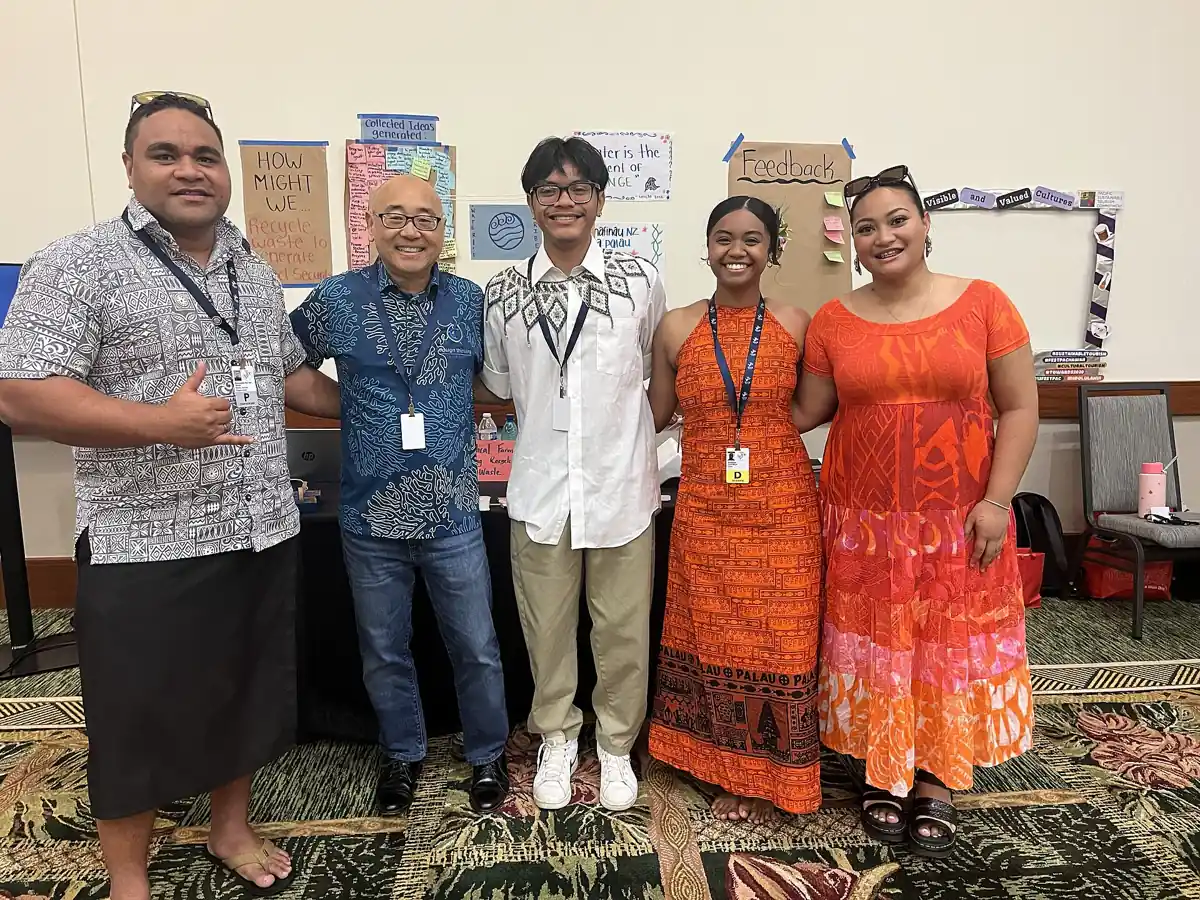
On a late-summer weekend in Honolulu County, the giveaway is the line. It curls past the tents, past the folding chairs, past families who have clearly done this before — coolers parked, mats unrolled, aunties calling out to each other across the grass. The Okinawan Festival is one of those Honolulu County gatherings that regulars build their month around, and once you have spent an afternoon on the grounds, the loyalty makes sense.
Ask people who return every year and they describe the day in habits rather than highlights. They arrive early to beat the food queues. They claim shade before the music starts. They leave with a craft they did not plan to buy and a plate they did not plan to finish. The festival is a celebration of Okinawan culture, but it is also simply a very Honolulu County way to spend a weekend: barefoot kids, trade-wind shade, and drums carrying across an open field.
The Essentials: Okinawan Festival, Honolulu County
| Town / area | The Honolulu County area, with Honolulu as the county seat and main gateway |
| County | Honolulu County, Hawaii |
| County seat | Honolulu |
| Population | 1,016,508 |
| Land area | 2,128 square miles |
| Region | Island of Oahu, Hawaii |
| Typical timing | A weekend in late summer, in most years |
| Admission | Typically free to enter; food, crafts, and some activities are paid separately |
| Setting | Open-air grounds with tents, lawn seating, and steady trade-wind breezes |
| Signature features | Okinawan food stalls, sanshin music, eisa drumming, bon dance, cultural crafts |
What the Okinawan Festival Actually Is
Strip away the schedule and the Okinawan Festival is a cultural homecoming with a food court attached. It brings together the food, music, dance, and craft traditions that Okinawan families carried to Hawaii and kept alive through generations. The county’s Okinawan community is one strand of a much larger local fabric, but the festival is the moment each year when that strand is most visible.
Practically speaking, it is an outdoor, walk-around event. You move between food stalls, a performance area, craft tables, and open lawn where people sit and eat. Nothing is rigid. Families drift in and out of the entertainment. Children rotate between games and snacks. Older attendees find a chair in the shade and stay put, greeting a steady stream of friends.
That looseness is the point. Residents describe the festival less as a show to watch and more as a place to be seen, fed, and reminded of where their families came from.
How Okinawan Culture Took Root in Honolulu County
Okinawan migration to Hawaii began in the early decades of the twentieth century, when workers left the Ryukyu Islands for plantation and urban jobs across the islands. On Oahu, many settled in and around Honolulu, where work, schools, and an established immigrant community made permanent life possible. The county seat of Honolulu became the cultural anchor.
What held that community together was not a single institution but a web of them: family associations, social clubs, church groups, and neighborhood gatherings. Those groups preserved language, recipes, music, and dance at a time when assimilation pressure ran the other way. Picnics and club functions were the original stages.
The modern festival grew from that habit of gathering. Over the decades it shifted from small community functions toward a public celebration open to anyone curious about Okinawan culture, while keeping the club-and-family backbone that organizers still rely on. The result is an event that feels large on the grounds and personal in the details — because the people running the food booths are often the same families who have run them for years.
Inside a Festival Day in Honolulu County
Food: Andagi, Okinawan Soba, and Queues Worth Standing In
Food is the main event for a large share of attendees, and residents will tell you the strategy plainly: eat first, wander later. Okinawan soba, andagi (the deep-fried dough balls that sell out fastest), and other island-Japanese dishes dominate the stalls. Portions are generous, queues are long, and the smartest visitors split up — one person holds a place in line while another scouts a second stall.
Bring cash habits from an earlier era and you will still be fine, though most stalls have moved toward card and phone payments. What has not changed is the timing: the longest lines form in the first couple of hours after gates open and again around the dinner rush.
Music and Entertainment: Sanshin, Eisa, and Bon Dance
The soundtrack moves in waves. Sanshin players and singers carry the older repertoire; eisa drumming brings the volume and the crowd to its feet; bon dance closes the day with a circle that anyone can join, even with no idea what they are doing. Nobody minds a beginner. In fact, longtime attendees say the newcomers shuffling along at the edge are part of the tradition.
Between performances, emcees keep the program moving and explain what you are watching — useful if this is your first encounter with Okinawan performing arts.
Family Activities: Keiki Games, Craft Tents, and Hands-On Tradition
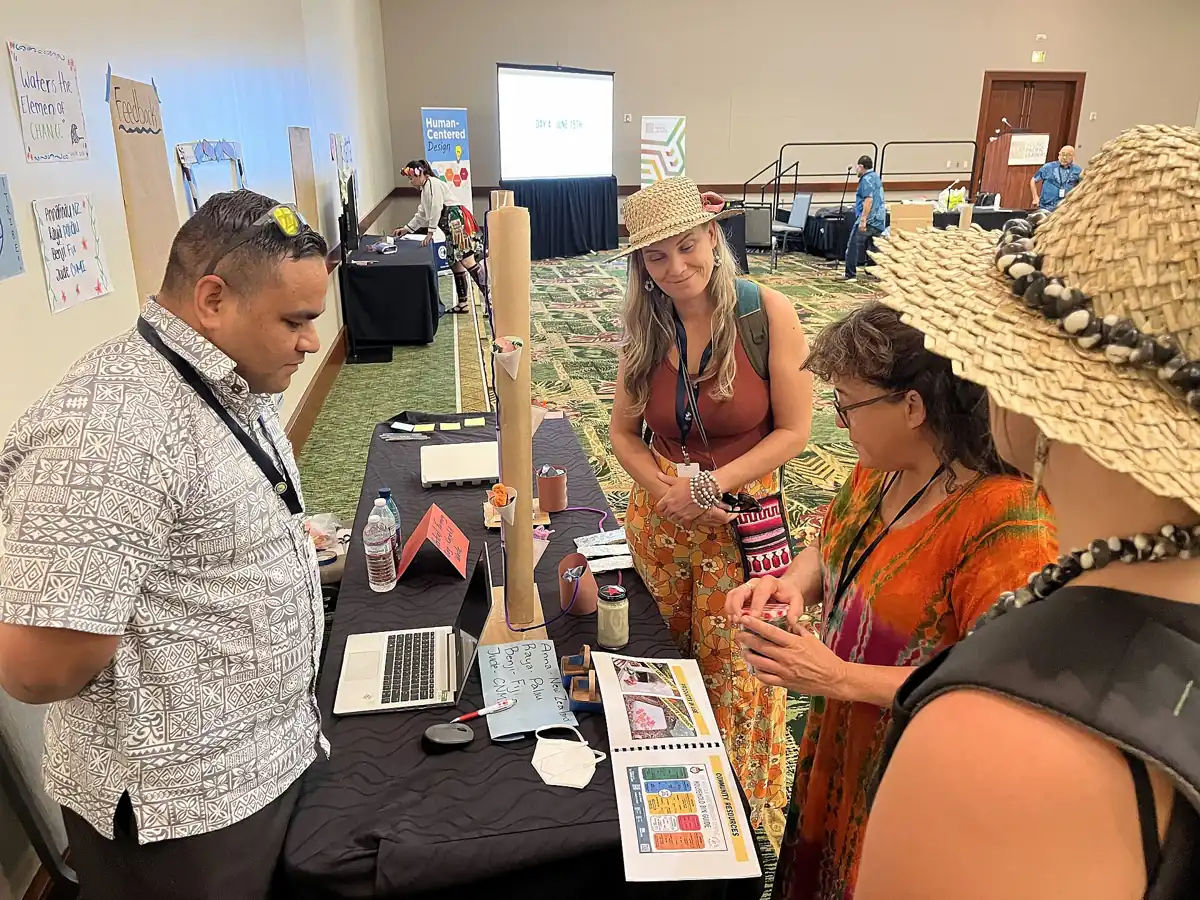
This is a genuinely family-friendly festival. Keiki activities, craft demonstrations, and hands-on tables give children something to do besides eat. Craft tents sell textiles, ceramics, and small gifts, and many vendors are happy to explain the techniques behind what they are selling. Older relatives often use the craft area as a teaching moment, walking grandchildren through patterns and tools their own parents used.
Getting Your Festival Weekend in Order
Getting There from Waikiki, Kapolei, and the Windward Side
Honolulu County covers the whole island of Oahu, so “getting there” depends entirely on which side you wake up on. From Waikiki and central Honolulu, the drive is short but traffic-sensitive. From Kapolei and the Leeward side, plan for a longer haul on the H-1. From Kailua, Kaneohe, and the Windward side, the Pali and Likelike highways are your routes, and both can slow to a crawl on a weekend afternoon. Rideshare works, but pickup zones get congested near the end of the day.
Where to Stay in Honolulu County
Honolulu is the obvious base: the widest range of hotels, the easiest access to the rest of the island, and the county seat’s restaurant scene for the meals you are not eating at the festival. Visitors who want a quieter weekend often choose the Windward side or the North Shore and accept a longer commute. Book early for late summer, when Oahu lodging fills with both festival-goers and general vacation traffic.
Parking, Shuttles, and Traffic Realities
Parking near any large Honolulu County event is the weakest link in the plan. Arrive at opening if you are driving, expect to walk, and never count on a space appearing just as you pull in. Carpooling with friends or family is the local habit, and it solves both the parking problem and the post-festival gridlock. If a shuttle is offered in a given year, use it — it usually beats circling.
Admission, Food Tickets, and Realistic Costs
Admission is typically free, which is a big part of why the festival draws such a broad cross-section of Honolulu County. Your spending happens inside: food, drinks, crafts, and a few activity tables. Set a rough budget per person, bring a little cash as backup, and expect the total to depend mostly on how many times you return to the andagi line.
Weather: Sun, Trade Winds, and Sudden Showers
Late summer on Oahu means heat, humidity, and strong sun. Trade winds usually keep the grounds bearable, but shade is a finite resource and it goes early. Bring reef-safe sunscreen, a hat, and a refillable water bottle. Brief showers are always possible, so a light rain layer costs you nothing and occasionally saves an afternoon.
A Sample Late-Summer Festival Weekend
Morning: Start with a light breakfast near your lodging — you want appetite, not fullness. Drive or ride in early, claim parking while it exists, and walk the grounds once before the crowds thicken. This is your window for photos and for figuring out which food stall you actually want.
Midday: Eat. Split the food runs with your group, share plates, and try at least one thing you cannot pronounce. Then find shade and settle in for the music program. This is the slow, social part of the day — the part regulars describe as the reason they come.
Afternoon: Browse the craft tents, let the kids loose on the family activities, and catch an eisa performance. If the sun is beating down, retreat to the shade, refill water, and pace yourself for the evening.
Evening: Stay for the bon dance. Join the circle even badly. Then eat one more time, because leaving without a final snack is the one decision every returning attendee regrets.
How the Okinawan Festival Compares with Other Honolulu County Gatherings
Oahu’s festival calendar is crowded, and each gathering has a distinct personality. Community events in Kailua and Kaneohe on the Windward side tend to be smaller, breezier, and more neighborhood-scale. Celebrations in Kapolei and the Leeward communities often lean newer and family-suburban, with ample parking and shorter queues. Beachfront events in Waikiki trade intimacy for spectacle.
The Okinawan Festival sits somewhere in the middle: bigger than a church bazaar, warmer than a tourist-facing beach event, and rooted in a specific cultural community rather than a generic island theme. If you only have one weekend, it rewards people who care about food and music more than about stage production.
A Pocket Checklist for the Okinawan Festival
Pack light but pack deliberately: reef-safe sunscreen, a hat, sunglasses, a refillable water bottle, a light rain jacket, a folding mat or small chair for lawn seating, a tote for craft purchases, and a little cash. Wear comfortable shoes you can stand in for hours, and dress for heat rather than for photos.
Plan around three things: arrival time, food timing, and hydration. Arrive early, eat before you are starving, and drink water between every snack. Charge your phone the night before — you will use it for meetups, payments, and directions. And if you are meeting people there, pick a landmark inside the grounds, because cell service gets sluggish when thousands of people gather in one field.
Beyond the Festival: Honolulu County After the Last Drumbeat
The festival is a strong excuse to explore the rest of Honolulu County, which stretches across the entire island of Oahu and packs 2,128 square miles of coastline, ridges, and neighborhoods into one county. Stay an extra day and the itinerary writes itself: Honolulu’s museums and historic sites, the Windward side’s beaches and small towns, the North Shore’s surf-watching and shrimp stands, and the Leeward coast’s quieter sunsets.
Food is the throughline. After a weekend of festival plates, residents will point you toward local bakeries, plate-lunch spots, and Okinawan-influenced restaurants around Honolulu where the same flavors show up in everyday form. That continuity — festival food on a weekend, home cooking on a Tuesday — is what makes the culture feel alive rather than curated.
What the Okinawan Festival Means to Honolulu County
For a county of more than a million people spread across one island, shared traditions matter. The Okinawan Festival gives a specific community a public stage, and it gives everyone else an invitation. That is a meaningful thing in a place where so many families arrived from somewhere else within the last few generations.
Residents describe it as a reunion that happens to be open to the public. Grandparents bring grandchildren to show them the dances they grew up with. Volunteers staff booths their parents once worked. Visitors with no Okinawan heritage at all leave with a new favorite food and a better sense of how Hawaii’s cultures layer on top of one another. That combination — heritage for some, discovery for others — is why the festival keeps drawing crowds year after year.
Where the Okinawan Festival Happens in Honolulu County
The festival takes place within the Honolulu County area on the island of Oahu, with Honolulu — the county seat — serving as the practical base for most visitors.
What First-Timers Ask About the Okinawan Festival
Do I need to be Okinawan to enjoy it?
No, and you will not be treated as an outsider. The festival is built for the community first, but it is deliberately open, and the food, music, and dance are presented so that anyone can follow along. Ask questions at the craft tables, join the bon dance, and you will be welcomed.
Is admission really free?
Admission is typically free. You pay for food, drinks, crafts, and some activities once you are inside, so budget for those rather than for a gate fee. Bring a small amount of cash as a backup even if you plan to use a card.
How early should I arrive?
Arrive near opening. You get easier parking, shorter food lines, first pick of shade, and a calmer look at the grounds before the crowds settle in. Late afternoon is the busiest stretch, especially around the evening performances.
What should I wear?
Comfortable, breathable clothing and shoes you can stand in for hours. Add a hat, sunscreen, and a light rain layer. Late summer in Honolulu County is hot, and the grounds offer more sun than shade.
The Okinawan Festival’s Next Chapter in Honolulu County
The festival’s future looks like its past: community-led, food-driven, and dependent on volunteers who show up year after year. The pressure points are familiar to every large Honolulu County gathering — parking, crowd management, and the cost of putting on an event of this size. The opportunity is generational. Younger organizers are bringing digital payments, better accessibility planning, and social media outreach to a tradition built on church picnics and club functions.
If that handoff works, the Okinawan Festival keeps its double identity: a family reunion for one community and a wide-open invitation for everyone else in Honolulu County. Few local events manage both so comfortably.
Last updated: October 2026
Come for the andagi, stay for the drums, and leave with grass stains, a full stomach, and the distinct sense that you stumbled into something bigger than a weekend food fair. The Okinawan Festival is Honolulu County at its most generous — a place where the line is long, the shade is shared, and nobody asks whether you belong before handing you a plate.