Hawaii County Hawaii Island LGBTQ+ Pride Festival
A Hilo Family’s Day at Hawaii Island LGBTQ+ Pride
The morning air in Hilo still carries the soft edge of rain when Malia and Keanu pack their two keiki into the car. They are heading to Island LGBTQ+ Pride, the Hawaii County Hawaii Island LGBTQ+ Pride Festival, and the day already feels like a family ritual: sunscreen, water bottles, a rainbow flag folded on the dashboard, and a cooler of snacks for the ride. As they drive toward the Hawaii County area gathering, the kids ask who will be there. The answer is simple: neighbors, aunties, uncles, classmates, and families from across Hawaii Island. By midmorning, the festival grounds hum with music, laughter, and the easy rhythm of a community that knows how to welcome people in. For this ʻohana, Pride is not a single stop on the calendar. It is a full day of belonging, and it begins the moment they park and step into the crowd.
Hawaii County Hawaii Island LGBTQ+ Pride Festival: Key Details for Visitors
| Town | Hawaii County area |
| County | Hawaii County, Hawaii |
| County seat | Hilo |
| Population | 200,629 |
| Region | Hawaii Island |
| Typical timing | Pride season, usually a weekend in early summer |
| Admission | Typically free |
| Setting | Outdoor and community venues across the Hawaii County area |
| Features | Music, food, keiki activities, resource booths, drag and cultural performances |
| Organizer | Local LGBTQ+ community volunteers and allies |
What Island LGBTQ+ Pride Is and Who It Serves in Hawaii County
Island LGBTQ+ Pride is a community-centered Pride festival for the Hawaii County area. It brings together LGBTQ+ residents, their families, friends, and allies for a day of visibility, joy, and connection. Because Hawaii County is home to 200,629 people spread across a vast island, the festival acts as a rare chance for people from different districts to gather in one place. The event is typically free to attend, making it accessible to keiki, elders, students, and visitors. You will find performances, food, resource tables, and spaces for conversation. The tone is less about spectacle for its own sake and more about the everyday courage of living openly in a place where community ties run deep. For the Kaʻawa family, that means their children can see other families like theirs, and Malia can reconnect with friends she only sees at Pride each year.
How Pride Took Shape in the Hawaii County Area
Island LGBTQ+ Pride began as a grassroots response to a simple need: LGBTQ+ people in the Hawaii County area wanted a safe, visible place to celebrate together. What started as informal meetups and potlucks gradually grew into a public festival with music, food, and family activities. Volunteers from Hilo and other Hawaii County communities built the event around inclusion, making sure Native Hawaiian cultural values of ʻohana and aloha shaped the atmosphere. As the festival matured, it added resource booths, youth spaces, and performances that reflect the diversity of Hawaii Island. The event has never been about a single headline act or a massive crowd. Its strength is in the relationships it sustains—between neighbors, between generations, and between LGBTQ+ residents and the wider community. Each season, the festival returns to that foundation.
What One Family Finds Around Every Corner
The Kaʻawa family arrives with a loose plan: food first, then music, then the keiki zone, then whatever catches their attention. That flexibility is part of the festival’s charm. The grounds are small enough to wander without feeling rushed, but varied enough that every hour brings a new pocket of activity.
Food That Tastes Like Hawaii Island
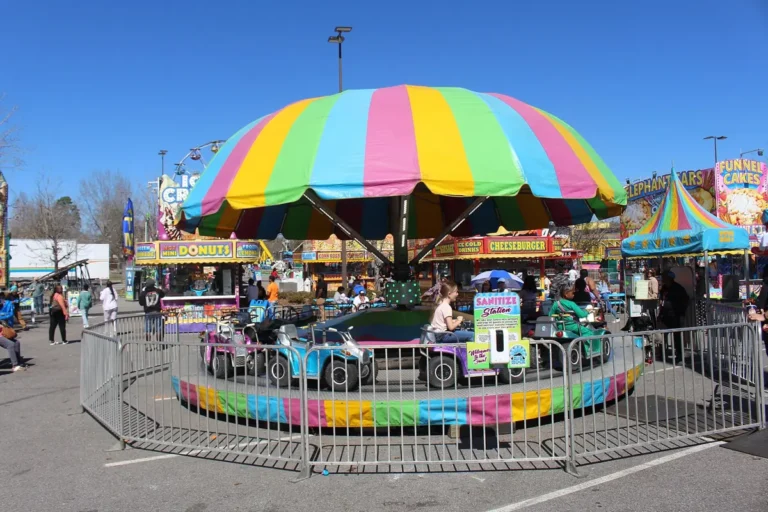
The food area is one of the first places the Kaʻawa keiki pull their parents toward. You can expect local favorites and festival staples: plate lunches, grilled skewers, shave ice, baked goods, and refreshing drinks. Vendors often reflect the island’s mixed plate culture, so a single meal might include rice, mac salad, and something cooked fresh on site. Vegetarian and keiki-friendly options are usually part of the mix. Because seating can be limited, many families spread a blanket on the grass and turn lunch into a picnic. Bring cash or a card, depending on vendor setup, and keep a reusable water bottle handy.
Music and Entertainment Across the Pride Grounds
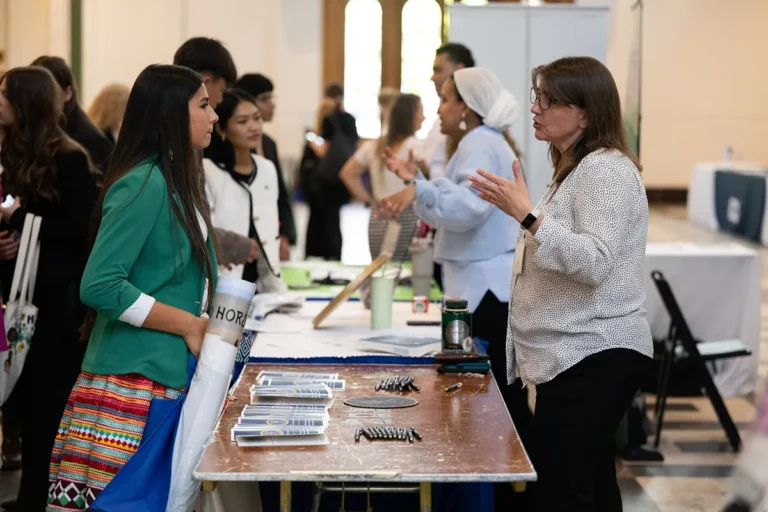
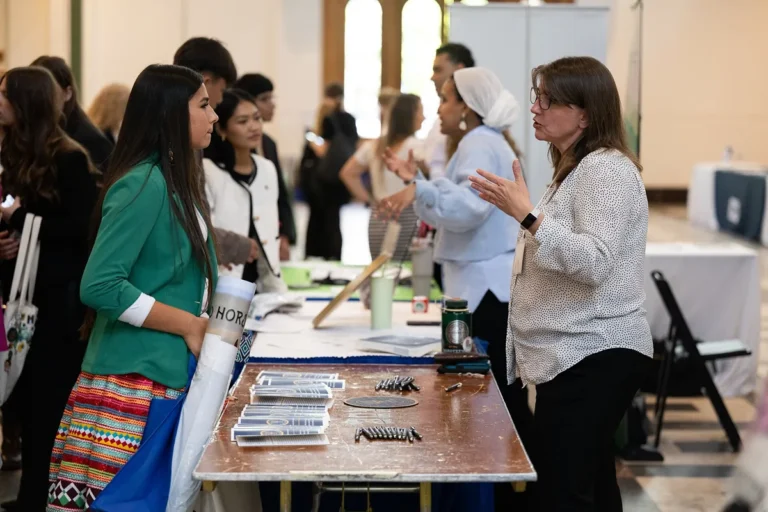
Music is the heartbeat of the festival. Local performers, DJs, drag artists, and cultural groups take the stage throughout the day, mixing Hawaiian melodies, pop, and dance tracks. Between sets, you might hear speeches from community leaders or poetry from young LGBTQ+ voices. The entertainment is not wall-to-wall noise; there are quieter corners for conversation and resource sharing. For the Kaʻawa family, the drag performances are a highlight, but so is watching their keiki join a hula or line dance when the call goes out. The schedule usually flows from afternoon into early evening, with the biggest performances later in the day.
Family Activities for Keiki and Caregivers
Pride is designed with families in mind. Expect craft tables, face painting, rainbow temporary tattoos, and games that let children move and make friends. There may be a keiki zone with supervised activities, though caregivers should plan to stay with younger children. Stroller access is generally possible, but some venues have uneven grass or gravel. The festival also offers a gentle introduction to community resources for parents seeking support, playgroups, or youth programs. The Kaʻawa family uses the family area as a home base: one parent watches the kids while the other explores vendors, then they swap.
Planning a Pride Weekend in and Around Hilo
A little planning goes a long way in Hawaii County, where distances are long and weather can shift quickly. Whether you live in Hilo or are visiting from elsewhere on Hawaii Island, these practical notes will help you make the most of the festival.
Getting to the Hawaii County Pride Celebration
Most visitors reach the Hawaii County area by flying into Hilo, the county seat, or by driving from elsewhere on Hawaii Island. The festival is typically held in the Hawaii County area, so once you are on the island, a rental car or a ride from a friend gives you the most flexibility. Public transit options may be limited depending on the exact venue, so check local routes if you are not driving. If you are coming from the Kona side, plan for a long scenic drive; the island is large, and distances can surprise first-time visitors.
Where to Stay Near Hilo and the Festival Area
Hilo offers the widest range of lodging, from hotels and inns to vacation rentals and hostels. Staying in or near Hilo puts you close to the county seat and makes it easy to attend the festival without a long return drive. If you prefer a quieter stay, look at nearby communities along the Hamakua Coast or south of Hilo. Book early during Pride season, especially if the festival falls on a popular weekend. Camping and hostel options exist, but they fill quickly.
Parking and Getting Around Hilo for Pride Weekend
Parking depends on the venue. Some years the festival uses a park or community space with limited lots; other years it spreads across multiple locations. Arrive early if you want a close spot, and carpool when possible. Be prepared to walk a few blocks. Rideshare may be available, but it can be scarce in rural parts of Hawaii County. If you have mobility needs, look for drop-off zones near the entrance.
Admission and Costs at Island LGBTQ+ Pride
Admission to Island LGBTQ+ Pride is typically free. That means your main costs are travel, food, and any merchandise or crafts you choose to buy. Vendors set their own prices, and some may prefer cash. Bringing a reusable water bottle and snacks can keep the day affordable, especially for families. If you are able, supporting local vendors is a meaningful way to contribute to the community.
Hilo Weather and What to Wear to Pride
Hilo is known for rain, and the Hawaii County area can move through sun, mist, and showers in a single afternoon. Dress in light layers, wear comfortable shoes, and bring a rain jacket or small umbrella. Sunscreen and a hat are wise even when clouds are out. If the festival is outdoors, a blanket or folding chair can make the day more comfortable. Check the forecast before you leave, but do not let a passing shower keep you away.
A Sample Weekend Itinerary for Hawaii Island LGBTQ+ Pride
Arrival afternoon: Check into lodging in or near Hilo. Take a gentle walk through town, pick up snacks, and let the keiki stretch their legs. In the evening, eat a casual dinner and review the festival schedule. Get to bed early.
Festival morning: Arrive as gates open. Start at the resource tables, then let the kids visit the keiki zone. Grab a late-morning snack and find a shady spot to people-watch.
Festival afternoon: Catch a music set, share a plate lunch, and watch a drag or cultural performance. The Kaʻawa family uses this time to meet friends and take photos.
Festival evening: Stay for the closing performances if the kids have energy. If not, head back for a quiet dinner and talk about favorite moments.
Departure morning: Visit a farmers market or a nearby park before leaving. It is a gentle way to carry the festival’s spirit into the rest of the weekend.
How Island LGBTQ+ Pride Compares with Other Hawaii County Gatherings
Hilo’s Pride is intimate and community-led. The Kona side tends to have a more resort-and-beach rhythm, while Hamakua Coast towns offer a slower, rural feel. Compared with larger Pride festivals in major cities, Island LGBTQ+ Pride is smaller and more neighborly. That is its strength: you are likely to run into people you know, and the day feels like an ʻohana reunion as much as a public event.
A Practical Checklist Before You Head to Pride
Pack a reusable water bottle, sunscreen, a rain jacket, comfortable shoes, a blanket or folding chair, cash for vendors, and a rainbow flag if you have one. Check the festival schedule, confirm the venue, arrange parking or rideshare, and charge your phone. Bring a small first-aid kit and any medications. If you have keiki, pack snacks, wipes, and a change of clothes. Finally, pace yourself—Hawaii County weather and festival energy can be a lot in one day.
Beyond the Festival: Exploring the Hawaii County Area
Hilo is the county seat and a natural base for exploring the Hawaii County area. Beyond the festival, families can wander the waterfront, browse local shops, or take a scenic drive along the coast. The island’s population of 200,629 is spread across a wide landscape of rainforest, coastline, and open country, so even a short trip can feel like a change of pace. Farmers markets, parks, and quiet beaches offer easy ways to extend your stay. If you have time, let the keiki run, eat something local, and watch the light change over the water.
What Pride Means to Hawaii County’s Communities
For LGBTQ+ people in the Hawaii County area, Island LGBTQ+ Pride is a visible reminder that they belong. In a county of 200,629 people spread across Hawaii Island, isolation can be real. The festival creates a gathering point where rural and urban, young and old, Native Hawaiian and newcomer can share space. It also gives allies a way to show up. The event’s family-friendly tone matters: it tells keiki that their families are normal and celebrated. For the Kaʻawa family, Pride is both a party and a promise—that the community will keep making room for everyone.
Where the Hawaii County Hawaii Island LGBTQ+ Pride Festival Takes Place
The Hawaii County Hawaii Island LGBTQ+ Pride Festival unfolds in the Hawaii County area, with Hilo as the county seat and a natural anchor for visitors traveling across Hawaii Island.
Island LGBTQ+ Pride: Practical Answers for First-Time Attendees
Is the Hawaii County Hawaii Island LGBTQ+ Pride Festival family-friendly?
Yes. The festival is designed with families in mind, with keiki activities, food, and performances that suit all ages. Caregivers should supervise younger children, especially near stages and crowded vendor areas.
Do I need tickets or advance registration?
Admission is typically free, and most attendees do not need advance tickets. If a particular workshop or meal requires registration, that detail would be shared by organizers closer to the event. For general festival entry, simply show up and enjoy.
What should I bring to the festival?
Bring water, sunscreen, a rain jacket, comfortable shoes, and cash for vendors. A blanket or folding chair helps if seating is limited. If you have keiki, pack snacks, wipes, and a change of clothes.
Is the event accessible?
Organizers aim to make the festival welcoming to people with mobility needs, but accessibility can vary by venue. Check ahead for drop-off points, paved paths, and accessible restrooms. If you need specific accommodations, reach out to the festival’s community organizers before you go.
The Future of Pride in Hawaii County
Island LGBTQ+ Pride continues to grow as a community anchor in the Hawaii County area. Future seasons may bring expanded youth programming, more vendor spaces, and stronger partnerships with local organizations. The festival’s volunteer base remains its foundation, and there is room for new voices to help shape it. As Hawaii County changes, Pride will keep adapting while holding onto its core values: aloha, inclusion, and ʻohana. Last updated: October 2026
For the Kaʻawa family, the drive home from Island LGBTQ+ Pride is quiet in the best way. The keiki fall asleep with rainbow stickers on their cheeks, and Malia and Keanu talk about the friends they saw and the new ones they met. The festival will return next season, but the feeling it leaves behind—of being seen, welcomed, and part of a larger ʻohana—lasts much longer. That is the quiet power of Pride in the Hawaii County area.