Clearwater County Idaho Clearwater County Fair Festival
In Clearwater County, Idaho, the county fair is more than a date on the calendar. It is a homecoming, a showcase, and a chance to catch up with neighbors across a county that spans 2,488 square miles. With Orofino as the county seat and a 2020 population of 8,734, the Clearwater County Fair reflects the rhythm of small-town Idaho life.
Clearwater County Fair Quick Facts for Orofino-Area Visitors
| Town / area | Clearwater County area, near Orofino |
| County | Clearwater County, Idaho |
| County seat | Orofino |
| Population | 8,734 (2020 census) |
| Region | North-central Idaho, Clearwater River country |
| Typical timing | Warmer months, often summer or early autumn |
| Admission | Typically free; vendors may charge for food, rides, or activities |
| Setting | Rural fairgrounds in the Clearwater County area |
| Features | Livestock exhibits, local food, music, family activities, community booths |
| Organizer | Local community volunteers and fair organizers |
What the Clearwater County Fair Means to a 2,488-Square-Mile County
Clearwater County was founded in 1911, and Orofino has served as its county seat through the decades. The fair is a natural extension of that civic identity: a countywide gathering in a place where distances are long and community connections matter. It is not a massive commercial production. It is a county fair in the truest sense, shaped by local families, youth exhibitors, volunteers, and businesses.
For residents spread across small communities and rural roads, the fair offers a rare chance to meet in one place. For visitors, it is an invitation to see how a north-central Idaho county celebrates its agricultural roots, its young people, and its shared traditions. The atmosphere is warm, informal, and rooted in the idea that everyone has something to contribute. The fair also serves as a meeting point for people who might otherwise see each other only at school events, church, or the grocery store. In a county this size, that social function is as important as any exhibit.
From 1911 Roots to Modern Fair Days in Clearwater County
When Clearwater County was established in 1911, the region’s social and economic life revolved around timber, farming, ranching, and the Clearwater River. Community gatherings were essential. They allowed isolated families to trade news, show livestock, compare gardens, and celebrate together. The county fair grew from that tradition.
Over the decades, the fair has adapted to changing times while keeping its core purpose. Exhibits still highlight local agriculture and craftsmanship. Youth still bring animals and projects. Food booths still raise funds for churches, clubs, and service groups. The fair has survived economic shifts and changing entertainment habits because it remains useful: a place to see and be seen, to compete, to volunteer, and to pass traditions to the next generation.
In its early years, the fair likely focused on horses, livestock, and produce, reflecting the area’s agricultural base. As the timber industry grew and communities changed, the fair added new categories and entertainment. Today it blends old and new: traditional exhibits alongside modern carnival rides and local music.
A Day at the Clearwater County Fair: Food, Music, and Family Fun
A visit to the Clearwater County Fair is best approached without a rigid schedule. The pleasure is in wandering, stopping to talk, and letting the day unfold. Still, a few broad categories define the experience.
Fair Food with a Clearwater County Accent
Fair food is part of the ritual. Expect the classics: grilled burgers, hot dogs, french fries, cotton candy, snow cones, and homemade pies or baked goods from local groups. Because Clearwater County is a rural place, you may also find vendors offering hearty, home-style fare that reflects the surrounding farms and ranches. Portions tend to be generous, and the money often supports local organizations.
Music and Entertainment Across the Fairgrounds
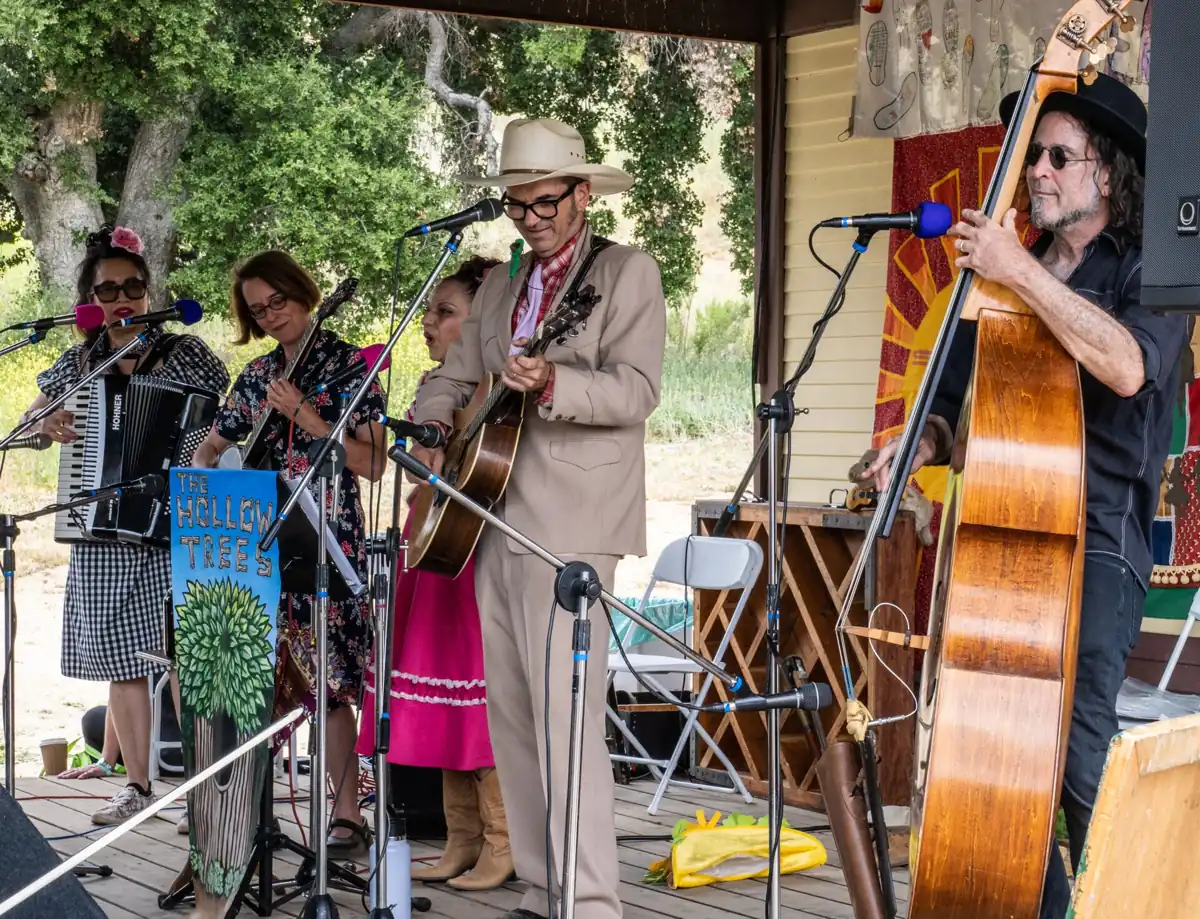
Live music and local entertainment give the fair its soundtrack. Depending on the year, visitors might hear country, folk, rock, or community groups performing on a stage or in a grandstand area. Talent shows, demonstrations, and announcements over the loudspeaker are all part of the fabric. The entertainment is not about big-name acts; it is about neighbors sharing their talents and creating a festive backdrop for the fair.
Family Activities for All Ages in Orofino Country
Families will find plenty to fill an afternoon. Livestock exhibits, youth projects, craft displays, carnival rides, games, and hands-on activities are typical. Children can see animals up close, try their luck at a booth, or watch a demonstration. Older visitors often gravitate toward the exhibit halls, where quilts, preserves, photographs, and woodworking show off local skill. The fair is designed to be walkable and welcoming, with seating areas for resting between attractions.
Competition is part of the fun. Ribbons and bragging rights go to the best pies, jams, vegetables, flowers, photographs, and handmade goods. Livestock shows give young exhibitors a chance to demonstrate responsibility and skill. Even if you are not competing, browsing the entries is a window into daily life in Clearwater County.
Planning Your Trip to the Clearwater County Fair
A little preparation makes a fair day smoother, especially if you are traveling from outside the county. Here is what to keep in mind.
Getting to the Clearwater County Area
Orofino, the county seat, is the most likely hub for visitors. The Clearwater County area is reached by regional roads that follow the Clearwater River valley and connect to larger Idaho towns. Travel times can be longer than the mileage suggests because of winding routes and rural speed limits, so plan extra time and enjoy the scenery.
Where to Stay Near Orofino and the Fair
Lodging in Orofino and the surrounding communities includes small motels, cabins, and campgrounds. Because the county is rural, rooms can fill quickly during fair season. If you are coming from out of town, book early and consider staying in a nearby town along your route. Camping options in the broader region appeal to visitors who want to combine the fair with outdoor time.
Parking at the Clearwater County Fair
Parking is usually available near the fairgrounds, but popular times fill up. Arrive earlier in the day for the best choice, and be prepared to walk a short distance. Follow local signage and volunteers’ directions, and avoid blocking rural driveways or private roads.
Admission and Costs
Admission to the Clearwater County Fair is typically free. Individual vendors, rides, games, and some activities may charge their own fees, so bring a little cash for food and extras. Exact costs can vary by year and vendor, so treat any prices as general rather than fixed.
Weather in Clearwater County During Fair Season
Fair season in north-central Idaho often brings warm days and cooler evenings. Summer sun can be strong, while early autumn may feel crisp after sunset. Layered clothing, sunscreen, a hat, and a refillable water bottle are smart companions. Check a local forecast before you go, since mountain weather can shift.
The fairgrounds are generally walkable, but some areas may be gravel or grass. If you have mobility concerns, ask about accessible routes and seating. Bring a stroller or wagon for young children. Remember that this is a rural county fair, so patience and friendliness go a long way.
A Sample Clearwater County Fair Weekend Itinerary
Day one: Arrive in the Orofino area by mid-afternoon. Check in, stretch your legs, and head to the fairgrounds for the evening. Walk the midway, grab dinner from a local vendor, and catch whatever music or entertainment is scheduled. Stay for the sunset over the Clearwater County hills.
Day two: Start with a morning visit to the livestock barns and exhibit halls. This is when animals are often being groomed and projects are being judged. Have lunch at the fair, then try a few games or rides. In the afternoon, watch a demonstration or talent show. Return in the evening for a second helping of fair food and community conversation.
Day three: If the fair continues into a third day, use the morning for a quieter look at exhibits you missed. Browse community booths, buy something from a local maker, and thank a volunteer. Before leaving, take a short drive along the Clearwater River or through Orofino to see more of the county.
If you have time on a final morning, visit a local café in Orofino for breakfast. Then take one last loop through the fair before heading home. The pace is slower in the morning, making it easier to chat with vendors and exhibitors.
How the Clearwater County Fair Compares to Nearby Idaho Celebrations
Compared with larger regional fairs in places like Lewiston or Moscow, the Clearwater County Fair feels smaller, more informal, and more locally rooted. That is part of its charm. It is less about crowds and commercial spectacle, and more about neighbors catching up. Compared with community celebrations in nearby towns such as Kamiah or Grangeville, it shares a rural, family-friendly spirit while reflecting Clearwater County’s own identity. Visitors who enjoy county fairs for the exhibits, the food, and the people rather than big-name entertainment will find this one especially rewarding.
Clearwater County Fair Practical Checklist
Before you head out, run through a simple checklist: comfortable walking shoes; layered clothing for warm days and cool evenings; sunscreen, hat, and sunglasses; a refillable water bottle; cash for vendors and activities; a tote bag for purchases; a camera or phone for photos; and a flexible attitude. If you are traveling with children, pack wipes, snacks, and a stroller or wagon if needed. If you plan to stay late, bring a light jacket and a flashlight or phone light for the walk back to your car.
Beyond the Fair: Exploring Orofino and Clearwater County
The fair is a highlight, but Clearwater County rewards a longer stay. Orofino, the county seat, sits in the Clearwater River valley and serves as a base for exploring the region. The county’s 2,488 square miles include forested hills, river corridors, and small communities where outdoor recreation and local history go hand in hand. Visitors can drive scenic routes, fish or float in season, hike public lands, or simply enjoy the quiet pace of rural Idaho. The fair can be the centerpiece of a weekend that also includes time in the surrounding countryside.
Why the Clearwater County Fair Still Matters to Local Life
In a county with just 8,734 residents, the fair is a significant civic event. It gives young people a stage to show their work and animals. It gives local businesses and organizations a chance to connect with neighbors. It gives families an affordable outing and a reason to gather. Volunteers make it happen year after year, and their efforts strengthen the social fabric of Clearwater County. The fair is not just entertainment; it is a shared project that says this place and these people matter.
The fair also provides an economic boost for local vendors, clubs, and service groups. Money spent at food booths and fundraisers often circulates back into the community. That combination of social connection and practical support is why the fair remains a fixture on the Clearwater County calendar.
Where to Find the Clearwater County Fair
The Clearwater County Fair is held in the Clearwater County area of north-central Idaho, with Orofino as the county seat and a natural base for visitors.
Clearwater County Fair Questions from Visitors
When does the Clearwater County Fair usually take place?
The fair is typically held during the warmer months, often in summer or early autumn. Exact dates can vary from year to year, so check local announcements and community calendars closer to the season.
Is admission charged at the Clearwater County Fair?
Admission is typically free, though individual vendors, rides, games, and special activities may charge their own fees. Bring some cash if you plan to eat, play, or shop.
What should I bring to the Clearwater County Fair?
Comfortable shoes, layered clothing, sun protection, a refillable water bottle, and cash for vendors are all good ideas. A tote bag helps with purchases, and a light jacket is useful for cooler evenings.
Is the Clearwater County Fair a good fit for families and older visitors?
Yes. The fair is generally family-friendly, with livestock exhibits, youth activities, games, food, and seating areas. Older visitors often enjoy the exhibit halls and the chance to visit with neighbors. The pace is relaxed, and the setting is walkable.
The Future of the Clearwater County Fair
The Clearwater County Fair will continue to evolve as the county changes, but its foundation is strong. Local volunteers, youth programs, agricultural exhibitors, and community groups all have a stake in keeping the tradition alive. Future fairs may add new entertainment or activities, yet the core experience—gathering in Orofino country to celebrate local life—is likely to remain. For residents and visitors alike, the fair is a reminder that community is built one handshake, one exhibit, and one shared meal at a time.
Last updated: October 2026
Whether you come for the food, the livestock, the music, or simply the chance to experience a rural Idaho county fair, the Clearwater County Fair offers a warm welcome. Mark the season, make the drive, and see for yourself why this long-standing tradition still matters in Clearwater County.