Clearwater County Idaho Orofino Lumberjack Days Festival

Orofino, Idaho: A River Town Shaped by Sawdust and Steel
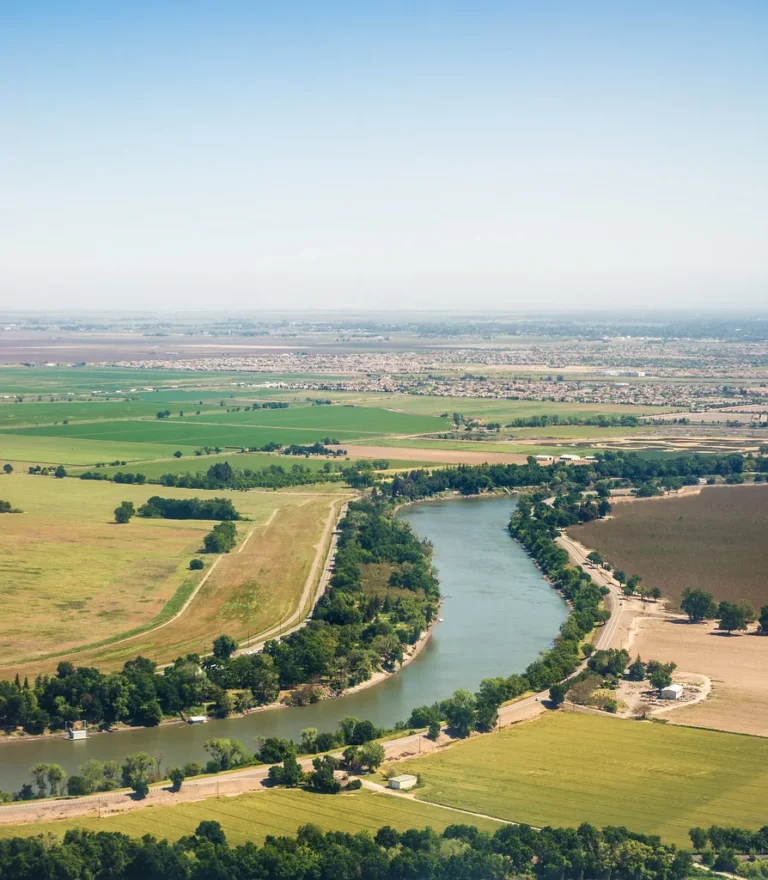
Orofino sits low in the Clearwater River valley in north-central Idaho, a town that grew up around logs, mills, and the water that carried them. It is the county seat of Clearwater County, a county founded in 1911 that spreads across 2,488 square miles and counted 8,734 residents at the 2020 census — a wide, mostly forested place where one town anchors an entire county’s identity. The name Orofino is generally traced to Spanish words meaning “fine gold,” a nod to early prospecting in the region, but it was timber rather than gold that built the town and kept it working for generations.
That heritage is precisely what Orofino Lumberjack Days puts on display. Each summer, the community turns out to celebrate the skills, tools, and stubborn work ethic of the logging crews who worked the Clearwater drainage — and, in many cases, still do. The festival is not a museum piece. It is a working town throwing a party for itself, with the river, the surrounding mountains, and the smell of cut pine as the backdrop.
Lumberjack Days Basics: Clearwater County Facts and Festival Details
| Town / area | Orofino and the surrounding Clearwater County area |
| County | Clearwater County, Idaho |
| County seat | Orofino |
| County population | 8,734 (2020 census) |
| County profile | Founded 1911; 2,488 square miles of river valley, forest, and mountain terrain |
| Region and setting | North-central Idaho along the Clearwater River; a small riverside timber town ringed by forested hills |
| Typical timing | A weekend in summer |
| Admission | Generally free to attend, with some activities and vendor purchases priced separately |
| Signature features | Logging skill demonstrations, timber-themed contests, live music, food vendors, family activities |
| Organizer | Local volunteer organizers and Clearwater County community groups |
What Orofino Lumberjack Days Actually Celebrates
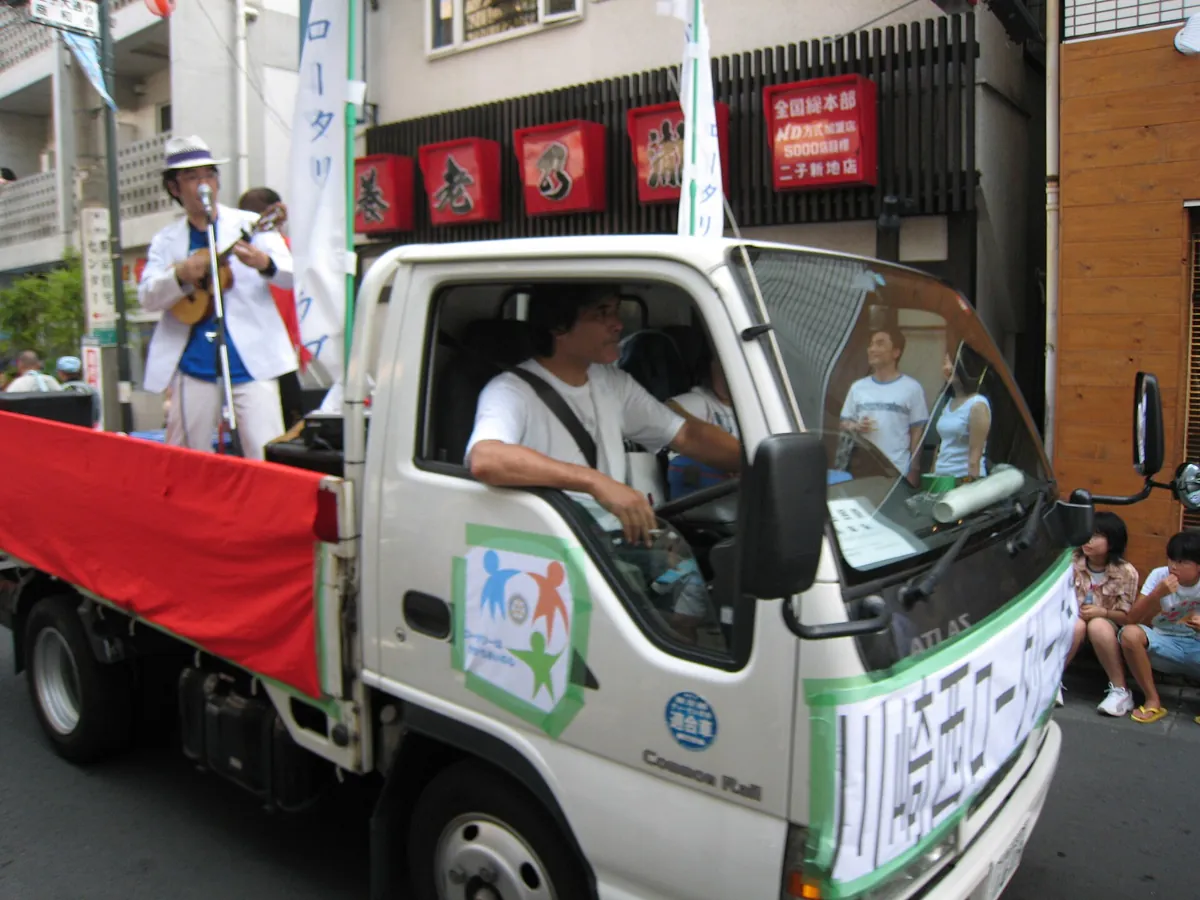
At its core, the festival is a showcase of hand skills that machines have mostly replaced. Expect axe work, crosscut sawing, log rolling, and other contests that reward precision as much as muscle. Around those demonstrations, Orofino builds a full weekend: vendor booths, live entertainment, youth activities, and long conversations between people who have known each other for decades and people who are visiting Clearwater County for the first time.
The tone is informal. This is not a ticketed arena show with grandstands and corporate sponsors; it is a town-sized gathering where retired mill workers trade stories with current crews and kids wander between booths with snow cones. If you come expecting polished spectacle, you may miss the point. If you come expecting to talk to the person standing next to you, you will fit right in.
Timber, Rivers, and Generations: The History Behind Lumberjack Days
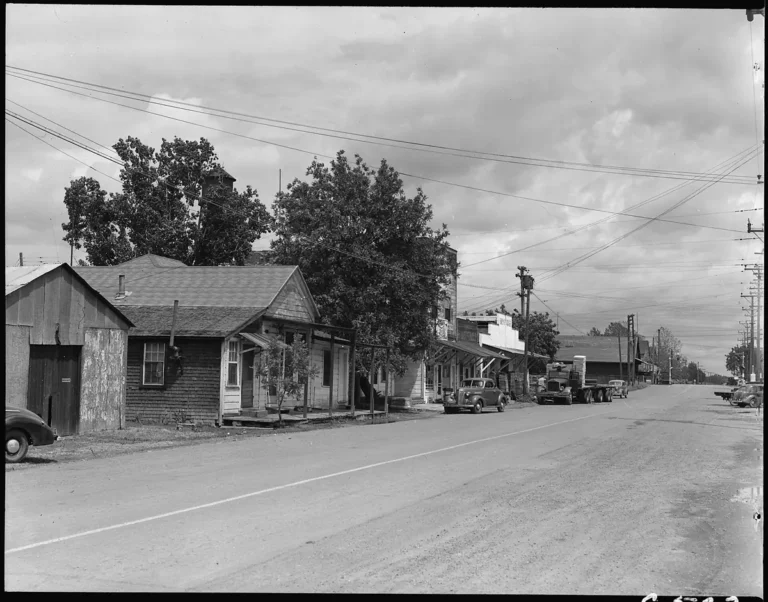
Clearwater County was carved out of Idaho’s timber country in 1911, the same era when industrial logging was transforming the Clearwater drainage. White pine and other softwoods drawn from these steep valleys were floated, railed, and trucked toward mills, and Orofino became the commercial and civic center of that work. Log drives on the Clearwater and its tributaries were dangerous, seasonal, and legendary — the kind of labor that produced its own vocabulary, its own heroes, and its own competitions.
Logging shows were a natural outgrowth of that culture across the Pacific Northwest. Crews who spent their days felling, bucking, and rigging wanted to know who was fastest and cleanest, and spectators wanted to watch. Orofino Lumberjack Days took shape in that tradition, giving a county whose economy ran on timber a summer weekend to honor the people who did the work. The festival has weathered the industry’s long contraction, the arrival of new machinery, and the shift toward recreation and tourism in the Clearwater valley, but the focus has never drifted far from the axe handle and the saw.
For local families, the event doubles as a reunion. Generations of Orofino residents have grown up watching the same contests, standing in the same shade, and eating from the same kinds of booths their parents did. That continuity is the festival’s real substance: a small county keeping faith with a working past while making room for whoever shows up next.
What a Lumberjack Days Weekend Feels Like in Orofino
Food and Timber-Camp Cooking on the Clearwater
Festival food in Orofino leans hearty and unpretentious: burgers and hot dogs off the grill, barbecue, kettle corn, funnel cakes, and cold drinks for a hot afternoon. Because this is Idaho, huckleberry-flavored treats tend to appear somewhere in the lineup, and community groups often run their own booths as fundraisers. Portions are generous and prices are fair, which suits a crowd that has been standing outside all day. Bring a little cash, since small vendors may not take cards.
Music, Contests, and Logging Skills on Display
Live music is a steady presence, usually with local and regional acts covering country, rock, and folk standards that keep a crowd on its feet. Between sets, attention shifts to the contests and demonstrations — the events that give the festival its name. Emcees keep things moving, competitors play to the crowd, and the applause is genuine. If you have never watched a crosscut saw team work in rhythm, it is worth standing close enough to hear it.
Family Activities for Every Age in Orofino
Lumberjack Days is built for families, and children are everywhere. Expect games, races, craft and vendor booths, and chances to try scaled-down versions of the skills the adults are demonstrating. The setting helps: a compact town means you are never far from a bathroom, a bench, or a place to sit in the shade. Parents can let older kids range a little while keeping the river and the street in sight.
Planning Your Trip to Orofino for Lumberjack Days
Getting to Orofino and Clearwater County
Orofino is reached by way of U.S. Highway 12, which follows the Clearwater River through the valley, along with connecting state highways that link the town to the surrounding county. Most visitors arrive by car, driving in from the Lewiston area to the west or from the mountain passes to the east. The route itself is part of the experience — the river runs beside the road for long stretches, and the canyon walls close in as you approach town.
Where to Stay Around Orofino
Lodging in the area is limited and books up quickly for summer weekends. Orofino has motels and small inns, and there are cabins, campgrounds, and recreation-oriented stays in the surrounding county, including near the reservoir north of town. Vacation rentals fill early. If you are set on attending, reserve a room or campsite well ahead rather than assuming you will find something on arrival, and consider basing yourself in a nearby town if Orofino is full.
Parking and Getting Around Town
Parking in a small river town is a matter of patience rather than planning. Street spaces and small lots near the activity fill early, and the smartest approach is to arrive before the busiest part of the day, park once, and walk. Orofino is compact enough that most of the festival is reachable on foot, and walking gives you a better look at the town anyway.
Admission and What Things Cost
Admission to Lumberjack Days is typically free, which is part of what makes it such an easy weekend for families. Your spending will be concentrated in food, drinks, raffle tickets, vendor goods, and any activity that charges its own small fee. Bring cash for those transactions, keep a little extra for the fundraising booths, and treat the day as a chance to support local organizations directly.
Clearwater County Weather and What to Wear
Summer in the Clearwater valley is warm and mostly dry, with hot afternoons and noticeably cooler evenings once the sun drops behind the ridges. Dress in light layers, bring a hat and sunscreen, and carry more water than you think you need. Wildfire season can bring haze or smoke to the region in some years, so it is worth checking air quality and fire conditions before you travel. Sturdy shoes are a good idea on the uneven ground of an outdoor town festival.
A Sample Lumberjack Days Weekend in Orofino
Friday evening: Arrive in Orofino, check in, and take a walk along the Clearwater River while the light is still good. Eat dinner in town, then wander the festival area as vendors set up and the first crowds drift in. This is the easiest time to get a feel for the layout.
Saturday morning: Get there early, park once, and claim a spot near the contest area. Watch the logging skill events, sample the food booths, and let the kids work through the games and activities. Saturday afternoon and evening: Catch live music, browse vendor tables, and stay for the busiest, most social part of the day. Sunday morning: Take a slower start with breakfast in town, then drive north toward the reservoir or east along the river before heading home. Always confirm the current schedule with local organizers before you build your plans around it.
How Orofino Compares With Other North-Central Idaho Towns
Kamiah, upstream along the Clearwater, shares much of the same river-and-timber character and a strong Nez Perce heritage, but its celebrations tend to feel more intimate and spread out. Grangeville, the seat of neighboring Idaho County, sits up on the prairie and offers a different landscape entirely — open country and agricultural rhythms rather than a river canyon. Lewiston, downriver, is the region’s largest city and its entertainment hub, with far more dining and lodging but nothing quite like a small-town lumberjack contest. Moscow, to the north in Latah County, brings a university-town energy with farmers markets and a busy arts calendar.
The distinction is worth understanding before you plan a trip. If you want options for restaurants, hotels, and evening entertainment, base yourself in Lewiston or Moscow and drive in. If you want the festival to be the whole weekend, stay in Orofino and let the town be the destination.
A Practical Checklist for a Clearwater County Timber Weekend
Before you leave: book lodging or a campsite early; confirm the weekend’s schedule with local organizers; fill the gas tank before you reach the valley; pack sunscreen, a hat, sunglasses, refillable water bottles, and a light jacket for the evening; bring cash for vendors and fundraisers; charge phones and pack a portable battery; check fire and air-quality conditions for the region; and load a paper map or download offline maps, because cell coverage in the canyon can be spotty. On the day: arrive early, park once, walk everywhere, keep an eye on kids near the river, and plan a slow drive home with a stop along the Clearwater.
Beyond the Festival: Clearwater County Worth Exploring
The country around Orofino rewards anyone willing to stay an extra day. North of town, the reservoir behind Dworshak Dam stretches into forested hills and offers boating, fishing, and quiet shoreline camping. The Clearwater River itself is a destination for anglers chasing steelhead and salmon in season, and the U.S. 12 corridor east of town climbs through the Northwest Passage Scenic Byway toward the Bitterroot Mountains and Lolo Pass.
History runs deep here as well. The Clearwater valley is part of the ancestral homeland of the Nez Perce people, and Nez Perce National Historical Park maintains sites in the area, including locations along the river tied to the journey of Lewis and Clark. Pair a festival weekend with a drive to one of those sites and you get a fuller picture of why this valley has mattered for so long.
What Lumberjack Days Carries Forward for Clearwater County
In a county of 8,734 people spread across 2,488 square miles, a festival is more than entertainment. It is one of the few times each year when the whole community occupies the same few blocks. Volunteers staff the booths, local groups raise money, and businesses see a weekend of traffic they count on. The event also keeps a set of disappearing skills visible to children who may never work in the woods, which is a form of education no classroom provides.
Just as important, Lumberjack Days gives Orofino a way to tell its own story. Timber towns are often described from the outside in terms of what they have lost. For one summer weekend, this one describes itself — on its own terms, in its own voice, with an axe in hand.
Where Orofino Sits on the Map
Orofino lies on the Clearwater River in north-central Idaho, along the U.S. Highway 12 corridor roughly between Lewiston and the Bitterroot Mountains.

Lumberjack Days Questions First-Timers Ask
Is Orofino Lumberjack Days free to attend?
Admission is typically free, which keeps the weekend accessible for families and makes it easy to stop by for an hour or stay all day. Individual vendors, raffles, food stands, and some activities charge their own prices, so bring cash and expect to spend on food and small purchases rather than on a gate fee.
Do you have to be a logger to enjoy it?
Not at all. The contests and demonstrations are the headline, but the festival is built around food, music, vendors, and conversation. Visitors with no connection to the timber industry are welcome, and the atmosphere is friendly rather than exclusive. Curiosity is the only requirement.
When exactly does the festival happen each year?
Lumberjack Days takes place on a summer weekend, and the specific dates are set and announced by local organizers each year. Because the schedule can shift, confirm the current weekend through local listings, community boards, or the organizers themselves before you book lodging or arrange time off.
Is the festival a good fit for young children and older visitors?
Yes. The event is compact, walkable, and family-oriented, with activities aimed at kids and plenty of shade and seating for anyone who needs to rest. The main cautions are summer heat and the nearby river, so keep children supervised near the water, keep everyone hydrated, and plan a slower pace during the hottest part of the afternoon.
Looking Ahead: The Future of Lumberjack Days in Orofino
The festival’s future depends on the same thing that has sustained it so far: volunteers. As the timber economy continues to change and Clearwater County’s population stays small, keeping an event like this running means recruiting new organizers, keeping costs manageable, and finding ways to draw younger families into the work. There is reason for optimism. Interest in heritage skills, local food, and small-town weekends has grown, and Orofino has something many towns cannot manufacture — a genuine working history along a river that shaped the whole region. Expect Lumberjack Days to keep evolving, with more emphasis on family programming, local vendors, and the outdoors that surround it.
Last updated: October 2026
Orofino Lumberjack Days is a modest event in a small county, and that is exactly its appeal. Come for the sawdust and the contests, stay for the conversations, and leave with a clearer sense of what a timber town on the Clearwater has always been: a place that works hard, remembers where it came from, and sets aside a summer weekend to say so out loud.