Washington County Maine Washington County Fair Festival

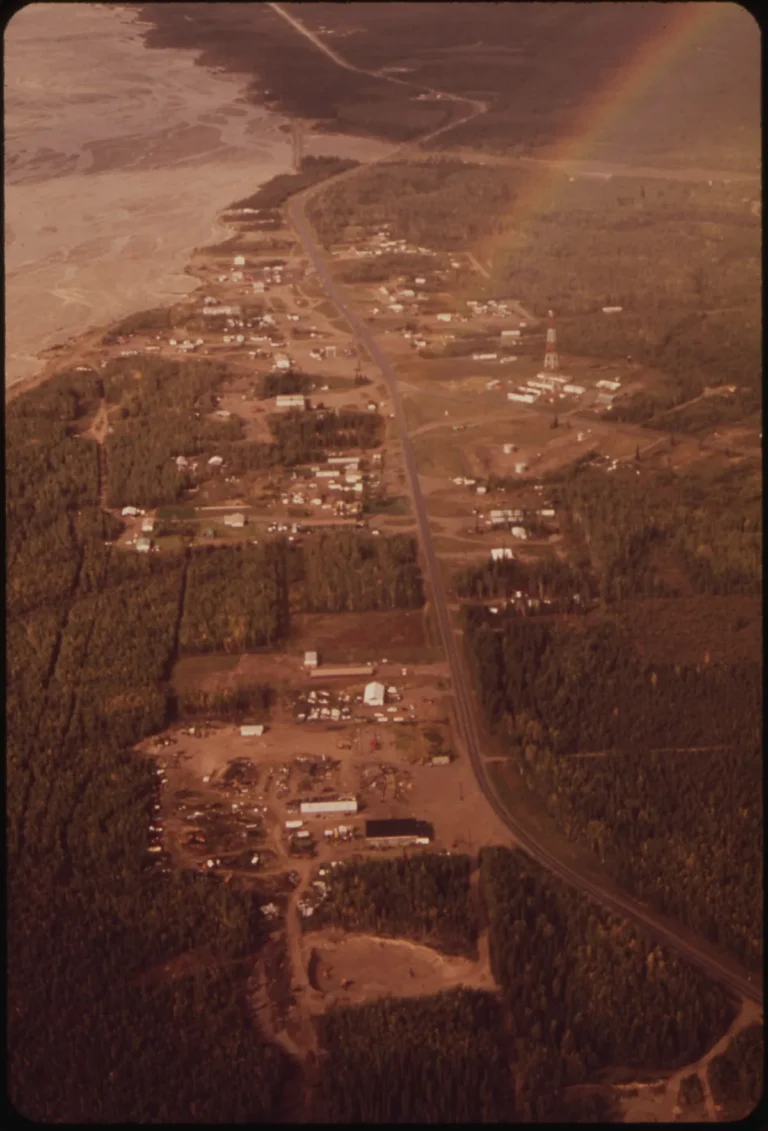
Washington County was established in 1789 with Machias as its county seat, and it has been a place of long drives ever since. Its 3,258 square miles hold a population of 31,095, counted in the 2020 census, spread across coastal villages, river towns, blueberry barrens, and inland woods. A county that large needs a shared calendar, and the Washington County Fair is where that calendar converges.
For people in Machias and the towns around it, late summer means fair time. The blueberries are coming off the barrens, the fog still hangs past breakfast, and families who have worked long days all season finally have a reason to stand in one place and talk to their neighbors.
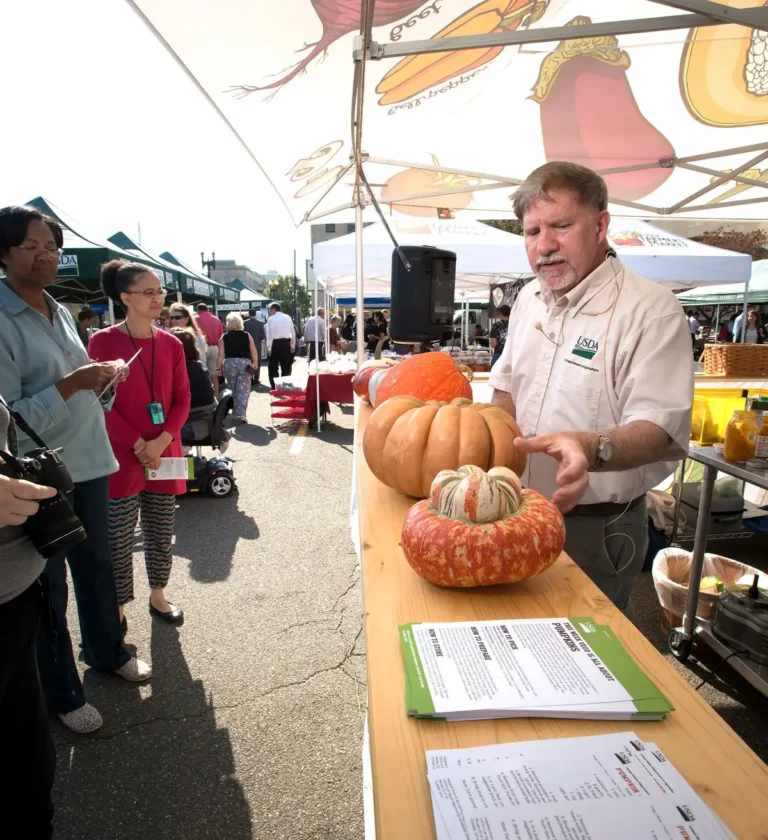
The result is a county fair in the oldest sense of the word: an agricultural showcase and a reunion at once. Exhibition halls fill with canned goods, flowers, and handwork. Barns fill with animals. A midway hums, a show ring draws a crowd, and four generations of the same family wander past the same booths they remember from childhood. Very little of it is staged for visitors, which is exactly why they remember it.
Fair Essentials: Washington County, Maine
| Town / area | The Washington County area, Downeast Maine |
| County | Washington County, Maine |
| County seat | Machias |
| Population | 31,095 (2020 census) |
| Land area | 3,258 square miles |
| Founded | 1789 |
| Region | Downeast Maine — coast, rivers, and blueberry barrens |
| Typical timing | Late summer, usually a weekend in August |
| Admission | Typically free or low-cost, with some activities ticketed |
| Setting, features, and organizer | Rural fairgrounds run by a local volunteer fair committee, with exhibition halls, livestock barns, a midway, and a show ring |
A County Fair That Belongs to All of Washington County
The Washington County Fair is not one town’s event dressed up as a county one. In a county of 3,258 square miles, exhibitors, vendors, and volunteers travel real distances to take part, and the fairgrounds become the one place where a fisherman from the coast, a blueberry grower from the barrens, and a family from an inland town all end up in the same line for fries.
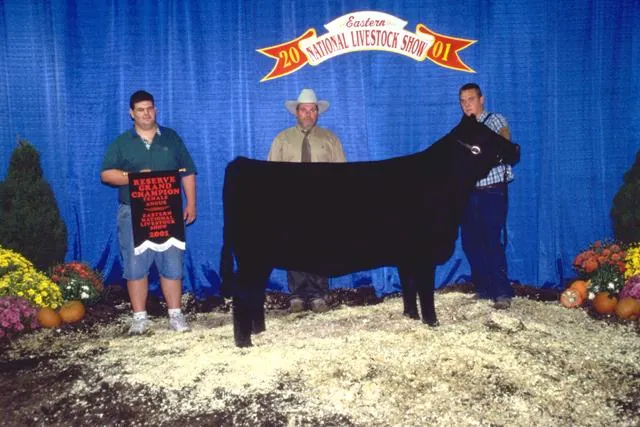
Expect the classic county-fair architecture of experience: livestock barns and judging, open-class exhibits, youth agricultural projects, craft and baking competitions, commercial booths, a midway, and a grandstand that anchors the evenings. The scale is human. You will likely run into someone you know, and if you do not, someone will still point you toward the best pie.
Timing aside, the fair is best understood as a working exhibition. Entries arrive from across the county — vegetables, preserves, flowers, photography, quilts, woodwork, and livestock — and the judging is taken seriously by the people who enter. Ribbons matter. Bragging rights matter more.
From 1789 County Roots to a Downeast Fair Tradition
Washington County’s history explains its fair. Organized in 1789 with Machias as the seat, the county built its economy on what the land and water offered: timber, fish, blueberries, granite, and the ships and mills that moved them. Machias grew around its river and harbor, and for most of its history the surrounding towns were farming, fishing, and lumbering communities that lived by the season.
Maine’s county fairs grew out of that same seasonal logic. Nineteenth-century agricultural societies organized exhibitions so farmers could compare crops, animals, and methods, and so neighbors could gather at the end of a working season. Over time the livestock shows acquired ribbons, the exhibition halls acquired cakes and quilts, and the midway arrived to keep the children interested. The Washington County Fair belongs to that lineage — a rural institution shaped by a county whose whole identity is rural.
What has not changed is the function. A fair in a county this spread out is infrastructure as much as entertainment: it is how people see each other, how young exhibitors learn to present their work, and how a place with 31,095 residents keeps a common story.
What a Day at the Washington County Fair Looks Like
Fair days have a rhythm. Mornings belong to animals and exhibitors, afternoons to families and the midway, evenings to the grandstand and the food lines. Here is what to expect when you arrive.
Fair Food with a Downeast Accent
Fair food here leans local wherever it can. Expect the standards — fried dough, french fries, sausage, ice cream — alongside booths run by churches, schools, and civic groups, where the blueberry pie and whoopie pies are usually the real prize. Seafood shows up in chowder and rolls, and blueberries show up in everything, which is appropriate in a county that grows so many of them. Portions are generous, prices are fairground-normal, and cash moves faster than cards at the smaller stands.
Music, Grandstand Moments, and Show-Ring Action
Live music tends to be local and regional — country, classic rock, and folk played by bands with ties to the county. The show ring and grandstand carry the louder moments: livestock judging, pulling contests, and the crowd-pleasing events that change from year to year. Between the scheduled programming, the midway supplies its own soundtrack of bells, buzzers, and machinery.
Family Activities Across the Grounds
Families with small children usually start at the barns, where animals are close enough to touch and the questions come faster than the answers. Beyond that: midway rides sized for different ages, games, face painting, craft demonstrations, and youth exhibits that give kids something to aim for the following year. Strollers handle the grounds well, but mornings are easier than evenings, and hearing protection is a kindness at the loudest events.
Planning a Fair Weekend in Washington County
Washington County rewards a little planning. Distances are real, lodging is limited in late summer, and the weather decides more of the day than anyone would like.
Getting to Machias and the Surrounding Towns
This is a drive-to county. U.S. Route 1 threads the coast through Machias, and Route 9 cuts inland across the barrens from the Bangor area. Both are scenic and neither is fast. Fill the tank before you arrive, allow more time than the map suggests, and treat the drive itself as part of the day.
Where to Stay in the Machias Area
Lodging is concentrated in and around Machias, with additional rooms, inns, and campgrounds in neighboring towns along the coast. Late summer is peak season in Downeast Maine, so booking weeks ahead is wise, and a stay in an adjoining town often works just as well as one in the county seat.
Parking, Gates, and Grounds Navigation
Fairground parking is typically field parking managed by volunteers, which means arriving earlier in the day is easier than arriving at the peak. Carpooling helps. Once inside, pick a landmark — the grandstand, a barn, the main gate — and use it to regroup, since cell service can be patchy in the rural corners of the county.
Admission, Costs, and Cash
Admission is generally free or low-cost, with individual rides, games, and some grandstand events ticketed separately. Bring cash in small bills; not every booth takes cards, and ATMs are scarce. Set a rough budget for food and rides per child and you will likely leave pleasantly surprised.
Downeast Weather and What to Pack
Late-summer days in Washington County can be warm and bright, then foggy and cool by evening. Rain is always possible. Layers, a light rain jacket, sunscreen, insect repellent, and comfortable shoes cover almost every scenario. A folding chair or blanket earns its place if you plan to watch grandstand events.
A Sample Weekend at the Washington County Fair
Friday: arrive in the afternoon, walk the exhibition halls while they are quiet, eat early, and stay for the evening’s music and grandstand programming. Saturday: come at opening for the livestock barns and judging, spend the hot middle of the day on shaded benches and in the halls, then return for the midway and the busiest night of the weekend. Sunday: a slower visit — youth exhibits, a last slice of pie, the afternoon contests, and a final walk through the barns before the drive home. Nothing here is mandatory, and the best version of the weekend usually includes at least one unscheduled hour of sitting still.
How the Washington County Fair Compares with Nearby Gatherings
Washington County keeps a busy summer calendar, and the fair is one thread in it. The Machias Wild Blueberry Festival celebrates the crop that defines the barrens and fills the town with craft vendors, food, and music. Eastport’s summer celebrations lean maritime, with a working waterfront as the backdrop. Across the county line in Hancock County, the Blue Hill Fair offers a larger agricultural fair with its own long history. Compared with all of them, the Washington County Fair is the most local: less polished, more familiar, and built around the people who actually live here year-round.
A Practical Checklist for Fair Week in Washington County
| Cash in small bills | Smaller stands and games may not take cards. |
| Comfortable shoes | Grounds are grassy, dusty, and bigger than they look. |
| Layers and a rain jacket | Downeast evenings cool off quickly. |
| Sunscreen and insect repellent | Midday sun and evening bugs are both real. |
| Reusable water bottle | Shade and refills help on warm afternoons. |
| Folding chair or blanket | Useful for grandstand and show-ring seating. |
| Charged phone and battery pack | Rural charging options are limited. |
| A plan for pets | Fairgrounds generally restrict animals; leave pets at home. |
Beyond the Fairgrounds: Exploring Washington County
If you have come this far, stay a day longer. Machias itself rewards a walk, and the surrounding county holds some of the least crowded coastline in Maine: the trails and beaches around Roque Bluffs, the bog and spruce forests of Great Wass Island, the bold cliffs of the Cutler coast, and the tidal drama of Cobscook Bay. Eastport and Lubec sit at the eastern edge of the country, with Campobello Island a bridge away. Inland, the blueberry barrens turn crimson in fall and the Down East Sunrise Trail runs for miles. None of it is far by the standards of a 3,258-square-mile county — but all of it takes longer to reach than you think.
What Fair Week Means to Washington County’s 31,095 Residents
For a county with 31,095 residents spread across 3,258 square miles, a fair is not just entertainment; it is one of the few annual occasions when the whole place is in the same room. Local businesses see a late-summer bump. Young exhibitors learn to speak about their animals and their projects to strangers. Volunteers who spend months organizing get a few days of payoff. And families who have moved away plan their visits around it. That is the quiet significance of the Washington County Fair: it keeps a large, rural, thinly populated county feeling like a single community.
Where the Washington County Fair Sits on the Map
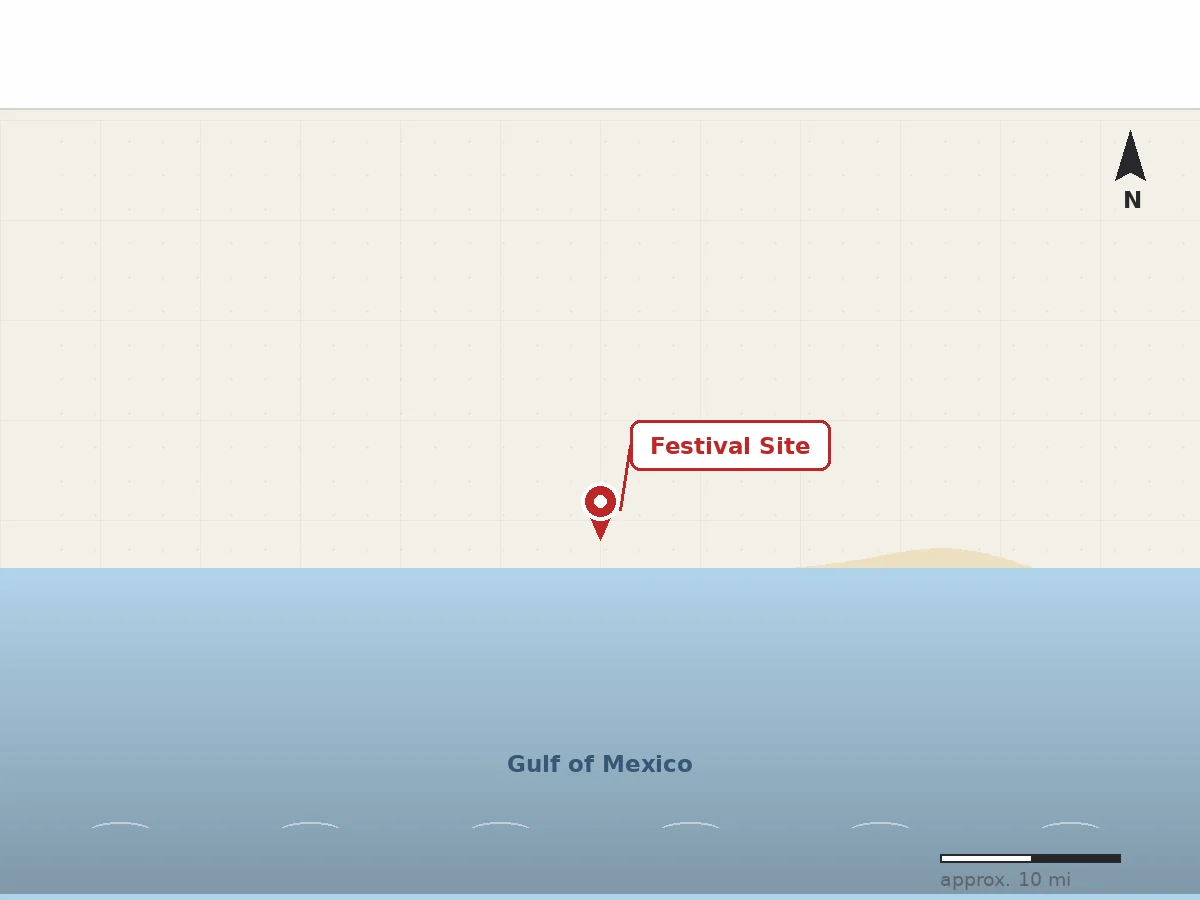
The Washington County Fair takes place in the Washington County area of Downeast Maine, within easy reach of the county seat of Machias.
Washington County Fair Questions, Answered
When is the Washington County Fair usually held?
It falls in late summer, typically on a weekend in August, though the exact timing shifts from year to year. Confirm the current schedule locally before you plan travel, and check whether any events run on a Thursday or Friday evening ahead of the main weekend.
Is there an admission charge?
Admission is generally free or low-cost, with rides, games, and some grandstand events priced separately. Bring cash, since smaller vendors may not accept cards and ATMs are limited in the area.
Is the fair a good outing for young children?
Yes. The animal barns, midway rides, games, and food are all aimed at families, and mornings are the calmest time to visit. Bring a stroller, sunscreen, and hearing protection for the loudest events.
How much time should I allow for a visit?
A half day covers the highlights; a full day covers them without rushing. Many local families spread their visit across two or three days, arriving in the morning for the barns and returning in the evening for music and the midway.
Looking Ahead to Future Fair Seasons in Washington County
County fairs survive on volunteers, exhibitors, and the willingness of small communities to keep showing up. The Washington County Fair’s future depends on the same things: young people entering livestock and craft competitions, businesses sponsoring events, and neighbors who treat fair week as a fixture rather than an option. Agriculture in Washington County has changed — fewer farms, more specialization, blueberries still king — but the fair’s role as a meeting place has not. Expect the format to evolve while the purpose holds: a few days in late summer when a county the size of a small state behaves like a single town.
Last updated: October 2026
If you go, go with time to spare and cash in your pocket, and plan to talk to someone you did not come with. That is the Washington County Fair’s real attraction — not the rides or the pie, good as both are, but a county of 31,095 people remembering, for a weekend, that they belong to the same place.