Washington County Iowa Kalona Fall Festival
Late in September, the grounds of Kalona Historical Village trade their usual quiet for demonstration smoke, homemade cooking and crowds moving between buildings raised in the eighteen hundreds. The gathering held there is printed as the Kalona Fall Festival by the town chamber layer, by the local newspaper layer and by regional radio listing layers, and the chamber layer calls it the largest fundraiser of the year for the societies behind the Village. The organiser’s own site uses shorter forms for the same event, printing Annual Fall Festival and Fall Festival without the town name, while a single newspaper advertisement shortens the name another way, to Kalona Fall Fest. The county and state words in the title above are sheet wording wrapped around a shorter published name.
About the Festival
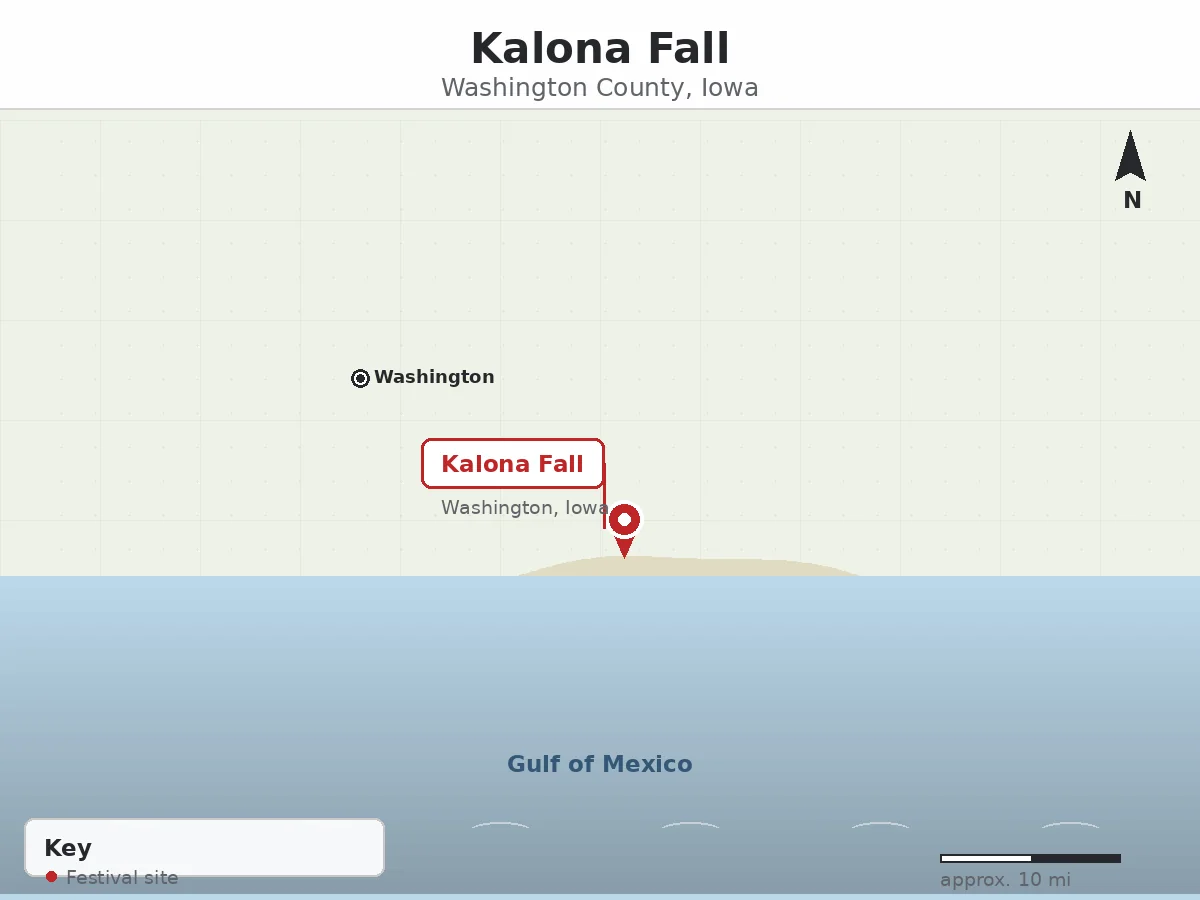
The festival belongs to Kalona, a town in Washington County, and every credible layer places it at the Kalona Historical Village rather than spread across the town. The organiser’s own site is the Village’s site, and it states that the Village hosts the Annual Fall Festival. Around that hosting role, the layers print the beneficiary and governing names in several forms that this article keeps separate: the chamber layer names the Kalona Mennonite and Historical Societies, the organiser’s site names its governing body in one place as the Kalona Historical Society, and the twenty twenty-four newspaper layer writes of the Historical and Mennonite Societies. The newspaper layer from twenty twenty-four also names Nancy Roth as the Village’s managing director. What unites the forms is the purpose the layers describe: a fundraising weekend whose proceeds support the Village and the societies attached to it.
Quick Facts
| Item | Detail |
| Published name | Kalona Fall Festival, printed exactly by the chamber, newspaper and radio layers; the organiser’s own site prints Annual Fall Festival and Fall Festival, and one newspaper advertisement prints Kalona Fall Fest; the county and state words in the title are sheet wording |
| Host town | Kalona, in Washington County |
| County seat | Washington is the county seat of Washington County; Kalona is not the seat |
| Venue | Kalona Historical Village, Kalona |
| Organiser forms | Kalona Mennonite and Historical Societies (chamber layer); Kalona Historical Society (organiser site); Historical and Mennonite Societies (newspaper layer) |
| Latest documented edition | Friday, September twenty-fifth and Saturday, September twenty-sixth, twenty twenty-six, on the town chamber calendar; the page prints no year, and the year rests on the weekday match and the entry’s place among twenty twenty-six listings |
| Admission | Chamber layer, twenty twenty-six: ten dollars for adults, three dollars for ages five to twelve. Radio layer, twenty twenty-five: ten dollars for ages thirteen and over, three dollars for ages five to twelve. Newspaper layer, twenty twenty-four: eight dollars for adults, three dollars for children aged five to twelve, free under four |
| Documented editions | Two thousand two, twenty twenty-four, twenty twenty-five and twenty twenty-six |
| Admission tradition | Entry by a festival button since nineteen seventy-three, allowing return visits on both days, per the two thousand two archive layer |
History
The fullest account of the festival’s beginnings comes from the local newspaper layer’s twenty twenty-four special section. That layer states that the festival originated in nineteen seventy-two as a fundraising event meant to help preserve the history of Kalona, chiefly through the buildings and exhibits then being acquired and built, which today make up the Historical Village. The same layer bills twenty twenty-four as the festival’s fifty-second year. An older voice, the local newspaper archive layer covering the two thousand two edition, bills that year’s festival as its thirty-first year and adds that admission had been handled by a festival button since nineteen seventy-three, the button allowing return visits across both days. Both year billings are recorded here exactly as printed; neither is used to compute or correct the other, and the nineteen seventy-two origin stands as the newspaper layer’s statement rather than a figure derived from arithmetic. A content-farm layer claims an origin in nineteen eighty-five instead, a claim that belongs to that layer alone and conflicts with the newspaper layers. A reference layer states that Washington is the county seat of Washington County, so Kalona, for all its festival’s size, is expressly not the seat.
What to Expect
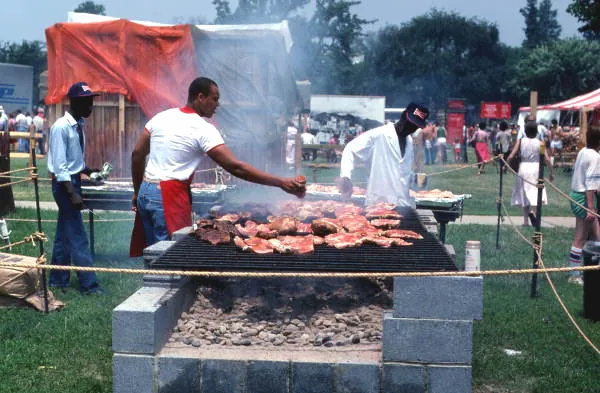
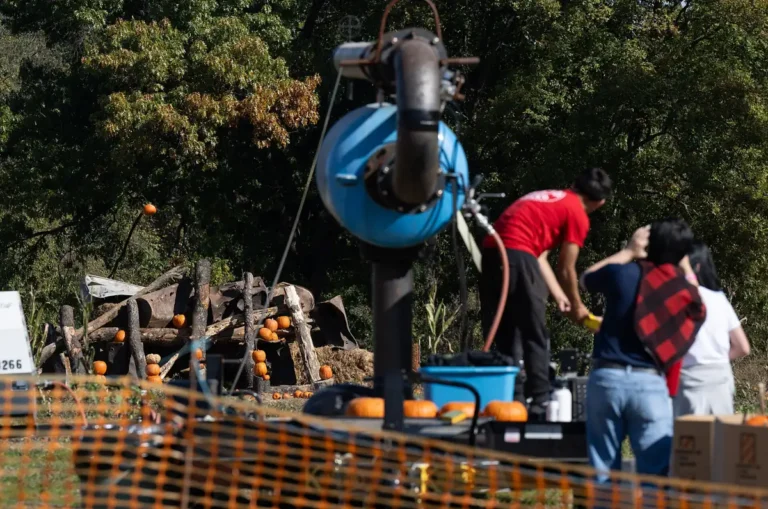
The town chamber layer’s summary for the twenty twenty-six edition lists local homemade food, live entertainment, local artisans, old-world demonstrations and kids’ activities, together with tours through the buildings from the eighteen hundreds and time viewing the exhibits. A regional radio listing layer, describing twenty twenty-five, offers a neighbouring picture: live entertainment, historical demonstrations, pony rides, face painting, farm animals, food, wine tasting and barrel train rides. The deepest programme detail sits in the local newspaper layer’s twenty twenty-four section. Its demonstrations include cornmeal grinding and apple-butter making, plus a couple in historical dress hand-carving pegs for peg barns. An authentic cowboy chuckwagon appears with its owner demonstrating food preparation and sharing poetry. That edition previewed a new railroad exhibit at Kalona’s original depot, complete with a wood boxcar, platform, tracks and a working signal, while tractors were housed in the pole building. Pony rides and a petting zoo occupied the west side, craft vendors sold handmade wares under a tent in the east lot, and music and entertainment ran in the east lot too. The food in that account ranges from shrimp po’ boys, cheese curds, pies and pretzels to the Hillcrest Academy apple fritters, the school then marking its fiftieth year running the fritter booth, and a quilt artist spoke in the quilt gallery on both days. The organiser’s own undated description reduces the whole affair to crafts, food, music and fellowship, while the two thousand two archive layer recalls craft demonstrations, a pioneer living experience, historical displays, activities and exhibits. Against that documented picture, AI-generated and content-farm layers claim bluegrass stages and blacksmithing and woodworking demonstrations; those additions belong to those layers only, are uncorroborated by the credible layers, and are not programme here.
Planning Your Visit
Four documented editions mark the festival’s rhythm, and each sits on a Friday and Saturday late in September. The archive layer’s edition ran on September twenty-seventh and twenty-eighth in two thousand two; the newspaper layer’s special section covered September twenty-seventh and twenty-eighth in twenty twenty-four; radio listing layers give September twenty-sixth and twenty-seventh in twenty twenty-five; and the chamber calendar lists September twenty-fifth and twenty-sixth for its latest entry. That chamber page prints no year beside the entry, so the twenty twenty-six placing rests on two stated grounds: the dates fall on the named weekdays in twenty twenty-six, and the entry sits among that calendar’s twenty twenty-six listings. Every credible layer sets the festival at Kalona Historical Village; an AI-generated directory layer instead claims the grounds spread through Kalona’s downtown district, a claim kept apart here because it conflicts with the chamber, organiser and newspaper layers. The chamber layer states ten dollars for adults and three dollars for ages five to twelve for twenty twenty-six. The radio listing layer states ten dollars for ages thirteen and over and three dollars for ages five to twelve for twenty twenty-five. The newspaper layer states eight dollars for adults, three dollars for children aged five to twelve and free entry for children under four for twenty twenty-four. Behind those figures stands the archive layer’s older arrangement: a festival button, in use since nineteen seventy-three on its account, that let a visitor return on both days.
For a useful comparison, see the Warren County Iowa Norwalk Music Fest Festival for another county festival.
A Sample Festival Day
The twenty twenty-four newspaper account supplies enough shape for a plausible day, and this outline follows that layer alone. Begin among the morning demonstrations, watching cornmeal ground and apple butter made, then find the couple in historical dress carving pegs for peg barns. Give the original depot its time next, taking in the new railroad exhibit with its wood boxcar, platform, tracks and working signal. Drift east by midday for the craft tent and the music in the east lot, pausing where the Hillcrest Academy fritters are fried, then hear the quilt artist speak in the quilt gallery. Close on the west side with the pony rides and petting zoo, and listen for the chuckwagon owner sharing poetry between demonstrations of trail cooking.
How It Compares
Several near neighbours help fix what this festival is by showing what it is not. Kalona Days is a separate June event that the chamber layer lists apart from the fall gathering. Christmas in Kalona belongs to another season entirely, and the Jack O’Lantern Jaunt, though it also takes place at the Kalona Historical Village in the chamber and organiser layers, is a Halloween event rather than any part of the Fall Festival. The Lone Tree Fall Fest fills a fall date in Lone Tree, a different town named in a regional tourism-guide layer, and the Kalona Gospel Sing is a separate Kalona event there. Keeping those boundaries clear protects the Fall Festival’s own record from borrowed dates and borrowed programme.
Festival Checklist
- Set aside both the Friday and the Saturday, since each documented edition spans the pair of days
- Carry the admission figure for the year you attend, because the chamber, radio and newspaper layers each price their own edition
- Head for Kalona Historical Village, the venue named by the chamber, organiser and newspaper layers
- Leave time for the tours through the eighteen-hundreds buildings and the exhibits between demonstrations
- Bring an appetite for homemade food, from the chamber layer’s summary to the newspaper layer’s fritters and cheese curds
- Check the east lot for craft vendors and the west side for pony rides, following the twenty twenty-four newspaper layout
- Plan a stop at the original depot’s railroad exhibit and the quilt gallery while you are on the grounds
- Treat any downtown-wide map of the festival with suspicion, since that spread comes from an AI-generated directory layer alone
Beyond the Festival
Away from the festival weekend, the Village itself remains the story the festival exists to support. On the newspaper layer’s account, the buildings and exhibits then being acquired and built in the festival’s early years are the same ones that make up the Historical Village today, and the chamber layer’s festival summary already points visitors toward tours through the eighteen-hundreds buildings. The original depot and its railroad exhibit, the quilt gallery and the pole building with its tractors all sit inside that same Village world, so a quieter visit outside the festival dates still walks the ground the fundraiser was created to preserve.
Why the Festival Matters
On the documented record, this is a fundraiser that built its own venue’s reason to exist. The newspaper layer ties the festival’s origin to preserving Kalona’s history through buildings and exhibits, the chamber layer ranks it as the largest fundraiser of the year for the societies, and the newspaper layer’s twenty twenty-four account says it still serves that fundraising role for the Historical and Mennonite Societies decades on. Few small-town festivals gather on grounds where exhibits, demonstrations and purpose all tell the same story.
Frequently Asked Questions
Does the festival spread through downtown Kalona?
The credible layers say no. The chamber layer, the organiser’s own site and the local newspaper layer all place the festival at Kalona Historical Village. The claim that the grounds spread through Kalona’s downtown district comes from an AI-generated directory layer alone, and it conflicts with those three layers, so it stands as that layer’s claim only.
Why do the festival’s names differ between the layers?
Because the layers print different forms and none has been merged here. The chamber, newspaper and radio layers print Kalona Fall Festival in full. The organiser’s own site prints Annual Fall Festival and Fall Festival for its own event without the town name, and one newspaper advertisement shortens the name to Kalona Fall Fest. Each form is quoted as its layer prints it.
What was the festival button, and when did it appear?
The local newspaper archive layer, covering the two thousand two edition, explains that admission had been handled by a festival button since nineteen seventy-three and that the button permitted return visits on both days. The excerpt consulted states no amount for the button, so its price is not guessed here; the button belongs to the archive layer’s account of the festival’s older arrangement.
Where do the proceeds of the festival end up?
The layers answer in their own unmerged forms. The chamber layer calls the festival the largest fundraiser of the year for the Kalona Mennonite and Historical Societies, while the twenty twenty-four newspaper layer says the event still serves as an important fundraiser for the Historical and Mennonite Societies. The organiser’s site, for its part, names its governing body as the Kalona Historical Society and says the Village hosts the event.
What to Expect From the Next Washington County Iowa Kalona Fall Festival
How often is Washington County Iowa Kalona Fall Festival held?
Each documented edition occupies a single Friday and Saturday late in September, and the record shows that pattern repeating across the two thousand two, twenty twenty-four, twenty twenty-five and twenty twenty-six editions. The newspaper layers also carry the festival’s long run in their billings, the fifty-second year claimed for twenty twenty-four and the thirty-first year claimed for two thousand two, each kept as printed.
When is the next Washington County Iowa Kalona Fall Festival?
The latest dates in the layers consulted are the chamber calendar’s September twenty-fifth and twenty-sixth, placed in twenty twenty-six as described above. No layer consulted prints a later pair of dates, so the honest answer is that the next edition would be expected only by the pattern of a late-September Friday and Saturday, not by any documented announcement.
Will the dates change?
The day numbers already move within a narrow band. Two thousand two and twenty twenty-four both used September twenty-seventh and twenty-eighth, twenty twenty-five used September twenty-sixth and twenty-seventh, and the latest chamber entry uses September twenty-fifth and twenty-sixth. The Friday-and-Saturday placement late in September has held across every documented edition, while the exact dates have shifted, and nothing in the layers promises that a future pair of dates will match any earlier one.
Closing
The Kalona Fall Festival’s record is unusually tidy for a small-town fundraiser: a named village venue, four documented editions across more than two decades, prices that each layer states for its own year, and a purpose that has stayed legible from the newspaper layer’s origin account to the chamber layer’s latest calendar entry. Read on its own layers’ terms, it remains what those layers describe, a late-September weekend where Kalona’s preserved past pays for its own keeping.