Waldo County Maine Common Ground Country Fair Festival

The Common Ground Country Fair rewards a little forethought. It takes over rural fairgrounds in the Waldo County countryside each autumn, and the visitors who enjoy it most tend to treat it as a full weekend rather than a quick stop. Waldo County is large — 853 square miles, with Belfast as its seat and a 2020 population of 39,607 — so the drive in, the parking plan and the bed you book matter as much as anything on the schedule.
The Core Details Behind the Common Ground Country Fair
| Town / area | The Waldo County countryside, Maine |
| County | Waldo County, founded 1827 and named for Brigadier-General Samuel Waldo |
| County seat | Belfast |
| Population | 39,607 (2020 census) |
| Land area | 853 square miles |
| Region | Midcoast Maine |
| Typical timing | Each autumn, usually across a long weekend in September |
| Admission | Confirm the current gate policy before you travel |
| Setting and features | Open fairgrounds with barns and demonstration areas; organic food, livestock, craft, workshops and music |
| Organizer | A Maine-based agricultural and rural-living organization |
What the Fair Is, and Why It Belongs to Waldo County
The Common Ground Country Fair is a working celebration of organic growing, rural skills and self-reliant living, staged on open ground in the Waldo County countryside. It is not a midway-and-carnival fair. No wall of loud rides competes with the sound of a livestock barn; the emphasis falls on soil, seed, animals, fibre, timber, food and the hands that produce them.
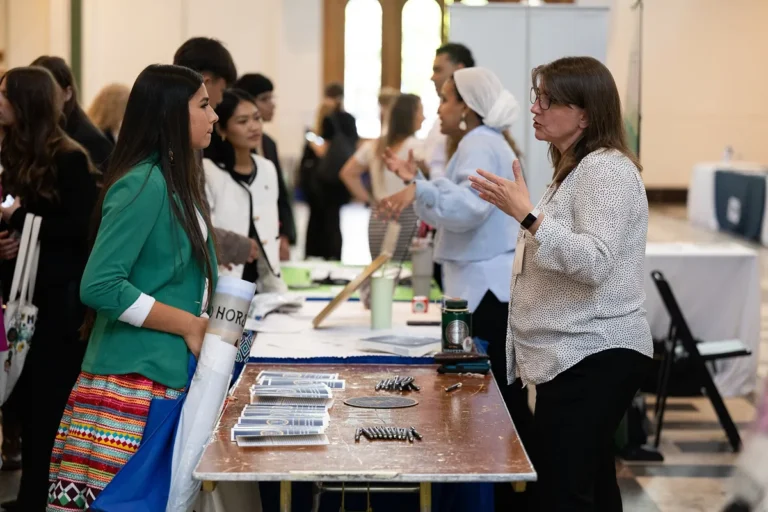
In practice it behaves like three events at once. It is a marketplace where farmers, bakers, cheesemakers, potters, weavers and toolmakers sell directly to the people who use their work. It is a classroom, with talks and demonstrations on composting, orcharding, beekeeping, poultry and small-scale building. And it is a county reunion, a place where neighbours from across 853 square miles of Waldo County, plus visitors from well beyond it, run into each other between the barns.
The location suits the subject. Waldo County was founded in 1827, named for Brigadier-General Samuel Waldo, and its seat at Belfast has long been a working harbour town rather than a resort. A fair built around productive land and regional food makes sense in a county whose economy has always rested on farms, forests and the coast.

From Back-to-the-Land Roots to a Maine Autumn Institution
The fair grew out of the back-to-the-land current that reshaped rural Maine, a moment when new arrivals on smallholdings and long-established farm families found more common ground than either side expected. Organic methods, once treated as a curiosity, found a public stage here — first in a handful of tents and demonstration plots, later across a full fairground of barns, stages and workshop spaces.
Growth came in layers. Livestock and draft animals were joined by fibre arts, seed saving, woodland skills, cooking demonstrations and a serious roster of speakers. Vendors who started with one table returned with whole stalls. The fair became a place where a grower could test a new variety, a cheesemaker could meet customers face to face, and a family could spend a day learning things their grandparents simply knew.
What has not changed is the tone. The fair still feels handmade — improvised in places, deliberately unpolished, driven by exhibitors and volunteers rather than spectacle. For many Waldo County residents, the autumn weekend it occupies has become as fixed a marker of the season as the first hard frost.
What a Weekend on the Waldo County Fairgrounds Feels Like
Expect to walk. The grounds spread across open fields, and the day alternates between full sun and barn shade. Expect crowds by mid-morning and breathing room again near closing. Expect to spend more than you planned on food, and to carry something bulky — a basket, a plant, a wooden stool — back to the car.
Food That Tastes Like the County It Came From
Eating is a central activity rather than an afterthought. Expect prepared food built on Maine farm products, farm stands selling produce by the pound, baked goods, preserves, cider, cheese and maple, plus enough vegetarian and vegan options that nobody has to settle for a plain roll. Lines peak around the middle of the day, so an early lunch or a late one saves twenty minutes of standing. Water refill points matter more than you think on a warm September afternoon.
Music, Demonstrations and Stage Programming
Live music runs through the weekend on more than one stage, leaning toward folk, roots, bluegrass and contradance, with quieter sets in between. The demonstrations are the real draw for many visitors: sheepdog work, draft animals, spinning and weaving, blacksmithing, timber framing, seed saving and cooking. Programming shifts from year to year, so collect a schedule at the gate and build the day around two or three fixed times rather than trying to see everything.
Family Activities and Things for Younger Visitors
Children do well here because so much of the fair is hands-on. Livestock barns, poultry, fibre crafts, storytelling, simple make-and-take workshops and plenty of open grass give families room to move. A wagon beats a stroller on rough ground, and a change of clothes is worth packing if your kids gravitate toward mud. Older children who like animals and tools will last far longer than parents expect.
Planning the Trip: Practical Logistics for Fair Weekend
Getting There Through Waldo County
This is a drive-to event. Belfast, the county seat, is the natural hub for anyone approaching along the coastal corridor, and from there the roads narrow into farmland. There is no realistic rail or bus option for most visitors, so plan on a car, leave earlier than feels necessary, and consider carpooling if your group is splitting up for the day. Aim to be parked before mid-morning; the last few miles slow considerably once the gates are busy.
Where to Stay Around Belfast and Beyond
Lodging in Waldo County is limited and the fair weekend is the busiest of the autumn. Belfast offers inns, motels and B&Bs; the surrounding towns add campgrounds, cabins and a few small seasonal properties. Book months ahead if you want to stay close. Otherwise look at larger towns outside the county and accept a longer morning drive — it is often easier than chasing a last-minute room.
Parking and Arrival Strategy
Parking typically runs across on-site fields and satellite lots with shuttle service in most years, directed by volunteers and signage. Follow the instructions rather than the car in front of you, note the lot name or number, and photograph your row. Wear footwear you would happily take into a wet field. Never park on a farm lane or verge, and expect to queue for the shuttle at closing time — leaving twenty minutes early is the easiest win of the day.
Admission, Spending and the Case for Cash
Gate policy can change from year to year, so confirm current admission arrangements, hours and any multi-day terms before you travel. Once inside, budget for food, craft purchases, workshops and children’s activities, which add up quickly. Many vendors accept cards, but small producers and craft stalls may prefer cash, and cash machines on rural fairgrounds are unreliable at best. Carry more small notes than you think you need.
September Weather and What to Wear
Late September in Waldo County swings hard. Mornings can be cold enough for a jacket; afternoons can be genuinely warm in open fields. Rain turns walking areas muddy fast. The reliable formula is layers, waterproof boots, a light rain shell, a sun hat and a refillable water bottle. Keep a dry set of socks in the car — a small thing that rescues an entire afternoon.
A Sample Fair Weekend, Friday Through Sunday
Friday afternoon and evening. Arrive early enough to settle in, collect a schedule and walk the grounds while they are quiet. Use the first pass to mark stalls, stages and food you want to return to, then eat an unhurried dinner and turn in early.
Saturday morning. Park early and head straight for the livestock barns and demonstration areas before the crowds build. Midday is for food and a stage set in the shade. Saturday afternoon suits the marketplace and workshop tents, when you have a sense of what you actually want to buy.
Sunday. Return for anything you missed, catch a morning talk, and buy perishable food last so it survives the drive. Leave by mid-afternoon to avoid the heaviest exit traffic, or stay late and let the lots clear while you eat one more meal on the grounds.
How the Fair Compares With Belfast, Searsport and Camden
Belfast, the county seat, is the closest thing to a base camp: a working harbour, a compact downtown, restaurants and lodging within a short drive of the fairgrounds. Searsport, up the bay, offers a quieter, more maritime stop with antique shops and a slower pace. Camden, further down the coast, is polished and tourist-facing — a different kind of Maine day out, with prices to match.
The fair itself is unlike any of them. Maine hosts plenty of traditional agricultural fairs with rides, harness racing and fried dough, and those are worth the trip on their own terms. This one trades spectacle for substance: fewer rides, more soil, more conversation, more things you can learn to do at home.
A Fair-Weekend Checklist for Waldo County Visitors
| Checklist item | Why it matters |
| Confirm dates, hours and gate policy | Details shift between years |
| Book lodging early | County rooms vanish on fair weekend |
| Carry cash in small notes | Not every stall takes cards |
| Pack boots and layers | Mud and temperature swings are normal |
| Bring a wagon and water bottles | Grounds are large and open |
| Note your parking lot | Fields look identical at dusk |
| Plan two fixed schedule stops | Beats trying to see everything |
Beyond the Fairgrounds: Belfast, Penobscot Bay and Rural Waldo County
Give the trip an extra day if you can. Belfast rewards a morning of wandering — the harbour, the footbridge, the small shops and bakeries — and the drive up the bay toward Searsport is one of the better short routes in Midcoast Maine. Inland, the county opens into farmland, woods and small village centres that most visitors never see.
Farm stands, orchards and rural markets around the county are worth mapping before you arrive, particularly in early autumn when the harvest is at its peak. Combined with the fair, they turn a single-day outing into a genuine weekend in a county of 853 square miles that has far more going on than its population of 39,607 suggests.
Why the Fair Matters to Waldo County’s Farms and Neighbours
The fair is an economic event as much as a cultural one. For small producers, it is a rare chance to sell directly, test a product and build a customer base that lasts beyond the weekend. Money spent at a stall tends to stay in the region, circulating through farms, kitchens, workshops and the trades that support them.
It also functions as a yearly handshake between generations. Older farmers trade knowledge with newcomers; children meet animals and tools they would otherwise never touch; neighbours who spend the rest of the year working alone end up talking over a table of vegetables. That social glue is difficult to measure and easy to feel.
Where the Common Ground Fairgrounds Sit in Waldo County
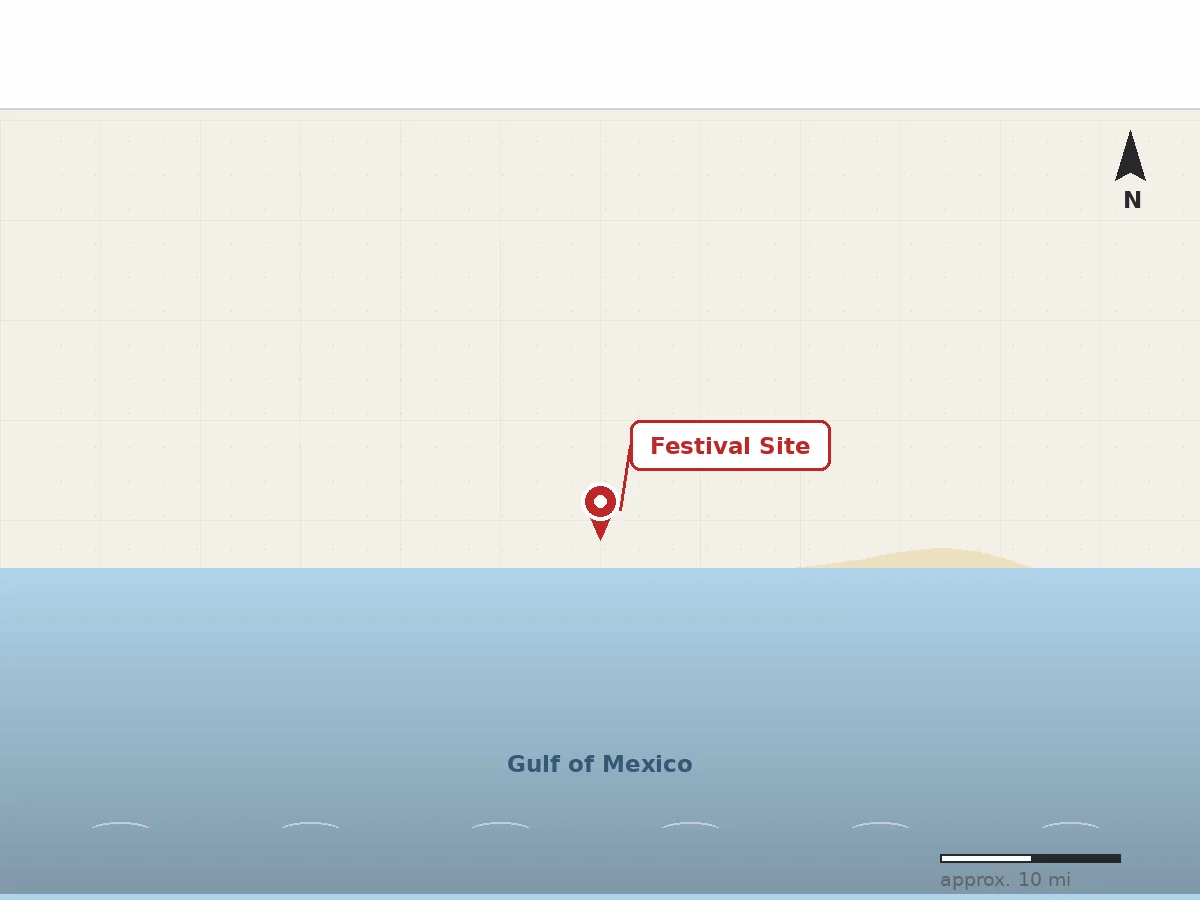
The fairgrounds occupy open farmland in the Waldo County countryside, an inland drive from Belfast, the county seat, and within reach of the Midcoast villages along Penobscot Bay.
Common Ground Country Fair Questions, Answered
When does the fair usually take place?
It is an autumn event, normally held across a long weekend in September. Because the exact weekend can shift, confirm the current dates with the fair’s own information before booking travel or lodging.
Is there parking at the grounds?
In most years, parking is handled through on-site fields and nearby lots with shuttle service, managed by volunteers and signs. Arrive early, follow directions rather than the queue you can see, and remember where you left the car.
Is the fair suitable for young children?
Yes. Livestock, crafts, open grass and hands-on activities keep most children engaged for hours. Bring a wagon rather than a stroller, pack spare clothes, and keep the day flexible so nobody melts down before the good part.
Do I need to bring cash?
It helps. Many vendors accept cards, but smaller producers and craft stalls may not, and cash machines in a rural setting are not something to rely on. Small notes make checkout faster for everyone.
Looking Ahead to Future Fair Seasons in Waldo County
The fair’s future looks tied to the same things that built it: farmland under pressure, a growing appetite for local food, and a steady supply of people willing to spend a weekend demonstrating, teaching and selling. Expect continued emphasis on organic practice, rural skills and hands-on programming, with logistics — parking, shuttles, waste — absorbing more attention as crowds grow.
For visitors, the sensible approach stays the same: plan early, book early, arrive early, and leave room in the day for the unplanned conversation that turns out to be the best part. Last updated: October 2026
Treat the Common Ground Country Fair as a weekend rather than an errand and Waldo County rewards you. Come for the food and the animals, stay for the demonstrations, and drive home with a full basket, muddy boots and a short list of things you plan to try on your own patch of ground next year.