Wabash County Indiana Treaty Festival
Some festival names arrive on a printed page exactly as a sheet lists them, and this one does not. No layer read prints the bare form Treaty Festival on its own. The county visitors bureau’s own calendar carries the event as the 1826 Festival at Paradise Spring Historical Park, and other layers print 1826 Treaty Festival and Treaty Festival at Paradise Spring. Those printed forms are what this article follows, each in its own place, and the gathering they name is a single documented occasion: a two day celebration on Friday the twenty-third and Saturday the twenty-fourth of October, twenty twenty-six, marking two hundred years since the Treaty of eighteen twenty-six was signed at Paradise Spring in Wabash. The occasion exists because of what happened on that ground two centuries earlier. In October eighteen twenty-six, leaders of the Miami and Potawatomi Nations met United States representatives at a place then called Ta Kincomaong, the Running Water Place, and signed a treaty that reshaped the region. The park holding the signing site stands just east of downtown Wabash, and the twenty twenty-six festival is framed by the visitors bureau and the local newspaper layer as the bicentennial observance of that signing.
About the Festival
The 1826 Festival at Paradise Spring Historical Park is, on the record available, a bicentennial commemoration rather than one edition in a documented series. The visitors bureau lists it among the anniversary events for twenty twenty-six, and the local newspaper layer describes a celebration sponsored by the Paradise Spring Historical Park nonprofit board. An AI-generated festival directory layer prints a different organiser name, Paradise Spring Historical Park Association, but no other layer supports that form, so it stands here only as that directory’s own claim.
What the documented record supports is a gathering of two days on ground that carries its own history. Paradise Spring Historical Park, also printed as Paradise Spring Historic Park in some layers, occupies the site where the treaty was negotiated and signed. The county museum layer treats the park as a living history place, with cabins where costumed interpretation has been part of the site’s public life. A festival placed there in the bicentennial year is therefore less a fairground occasion than an observance at the scene of the event it honours.
Because the documented edition is the anniversary one, this article is built honestly around it. The treaty record is rich and well attested, and it fills the history section below; the festival’s own earlier history is not documented in any layer read, and no founding year for the gathering appears anywhere in the material.
Quick Facts
| Item | Detail |
| Published name | 1826 Festival at Paradise Spring Historical Park; also printed as 1826 Treaty Festival and Treaty Festival at Paradise Spring |
| Host town | Wabash, Indiana |
| County role | Wabash is the county seat of Wabash County |
| Venue | Paradise Spring Historical Park, also printed as Paradise Spring Historic Park |
| Venue setting | Just east of downtown Wabash, on the ground where the eighteen twenty-six treaty was signed |
| Documented edition | Friday the twenty-third and Saturday the twenty-fourth of October, twenty twenty-six |
| Occasion | The two hundredth anniversary of the signing of the Treaty of eighteen twenty-six |
| Sponsor | The Paradise Spring Historical Park nonprofit board, as the local newspaper layer states |
| Admission | No layer read states an admission charge |
| Historical namesake | Ta Kincomaong, the Running Water Place, the site’s name at the time of the signing |
History
The history that gives this festival its reason is the treaty itself, and the county museum layer together with historical-marker layers tells that story in firm outline. In October eighteen twenty-six, thirty-seven Miami and Potawatomi leaders and fourteen United States representatives came together at a place the Native nations knew as Ta Kincomaong, rendered in English as the Running Water Place, along the river at what is now Wabash, on ground that the modern park preserves.
For a useful comparison, see the Vigo County Indiana Haute Hops and Vines Festival for another county festival.
The agreement signed there was large in its consequences. The treaty ceded approximately nine hundred thousand acres of land, a transfer that opened northern Indiana and southern Michigan to settlement and to canal construction. Marker texts treat the signing as one of the defining moments in the region’s transformation, the point at which land that had been Native ground passed, by negotiated cession, into the path of American expansion.
Paradise Spring is the name the site carries in its commemorative life, and the park keeps the signing ground as a public historic place rather than a built-over parcel. The museum layer’s account emphasises continuity of place: the cabins and grounds stand where the negotiators met, and living history activity there connects visitors with the setting of eighteen twenty-six rather than with a replica built elsewhere.
Two neighbouring pieces of history deserve clear separation from this treaty. Marker texts also reference the Treaty of Saint Marys of eighteen eighteen, an earlier and different agreement, and the eighteen twenty-six signing should never be blurred into it. The festival itself has no documented earlier editions in the layers read.
What to Expect
A bicentennial observance on the signing ground sets its own tone. Paradise Spring Historical Park is a cabin site, and the county museum layer documents living history at the park during the town’s Founders Festival in twenty twenty-two, running from nine in the morning to five in the afternoon. That pattern describes the site’s character: historic structures, interpreters in a period setting, and a grounds-first experience rather than a midway one.
One further layer adds colour that needs careful handling. An AI-generated festival directory describes living history and period demonstrations as programme elements of the treaty celebration itself. Those details may prove accurate, but they come from a single generated directory and no organiser or newspaper layer confirms them, so they stand here as that directory’s claims and nothing firmer. What the visitors bureau calendar and the newspaper layer jointly establish is the anniversary framing: two October days at Paradise Spring devoted to the two hundredth anniversary of the signing.
Planning Your Visit
The documented edition occupies two days, Friday the twenty-third and Saturday the twenty-fourth of October, twenty twenty-six, at Paradise Spring Historical Park just east of downtown Wabash. Late October in northern Indiana is ordinarily cool, and an outdoor historic site rewards layered clothing and footwear suited to grass and uneven ground around old cabins.
No admission figure appears in any layer read, so budgeting should not assume either a ticket price or a guaranteed free entry; the honest position is that the documented record is silent on the point, and visitors who need certainty should check the visitors bureau’s anniversary listings closer to the date.
Wabash is the county seat of Wabash County, so the town offers the services of a seat of county government alongside its historic downtown, all a short distance from the park. Arriving with time in hand suits the occasion: the grounds reward an unhurried visit, and the markers take time to read properly.
A Sample Itinerary
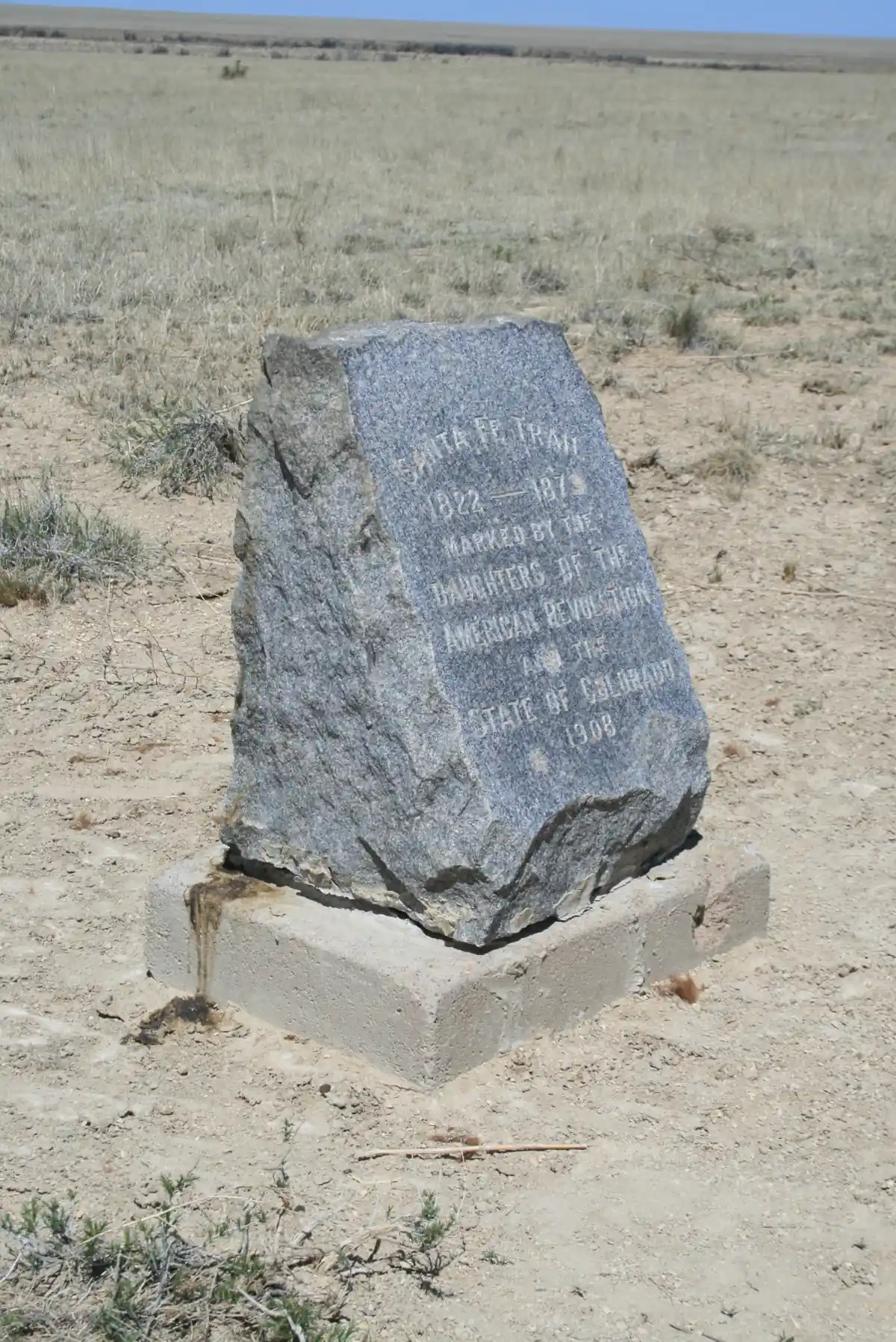
A Friday arrival could begin with the park itself, walking the grounds at Paradise Spring and reading the marker texts that set out the eighteen twenty-six signing before the weekend’s observances gather pace. The treaty record, thirty-seven Native leaders and fourteen United States representatives meeting at Ta Kincomaong, is the essential context, and absorbing it where it happened gives the weekend its meaning.
Later on Friday, time in downtown Wabash, a short distance west of the park, rounds out the picture of the modern town that grew from the settlement era the treaty opened.
Saturday suits a fuller session at the park: the cabins and the living history character of the site as the museum layer documents them, the anniversary observances as the bureau calendar and the newspaper layer frame them, and a slower second pass over the ground, ending at the signing site itself.
How It Compares
The closest comparison sits in the same park a decade earlier. In twenty sixteen, the state marked its own bicentennial, and a state bicentennial commission layer records a Walk Through Time event running across the eighteen sixteen to twenty sixteen span at Paradise Spring. That was a one-off state anniversary production, distinct in sponsor, purpose and framing from the twenty twenty-six treaty celebration.
The treaty comparison matters as much as the event comparison. The Treaty of Saint Marys, signed in eighteen eighteen, appears in marker texts near the Paradise Spring story, but it is a separate agreement, concluded at a different place and time. The twenty twenty-six festival commemorates the eighteen twenty-six signing specifically: the meeting at Ta Kincomaong, the cession of roughly nine hundred thousand acres, and the opening of northern Indiana and southern Michigan that followed.
Measured against the wider run of county festivals, this gathering is unusual. Most festivals rest on a documented series of editions; this one rests on a documented place and a date two centuries deep. Its claim on a visitor’s attention is the ground itself and the anniversary.
Visitor Checklist
- Confirm the two documented dates, Friday the twenty-third and Saturday the twenty-fourth of October, twenty twenty-six
- Use the printed name 1826 Festival at Paradise Spring Historical Park when searching listings
- Dress in layers for late October weather at an outdoor historic site
- Wear footwear suited to grass and uneven ground around the cabins
- Allow unhurried time for the marker texts at the signing ground
- Read the treaty background before arriving, so the observances land with context
- Treat directory claims about demonstrations as unconfirmed
- Keep the eighteen eighteen Treaty of Saint Marys distinct from the eighteen twenty-six treaty
- Plan no admission budget from the published record, since no layer states a charge
- Give the park itself the centre of the trip
Beyond the Festival
The modest wider picture the facts support is the town and the site together. Paradise Spring Historical Park belongs to Wabash’s historic fabric, and the county museum layer ties the site to the town’s Founders Festival tradition, during which living history filled the park’s cabins in twenty twenty-two. A visitor drawn by the treaty bicentennial will find the park is not an isolated monument but part of how Wabash presents its own beginnings.
Downtown Wabash stands a short distance west of the park, and the town’s standing as county seat gives it the courthouse square character typical of an Indiana seat of government. Beyond that, this article stays deliberately narrow: the facts ground the festival in the park, the treaty and the town, and stretching the account into attractions no layer documents would serve the reader badly.
Why It Matters
A bicentennial only offers itself once, and this one is anchored to a specific, visitable place. The Treaty of eighteen twenty-six was not signed in a capital or a distant hall; it was concluded at Ta Kincomaong, on ground that survives as a public park east of downtown Wabash. Marking two hundred years since that signing, at that spot, gives the commemoration a directness a purely ceremonial programme could not match.
The treaty’s consequences were immense, approximately nine hundred thousand acres ceded and a region opened to settlement and canals, and they were set in motion by a face to face negotiation between thirty-seven Miami and Potawatomi leaders and fourteen United States representatives. A festival that returns public attention to that meeting, on its own ground, does the work of memory in the most literal way available.
Frequently Asked Questions
What does the festival at Paradise Spring commemorate?
It commemorates the signing of the Treaty of eighteen twenty-six at Paradise Spring, two hundred years before the documented edition. In October of that year, thirty-seven Miami and Potawatomi leaders and fourteen United States representatives met at Ta Kincomaong, the Running Water Place, and signed the treaty ceding approximately nine hundred thousand acres, opening northern Indiana and southern Michigan to settlement and canal construction.
Under what name is the event actually listed?
The county visitors bureau’s own calendar lists it as the 1826 Festival at Paradise Spring Historical Park. Other layers print 1826 Treaty Festival and Treaty Festival at Paradise Spring. No layer read uses the bare form Treaty Festival by itself, so this article follows the printed forms.
Who is behind the twenty twenty-six celebration?
The local newspaper layer states that the celebration is sponsored by the Paradise Spring Historical Park nonprofit board. A festival directory layer prints a different name, Paradise Spring Historical Park Association, but that form appears nowhere else in the material read, so it stands as that directory’s claim rather than the organiser’s name.
What kind of experience does the site itself offer?
Paradise Spring is a historic cabin site on the treaty signing ground, and the county museum layer documents living history at the park during the town’s Founders Festival in twenty twenty-two, from nine in the morning to five in the afternoon. A generated directory also claims living history and demonstrations for the treaty event specifically, though no organiser layer confirms those details.
What to Expect From the Next Wabash County Indiana Treaty Festival
How often is Wabash County Indiana Treaty Festival held?
The layers read document a single edition, the bicentennial celebration of October twenty twenty-six, and they show no series of earlier gatherings under any of the printed name forms. A regular interval cannot be drawn from a record that contains one dated edition, so the honest answer is that the frequency of any future observance is not established by the material available.
When is the next Wabash County Indiana Treaty Festival?
Only the twenty twenty-six bicentennial edition, on Friday the twenty-third and Saturday the twenty-fourth of October of that year, appears in the documented record. A further edition would need an announcement from the park board or the visitors bureau, and none is present in the layers read, so no next date can responsibly be given here.
Will the dates change?
The twenty twenty-six dates are fixed to the anniversary they mark, since the celebration is the two hundredth anniversary of an October eighteen twenty-six signing, and the bureau calendar and the newspaper layer print them consistently. Any future observance would choose its own timing, and nothing in the record read predicts it.
Closing
The Wabash County Indiana Treaty Festival, under its printed names, is best understood as a bicentennial observance standing on exceptionally firm historical ground. The treaty it honours is documented in detail: the meeting at Ta Kincomaong, the leaders and representatives who concluded it, and the vast cession that followed. The gathering itself is documented more narrowly, as a sponsored two day celebration at Paradise Spring Historical Park on the twenty-third and twenty-fourth of October, twenty twenty-six, and this article has kept those two scales of evidence separate throughout.
For a reader deciding whether to go, the proposition is simple. The park preserves the very ground where northern Indiana’s future was negotiated in eighteen twenty-six. Arrive knowing the treaty’s outline, and use the printed festival name when checking listings.