Saline County Kansas Tri Rivers Fair Festival
Ask anyone in central Kansas what they remember about a county fair and the answer rarely starts with a ribbon. It starts with food. A paper boat of fresh-cut fries. A funnel cake dusted in sugar while it is still too hot to hold. A pork burger eaten standing up while a tractor rolls past. The Tri Rivers Fair, held in the Saline County area around Salina, is that kind of gathering — a fair where the eating is as much the point as the exhibits.
Saline County covers 721 square miles of north-central Kansas, with Salina as its county seat and a population of 54,303 at the 2020 census. The county was founded on February 15, 1860, and its fair tradition grew out of the wheat, cattle, and river-bottom farming that still shapes the landscape. For a few days in the fair season, that whole county crowds into one place — and the food lines tell you where to go.
Saline County’s Tri Rivers Fair: The Basics Before You Bite In
| Town / area | Saline County area, around Salina |
| County | Saline County, Kansas |
| County seat | Salina |
| Population | 54,303 (2020 census) |
| Region | North-central Kansas river country |
| Typical timing | A weekend during the late-summer fair season |
| Admission | Typically free to enter; food, rides, and vendor items priced separately |
| Setting | Outdoor fairgrounds with open-air exhibit buildings and midway space |
| Features | Food concessions, livestock and agricultural exhibits, live entertainment, family activities |
| Organizer | Local volunteer fair board with Saline County community groups |
What the Tri Rivers Fair Is, and Why Food Leads the Story
The Tri Rivers Fair is Saline County’s homegrown fair: part agricultural showcase, part reunion, part midway. It happens in the Saline County area around Salina, the city that has served as county seat since the county was organized. The name nods to the river country here, where the Smoky Hill and Saline rivers come together and where bottomland farms still grow the wheat and raise the cattle that anchor the local economy.
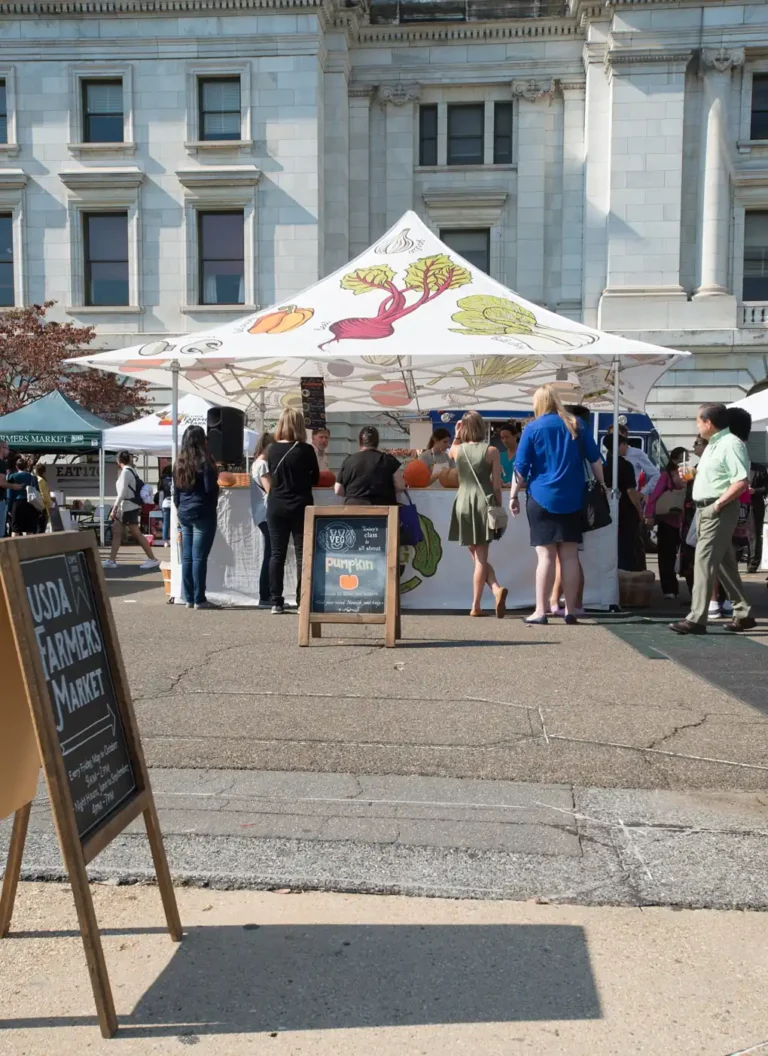
What separates a memorable county fair from a forgettable one is usually the food, and at Tri Rivers the food is the connective tissue of the whole weekend. It is what livestock families grab before the show ring opens, what teenagers buy with their ride money, and what grandparents claim a shady picnic table for an hour to finish. Expect the classics — grilled burgers and brats, hand-dipped corn dogs, fresh-cut fries, lemonade, pie by the slice, cinnamon rolls the size of a saucer — alongside whatever local vendors bring that year.
None of it is fancy, and that is the appeal. You eat standing up, you eat next to people you have not seen since last year’s fair, and you order things you would never order anywhere else. Bring cash for the smaller stands, keep a napkin in your pocket, and let the longest line guide you. At a fair this size, the wait is usually the review.
For another look at how a community turns its own traditions into a gathering, see the Sac County Iowa Sac County Fair Festival for a useful comparison.
Saline County’s Fair Tradition, From 1860 Farm Roots to Today
Saline County was founded on February 15, 1860, well before the railroads and the wheat boom turned this stretch of north-central Kansas into one of the state’s agricultural anchors. Salina became the county seat and grew into the trade town for the surrounding 721 square miles of prairie and river bottom. In communities like this, fairs arrived early and for practical reasons: farmers needed a place to compare seed, cattle, hogs, and machinery, and they needed a date on the calendar to do it.
Early county exhibitions in Kansas were organized by agricultural societies and granges, often on borrowed ground, with entries judged in whatever space a town could spare. Over the decades these gatherings moved onto dedicated fairgrounds, added grandstands and midway rides, and folded in the youth programs that now supply a large share of the exhibits. The Tri Rivers Fair carries that lineage forward — a fair built on livestock and crops that learned to be an entertainment event too.
The county has changed since 1860. The 2020 census counted 54,303 residents, most of them in and around Salina, and the farms that remain are larger and more mechanized than the ones that filled the earliest fairs. What has not changed is the fair’s basic social function: it remains one of the few times each year when the whole county — town and country, young and old — is in the same place at the same time.
What a Tri Rivers Fair Day Actually Feels Like
The fairgrounds run on a rhythm. Mornings belong to exhibitors and judges. Afternoons belong to families with strollers and grandparents in folding chairs. Evenings belong to the midway, the music, and the longest food lines of the day. Plan around that rhythm and the weekend feels easy.
Fair Food Worth Standing in Line For
This is a fair where you should arrive hungry and graze all day rather than sit down once. Start with something savory from a grill — a burger, a brat, a smoked sandwich — then work toward the fryers and the sweet stands. Local organizations typically run a share of the concessions, which means the recipes are often the ones that have been handed down at church suppers and community fundraisers for years. Ask the person working the window what they recommend; they will usually point you to whatever their booth does best.
Music, Grandstand Moments, and Evening Entertainment
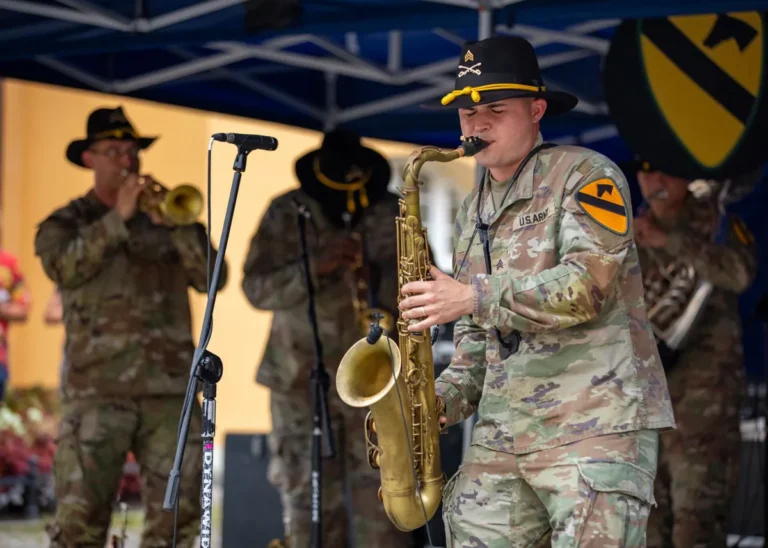
Evenings at the fair bring live entertainment, often a mix of local and regional acts playing country, rock, and the kind of cover band everyone can sing along to. Grandstand events and demonstrations fill the gaps between sets, and the midway lights come on as the heat finally breaks. Arrive early for the best seat, or bring a lawn chair and settle in at the edge of the crowd where the kids can still run.
Family Activities and the Kid-Friendly Corners
Livestock barns are the quiet highlight for young visitors — calves, goats, rabbits, and poultry, usually with exhibitors happy to answer questions. Add carnival rides, games, face painting, and the small-animal and craft exhibits, and a family can fill an entire afternoon without spending much beyond food and ride tickets. Bring wipes, sunscreen, and a stroller you do not mind getting dusty.
Sorting Out a Saline County Fair Weekend
Getting to the Saline County Fairgrounds
Most visitors drive in from Salina or from the smaller towns scattered across Saline County. Salina sits where Interstate 70 and Interstate 135 meet, so the approach is straightforward for anyone coming from Wichita, Kansas City, or the I-70 corridor to the west. Once you are off the interstate, the county’s road grid does most of the navigating for you.
Where to Stay Around Salina
Salina is the natural lodging base, with the usual chain hotels clustered near the interstate exits and a handful of independent options closer to downtown. Fair weekends are popular, so booking a room a few weeks out is smarter than hoping to walk in. Campers and RV travelers often prefer to stay at area campgrounds and drive in for the evening events.
Parking Without the Headache
Fairground parking is typically on grass or gravel and fills quickly after suppertime, when the midway crowd arrives. Come early in the afternoon for the easiest spot, park where you can see a landmark so you can find the car after dark, and expect a short walk either way. Carpooling with neighbors is a fair-week tradition for good reason.
Admission, Wristbands, and What Things Cost
County fairs in this part of Kansas are typically free to enter, with spending concentrated at food stands, ride tickets, games, and vendor booths. Bring cash in small bills — some stands move faster that way — and set a rough budget for the kids before you walk through the gate. If ride wristbands are offered, they are usually the better value for younger children who want to go around more than twice.
Kansas Weather and What to Wear
Late-summer Kansas means hot, humid afternoons, warm evenings, and the occasional thunderstorm that rolls in fast. Dress light, wear closed-toe shoes for the barns and gravel, and pack a light rain jacket you can shove in a bag. A refillable water bottle saves money and tempers the heat, and sunscreen matters more than most first-timers expect.
A Sample Weekend at the Tri Rivers Fair
Friday evening. Arrive as the afternoon heat starts to break. Walk the exhibit buildings first while they are quiet, then hit the food stands before the dinner rush, and finish on the midway once the lights come on. This is the night for grazing and for catching the first musical act.
Saturday morning and afternoon. Come back early for the livestock shows and the youth exhibits — this is the part of the fair that matters most to Saline County families. Eat lunch from a different stand than you tried Friday, then spend the hottest hours in the shade of the barns or under a tent.
Saturday night. The biggest crowd, the best entertainment, and the longest lines. Claim a picnic table early, let the kids ride until they are worn out, and stay for the last set.
Sunday. A slower, gentler version of the fair — good for one final pass through the exhibits, a last cinnamon roll, and a quiet look at the animals before everything packs up.
Tri Rivers Fair vs. Nearby Kansas Fair Weekends
Saline County sits in a part of Kansas where fair weekends stack up close together, and each one has a different personality. Abilene, east along I-70 in Dickinson County, leans into its cowboy and Eisenhower-era history, so its fair season pairs well with a museum stop. Lindsborg, south of Salina, brings a Swedish heritage flavor to everything it hosts, which shows up in the baked goods as much as the decorations.
Farther south, Hutchinson hosts the Kansas State Fair each September — the big one, with a scale no county fair tries to match. That makes the Tri Rivers Fair the opposite kind of experience: smaller, cheaper, easier to walk, and much more likely to put you at a table next to someone whose family has shown livestock here for generations. If you have time for both, do the state fair for the spectacle and the county fair for the food and the people.
A Fair-Day Checklist for Saline County Visitors
— Cash in small bills, plus a card for the larger vendors.
— Sunscreen, hats, and a refillable water bottle.
— Closed-toe shoes that can handle gravel, grass, and barn floors.
— A light rain jacket or poncho, because Kansas weather changes its mind.
— Lawn chairs or a blanket for evening entertainment.
— Wipes, hand sanitizer, and a bag for the inevitable fair trinkets.
— A phone charged to full, and a meet-up spot agreed on before the crowd thickens.
Beyond the Fairgrounds: Salina and the Saline County Backroads
Make a weekend of it and Salina rewards a few extra hours. Downtown has restored brick storefronts, local restaurants, and a growing arts scene, while the Smoky Hill River corridor offers walking and biking space that feels far from the interstate. Families often pair the fair with a stop at the city’s zoo and park attractions.
The county itself is worth a slow drive. Saline County’s 721 square miles run from river bottom to rolling upland, and the backroads in late summer are all wheat stubble, grain elevators, and cattle. Small towns like Assaria, Brookville, Gypsum, and New Cambria sit within an easy loop, each with a grain elevator skyline and a story about how the railroad decided where it would stop.
What the Tri Rivers Fair Means to Saline County
A fair like this one is volunteer infrastructure. The people running the gates, judging the pies, weighing the hogs, and working the concession windows are the same people who coach the teams and serve on the church boards the rest of the year. The fair is where that labor becomes visible, and where kids who have spent months halter-breaking a calf get a moment in front of a crowd.
It also does quiet economic work. Fair week fills Salina hotel rooms, restaurants, and gas stations, and it puts money directly into the hands of local organizations that use it for scholarships, equipment, and community projects. For a county of 54,303 people, that is not a small thing. The Tri Rivers Fair is where Saline County eats, visits, competes, and remembers that it is one community rather than a city plus a lot of farmland.
Where the Tri Rivers Fair Sits in Saline County
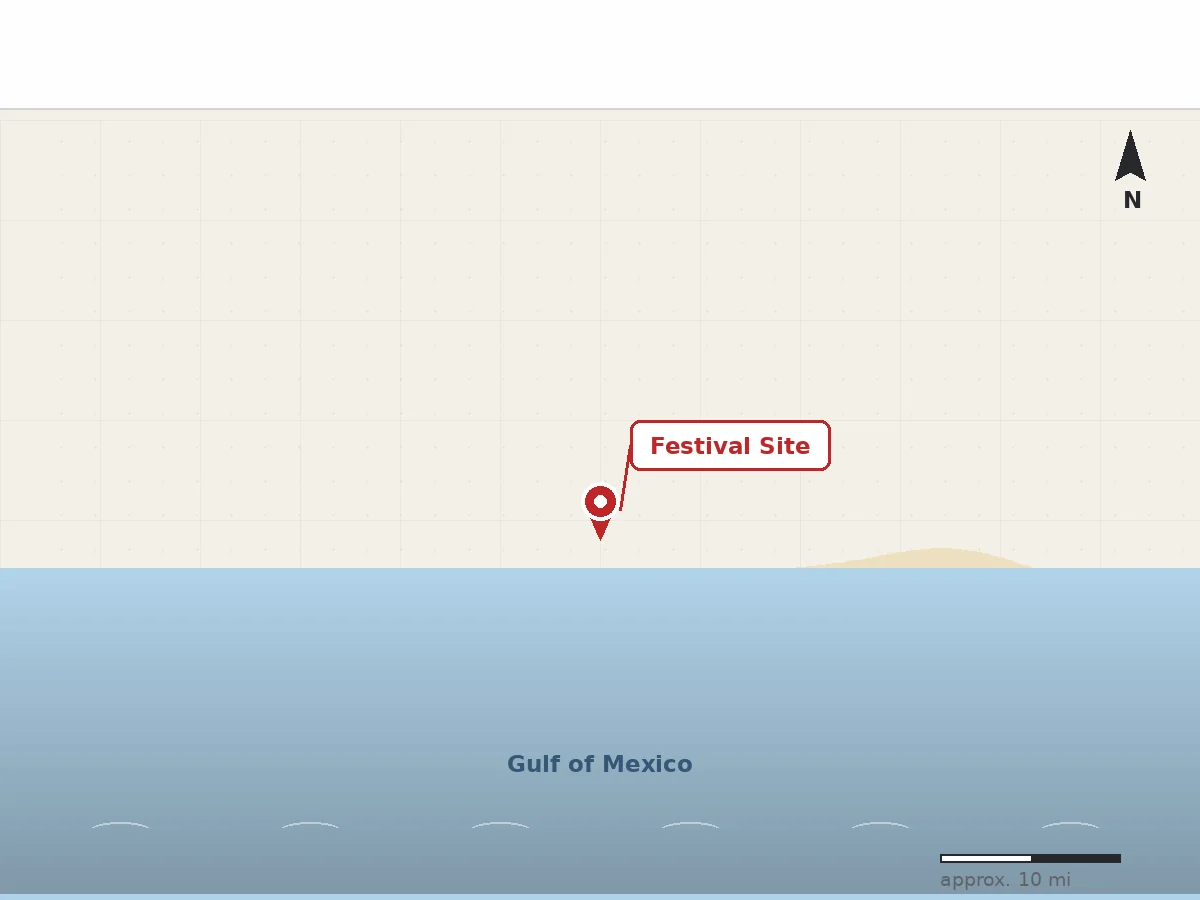
The Tri Rivers Fair takes place in the Saline County area around Salina, in north-central Kansas at the junction of Interstate 70 and Interstate 135.
Common Tri Rivers Fair Questions from First-Timers
Is the Tri Rivers Fair free to attend?
Admission is typically free in the county fair tradition, with costs coming from food, rides, games, and vendor purchases once you are inside. Budget for parking in a grass lot and for the midway if you have kids along.
What should I eat first at the fair?
Start savory. Get a burger, brat, or smoked sandwich from a grill stand early, then move to fries and onion rings, and save the funnel cake, pie, or cinnamon roll for the walk back to the car. If one stand has a noticeably longer line than the rest, that is your answer.
Is the fair a good fit for young kids and older visitors?
Yes, with a little planning. Young children do best in the morning and early evening, when it is cooler and the crowds are thinner. Older visitors should look for the shaded seating near the exhibit buildings and plan around the midway, which gets loud and busy after dark.
When is the best time to arrive?
Mid-afternoon gives you the easiest parking and the shortest food lines, and it lets you see the exhibits before the evening rush. If the entertainment is your priority, come an hour before the first set, claim a spot, and eat while you wait.
The Next Chapter for the Tri Rivers Fair in Saline County
County fairs everywhere are working on the same problem: keeping the agricultural heart of the event while staying relevant to families who have never set foot on a farm. The Tri Rivers Fair already has an advantage, because its food, its livestock barns, and its evening entertainment appeal to the same crowd for different reasons. Expect continued emphasis on youth exhibitors, local food vendors, and programming that gives visitors a reason to come back on a second day.
Volunteer recruitment will matter more than anything else in the years ahead. Fairs run on people who show up year after year, and the ones that thrive are the ones that bring younger families into the work early. Saline County has the population base and the agricultural identity to keep this tradition healthy.
Last updated: October 2026
Whether you come for the livestock show, the grandstand act, or simply the chance to eat your way across a Kansas fairground at dusk, the Tri Rivers Fair delivers the version of Saline County that locals recognize instantly: unhurried, generous with its portions, and happiest when the whole county is standing in the same line.



One Comment