Saline County Kansas Smoky Hill Museum Street Fair Festival
For one Saturday in late September, the blocks around the Smoky Hill Museum in downtown Salina fill with a morning parade, the smell of chili, costumed interpreters and stage music, as the Smoky Hill Museum Street Fair turns the museum’s own neighbourhood into an open-air celebration of the region’s past. The fair is the museum’s own production, and the record behind it is unusually full: an organiser-published schedule and parade page, backed by several local news accounts, document editions held in two thousand twenty-three, two thousand twenty-five and two thousand twenty-six. Attendance carries no charge at all, because sponsors from among local residents and businesses underwrite the day, so the fair belongs as much to the town watching it as to the institution staging it.
About the Street Fair
The fullest published name for the event is the Smoky Hill Museum Street Fair, the form carried by the museum’s own site and echoed through local news coverage. A local news account also uses a shortened form, Smoky Hill Street Fair, and a hotel-chain guide prints a third variant, Smoky Hills Museum Street Fair, with a plural Hills. Those three forms are reported here exactly as their publishers printed them, side by side rather than merged into a single tidied name. The fair belongs to the Smoky Hill Museum itself, which posts the schedule and the parade entry information on its own pages, and no competing organiser appears anywhere in the coverage gathered. Everything happens in and around the museum in downtown Salina, the seat of Saline County, with the parade running down Santa Fe Avenue between Elm Street and South Street. Museum and local news layers alike describe the fair as an annual event, and the dated editions in the record fall on Saturdays late in September: the twenty-third in two thousand twenty-three, the twenty-seventh in two thousand twenty-five and the twenty-sixth in two thousand twenty-six. That run of Saturdays gives the fair a dependable place in the town’s calendar, and the sources describing it are consistent about its character, presenting it as a heritage celebration staged by the museum rather than a fairground production.
Quick Facts
| Item | Detail |
| Published name | Smoky Hill Museum Street Fair |
| Host community | Salina, the seat of Saline County |
| Setting | In and around the Smoky Hill Museum, downtown Salina |
| Organiser | The Smoky Hill Museum |
| Newest documented edition | Saturday, the twenty-sixth of September, two thousand twenty-six |
| Fair hours | Ten in the morning until four in the afternoon |
| Cost to attend | Free entry, stated for two thousand twenty-five and two thousand twenty-six |
| Parade | Opens the day along Santa Fe Avenue |
| Earlier documented editions | The twenty-third of September, two thousand twenty-three, and the twenty-seventh of September, two thousand twenty-five |
History
Museum pages and local news accounts bill the street fair as an annual gathering devoted to the history and heritage of the Smoky Hills region, the rolling country that gives both the museum and the fair their name. None of the accounts gathered for this article attaches a founding year to the fair itself, so its beginnings are left where the record leaves them rather than reconstructed from guesswork. One milestone that does appear belongs to the museum rather than the fair: a radio layer notes that the museum marks its own fortieth anniversary on Iron Avenue in two thousand twenty-six, an institutional birthday that says something about the museum’s rootedness downtown without dating the street fair’s first edition. What the record does show is a fair already woven into the town’s autumn habits by the early twenty-twenties. A local news account of the held day in two thousand twenty-three reports children’s pumpkin painting and paper crafts alongside blacksmithing demonstrations, evidence that hands-on heritage activity stood at the centre of the fair from the earliest edition documented here. By two thousand twenty-five, local news was noting the free entry that sponsorship makes possible, and by two thousand twenty-six the museum was publishing a full schedule and parade page of its own, the surest sign of an event its organiser expects the whole town to plan around.
The sponsorship pattern visible in the record is part of that history too. Local news in two thousand twenty-five and museum and news layers in two thousand twenty-six credit local residents and businesses with carrying the cost of the day, which suggests the fair’s free entry is not a one-year gesture but a settled arrangement between the museum and its neighbours. The heritage thread also runs unbroken through the documented years, from the blacksmithing and children’s crafts of two thousand twenty-three to the Old West theme the museum chose for its two thousand twenty-six parade.
What to Expect
A parade opens the fair at ten in the morning, stepping off down Santa Fe Avenue between Elm Street and South Street, and for two thousand twenty-six the museum’s parade page announced the theme “America’s 250th Old West Style”, printed here exactly as the museum gives it. Around the museum, the day leans into that Old West character: historical re-enactors move through the grounds, and Old West activities run alongside the museum’s own displays. The Boiling Pot Chili Cook-off anchors the late morning, with a public tasting that cost two dollars and fifty cents in two thousand twenty-six, the day’s one notable component charge. Live stage entertainment runs through the programme, and the museum’s schedule for two thousand twenty-six listed the Wichita War Dancer and country performer Jake Gill among the acts. Food vendors feed the crowd between events, while inside, the museum gallery and store stay open through the day with a special exhibition mounted for the occasion. Families reading the two thousand twenty-three account will find a younger-skewing strand as well, since that year’s fair offered children pumpkin painting and paper crafts, and craftspeople demonstrated blacksmithing within sight of the museum doors. Through all of it, the museum building itself stays at the centre of the map, with the street programme wrapped around a gallery and store that remain open from the parade’s first step to the four o’clock close.
For a useful comparison, see the Saline County Kansas Smoky Hill River Festival for another county festival.
Planning Your Visit
The fair occupies a single Saturday, and in each documented year that Saturday has fallen late in September, with the gates metaphorically open from ten in the morning until four in the afternoon. Getting there early matters most for the parade, which starts the day at ten sharp along Santa Fe Avenue, so a viewing spot between Elm Street and South Street is best claimed beforehand. Money is a minor concern: attending costs nothing in either of the two most recent documented editions, thanks to sponsorships from local residents and businesses, although a visitor wanting the full chili experience should carry small bills and coins for the cook-off tasting, priced at two dollars and fifty cents in two thousand twenty-six. Anyone thinking of joining the parade rather than watching it should know that parade entry carries no fee, and the museum’s own pages carry the entry information and the day’s schedule. Those same pages print telephone numbers, an email address and named staff contacts for the museum, for anyone who needs to reach the organiser directly before the day.
The day is compact enough to plan tightly: six hours separate the parade’s opening from the close at four, and everything documented sits within the few blocks around the museum, so no part of the programme requires a drive across town. Visitors who want the children’s strand of the fair should weight their hours toward the earlier part of the day, following the pattern of the two thousand twenty-three account, while stage followers can afford a slower start and still catch the afternoon entertainment.
A Sample Itinerary for Fair Day
Working from the shape of the documented two thousand twenty-six schedule, a visitor could begin by taking up a position along Santa Fe Avenue well before ten, in time to watch the parade open the fair under its Old West theme. Late morning belongs to the Boiling Pot Chili Cook-off, when the public tasting begins and the two dollar and fifty cent ticket earns its keep. Midday is a good hour for the re-enactors and Old West activities clustered around the museum, followed by a pass through the gallery to see the special exhibition while the store is open. The afternoon can then drift toward the stage, where the entertainment programme runs between stops at the food vendors, before the fair winds down at four in the afternoon.
How the Street Fair Stands Beside Salina’s River Festival
Salina keeps a second, separate annual celebration, the Smoky Hill River Festival, held in June in Oakdale Park, and the two events should not be confused. The river festival belongs to early summer and a park setting, while the street fair belongs to late September and to paved downtown blocks around a museum. The street fair’s character follows from its organiser: because a museum stages it, the day is built around regional history, with re-enactors, blacksmithing and Old West activities where another festival might put a midway. Its documented free entry, carried by neighbourhood sponsorship, also gives it the feel of a block party the whole town is invited to rather than a gated attraction. Readers planning around the June event will find it treated under its own title elsewhere; this article concerns only the museum’s September fair.
Fair Day Checklist
- Arrive along Santa Fe Avenue before ten in the morning to watch the parade open the day.
- Carry small bills and coins if the Boiling Pot Chili Cook-off tasting is on your list.
- Leave room in the middle of the day for the museum gallery and its special exhibition.
- Seek out the historical re-enactors if the Old West side of the fair draws you most.
- Read the museum’s own pages ahead of time for the schedule and parade entry details.
- Budget the full span from ten until four if you want both the parade and the closing stage acts.
- Bring children early enough to catch the craft activities reported at earlier editions.
- Save your spending money for the food vendors and the museum store, since entry itself is free.
Beyond the Fair
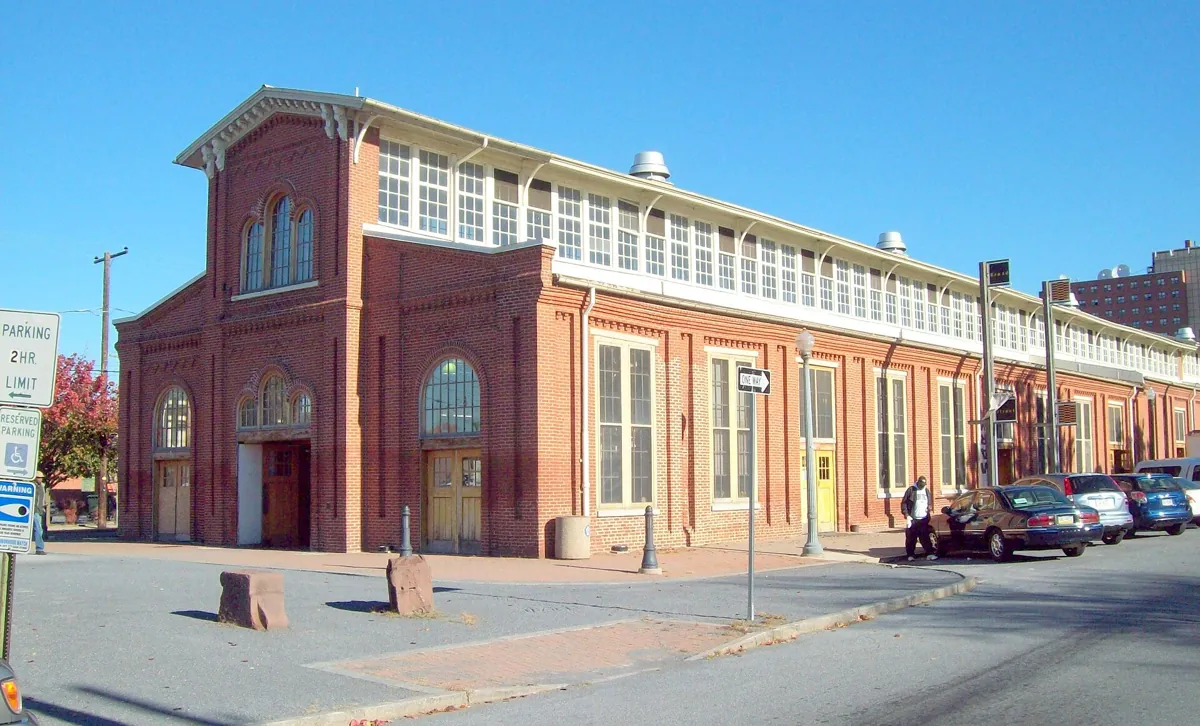
The fair lasts one day, but its setting rewards a longer look. The Smoky Hill Museum anchors a downtown Salina streetscape along Iron Avenue, and its gallery and store welcome visitors well beyond the fair’s single Saturday, so anyone whose curiosity is stirred by the special exhibition can return when the crowds have gone. Downtown Salina itself, the seat of Saline County, gives the day a frame of brick storefronts and shaded avenues, with Santa Fe Avenue doing double duty as parade route and main street. Beyond the town, the fair points outward to the Smoky Hills region it celebrates, a landscape of chalk bluffs and prairie settlements whose history the museum exists to keep in public view.
Why the Street Fair Matters
The street fair matters partly because of how it is paid for: when local residents and businesses sponsor a day so that nobody pays at the edge of the crowd, the event becomes a piece of shared civic property rather than a product. It matters, too, because of who stages it. A museum could keep regional history behind glass, and this one instead carries it into the street, putting re-enactors, blacksmiths and dancers where errands and traffic usually run. The parade down Santa Fe Avenue gives that history a procession, the chili cook-off gives it a flavour, and the open gallery gives it depth, so a resident can meet the Smoky Hills past at whatever level of attention the day allows. For a county seat town, that kind of free, recurring, history-first gathering is a way of renewing acquaintance with its own story once a year.
Frequently Asked Questions
Which organisation actually puts on the street fair in Salina?
The Smoky Hill Museum stages the fair itself. Its own site publishes both the day’s schedule and the information for entering the parade, and no other organiser is named in any of the coverage gathered.
What does a visitor pay for the chili cook-off tasting?
Attending the fair costs nothing, a position stated for both two thousand twenty-five and two thousand twenty-six, but the Boiling Pot Chili Cook-off tasting is a separate component charge of two dollars and fifty cents, according to the museum’s schedule for two thousand twenty-six. Entering the parade, by contrast, carries no fee.
Which recent edition is documented in the fullest detail?
The two thousand twenty-six edition, held on Saturday the twenty-sixth of September from ten in the morning until four in the afternoon, carries the fullest record, because the museum published its own schedule and parade pages and local news coverage agreed on the date and hours.
Is this the same gathering as the Smoky Hill River Festival?
No. The river festival is a separate Salina event held in June in Oakdale Park, while the street fair is the museum’s own late September occasion in the downtown streets around the museum building.
What to Expect From the Next Saline County Kansas Smoky Hill Museum Street Fair Festival
How often is Saline County Kansas Smoky Hill Museum Street Fair Festival held?
Museum and local news layers bill the fair as an annual event, and the dated editions in the record support that rhythm, falling on Saturdays late in September in two thousand twenty-three, two thousand twenty-five and two thousand twenty-six.
When is the next Saline County Kansas Smoky Hill Museum Street Fair Festival?
The coverage assembled here stops with the two thousand twenty-six edition, and no later date is named in it. Judging only by the established pattern, a Saturday late in September would be the expectation, but the museum’s own announcement is the word that counts.
Will the dates change?
The day of the week has stayed constant while the calendar date has moved, from the twenty-third of September in two thousand twenty-three to the twenty-seventh in two thousand twenty-five and the twenty-sixth in two thousand twenty-six. A shift of a few days either way fits the fair’s history, so the exact date is worth confirming against the museum’s pages each year.
Closing Thoughts
The Smoky Hill Museum Street Fair is, on the documented record, a small fair with an unusually clear identity: a museum’s free, sponsor-carried gift of a day to its town, built from a parade, a pot of chili, living-history demonstrators and an open gallery. Editions in three recent years are documented in satisfying detail, and the fair’s late September Saturday now looks like one of the fixtures of Salina’s autumn, best confirmed each year against the museum’s own pages before the parade steps off.