Rush County Indiana Rush County Fair Festival
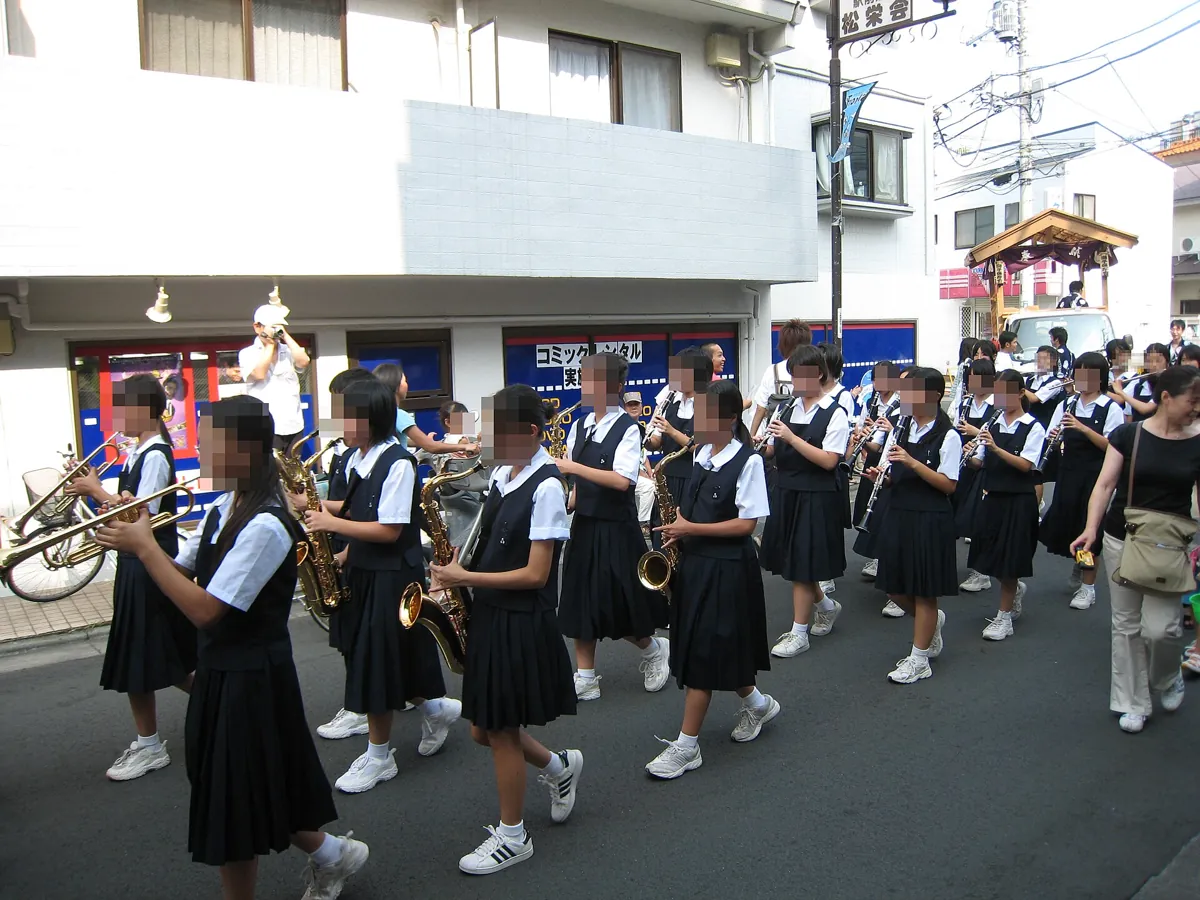
Rush County’s fairgrounds sit just outside Rushville, in a county of 16,752 people spread across 408.46 square miles of some of Indiana’s most productive farmland. For one week each summer, that quiet landscape concentrates into a midway, a row of 4-H barns, a grandstand, and a food line that never seems to shorten. This guide is written for people who plan first: when to arrive, where to park, what to budget, and how to shape a day that actually works.
Rush County Fair: The Numbers You Need Before You Go
| Town and area | Rush County, Indiana — Rushville and the surrounding townships |
| County | Rush County |
| County seat | Rushville |
| Population and land area | 16,752 residents across 408.46 square miles |
| County founded | 1822 |
| Region | East Central Indiana |
| Typical timing | One week in mid-summer, most often July |
| Admission | Typically free at the gate; rides, food, and grandstand events are paid separately |
| Setting and features | Farmland-ringed fairgrounds with 4-H barns, exhibit halls, a midway, and a grandstand |
| Organizer | A volunteer fair board of Rush County 4-H families and local businesses |
What the Rush County Fair Is, in Plain Terms
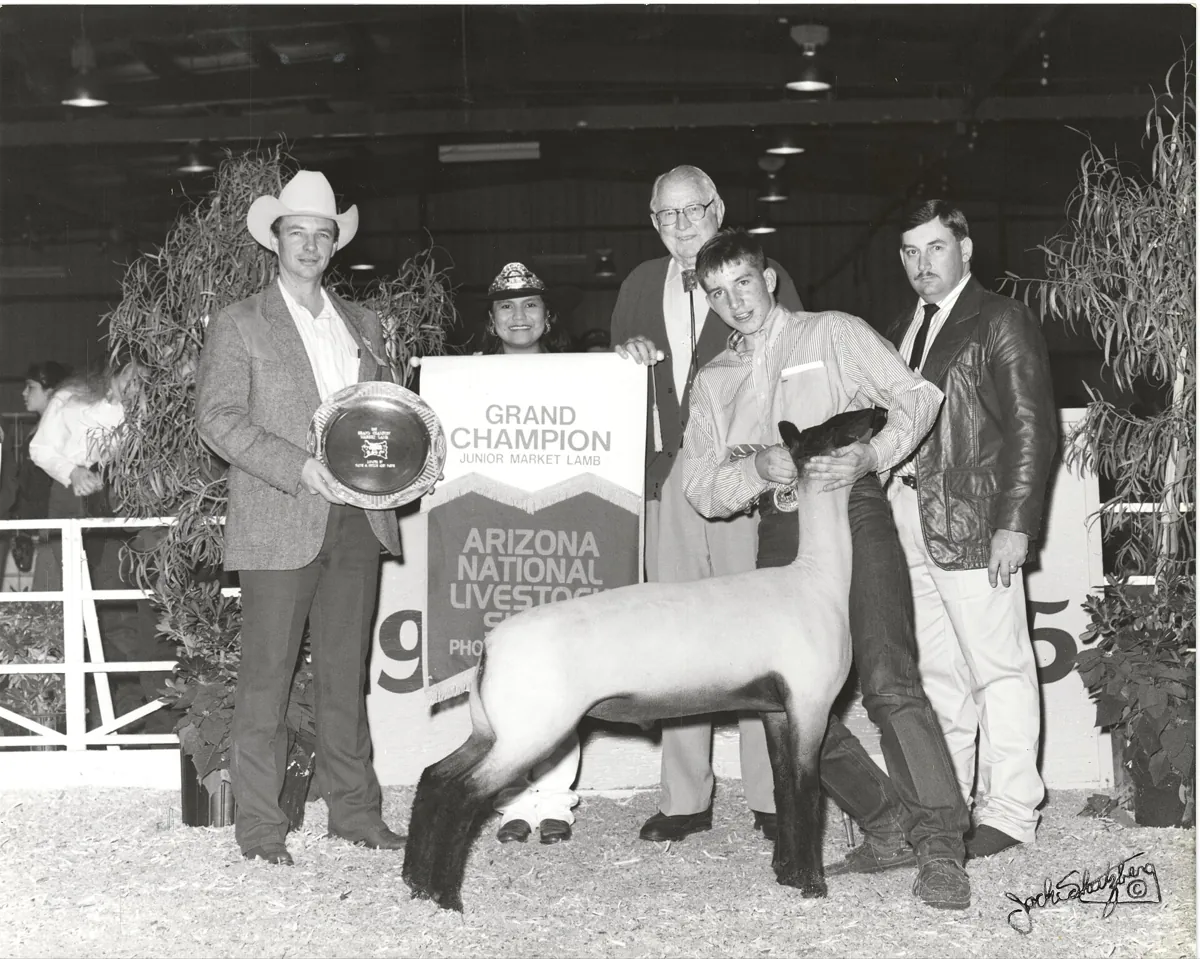
The Rush County Fair is the county’s annual agricultural gathering — a week built around 4-H livestock shows, open-class exhibits, and the kind of midway that fits comfortably on a small-town fairgrounds. Entries come from families in Rushville and from townships scattered across the county’s 408.46 square miles, and the judges’ ribbons still carry real weight with the people who earn them.
It is not a mega-festival, and it does not try to be. The draw is the density of familiar things: barns full of cattle, swine, sheep, and poultry; a commercial building lined with vendor booths; a grandstand that fills after dark; and food stands run by local churches, clubs, and concessionaires. Gate admission is typically free, with spending concentrated on rides, food, and grandstand events.
Because the county seat is Rushville and the fairgrounds sit close to it, most visitors treat fair week as a short drive rather than an overnight trip. That single fact shapes everything about how to plan — arrival times, parking, and how late you stay.
From 1822 Farm County to Modern Fair Week
Rush County was founded in 1822, and its economy was built on the flat, workable ground that still defines the landscape. County fairs arrived across Indiana through the nineteenth century as agricultural societies looked for ways to compare crops, livestock, and machinery — and to turn a season of isolated farm work into a few days of public gathering. Rush County’s fair grew out of that same impulse.
For another look at how a community turns its own traditions into a gathering, see the Ripley County Indiana Versailles Poultry Days Festival for a useful comparison.
Through the early twentieth century, 4-H clubs became the fair’s center of gravity. Livestock projects, sewing, baking, and crop exhibits gave rural kids a public stage, and the fair became as much an educational event as a social one. Grandstand entertainment followed the technology of the times, with horse and harness events gradually giving way to motorized spectacles, tractor pulls, and demolition events as the century progressed.
What has not changed is the structure: a volunteer board, a one-week window in mid-summer, and a program that still puts judged exhibits ahead of spectacle. That continuity is why the fair feels less like an attraction and more like a fixture.
Inside a Day at the Rush County Fairgrounds
Fairgrounds of this size reward a loose plan. Most visitors park once, walk the loop two or three times, and let the day fill in around whatever is showing in the barns or scheduled at the grandstand. Expect a compact footprint — exhibit halls, livestock barns, a midway, and a grandstand all within a few minutes of each other.
Fair Food: Pork Tents, Pie Slices, and Funnel Cake Queues
Fair food here follows the Indiana template: pork burgers and tenderloins, corn dogs, hand-cut fries, lemon shake-ups, and a pie or cake slice from a church or 4-H booth that often outsells anything fried. Lines run longest in the hour after the grandstand lets out and around mid-evening. Eating early — before the dinner rush — is the single easiest way to cut waiting time.
Grandstand Nights and the Stages in Between
The grandstand is where fair week gets loudest. Expect a schedule of evening events spread across the week — pulls, derbies, races, or a concert night — with the biggest crowds on weekend evenings. Smaller entertainment tends to appear on the grounds themselves: local bands, talent showcases, and kids’ contests on a modest stage. Because lineups change from year to year, check the fair’s schedule before you commit to a specific night.
Family Activities: Barns, Rides, and Contests
For families, the livestock barns are the sleeper hit. Most exhibitors are happy to talk about their animals, and the barns are shaded, free, and genuinely interesting to a kid who has never stood next to a full-grown steer. The midway covers the ride side with a mix of kiddie rides and larger pieces. Contests, coloring tables, and hands-on activities usually fill the afternoons.
Logistics: Getting In, Staying Over, and Staying Dry
Rush County is a drive-in county. There is no transit system to lean on, and the fairgrounds are best reached by car. Plan around that and the rest of the visit gets simple.
Getting to Rushville and the Fairgrounds
Rushville sits near the center of the county, and the fairgrounds are close enough to town that a short drive covers it. Most visitors arrive via the state highways that cross Rush County, then follow local roads and posted fair signage for the final stretch. Coming from Indianapolis, from the north, or from the Ohio line, allow extra time on weekend evenings when farm traffic and fair traffic share the same two-lane roads.
Where to Stay in and Around Rush County
Overnight options in the immediate area are limited, and many fairgoers simply drive home. If you want to stay over, look at small motels and inns in and near Rushville, or widen the search to larger nearby towns along the regional highway corridors. Campers and RV owners often find a spot at a nearby state park or private campground makes a better base than a hotel room, especially for multi-day visits.
Parking Without the Parking-Lot Meltdown
Fairground parking is usually a mix of paved and grass lots with volunteers directing traffic, and it is typically free or by donation. The rule of thumb: arrive before the evening grandstand program begins if you want to avoid the longest walk, and park facing the exit if you plan to leave early. Grass lots get soft after rain, so front-wheel drive and a little patience help.
Admission, Rides, and What a Fair Day Costs
Gate admission at county fairs in this part of Indiana is typically free, and the Rush County Fair follows that pattern — which means your budget goes to rides, food, and grandstand events. Ride pricing is usually per ride or by wristband, with wristband deals most common on slower afternoons. Set a cash budget before you walk in, since card acceptance at individual booths varies.
Weather: Reading an Indiana Summer Week
Mid-summer in Rush County means heat, humidity, and a real chance of an afternoon thunderstorm. Plan barn and exhibit-hall time for the hottest hours, save the midway for after the sun drops, and keep a poncho or light rain jacket in the bag. Outdoor programs often pause for lightning and resume once the storm passes.
A Sample Fair Weekend in Rush County
Friday afternoon and evening: arrive before the dinner rush, park once, and walk the exhibit halls while they are still quiet. Eat early, then settle in at the grandstand for the evening’s main event. Leave as the midway peaks, or stay for one last ride line.
Saturday: this is the day for livestock shows. The barns are busiest early, and the judging is the most interesting thing on the grounds. Spend the afternoon on the midway with kids, then come back for the evening program.
Sunday: the pace softens. Come for the exhibit buildings, the food stands, and a last look at the animals before projects go home. It is the easiest day to bring grandparents or anyone who prefers shade and seating to crowds.
If you only have one evening, choose a weekday. Smaller crowds, shorter food lines, and the same barns and exhibits.
How Rush County’s Fair Compares to Nearby Fairs
County fairs cluster tightly in this part of Indiana, and each has a distinct personality. Fayette County’s fair, up in Connersville, runs on a similar agricultural model and draws from a comparable rural base. Henry County’s fair, near New Castle, sits in a larger county with more commercial infrastructure, which usually shows up in a bigger midway and a busier vendor row.
Shelby County’s fair, to the west, has a reputation for size and a long-standing schedule that pulls visitors from a wider radius. Rush County’s advantage is pace. It is smaller, easier to walk, and easier to park at — a fair you can genuinely cover in an afternoon without feeling like you missed half of it. If you are building a summer circuit, Rush County works well as the relaxed stop between bigger fairs.
Fair-Week Checklist for Rush County Visitors
| Cash and small bills | Ride tickets, food booths, and donation parking are easier with cash. |
| Sunscreen and a hat | Mid-summer afternoons on an open fairgrounds are unforgiving. |
| Rain jacket or poncho | Afternoon storms move through quickly but decisively. |
| Refillable water bottle | Beats paying per bottle in July heat. |
| Closed-toe shoes | Barn aisles and grass lots are not sandal terrain. |
| Saved schedule | Grandstand start times drive everything else in your evening. |
| Meet-up plan for kids | Midways swallow sightlines; agree on a spot and a time. |
| Folding chair or blanket | Useful for grandstand overflow and grassy seating. |
Beyond the Fairgrounds: The Rest of Rush County
Rush County is 408.46 square miles of flat, orderly farmland, and the fair is only one way to see it. The courthouse square in Rushville anchors the county seat, with the kind of historic downtown blocks that reward a slow walk, a coffee, and a look at the storefronts.
Drive the county roads and you get the real picture: corn and soybean fields, old barns, small cemeteries on low rises, and township crossroads with a church and not much else. It is quiet, and that is the point. Pair a fair visit with an hour of backroad driving and the fair itself makes more sense.
For supplies, dining variety, and bigger grocery runs, Connersville to the east and New Castle to the north are both reasonable drives. Rushville covers the basics.
Why Fair Week Still Sets Rush County’s Calendar
In a county of 16,752 people, a fair is not just an event — it is the one week when the whole county is in the same place. Farmers, teachers, factory workers, and families with no agricultural connection at all end up on the same midway.
The fair also functions as an economic and civic engine for the week. Concessionaires, vendors, churches, and youth groups depend on it, and 4-H families plan their entire summer around project deadlines. Prize money and ribbons matter, but so does the visible proof that the county’s young people can raise, build, bake, and present something worth judging.
That is the part that survives every change in entertainment fashion — a county looking at itself once a year and liking what it sees.
Where the Rush County Fairgrounds Sit
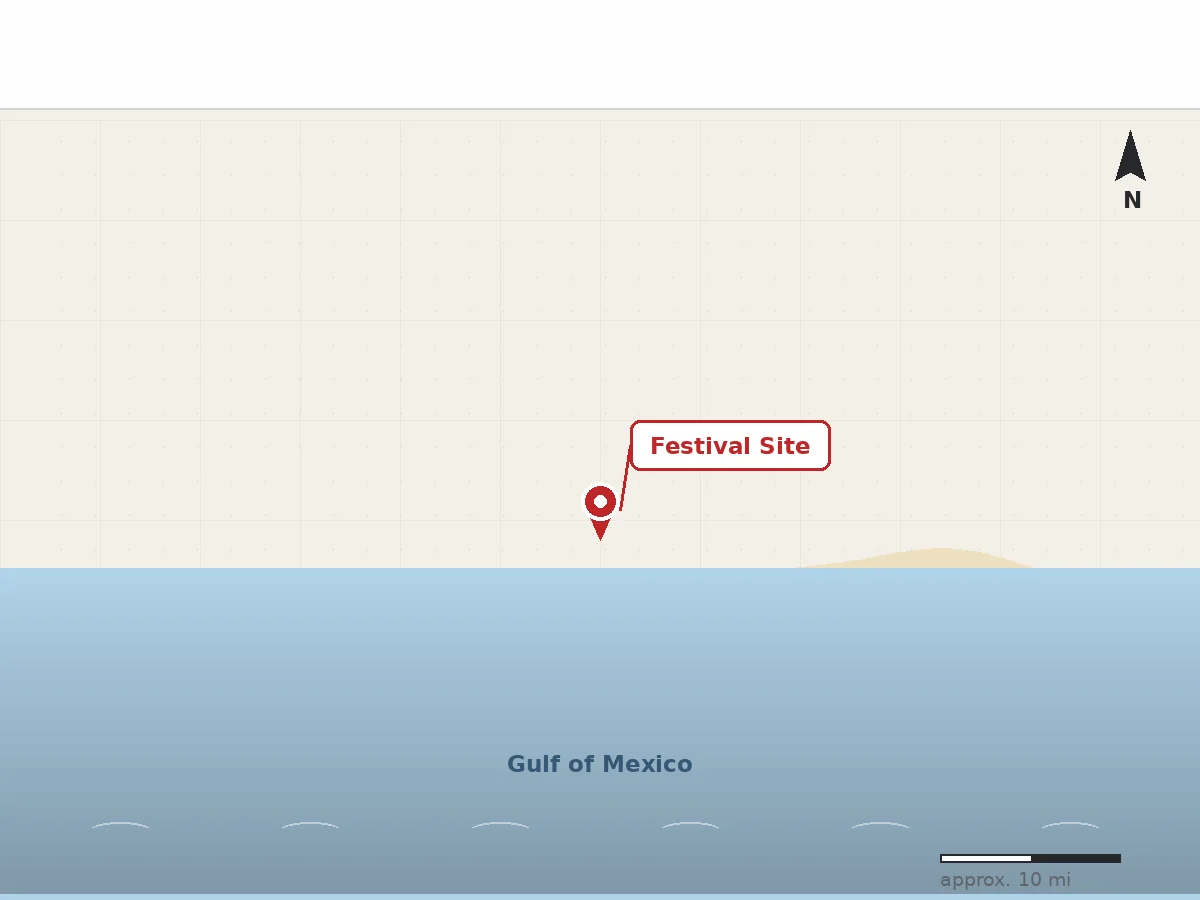
The fairgrounds are located on the edge of Rushville in Rush County, Indiana, an easy drive from the courthouse square and the surrounding township roads.
Rush County Fair: Four Things First-Timers Ask
Is the Rush County Fair free to get into?
Gate admission is typically free, which is standard for county fairs in this region. Your spending instead goes toward carnival rides, food and drink, games, and any grandstand event that requires a ticket. Bring cash for booths that do not take cards, and set a rough budget before you walk through the gate.
How long does the fair run, and which day is best?
The fair occupies roughly one week in mid-summer, most often in July, with livestock shows, exhibits, and grandstand programs spread across the run. Weekday evenings are the calmest; weekend nights are the busiest and the slowest for food lines. If you want the full experience with fewer crowds, aim for a weekday afternoon and stay through the evening.
Can I bring kids, strollers, and my own food?
Yes to kids and strollers — the grounds are compact and mostly walkable, though grass lots and gravel paths can be bumpy. Cooler and outside-food policies vary by year, so check ahead or simply plan to eat on the grounds. A refillable water bottle is always a good idea in July heat.
Is one day enough to see everything?
For most visitors, yes. This is a walkable, single-location fair, and an afternoon plus an evening covers the barns, exhibit halls, midway, and a grandstand program comfortably. If you are following a specific 4-H exhibitor or want to catch several grandstand nights, plan on two days.
What’s Next for the Rush County Fair
County fairs everywhere are balancing tradition against the cost of staging a week-long event — insurance, entertainment, utilities, and volunteer hours. Rush County’s fair is no exception, and its future depends on the same things it always has: a strong 4-H program, a willing volunteer board, and a community that shows up.
Expect the format to stay familiar. Livestock shows, open-class exhibits, a midway, and a grandstand will remain the spine of the week, with entertainment refreshed as tastes change and facility improvements made as funding allows. In a county founded in 1822, a summer fair is one of the few institutions that has outlasted nearly everything else.
For visitors, that means the planning advice here should hold for years: arrive early, park once, eat before the rush, and keep an eye on the sky.
Last updated: October 2026
The Rush County Fair is not trying to be the biggest week in Indiana. It is trying to be a good one — a fair where parking is manageable, the barns are open, the food is familiar, and the grandstand still fills after dark. Plan it like a local, and it will feel like one of the better summer decisions you made.




One Comment