Richland County North Dakota Fair Festival
In Richland County, the fair season does not arrive with a midway, a grandstand, or a week of evening shows. It arrives quietly, in the form of a 4-H year coming to judgment. The Richland County 4-H Achievement Days are the county’s documented fair-form: a July gathering where members present the projects they have worked on all year, first as static exhibits judged in a community hall, then as a livestock show staged among the historic buildings of an old bonanza farm. There is no fair association behind it, no fair board, no fair book, and no published gate price — only a real and current event, documented in the county’s own Extension record, with a distinctive split shape: two days, two towns, and a public invited in to look at the work.
That split shape is the first thing a visitor needs to understand. In the 2026 form, the static exhibits were judged at the Hankinson Community Center on a Friday, with an evening window for the public to view them, and the livestock show followed on Saturday at the Bagg Bonanza Farm at Mooreton. Wahpeton, the county seat, hosts neither venue: it is where the Extension office sits and the town named in older schedule lines, but the modern record places the event in Hankinson and Mooreton.
About the Achievement Days
The event’s published name is the Richland County 4-H Achievement Days, with the shorter form Richland County Achievement Days used in the Extension’s training layers and the plain word Achievement Days in the county newsletter. It is an achievement-days event in the state programme’s sense: members showcase what they have learned through their projects, with static and animal exhibits judged in public. NDSU Extension in Richland County publishes the event, takes its entries through FairEntry, and runs its trainings. The people named in the Extension layers are staff, not fair officers: Dee Dee Rezac is the contact for the static-judging event and for Achievement Days questions, and Lacy Christopher is named Extension Agent in the May 2026 newsletter, handling State Fair paperwork and serving as contact for the livestock quality training. No fair board, fair association, or fair manager for this county appears in any layer, and none is invented here.
Project enrolment closes on June 1, and FairEntry registration for both static and livestock exhibits runs from June 15 to June 25 in the 2026 layer. Animal exhibitors must hold current Livestock Quality Assurance or Youth for the Quality Care of Animals certification before they show, either through the in-person training or the online course. In 2026 the newsletter added something new: a 4-H Achievement Days T-Shirt Design Contest, inviting members themselves to design the event shirt.
Quick Facts
| Detail | What the record shows |
| Event name | Richland County 4-H Achievement Days |
| Run by | NDSU Extension in Richland County |
| Season | July |
| 2026 form | Two days, two venues |
| Static exhibits | Hankinson Community Center, Hankinson |
| Livestock show | Bagg Bonanza Farm, Mooreton |
| County seat | Wahpeton, which hosts neither 2026 venue |
| Admission | No price published in any year |
How the Event Reached Its Present Shape
No founding year, first Achievement Days, edition number, or anniversary billing for this event is published anywhere, and this article creates none. The dated anchors stand in their own layers; no continuous run is built from them. The farm-press schedules list the county in July 2021 and again in July 2022, both times under the seat’s name, Wahpeton — shorthand from a schedule covering county fairs and Achievement Days together, which never explains the placement. A local paper covered the 2025 Achievement Days under a headline celebrating members’ creativity and dedication, but that report’s body was not retrieved, so no 2025 programme detail is asserted from it. The 2026 form is the first documented day by day and town by town: static exhibits at Hankinson on Friday, July 10, and the livestock show at the Bagg Bonanza Farm on Saturday, July 11.
For a useful comparison, see the Renville County North Dakota Fair Festival for another county festival.
An older local-press report, datelined Mooreton and undated in the fetched text, shows an earlier shape: the annual Achievement Days held across a Friday and Saturday at the Bagg Bonanza Farm itself, with members showing a miniature donkey as a pet project, a cockatiel, and a floral bouquet one member had been making since age three. That single-venue form stands apart from the 2026 split form and is never merged with it. The county’s naming and organisation in 1873 is county history, and the farm’s 1880s bonanza-farm origins are farm history; neither is the event’s history.
What to Expect
The Static Day at Hankinson
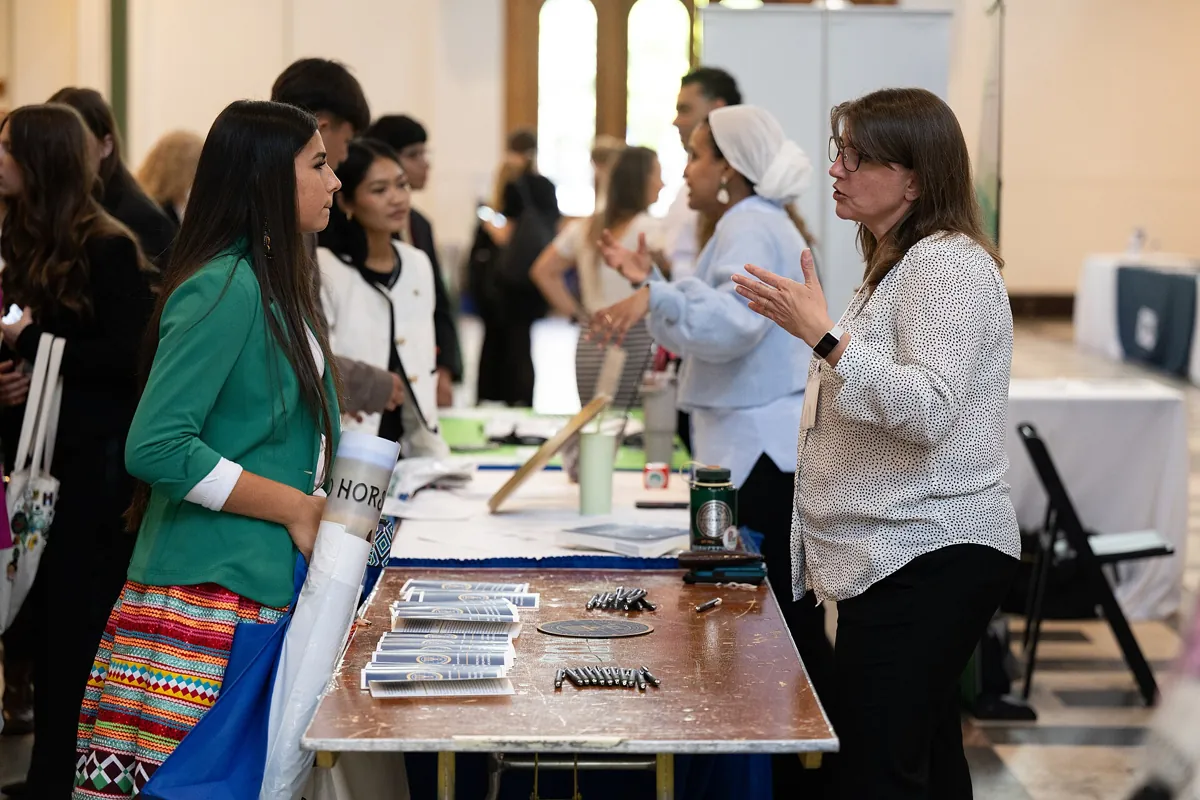
The static exhibits are the centre of the event. Members enter project exhibits through FairEntry, and on the Friday the exhibits are judged at the Hankinson Community Center, from half past twelve to half past four in the afternoon in the 2026 layer. The public viewing follows the same evening, from half past five to half past six. That viewing window is a programme fact, not a price. Hankinson is a Richland County city, not the county seat, and its community centre is a venue in the 2026 layer, never an organiser.
The Livestock Show at the Bagg Bonanza Farm
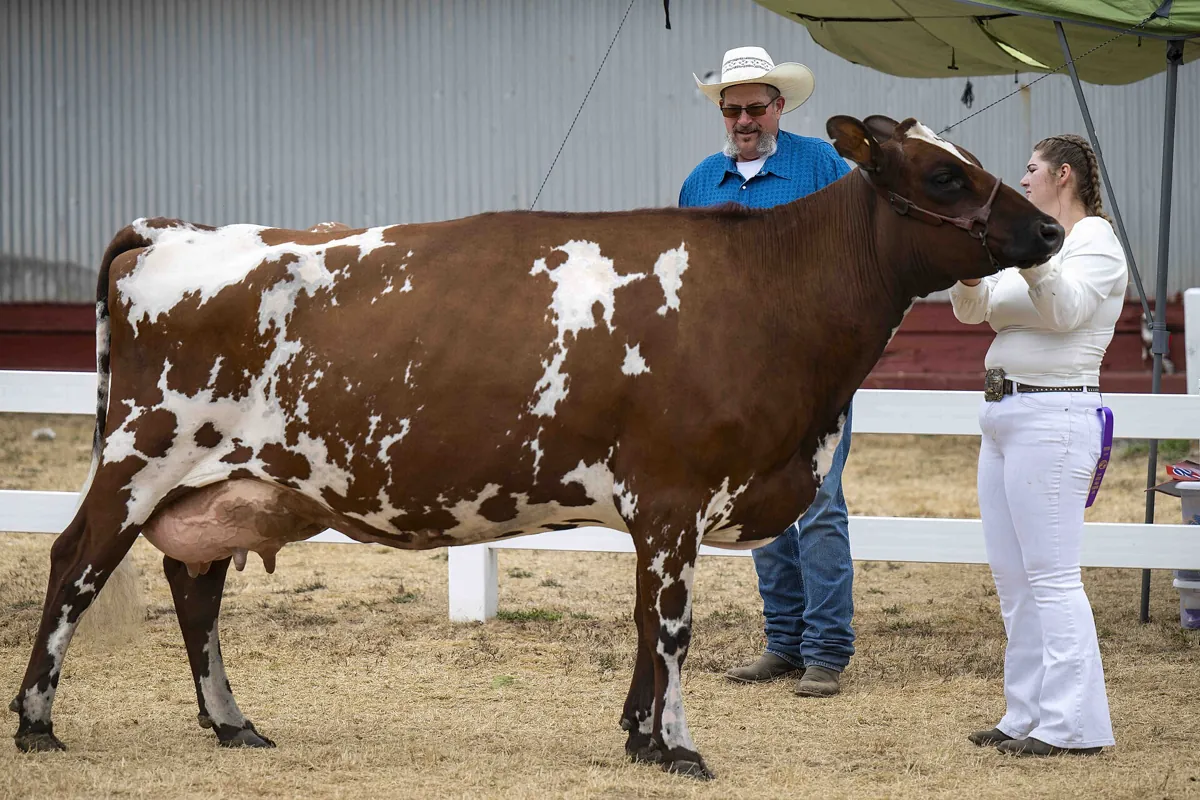
On the Saturday, the event moves to the Bagg Bonanza Farm at Mooreton for the livestock show. The farm is a historic bonanza farm of rural Mooreton, described in the place layers as a fifteen-acre historic farm with farm buildings and machinery, and in the National Park Service register layer as the most extensive collection of bonanza farm buildings in the state. That description belongs to the venue; the farm’s bonanza-era past is never presented as the event’s history. Animal exhibitors must arrive certified under current Livestock Quality Assurance or Youth for the Quality Care of Animals rules. No street address for the farm is published in the fair-side layers, so none is printed here.
The Exhibitor Year Around the Two Days
The two July days sit inside a longer exhibitor year. Project enrolment closes June 1, FairEntry registration for both static and livestock exhibits runs June 15 to 25 in the 2026 layer, and the livestock quality training takes place in June. The 2026 T-Shirt Design Contest, recorded as new in that year’s newsletter, invited members to design that year’s shirt themselves. The October awards programme belongs to the wider 4-H year rather than to Achievement Days.
What You Will Not Find
Visitors expecting a general county fair should reset their expectations before they arrive. No carnival, midway, concert, rodeo, demolition derby, open-class division, premium sale, fair book, or gate programme for this county is documented in any layer. Equally, no admission price, pass, or parking price is published for any year, and the event is never described as free: the public viewing window is an invitation to look at judged exhibits, not a statement about cost.
Planning Your Visit
Two Towns, Two Days
Plan for movement. The 2026 form puts Friday in Hankinson and Saturday at Mooreton, so a visitor who wants both days should expect to travel between the two towns. Wahpeton, the county seat, is where the Extension office sits, but it hosts neither documented venue, and the older schedule lines naming Wahpeton should not be used to plan a modern visit. No street address for either venue is published in the fair-side layers, so check the current Extension listing before setting out.
Admission and Costs
No admission price of any kind is published for this event in any year, and this article prints none. Do not arrive expecting a posted gate figure, and do not assume anything about cost from the public viewing window, which is a programme detail, not a price. No parking figure appears in any layer either. The only money in the event’s own layers is exhibitor-side: the premium checks members receive at the October awards programme, in unstated amounts — never a visitor price.
Where to Stay
The event publishes no camping terms in the sources found, and no camping service is described here. Overnight visitors should arrange a stay in town on their own terms. Wahpeton’s city park campgrounds are city facilities in their own layers, never joined to this event by any fair-side source, and they are not presented here as event camping.
Timing Your Visit
July is the season in every documented layer, and the 2026 form ran across a Friday and a Saturday. Do not treat those 2026 days as timeless dates: the 2021 and 2022 schedule lines give different July spans under the seat’s name, the 2025 event is known only through a headline layer, and the older Bagg Farm report shows a different venue arrangement again. Plan around the month and the two-day shape, confirmed against the current year’s Extension listing.
A Sample Two-Day Visit
Follow the 2026 shape, and the visit writes itself. Arrive in Hankinson on Friday afternoon in time for the early-evening public viewing, when the judged static exhibits are on display at the community centre. Spend Saturday at the Bagg Bonanza Farm at Mooreton for the livestock show, where certified exhibitors present their animals among the farm’s historic buildings. Between the two days, Wahpeton makes a natural stopping point on the road, though it hosts neither day’s events. Keep the plan loose: with no published gate and no evening headline bill, the visit is shaped by the judging and the showing, not by a schedule of attractions.
How This Event Compares
Set beside a full county fair, the difference is one of kind, not of size alone. A general county fair gathers open classes, a carnival, grandstand nights, and a premium sale under one association; this event gathers a single youth programme’s judged work across two venues under its Extension office. The comparison that matters more is with the event’s own past: the older single-venue form, when both days sat at the Bagg Bonanza Farm, against the current split form, which gives the static exhibits their own day and hall in Hankinson. The split form is more public in one respect — the static exhibits gain a dedicated evening viewing — and more dispersed in another, asking visitors to travel between towns.
Visitor Checklist
- Confirm the current year’s dates and venues against the Extension listing first
- Plan for two towns: Hankinson, then Mooreton
- Arrive in Hankinson in time for the early-evening public viewing
- Expect judged project work, not a midway, concerts, or grandstand nights
- Do not look for a posted gate price: none is published
- Do not treat the viewing window as a statement about cost
- Arrange overnight stays independently: no camping terms are published
- Do not use the older Wahpeton schedule lines to choose where to go
- Allow time between the two days for travel
Beyond the Festival Grounds
There are no festival grounds to linger on after the judging ends, because this event has no single ground of its own. The two host towns carry the visit: Hankinson, with its community centre at the heart of the static day, and Mooreton, where the livestock show sits among the Bagg farm’s historic buildings. Wahpeton, the county seat, is worth a stop on the road between them, as the county’s main town and the Extension office’s home. Beyond the towns, the county itself is the setting: flat farmland, worked fields, and small towns spaced along the roads between them.
Why This Event Matters
The significance of the Achievement Days is not measured in attendance figures or headline acts, because none is published. It is measured in what the judging represents: a county’s young people presenting a year’s work — animals raised and trained, projects built and finished, exhibits prepared for public judgment. In a county with no fair association, the public university’s youth programme is the institution that keeps a fair-form alive, taking entries, running trainings, and publishing the event year after year. The split-venue form tells its own story about how a small programme adapts: rather than pretending to a midway it does not have, it puts its exhibits in a community hall and its animals on a historic farm, and invites the public to both. For families with members exhibiting, the event is the point of the 4-H year. For other visitors, it is a window onto how a farming county still marks the summer: with judged work, not a carnival.
Frequently Asked Questions
Is this a county fair with rides and a midway?
No. The documented fair-form for this county is the 4-H Achievement Days only. No carnival, midway, concert, rodeo, or demolition derby is documented for it in any layer.
Where is the event actually held?
In its 2026 form, in two places: the static exhibits at the Hankinson Community Center in Hankinson, and the livestock show at the Bagg Bonanza Farm at Mooreton. Wahpeton is the county seat and the home of the Extension office, but it hosts neither documented venue.
How much does it cost to attend?
No admission price, pass, or parking price is published for this event in any year, so no figure is given here. The public viewing window is a programme detail, not a price.
When did the event begin?
No founding year, first Achievement Days, edition number, or anniversary billing is published for this event, and none is claimed here. The dated anchors are the 2021 and 2022 schedule listings, the 2025 coverage known only through its headline, and the day-by-day 2026 record.
What to Expect From the Next Richland County North Dakota Fair Festival
How often is Richland County North Dakota Fair Festival held?
The event is an annual July occasion in every documented layer, with the 2026 form running across a Friday and a Saturday. The yearly rhythm is the achievement-days year itself: enrolment in spring, entries in June, judging in July, and the awards programme in October.
When is the next Richland County North Dakota Fair Festival?
The next event falls in July, in the two-day, two-venue shape the 2026 record documents: static exhibits judged and viewed at Hankinson, and the livestock show at the Bagg Bonanza Farm at Mooreton. Confirm exact days against the current year’s Extension listing, since the documented dates move between years.
Will the dates change?
Yes, they may. The documented July spans differ from year to year, the 2026 days are fenced to 2026, and the venue arrangement itself has changed before, from a single-venue form at the Bagg farm to the current split form. Treat the month and the shape as the pattern, and check the exact days each year.
Richland County’s fair season is, in the end, a modest and honest thing: two July days, two towns, and a room full of judged work. It does not pretend to be a midway fair, and it does not need to. For the members who exhibit, it is the public moment their year builds toward. For a visitor, it is a chance to see a farming county judge its young people’s work in the open.