Randolph County Illinois Randolph County Fair Festival
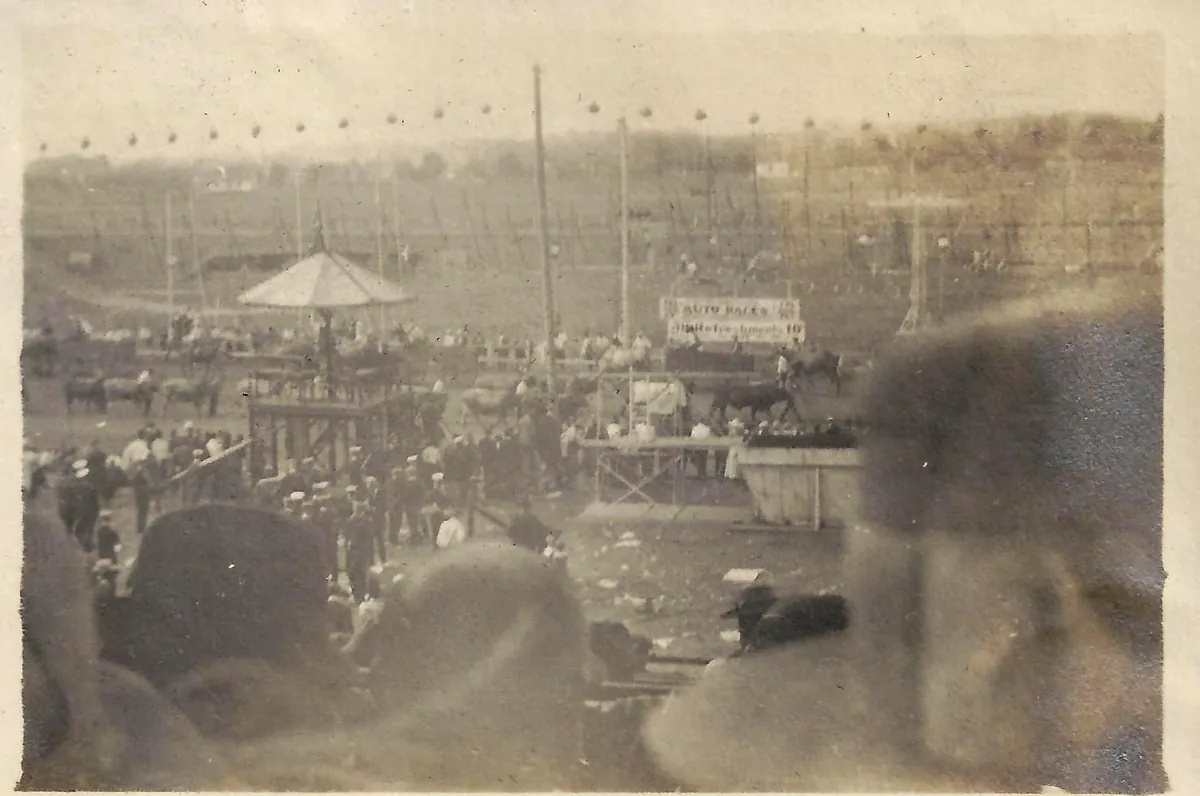
Some festivals sell themselves on a lineup. The Randolph County Fair sells itself on rhythm: the calendar, the parking, the walk between the barns and the food row, the moment in the evening when the lights come on. Randolph County, Illinois covers 597 square miles, was founded in 1795, and counts Chester as its seat, and the fair is one of the fixtures that pulls its small towns into the same field each summer. This guide is written for the visitor who wants the logistics handled before the fun starts.
Randolph County Fair Essentials: County, Seat, Season, and Costs
Fix these basics first, then plan the rest of your trip around them.
| Town / area | The Randolph County area, Illinois |
| County | Randolph County, Illinois |
| County seat | Chester |
| Land area and founding | 597 square miles; county founded in 1795 |
| Population | Small-town and rural in character; no large city sits inside the county |
| Region | Southern Illinois |
| Typical timing | A summer weekend in most years |
| Admission | Generally free at the gate; vendors and individual activities charge separately |
| Setting and features | Fairgrounds with livestock barns, exhibit halls, food stands, and open-air entertainment |
| Organizer | Volunteer, community-based fair organizers |
What the Randolph County Fair Is and Who It Suits
At its core, this is a county fair in the classic southern Illinois sense: an agricultural and community gathering rather than a commercial music festival. Expect livestock barns, exhibit halls, youth projects, food stands, and a schedule that leans heavily on local participation. The scale is human. You will likely pass the same families more than once, and the person handing you a sandwich may well be the person who judged the pies an hour earlier.
That shape suits particular kinds of visitors. Families with younger children do well because the grounds are walkable and the pace is unhurried. Older visitors do well because seating and shade tend to sit close to the main activity areas. Travelers passing through the Randolph County area on a summer weekend get an honest look at how the county spends its evenings. What the fair is not is a tightly ticketed production built around headline acts — the appeal is texture, not spectacle.
Randolph County’s Fair Tradition in a County Older Than Illinois
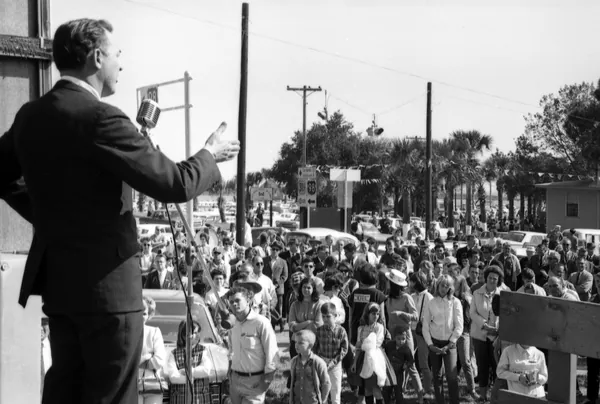
Randolph County was founded in 1795, more than two decades before Illinois became a state, with Chester serving as the county seat. That depth of local history matters to the fair in a practical way. Agricultural fairs in this part of the country grew out of exactly the kind of rural county economy Randolph County has sustained for generations, and the fair is one of the few annual events that still reflects it directly.
For another look at how a community turns its own traditions into a gathering, see the Randolph County Illinois Popeye Festival for a useful comparison.
The event itself has evolved the way most county fairs have. What began as a livestock and produce showcase gradually absorbed exhibition halls, youth competitions, entertainment, and food concessions. The throughline is continuity: the same broad categories of exhibits, judged in the same spirit, on the same grounds, year after year.
For a visitor, the history is less about specific dates and more about expectations. Walking into a fair that generations of local families have built their summers around changes how you read the place. The barns are not a side attraction. They are the reason the rest of it exists.
A Day at the Randolph County Fair, From Gate to Last Light
A fair day here has a rhythm worth understanding before you plan your hours. Mornings are quiet and animal-focused, afternoons fill with families and exhibits, and evenings belong to food lines, entertainment, and the crowd that arrives after work.
Fair Food and the Vendor Row
Food is the anchor of the experience, and the vocabulary is familiar: grilled and fried mains, hand-held desserts, cold drinks, and lemonade by the gallon. Civic groups, churches, and local organizations often run stands alongside commercial vendors, which is where the best value usually sits. Prices are set stand by stand, so carry cash and small bills. Vegetarian options exist but are limited; if you have strict dietary needs, eat before you arrive.
Music and Evening Entertainment on the Grounds
Entertainment tends to be local and regional rather than national: cover bands, country and classic rock, youth performances, and announcements carried across the grounds on a central PA. Evening is the loudest and busiest stretch of the day. If you want a seat near the action, claim it before the set begins. If you want a quiet exit, the start of the music is your cue to head for the car.
Family Activities That Keep Younger Kids Busy
Family programming clusters around the exhibit halls and the open lawn areas, with games, animals to look at, and demonstrations that reward curiosity more than speed. The grounds are broadly stroller-friendly, though gravel and packed grass can be rough on small wheels. Shade is uneven, so bring sunscreen and a refillable water bottle, and plan a mid-afternoon break rather than pushing straight through.
Randolph County Fair Logistics: Roads, Rooms, Parking, and Costs
This is where a little preparation pays off more than anywhere else. None of it is complicated, but all of it is easier to solve before you are in traffic.
Getting There From Chester and Elsewhere in Randolph County
Chester, as the county seat, is the natural reference point for directions and last-minute supplies. Follow local signage once you are inside the county rather than trusting a pin dropped at the edge of a field. Almost everyone arrives by car, and there is no meaningful public transit option. Expect two-lane roads, farm equipment, and slow-moving traffic close to the grounds during peak hours.
Where to Stay Around Chester and the Rest of the County
Lodging inside Randolph County is limited and skews toward small independent motels, cabins, and a modest number of short-term rentals, with the most inventory near Chester. Fair weekends tighten availability, so book early or commit to a day trip. Plenty of visitors drive in from larger cities and sleep at home. If you do book, confirm the property is genuinely inside the county before you reserve.
Parking Without Losing an Hour
Parking is the single biggest source of fair-day frustration. Arrive before the mid-afternoon surge and you will usually walk straight in; arrive at peak and you will queue. Expect field parking with volunteers directing traffic, and follow their signals rather than your own instincts. Note a landmark near your car — rows of vehicles in a grass field all look identical after dark — and agree on a meeting point with your group.
Admission, Tickets, and What Costs Extra
General admission is typically free, which is worth knowing before you budget for the day. Money changes hands at the vendor level instead: food, drinks, games, raffles, and merchandise. Card acceptance varies by stand, so carry cash. A sensible approach is to set a per-person spending ceiling in advance and treat everything above admission as optional.
Southern Illinois Summer Weather and How to Dress
Summer in this part of Illinois means heat, humidity, and thunderstorms that build quickly in the afternoon. Dress in light layers, bring rain gear you can fold into a bag, and treat mornings and evenings as the comfortable windows. If a storm rolls in, the barns and halls become the shelter of choice — which is also a good excuse to slow down and actually look at the exhibits.
A Sample Randolph County Fair Weekend, Hour by Hour
Day one, late afternoon. Arrive two hours before the evening rush, park while the field is still half empty, and walk the grounds once without buying anything. That first lap tells you where the food you actually want is, which barns are worth a second visit, and where the seating is.
The main day, morning through evening. Get there early for the livestock and exhibit halls, when the crowds are thin and the animals are still active. Break for lunch before the lines form, spend the hottest hours in the shade or indoors, then return to the grounds for dinner and entertainment. Leave before the final song if you want a clean exit from the parking field.
The last morning. Come back for the quieter hours, the leftover food stands, and the exhibits you missed. This is also the best window for photographs, since the light is softer and the grounds are less crowded.
Randolph County Fair vs. Nearby Towns and Other County Weekends
Chester, Sparta, and Prairie du Rocher are the Randolph County names most visitors end up weighing against the fair itself, and each offers a different kind of day. Chester, as the county seat, is the practical base: fuel, food, and the closest thing to a downtown stroll. Sparta gives you a second look at how the county’s towns organize their own calendars. Prairie du Rocher sits in the county’s historic corridor and rewards anyone willing to add an hour of driving.
Compared with a large regional festival, the Randolph County Fair trades scale for access. Lines are shorter, parking is cheaper or free, and you can see the whole thing in an afternoon without feeling like you missed half of it. If you have a full weekend, pair the fair with a slow drive through the county rather than choosing between them.
Randolph County Fair Packing and Prep Checklist
Run through this the night before and the day gets noticeably easier.
| Cash and small bills | Not every stand takes cards, and lines move faster with exact change |
| Refillable water bottle | Summer heat in southern Illinois is the real variable |
| Folding rain jacket | Afternoon storms build fast and without much warning |
| Sunscreen and a hat | Shade on the grounds is uneven |
| Closed-toe shoes | Gravel, grass, and livestock areas punish sandals |
| Charged phone plus a battery pack | You will use it for photos, meeting points, and maps |
| Parking landmark noted | Saves twenty minutes of wandering after dark |
| Agreed meeting point | Essential if your group splits between barns and food row |
Beyond the Fairgrounds: Chester and the Rest of Randolph County
Randolph County spreads across 597 square miles, and the fair is a good excuse to see more of it than the parking field. Chester, the county seat, is the obvious anchor for food, fuel, and a walk between events. From there, the county opens into farmland, small towns, and river country along its western edge, where the pace drops another notch.
The historic communities in the county’s older corridors are worth an extra hour if you have it, particularly for anyone interested in how far back settlement here goes — this is a county founded in 1795, and the landscape still carries that weight. Build the fair into a broader loop rather than treating it as a single destination, and the drive stops feeling like a chore.
What the Fair Carries for Randolph County
In a county this size, with no large city to concentrate attention, the fair does work that is easy to underestimate. It is where youth projects get judged in public, where volunteer organizations raise money, where neighbors who live twenty minutes apart actually see each other, and where the agricultural base of the county is put on display rather than taken for granted.
For visitors from outside the area, that is precisely the value. You are not watching a performance of rural life; you are standing in the middle of it, in a county that has been holding this kind of gathering since long before anyone thought to call it a tourism draw.
Where the Randolph County Fair Sits in Randolph County
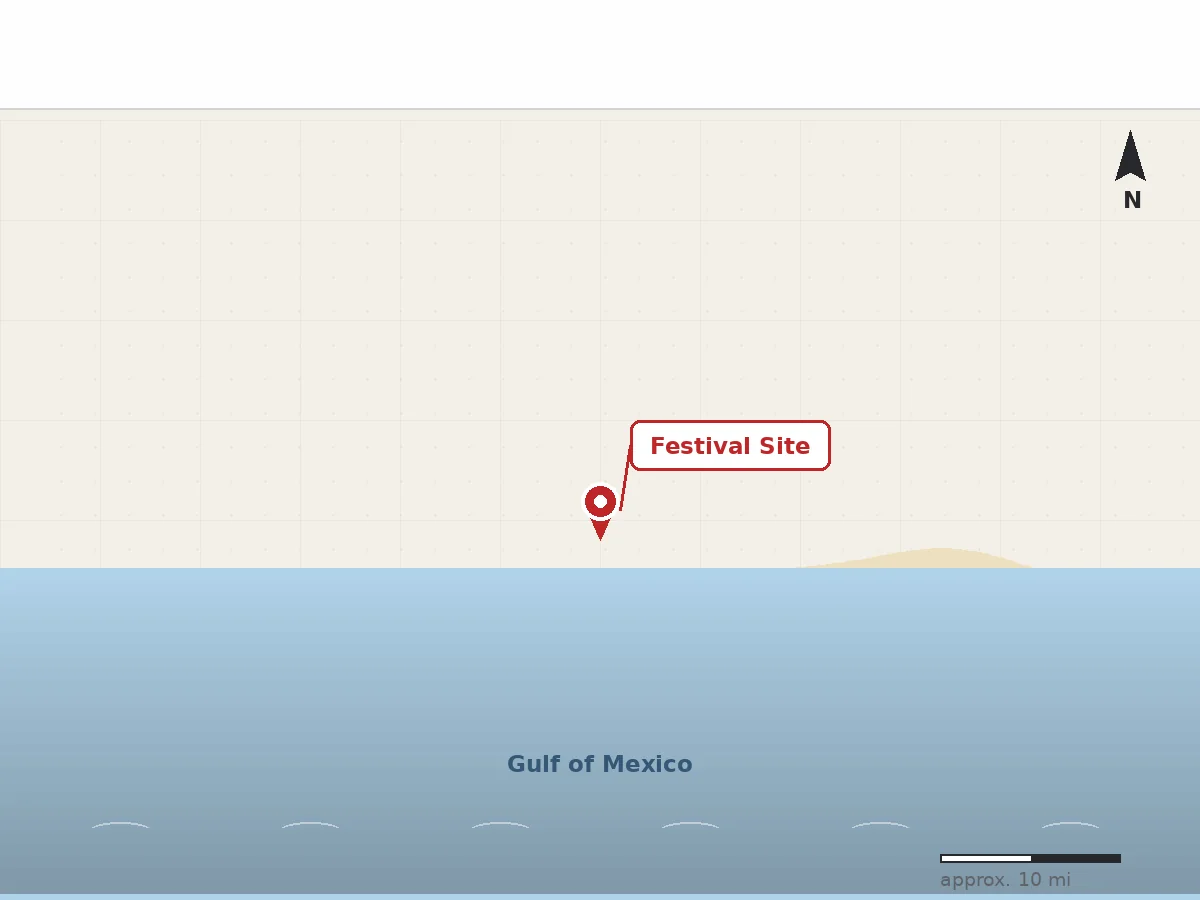
The fair takes place in the Randolph County area of southern Illinois, with Chester — the county seat — serving as the closest reliable reference point for directions and services.
Randolph County Fair Answers for First-Time Visitors
Is there an admission fee at the gate?
In most years, general admission is free. Anything with a cost — food, drinks, games, raffle tickets, merchandise — is paid directly to the vendor or organization running it. Because details can shift from year to year, it is worth confirming locally before you drive in, but you should not plan on a large gate fee.
When in the year does the fair usually run?
The fair is a summer event, typically held over a weekend during the warm months when county fair season is in full swing across southern Illinois. Rather than anchoring your plans to a specific day, watch for the season’s announcement and treat the schedule as a weekend commitment.
How do I get to the fair from Chester?
Chester is the county seat and the most useful starting point for anyone coming from outside the area. From there, follow local signage toward the fairgrounds rather than relying solely on a navigation pin, since rural routes can point you at a back entrance or an unmarked field. Allow extra time during the late afternoon peak.
Is one day enough, or should I plan two?
One full day covers the essentials comfortably. Two days lets you catch the quieter morning hours, revisit exhibits you rushed past, and still have energy for an evening of entertainment. If you are traveling a long distance, two days also removes the pressure of trying to do everything in one hot afternoon.
What Comes Next for the Randolph County Fair
County fairs survive by adapting without losing their center. For Randolph County, that means continuing to serve as the annual meeting point for a 597-square-mile community while quietly absorbing the changes every rural county faces — shifting volunteer capacity, changing tastes in entertainment, and a visitor base that increasingly arrives from outside the area.
The safest prediction is continuity rather than reinvention. The livestock, the exhibits, the food row, and the evening crowd are the parts that matter most, and they are also the parts least likely to change. Plan for the fair you would have found a generation ago, and you will be close to right.
Last updated: October 2026
Treat the Randolph County Fair the way locals do: pick your arrival window, carry cash, park facing your exit, and leave room in the day for a second lap. The logistics take twenty minutes to sort out. The rest of the weekend takes care of itself.

One Comment