Putnam County Indiana 4-H Fair Festival
Greencastle, Putnam County, and the Week the Fairgrounds Fill Up
Greencastle anchors a county that has been organized since 1821, when Putnam County took its name from Israel Putnam. Today that county holds 36,726 residents across 482.69 square miles of cornfields, timber, and small crossroads communities, and Greencastle remains its seat. Most of the year, that population is spread thin. Then summer arrives, and the Putnam County 4-H Fair pulls a good share of it back into one set of fairgrounds.
Ask anyone who grew up here about fair week and you hear the same details: the smell of the barns, the announcer calling a showmanship class, the walk back to the car after dark. The fair is older than most of the families who attend it, and it still runs on the same rhythm — animals, projects, food, and a grandstand.
Putnam County 4-H Fair: The Essentials in One Table
| Town / area | Greencastle and the surrounding Putnam County area |
| County | Putnam County, Indiana |
| County seat | Greencastle |
| Population | 36,726 |
| Land area | 482.69 square miles |
| Founded | 1821; named for Israel Putnam |
| Typical timing | A multi-day run in mid-summer, most often during July |
| Admission | Generally free to enter the grounds; food, vendors, and some activities are priced separately |
| Setting and features | Fairgrounds with livestock barns, show arenas, exhibit halls, concession stands, and family entertainment |
| Organizer | The county’s 4-H program and its volunteers |
What the Putnam County 4-H Fair Really Is
Strip away the funnel cake and the string lights and the fair is still, at heart, a youth exhibition. 4-H members from across Putnam County spend the year raising livestock, growing crops, sewing, cooking, building, and photographing, then bring the results to the fairgrounds to be judged. The barns and exhibit halls are the reason the whole thing exists.
What makes it work as a public event is that the fair never closed itself off to non-4-H families. Once the gates open, anyone can walk the barns, watch a showmanship class, buy a pork burger, and take a seat in the grandstand. That blend — a serious youth competition wrapped inside a countywide social event — is the formula that has kept fair week on the calendar for generations.
Timing is steady: a multi-day run in mid-summer, most often during July, when school is out and the farm year is between planting and harvest. Admission to the grounds is typically free, with money changing hands at food stands, vendor booths, and certain grandstand events.
For another look at how a community turns its own traditions into a gathering, see the Pulaski County Indiana Pulaski County Fair Festival for a useful comparison.
From Farm Fields to Fairgrounds: A Putnam County Fair History
Putnam County was founded in 1821, in an era when a county’s identity was built almost entirely on what its farms could produce. Greencastle grew as a courthouse and market town at the center of it, and a fair was a natural extension of that role — a fixed point in the year when the best of the county’s work was gathered in one place to be compared, judged, and sold.
The 4-H side of the story arrived later, as rural youth programs spread across the Midwest and turned farm kids into project kids. Members learned by doing: a steer, a garden plot, a sewing project, a woodworking bench. The county fair became the annual stage where that work was shown off, and in Putnam County it gradually became the fair’s center of gravity.
Over the decades the fairgrounds accumulated the structures that define them today — barns for cattle, swine, sheep, and goats; an exhibit hall for static projects; a show arena; a grandstand; and a ring of concession stands. Each piece was added as the fair outgrew whatever came before it.
What has not changed is the calendar logic. Fair week still marks the middle of summer in Putnam County, and generations of families have measured their years by it. Grandparents who once showed a calf now watch a grandchild lead one into the same ring.
Inside Fair Week: Barns, Grandstand, and Everything Between
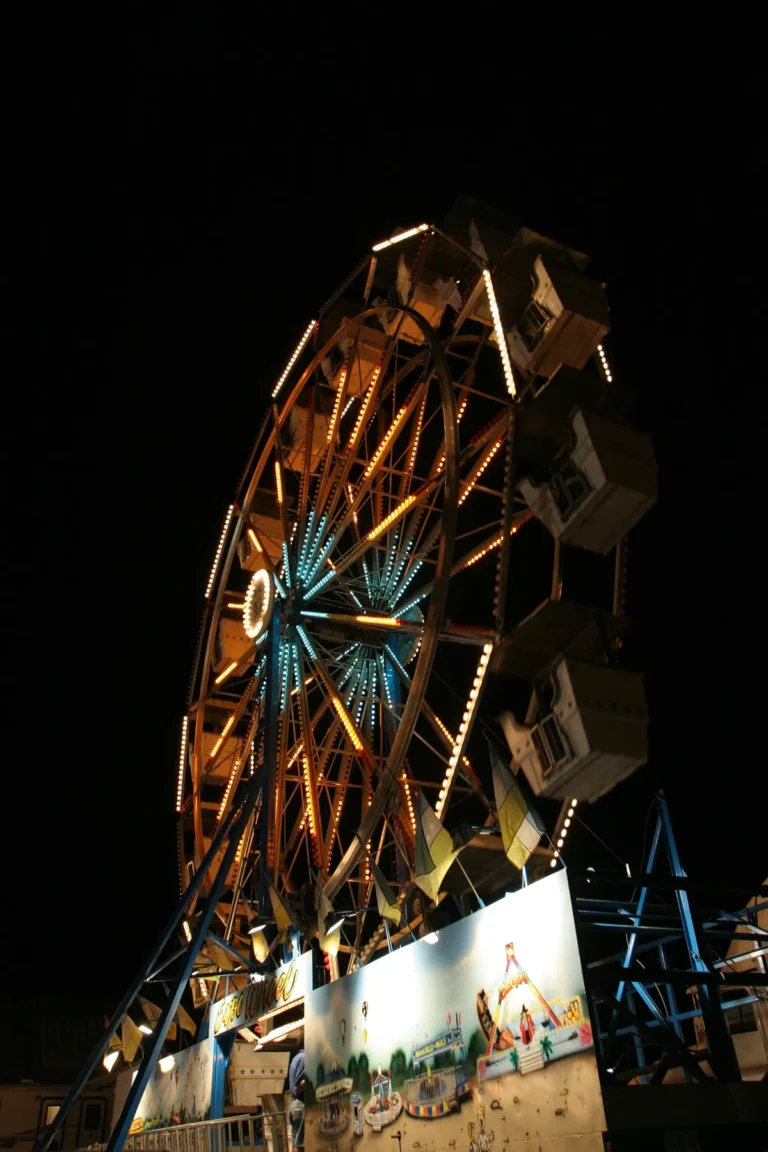
A day at the fair moves in phases, and knowing them helps you plan. Mornings belong to exhibitors and judges. Late afternoon brings the crowds. Evening is when the midway, the food lines, and the grandstand all hit full volume.
Fair Food and the 4-H Bake Sale Tables
Expect the standard Indiana fair menu — pork burgers, breaded tenderloins, corn dogs, elephant ears, and lemon shake-ups — alongside stands run by local churches, clubs, and nonprofits that treat fair week as one of their biggest fundraisers of the year. Do not skip the 4-H food project displays and bake sale tables; they are often the best value on the grounds and a direct look at what members have been practicing all year.
Grandstand Nights and Local Talent
Grandstand programming shifts from year to year, but the mix usually leans on motorsports, tractor and truck pulls, and live music, with local bands and community groups filling out the schedule. Because lineups change annually, the fair’s own schedule is the only reliable source — check it before you commit to an evening.
Family Activities Beyond the Show Ring
Rides, games, and midway attractions give kids something to do between barn visits, and there are usually smaller hands-on activities tied to the 4-H exhibits. Families with toddlers tend to do best in the late morning and early afternoon, before the heat and the evening crowds arrive. Strollers handle the grounds fine, though the barn aisles can be tight.
Planning Your Trip to the Putnam County Fairgrounds
Getting There from Greencastle and Around the County
The fairgrounds sit in the Greencastle area, which makes them reachable from nearly every corner of a 482.69-square-mile county. Almost everyone arrives by car. If you are coming from out of county, give yourself extra time on grandstand evenings, when the approach roads slow to a crawl in the final hour before the show.
Where to Stay Near Putnam County
Greencastle holds the county’s largest concentration of lodging, from chain motels to inns and short-term rentals, with more options a short drive away in neighboring counties. Fair week is the busiest stretch of the summer, so book well ahead. Exhibitors often stay close to their animals, which means the nearest rooms go first.
Parking Around the Grounds
Parking is typically on-site or in adjacent lots, with volunteers directing traffic during peak hours. Arriving early is the single easiest way to avoid a long walk. Keep an eye out for reserved areas set aside for exhibitors hauling trailers.
Admission, Costs, and What Adds Up
Entry to the grounds is generally free, so the fair works as a low-cost outing for a family. Your spending will land at food stands, ride tickets, games, and any grandstand event that sells tickets separately. Smaller stands sometimes prefer cash, so carry a little even in a card-friendly era.
Fair-Week Weather in West-Central Indiana
Mid-summer in this part of Indiana means heat, humidity, and the occasional fast-moving afternoon storm. Dress light, wear shoes you can walk in for hours, drink more water than you think you need, and treat any thunderstorm warning as a signal to move into a building rather than a barn aisle.
A Sample Weekend at the Putnam County 4-H Fair
Day one, late afternoon. Arrive while the barns are still being worked. Walk the species barns in order, watch a few classes in the show arena, then eat dinner from a nonprofit stand before the evening crowd thickens.
Day two, morning. Come early for the judging that most visitors miss. The exhibit hall is quiet, the volunteers are talkative, and you can see the static projects — photography, baking, sewing, woodworking — without a crowd in front of them.
Day two, evening. This is grandstand night. Grab food early, find your seats, and let the midway be the after-show stop rather than the before-show one.
Day three. Circle back for anything you skipped — the livestock auction, the last look through the barns, a final lemon shake-up — and leave before the closing-night traffic builds.
How the Putnam County Fair Compares with Nearby Celebrations
Parke County, just to the west, is famous for its covered bridges and the fall tourism that follows them. That is a different season and a different kind of crowd — leaf-peepers and day-trippers rather than livestock families.
Hendricks County to the east runs its own fair week with a larger population base behind it, which means bigger midways and more vendor variety but less of the small-county intimacy.
Owen County to the south keeps a quieter, more agricultural feel, closer in spirit to Putnam’s fair but smaller in scale. What sets Putnam apart is the balance: enough scale for a real grandstand and midway, small enough that you will run into people you know before you finish your first lap.
Fair Week Checklist for Putnam County Visitors
Sunscreen and a hat
Refillable water bottle
Cash for smaller stands
Closed-toe shoes for the barns
A light rain jacket
A printed or downloaded fair schedule
Patience for peak-hour parking
A plan for meeting up if your group splits
Beyond the Fairgrounds: Greencastle and the Rest of Putnam County
Fair week is a good excuse to see more of the county than the fairgrounds. Greencastle itself rewards a slow hour: a courthouse square, a walkable downtown, and the easy rhythm of a county seat that has been doing this since 1821.
Out in the countryside, the drive between the county’s smaller communities is the attraction — farm stands, backroads, and long views over fields that change character from July to October. Pair a fair visit with a loop through the surrounding countryside and you get a fuller picture of what Putnam County actually is.
What Fair Week Means to a County of 36,726
In a county with 36,726 people spread across 482.69 square miles, shared experiences are not automatic. There is no single downtown that everyone uses, no one school district that gathers the whole population. The fair does that job. For a few days each summer, it becomes the county’s common ground.
It is also a quiet economic engine. Food stands, vendors, and local organizations count on the week. And it is a pipeline: kids who learn to present a project at the Putnam County fairgrounds carry that skill into jobs, classrooms, and leadership roles long after the barns are swept out.
Where the Putnam County 4-H Fairgrounds Sit
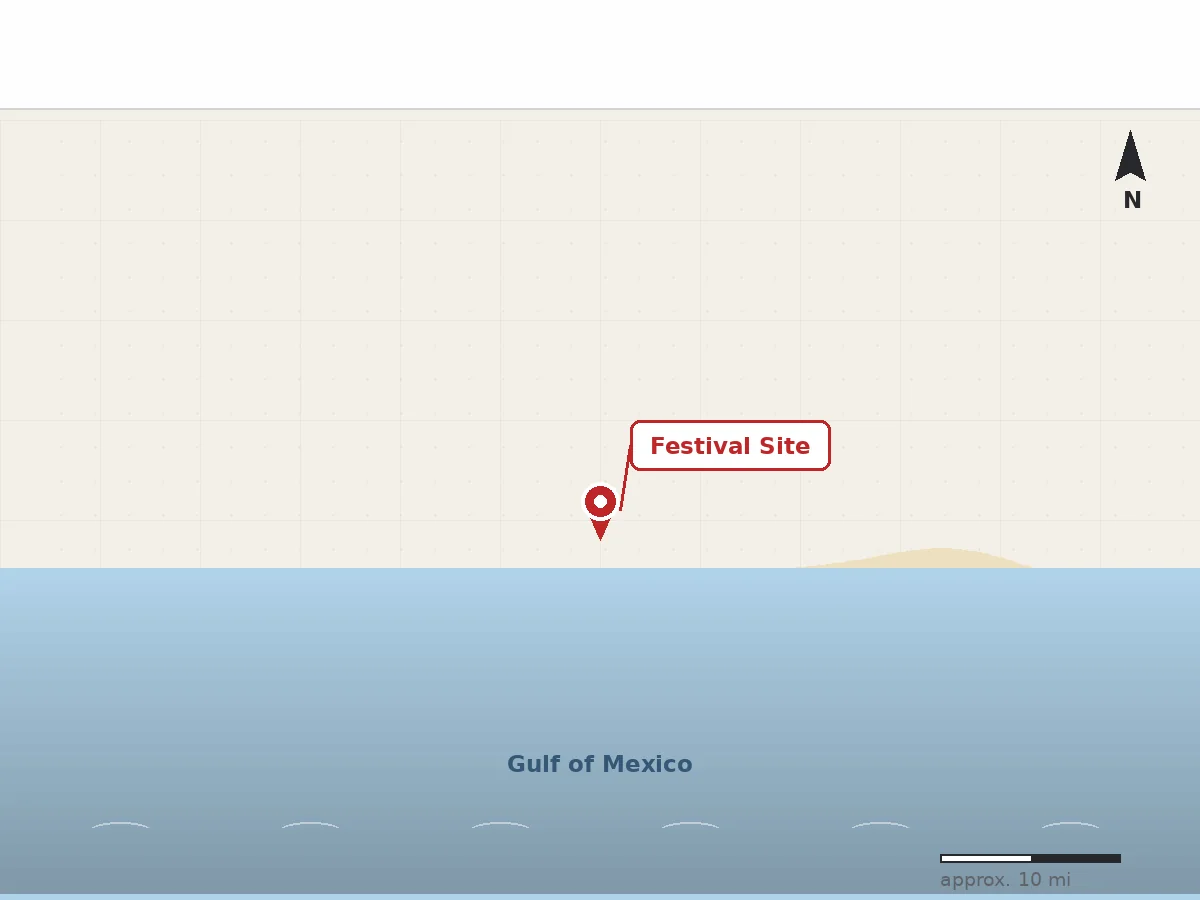
The fair takes place on the fairgrounds in the Greencastle area, at the center of Putnam County, Indiana.
First-Timer Questions About the Putnam County 4-H Fair
Do you have to be a 4-H family to attend?
No. The fairgrounds are open to the general public, and most of what happens there — the barns, the exhibit hall, the food stands, the midway, the grandstand — is built for a general audience. The competition is the centerpiece, but watching it requires nothing more than showing up.
Is admission actually free?
Entry to the grounds is generally free in most years, which is a big part of why the fair remains a default summer outing for local families. Your costs come from food, ride tickets, games, and any separately ticketed grandstand event.
What should you bring for a day at the barns?
Comfortable closed-toe shoes, water, sunscreen, and cash for smaller stands. If you plan to be there through the evening, add a light layer for after sunset and a rain jacket, since summer storms in this part of Indiana can arrive quickly.
When is the best time to visit with young children?
Late morning and early afternoon tend to be calmest, with shorter food lines and cooler barns. Evenings are more exciting but louder and more crowded, which can be a lot for smaller kids after a long day.
The Road Ahead for the Putnam County 4-H Fair
The fair’s future rests on the same things that have sustained it so far: volunteer energy, exhibitor numbers, and a community willing to show up. As Putnam County’s population shifts and farm families change, the fair will keep adapting — more varied project categories, broader entertainment, and continued emphasis on the youth programming that gives the week its purpose. What is unlikely to change is the shape of it: barns in the morning, crowds in the evening, and a county gathered in one place for a few days each summer.
Last updated: October 2026
If you only know Putnam County from a map or a highway sign, fair week is the time to correct that. Come for the livestock shows, stay for the food and the grandstand, and you will leave understanding why a county of 36,726 people has kept this week on its calendar for so long.
One Comment