Prince George’s County Maryland Prince George’s County Fair Festival
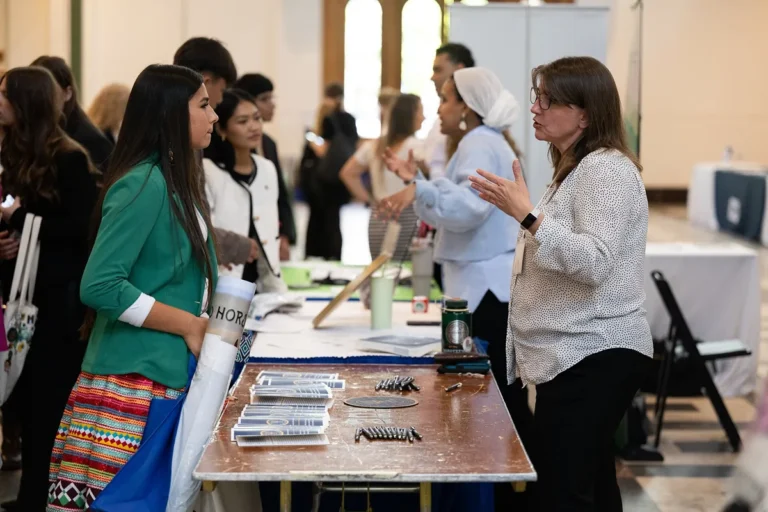
When the late-summer heat finally loosens its grip and the evenings begin to stretch, Prince George’s County turns its attention to a tradition that has outlasted nearly everything else on the local calendar. The Prince George’s County Fair gathers neighbors from Upper Marlboro to the Beltway’s edge for a few days of livestock pens, spinning rides, fried food, and the easy conversation that only happens when a whole community stands in the same field.
This is a county of 967,201 people spread across 499 square miles, and the fair is one of the few events that genuinely pulls from all of it. Farm families from the outer edges, suburban households from the corridor, and day-trippers from Washington, D.C. all end up in the same line for funnel cake. Here is what the fair is, how it grew, and how to plan a visit around it.
The Prince George’s County Fair in Ten Lines
| Town / area | Prince George’s County, Maryland |
| County | Prince George’s County |
| County seat | Upper Marlboro |
| Population and land area | 967,201 residents across 499 square miles |
| Region | Suburban Washington, D.C. corridor, Southern Maryland |
| Typical timing | Late summer, usually a weekend in August |
| Admission | Typically free to enter, with charges for rides, games, and food |
| Setting | Open fairgrounds with barns, exhibit halls, a midway, and outdoor stages |
| Signature features | Livestock and youth exhibits, carnival rides, local vendors, live music |
| Organizer | Volunteer fair organizers and community groups |
A Late-Summer Gathering That Belongs to Prince George’s County
The Prince George’s County Fair is a county agricultural fair in the classic American mold: part livestock show, part carnival, part community reunion. It is not a single-attraction event with one headline act. It is a whole landscape of small things happening at once — a judge inspecting a dairy heifer, a teenager steadying a market lamb, a kid who has just won a ribbon for a jar of preserves, and a grandstand crowd settling in for an evening of music.
What makes it distinctive is the county it belongs to. Prince George’s County contains both dense suburban neighborhoods and working farmland, and the fair is one of the few places those two worlds share a parking lot. Upper Marlboro, the county seat, sits at the center of that identity, and the fair’s rhythm reflects it: agricultural in its bones, thoroughly modern in its crowd.
Entry is typically free, which matters more than it sounds. A family can walk the barns, watch the shows, and listen to the music without buying a ticket, then decide where to spend on rides or dinner. That low barrier is a big part of why the fair still feels like something the county does for itself rather than something done to it.
From Farm Exhibits to a Countywide Tradition
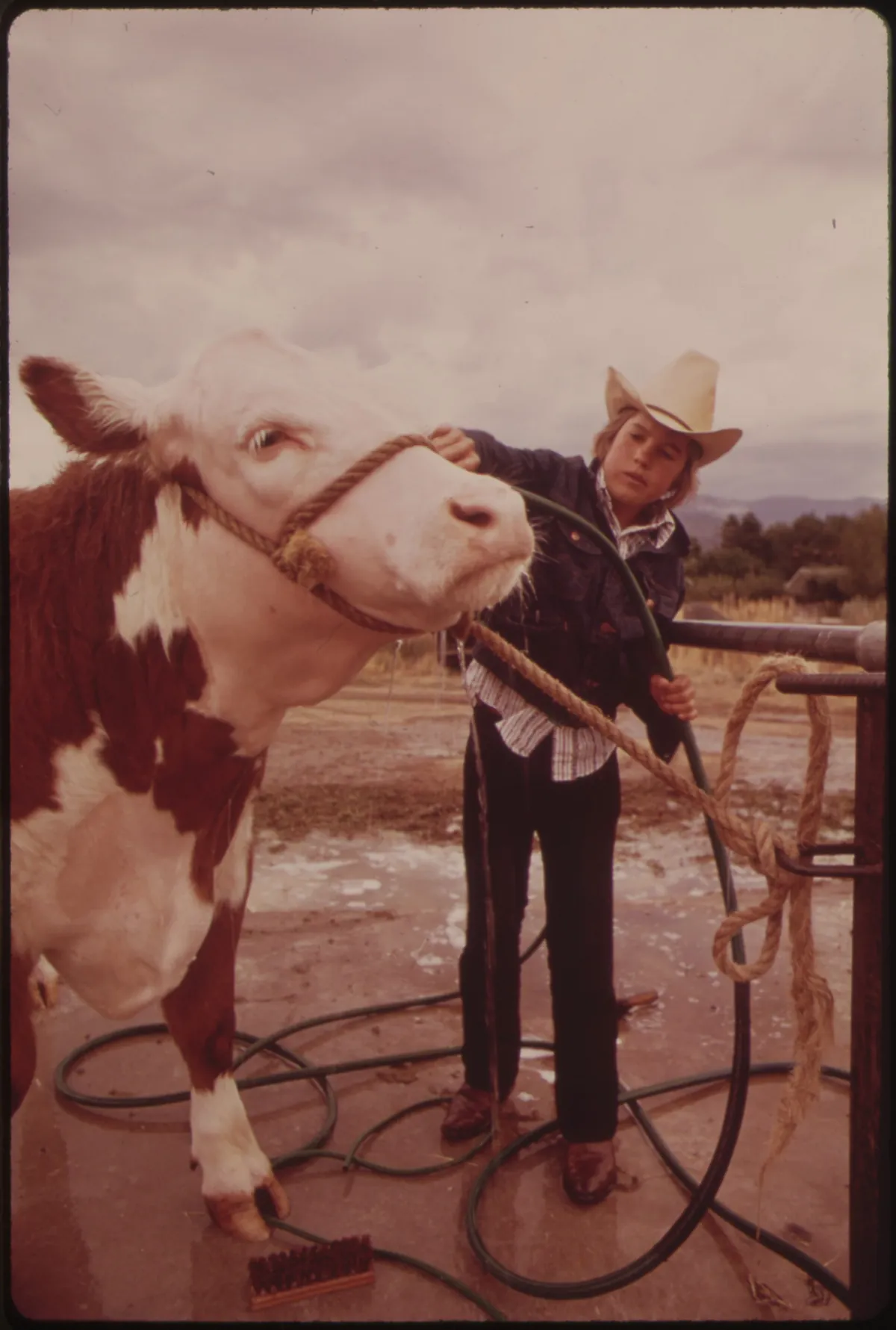
County fairs took root across Maryland in the nineteenth century, when farmers gathered to compare stock, swap techniques, and show off the best their season had produced. The Prince George’s County Fair grew out of that same impulse. Its earliest versions were agricultural exhibitions first and entertainment second — a place where a good herd or a well-kept orchard was the main event.
As the county changed, so did the fair. Subdivisions replaced tobacco fields in many areas, the population swelled, and the audience shifted from almost entirely rural to overwhelmingly suburban. The fair adapted rather than contracted. Youth programs became central, midway rides and live entertainment filled the evenings, and food vendors multiplied along the walkways.
Through all of it, the agricultural core held. Livestock shows, poultry and rabbit exhibits, canned goods, baked entries, and handcrafts remain the spine of the event. That continuity is the fair’s real history: a tradition that kept its original purpose while making room for a county that no longer looks much like the one that started it.
What a Day at the Prince George’s County Fair Feels Like
Most visitors arrive with a loose plan and abandon it within an hour. The grounds reward wandering. Here is roughly how the pieces fit together.
Fair Food With a Maryland Accent
The food is a mix of carnival standards and local cooking. Expect the fried dough, corn dogs, and lemonade that every fairgoer expects, alongside Maryland favorites — steamed crabs where vendors offer them, pit beef sandwiches, crab cakes, and sweet corn. Church groups and civic organizations often run their own stands, which is where some of the best and most reasonably priced food tends to be. Portions are generous and lines move fastest in the late afternoon before the dinner rush.
Live Music and Entertainment on the Grounds
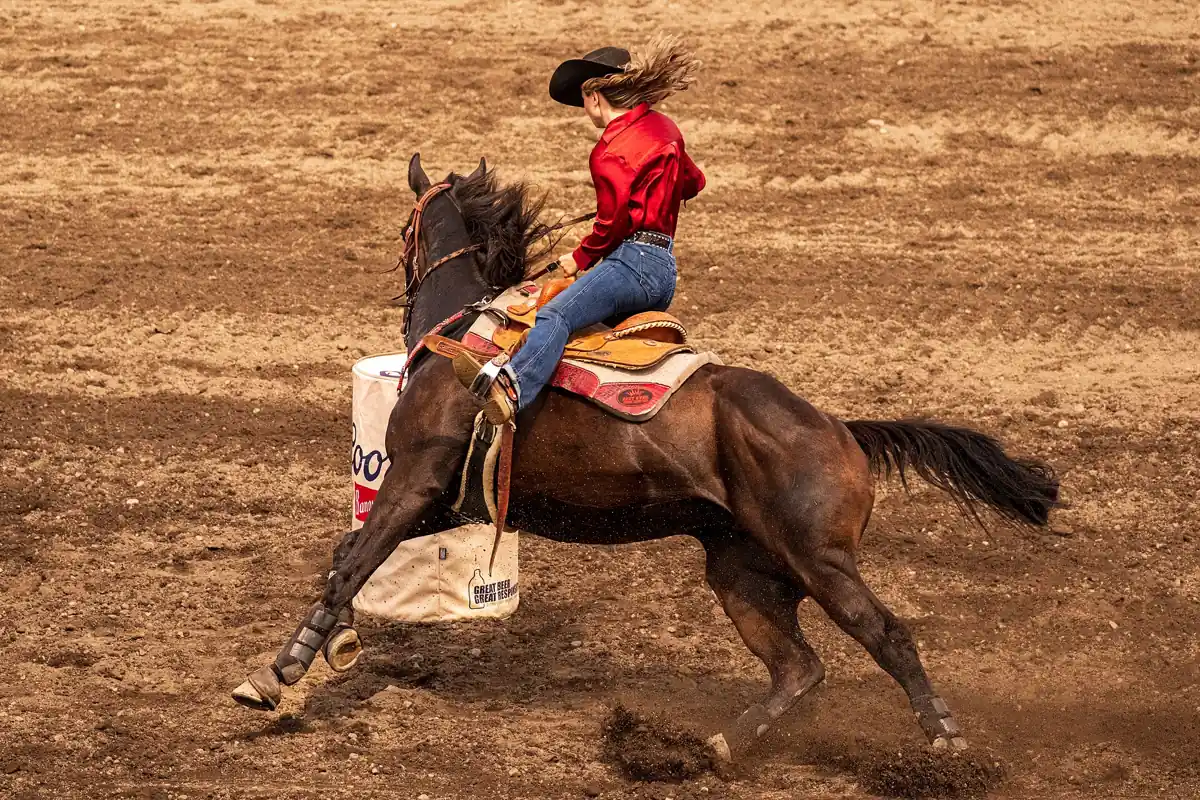
Evenings bring live music, typically local and regional acts rather than national touring names — country, rock, gospel, and cover bands that know exactly how to work a fairground crowd. Smaller performances pop up elsewhere on the grounds: demonstrations, contests, and announcements from the show ring. The grandstand is usually the anchor, but the best moments are often unplanned, like a barn radio playing while exhibitors groom animals for the next class.
Family Activities, Youth Exhibits, and Livestock Barns
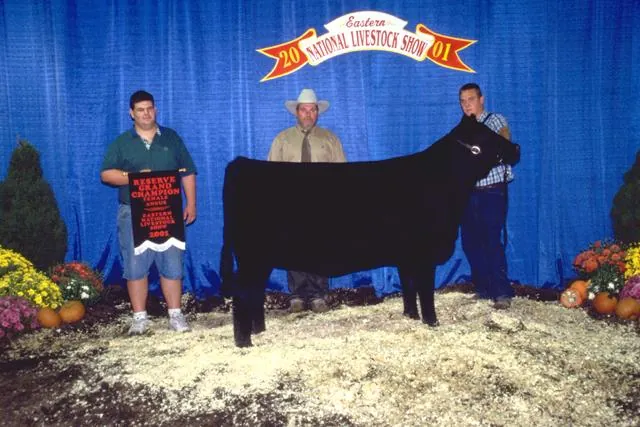
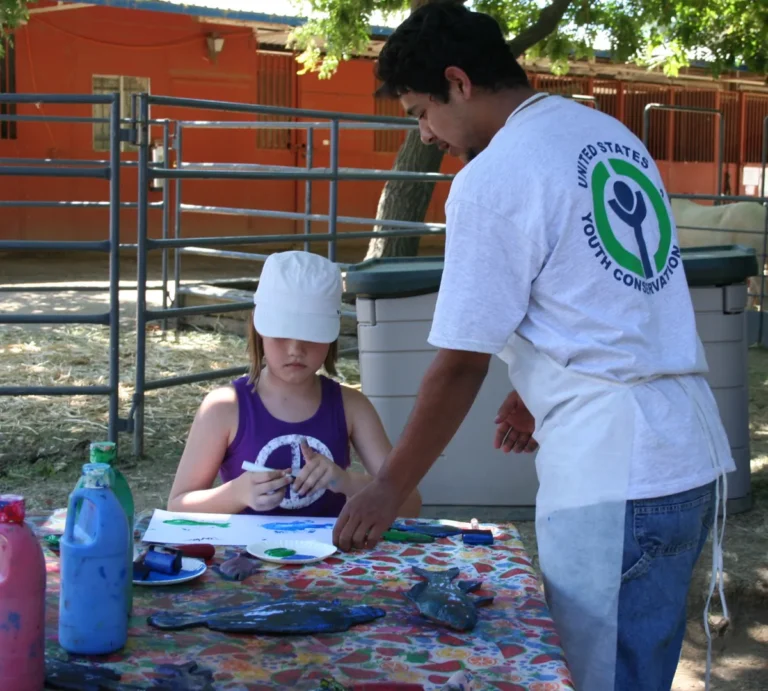
This is where the fair earns its reputation as a family event. The midway offers rides for every age and nerve level, with a dedicated area for smaller children. Beyond the rides, the barns are the heart of the fair: cattle, goats, sheep, swine, poultry, and rabbits, most of them raised by young people who can tell you everything about the animal in front of them. Exhibit halls display baking, canning, photography, flowers, and crafts. Livestock shows and auctions run throughout, and for many families the fair is less a day out than a week-long commitment.
Planning a Fair Day in Prince George’s County
Getting There From Upper Marlboro and Across the County
The fair sits within Prince George’s County, easily reached from Upper Marlboro and the surrounding communities, and within reasonable driving distance of Washington, D.C. Most visitors come by car. Allow extra time on weekend afternoons and on whichever evening features the biggest grandstand draw, since that is when the roads around the grounds tighten up.
Where to Stay Nearby
Because the county borders the nation’s capital, lodging is plentiful. Hotels cluster along the major corridors in the northern and central parts of the county, with additional options in and around Upper Marlboro and toward National Harbor. Visitors combining the fair with a Washington trip often stay closer to the city and drive out for an afternoon. Book early if your visit coincides with a major regional event.
Parking and Gate Logistics
On-site parking is the norm, with attendants directing traffic into grassy and paved lots. Arrive before mid-afternoon for the easiest spot, and expect a walk regardless. Wear shoes you do not mind getting dusty. If you are meeting people, pick a landmark near the main gate rather than a food stand — stands move, gates do not.
Admission, Rides, and What Things Cost
Admission is typically free, with costs concentrated in rides, games, food, and some special events. Ride tickets or wristband promotions are common, and many families find that an unlimited-ride option pays for itself quickly with children. Bring some cash even though cards are widely accepted — smaller vendors and church stands sometimes prefer it.
Late-Summer Weather and What to Wear
August in Maryland means heat and humidity, occasionally interrupted by a fast-moving thunderstorm. Dress light, bring water, and keep a rain jacket or compact umbrella handy. Sunscreen and a hat are not optional if you plan to spend hours near the barns or the midway. Evenings usually cool off enough to make the grandstand comfortable.
A Sample Fair Weekend in Prince George’s County
If you have one weekend, this is a sensible way to use it.
Friday afternoon: Arrive early, walk the exhibit halls while they are still quiet, and get a first look at the livestock barns. Eat dinner from a civic group stand, then settle in for the evening’s live music.
Saturday morning: Come back for the livestock shows. This is when the barns are busiest and most interesting, with young exhibitors preparing animals and judges working through classes. It is also the coolest part of the day.
Saturday evening: Ride the midway, catch the grandstand entertainment, and stay for the lights. This is the fair at its loudest and most crowded, which is part of the appeal.
Sunday: A slower pass. Revisit the exhibits, buy something from a craft vendor, and let the kids choose their favorite ride one last time before heading home.
How the Fair Compares With Nearby County Traditions
Prince George’s County sits in a region crowded with county fairs, and each has its own personality. The Maryland State Fair in Timonium is larger and more sprawling, with a heavier commercial and concert footprint — a good choice if you want scale. The Anne Arundel County Fair leans rural and compact, closer in feel to a traditional agricultural exhibition. The Charles County Fair, farther south, has a similar small-county warmth with a strong agricultural focus.
What sets the Prince George’s County Fair apart is its position between worlds. It is a farm fair in a county of nearly a million people, within reach of a major metropolitan area. That combination gives it a broader crowd and a livelier mix of food and entertainment than most county fairs of comparable size, without losing the barns-and-ribbons character that makes the format work.
A Fairgoer’s Checklist for Prince George’s County
Bring cash for small vendors, plus a card for the bigger ones. Wear closed-toe shoes you can afford to ruin. Pack sunscreen, a hat, and a refillable water bottle. Keep a light rain layer in the car. Charge your phone before you go, since a full day on the grounds drains a battery fast.
Check the schedule before you leave so you know when livestock shows and grandstand acts begin. Decide on a meeting point at the gate in case your group splits up. Bring a tote bag for anything you buy from craft or produce vendors. And if you have young children, write your phone number on their wrist — fairgrounds are busy and it is an easy precaution.
Beyond the Fairgrounds: Upper Marlboro and the Wider County
Upper Marlboro rewards a little extra time. The county seat has a historic downtown with preserved architecture and a quiet, walkable center that feels far removed from the region’s traffic. It makes a natural companion stop to a fair visit.
Farther afield, Prince George’s County offers plenty for a longer trip: parkland and trails along the Patuxent River, waterfront areas near National Harbor, and a deep reservoir of African American history tied to the county’s role in the region’s development. Add a Washington, D.C. day trip and the fair becomes the centerpiece of a genuinely varied weekend.
How the Fair Keeps Prince George’s County Connected
In a county of 967,201 people, most institutions serve a neighborhood, a school district, or a single town. The fair serves all of them. It is one of the few recurring events where a family from a suburban subdivision and a family from a working farm end up standing at the same fence rail watching the same class of cattle.
That matters for the young people who exhibit there. For many, the fair is their first experience of public responsibility — feeding an animal twice a day for months, learning to lose gracefully, learning to speak to adults they have never met. The fair is where those lessons get a public audience, and where a county that is often described in statistics gets to see itself as a community.
Where the Prince George’s County Fair Sits on the Map
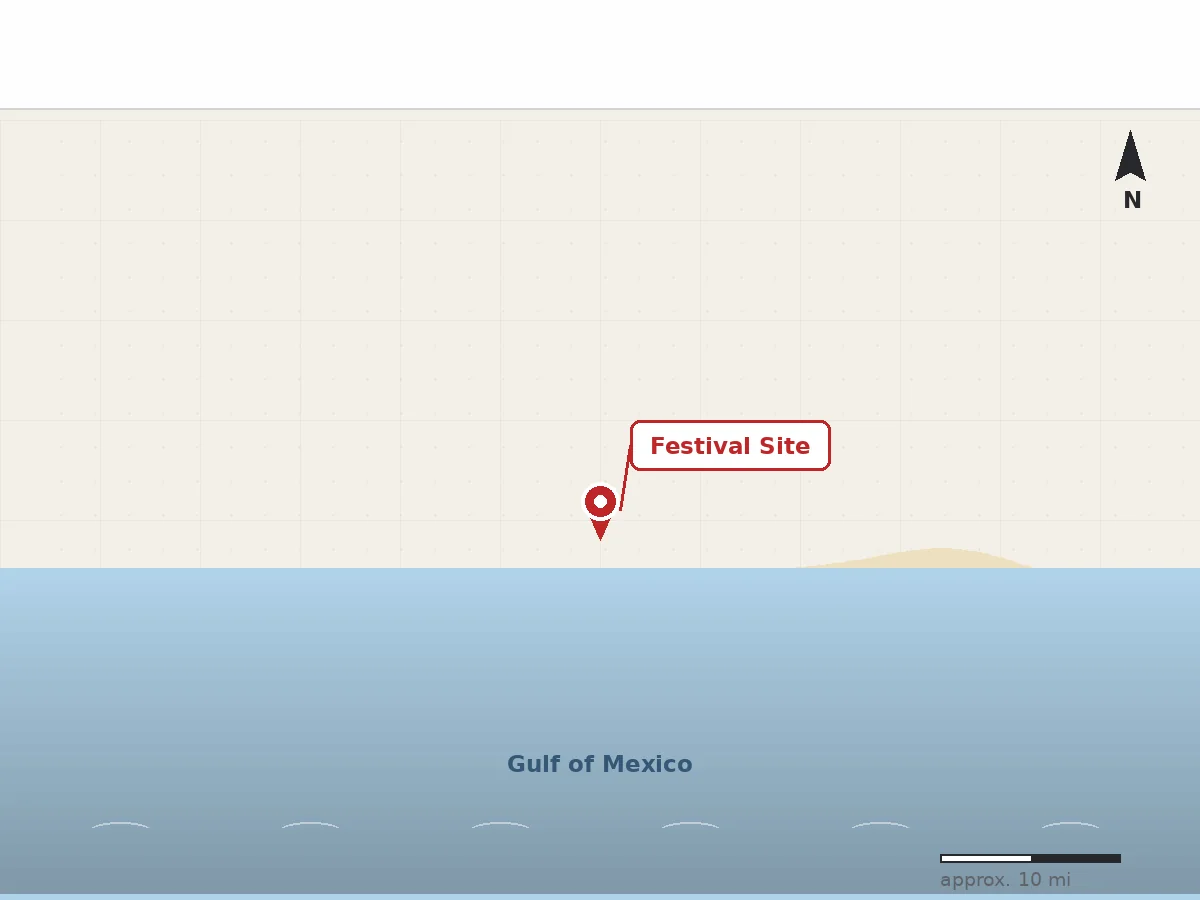
The fair takes place within Prince George’s County, Maryland, whose county seat is Upper Marlboro, in the Southern Maryland region bordering Washington, D.C.
Straight Answers for First-Time Fairgoers
When does the Prince George’s County Fair usually take place?
It is held in late summer, most often on a weekend in August. Because the exact dates shift from year to year, check the current schedule before you plan travel around it. Evenings tend to be the most comfortable and the most heavily programmed part of the day.
Do you need to buy tickets in advance?
Admission is typically free, so there is usually nothing to reserve just to walk in. Rides, games, and food are pay-as-you-go, and some fairs offer advance wristband deals for unlimited rides. If a special grandstand event requires a ticket, that will be advertised separately.
Is the fair a good outing for young children?
Yes. The midway includes rides sized for small children, the livestock barns are a reliable hit, and there is plenty of open space to move around. Bring a stroller if you have one, and plan around the hottest part of the afternoon by arriving earlier or later in the day.
How much time should you set aside for a visit?
Three to four hours covers the essentials: barns, exhibits, a ride or two, and something to eat. Families with children in shows, or anyone hoping to catch both an afternoon livestock class and an evening concert, should plan on most of a day — or come back the next morning.
What’s Next for the Prince George’s County Fair
The fair’s future looks a lot like its past, with adjustments. As the county continues to grow, organizers face the same balancing act they have managed for decades: keeping the agricultural heart intact while serving a population that is increasingly urban and increasingly diverse. Youth participation remains the strongest thread, and it is the piece most likely to shape the fair’s next chapter.
Expect continued emphasis on family programming, local vendors, and the exhibits that give the fair its purpose. The rides and the music will change. The barns will not.
Last updated: October 2026
For anyone who grew up in Prince George’s County, the fair is less an event than a marker of the season — the week the county slows down, shows up, and remembers that it is still, in important ways, a farming community with a very large population. Go once and you will understand why it keeps coming back.