Peoria County Illinois Peoria Oktoberfest Festival
Peoria has been the seat of Peoria County since 1825, and for most of the two centuries since, the city’s year has been paced by the Illinois River — by the packets and barges, the warehouses, the distilleries and the harvest that came down off the surrounding farmland every autumn. Peoria Oktoberfest fits that rhythm neatly. Held each autumn in the Peoria County area, most often on a weekend in late September or early October, it is the city’s own reading of a tradition that began in Munich in 1810 and travelled west with German-speaking immigrants.
On the ground that means a weekend of bratwurst, pretzels, steins and brass, staged within walking distance of a downtown that still looks like the river town it has always been. It is a festival built for strolling, eating and standing around a long table with people you have just met — and it is one of the easier autumn events in central Illinois to plan a trip around.
Peoria Oktoberfest Basics: County, Timing, Cost and Setting
| Town / host community | The city of Peoria and the surrounding Peoria County area |
| County | Peoria County, Illinois |
| County seat | Peoria |
| Population | Peoria, the county seat, is the largest community in the county |
| Region | Central Illinois, on the Illinois River |
| Typical timing | A weekend in late September or early October |
| Admission | Typically free to enter; food, drink and some activities are pay-as-you-go |
| Setting | Outdoor, walkable festival grounds in the Peoria area |
| Features | German-style food and beer, live music, family activities, market stalls |
| Organizer | Local civic, cultural and business groups in the Peoria area |
What Peoria Oktoberfest Is, and What It Is Not
Peoria Oktoberfest is a German-heritage celebration held in the Peoria County area each autumn, usually on a weekend in late September or early October. It is not a ticketed, fenced-in attraction. In most years the grounds are free to enter and you pay as you go for food, drink and a handful of activities — an open format that suits a city of Peoria’s size, where you can wander in for an hour or settle at a table for the afternoon.
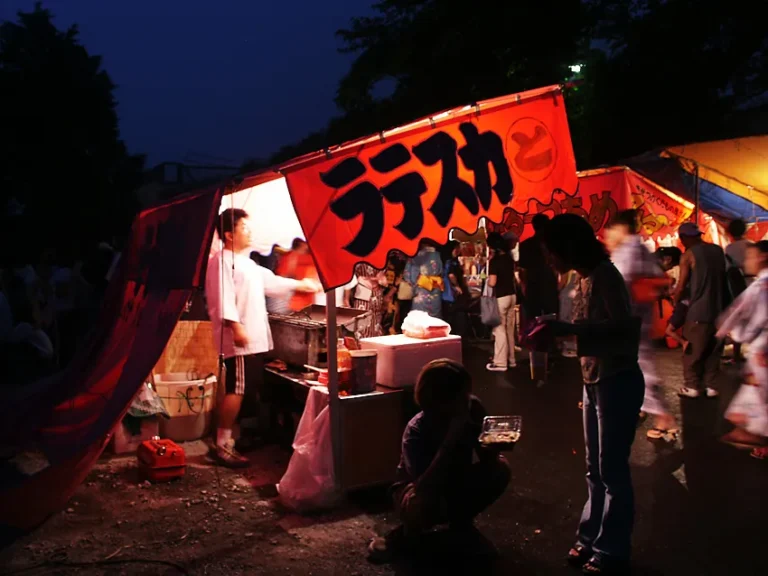
Expect the familiar Oktoberfest furniture: a beer garden, sausage and pretzel stands, a covered stage, market stalls and a corner set aside for children. The crowd is a genuine cross-section of central Illinois — downtown residents, families from Peoria Heights, Morton, East Peoria and Chillicothe, and students from Bradley University. Because Peoria County covers 631 square miles, plenty of attendees drive in from smaller communities and make a full day of it.
From a River Town Founded in 1825 to a Modern Oktoberfest
Peoria County was founded in 1825 with Peoria as its seat, and the town that grew around the river landing soon became the commercial centre for a wide band of central Illinois farmland. Steamboats, then railroads, then barges moved grain, livestock and manufactured goods through the same waterfront, and by the late nineteenth century the city had also built a national reputation for distilling.
For another look at how a community turns its own traditions into a gathering, see the Peoria County Illinois Peoria Irish Fest Festival for a useful comparison.
German-speaking immigrants were part of that story across the Midwest. They brought the customs of their home regions with them, including the harvest celebrations that Munich had turned into a public festival in 1810. Beer gardens, singing societies and gymnastic halls became fixtures of Midwestern city life, and the food that came with them — sausage, sauerkraut, rye bread, lager — never left the table.
American Oktoberfests multiplied in the second half of the twentieth century, as civic groups, German-American clubs and downtown associations looked for a way to fill the weeks between the county fair and the winter holidays. Peoria’s celebration belongs to that wave rather than to the Bavarian original. As the city rebuilt its riverfront and its event calendar, an Oktoberfest weekend became one of the anchors of the autumn season — a way to mark the harvest, show off downtown and seat neighbours at the same long tables.
Inside the Peoria Oktoberfest Weekend: Food, Music and Family Time
The festival is compact enough to walk in an afternoon and busy enough that you will want a plan for the evening. Here is how a typical Peoria Oktoberfest weekend fills up.
Bratwurst, Pretzels and the Beer Garden
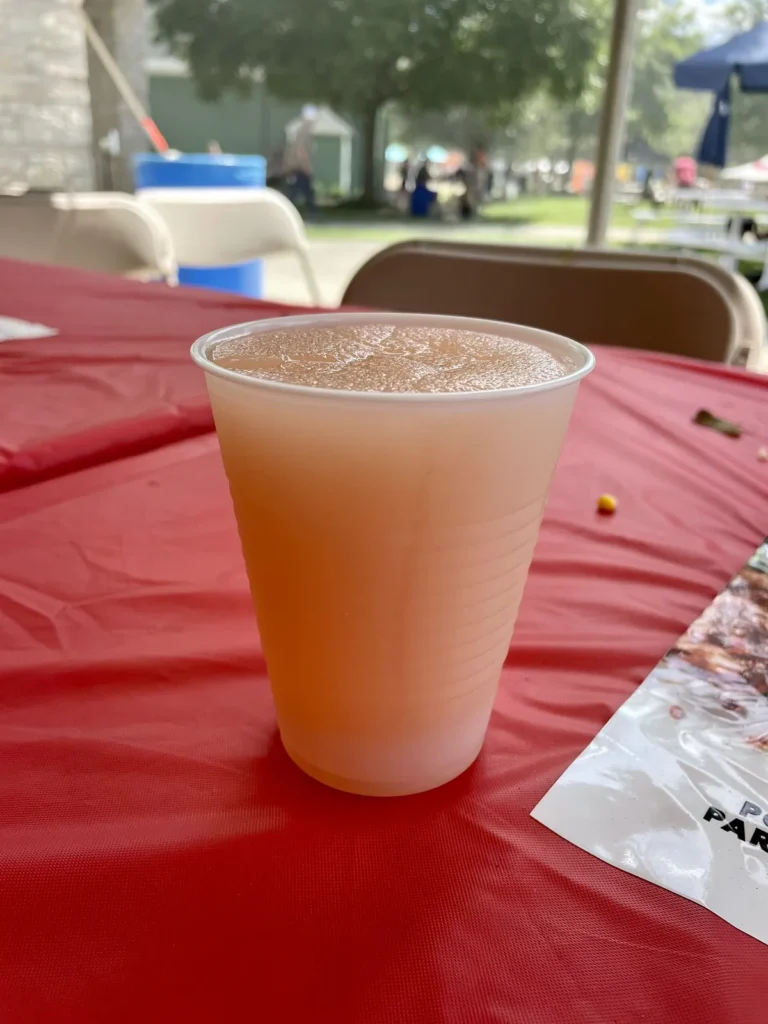
Food is the centre of gravity. Grilled bratwurst and other sausages, schnitzel, sauerkraut, potato pancakes, plate-sized soft pretzels and apple desserts are the standards, alongside German-style lagers and seasonal beers, cider, wine and non-alcoholic options. The beer garden is usually the busiest zone after dark, with long communal tables that strangers end up sharing. Most vendors take cards these days, but cash still moves faster when the queue is long.
Polka, Brass and the Evening Stage
Music runs from the first pour to the last call. Expect polka and brass bands in the afternoon, accordion players working the crowd between sets, and a shift toward cover bands and dance music in the evening. The programme usually alternates traditional German sets with crowd-pleasers, so you can hear a tuba and a guitar riff within the same hour. Stages are positioned so that seating areas still catch the sound.
Things for Kids to Do Between the Bands
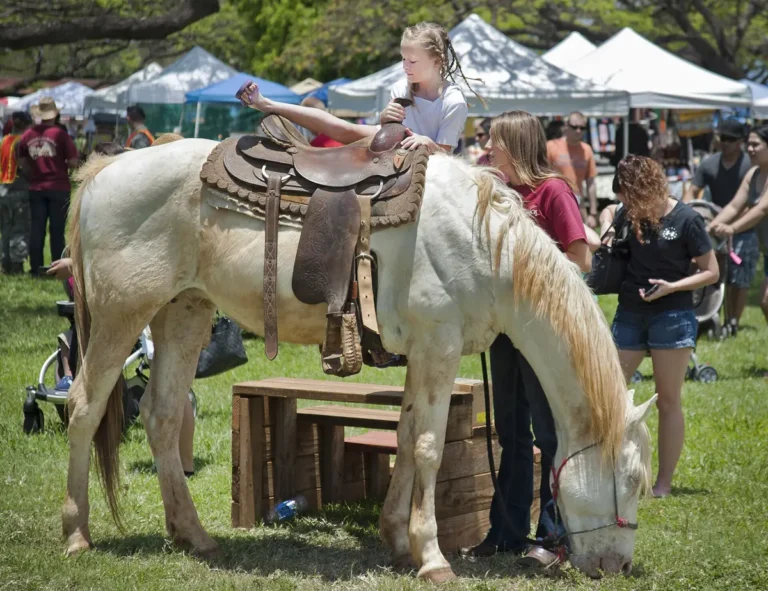
Family activities cluster in a separate zone: face painting, craft and game tables, a bounce-house-style attraction and, in season, pumpkin decorating. Root beer and pretzels keep younger visitors happy while the adults work through the beer list. The grounds are generally stroller-friendly, though crowds thicken after mid-afternoon, and a quieter corner with seating makes a useful retreat for tired children.
Planning a Peoria County Weekend Around the Festival
Peoria sits near the middle of Illinois, which makes the festival a straightforward drive from most of the state. A little forethought goes a long way.
Driving In From Across Peoria County and Beyond
Interstate 74 crosses the Illinois River at Peoria, and Route 29 runs along the riverfront, so the city is easy to reach from Bloomington, Galesburg, Springfield and the Quad Cities. Peoria International Airport serves the area for anyone flying in. Most visitors arrive by car, and even rural guests are usually on the road for an hour or less.
Where to Stay in and Around Peoria
Hotels cluster downtown, near the riverfront and along the interstate corridors, with motels and short-term rentals in Peoria Heights, East Peoria and Morton. Festival weekends fill rooms early, so book ahead if you would rather walk to the grounds than drive.
Parking Near the Festival Grounds
Downtown garages and surface lots are the default choice, and street parking disappears quickly after midday. Expect a short walk from most lots, and check whether your garage closes overnight. Rideshare drop-off points are usually set a block or two from the busiest entrances.
What Admission and Spending Look Like
Admission is typically free, with food, drink and some activities sold separately, so a festival budget is really a food-and-drink budget. Set a rough number before you go, keep some cash for smaller vendors, and remember that a stein deposit or cup fee may apply at the beer garden.
Autumn Weather on the Illinois River
Late September and early October in central Illinois can swing from warm afternoons to genuinely cold evenings, with rain always a possibility. Layers are the answer: a light jacket, comfortable shoes and a compact rain shell. Riverside sites feel noticeably cooler once the sun drops, so pack for the evening even if the afternoon looks mild.
A Sample Friday-to-Sunday Peoria Oktoberfest Weekend
Friday evening. Arrive before the dinner rush, walk the grounds once to get your bearings, then claim a table in the beer garden. Eat early, stay for the first band, and leave before the late crowd if you have a full Saturday planned.
Saturday. Spend the morning away from the festival — the riverfront, Grand View Drive or a nature trail — then return for the afternoon. This is the best window for families, with shorter food queues and space in the activity zone. Stay through the evening set if you want the full atmosphere.
Sunday. A slower day. Come for lunch, work through whatever food stall you missed, catch a brass set and be on the road before dark. It is also the easiest day to pair the festival with a Peoria museum or a walk along the river.
Peoria Oktoberfest Compared With Nearby Towns and Other Autumn Weekends
Morton, a short drive east, leans hard into its pumpkin-growing identity each autumn, which gives that town a very different seasonal flavour — squash rather than sauerkraut. East Peoria, directly across the river, offers its own community events and a quick route back into Peoria’s downtown. Peoria Heights, just up the bluff, pairs small-town scale with Grand View Drive and a cluster of independent restaurants and bars.
Set against the big Oktoberfests in the Chicago area, Peoria’s version is smaller, easier to walk and far cheaper to attend. It feels closer to a neighbourhood street party than a stadium event — which is exactly the point for visitors who want the food and music without the crush.
What to Pack and Sort Out Before Peoria Oktoberfest
| Cash and a card | Cards are widely accepted, but cash clears faster at peak times. |
| Layers and a rain shell | Warm afternoons turn into cool riverside evenings. |
| Comfortable shoes | You will stand and walk more than you expect. |
| Photo ID | Required at the beer garden, whatever your age. |
| A designated driver | Decide before the first stein, not after. |
| A parking plan | Choose a garage and note its closing time. |
| Stroller or carrier | Helpful for younger children during the afternoon. |
| The day’s schedule | Check set times so you catch the bands you want. |
Beyond the Festival: The Rest of Peoria County
Peoria rewards anyone who builds an extra day into the trip. The riverfront itself is a good starting point, with walkways, river views and boats; Grand View Drive in Peoria Heights delivers one of the best overlooks in central Illinois. Glen Oak Park and its zoo suit families, and Forest Park Nature Center offers bluff-top trails within the city limits.
Further out, Wildlife Prairie Park in Peoria County gives a taste of restored prairie and native animals, while the Caterpillar Visitors Center downtown explains the heavy-equipment industry that shaped modern Peoria. Add a stop at a local brewery or distillery and you have a weekend that reaches well past the festival gates.
Civic Life, Charity and the Peoria Oktoberfest Crowd
Festivals like this one are civic infrastructure as much as entertainment. They give local charities, service clubs, school groups and church organisations a visible fundraising window, and they put money into downtown businesses that might otherwise see a quiet autumn weekend. Volunteers do much of the work, from pouring beer to staffing the children’s area.
For Peoria County’s smaller communities, the festival is also a meeting point. Families from Chillicothe, Dunlap, Bartonville and the rural townships run into neighbours they have not seen since the summer, and newcomers get an easy introduction to the city. That social function is hard to replace and easy to underestimate.
Where Peoria Oktoberfest Sits in the County
Peoria Oktoberfest takes place in the Peoria County area, centred on the city of Peoria — the county seat — on the Illinois River in central Illinois.
Practical Answers About the Peoria Oktoberfest Weekend
When does Peoria Oktoberfest usually take place?
Most years the festival falls on a weekend in late September or early October, which puts it at the front end of the autumn event season in central Illinois. Because it is an outdoor event, organisers watch the forecast closely and the exact weekend can shift from year to year. Check local listings closer to the date before you book a hotel.
Do I have to pay to get in?
Admission is typically free. You pay for what you consume — food, beer, cider, soft drinks and any paid activities — so the total cost of the day depends on your appetite. Bring a mix of cash and card, since smaller stalls sometimes prefer one over the other.
Is the festival suitable for children?
Yes. Family activities are part of the programme, and the grounds are walkable with a stroller. Afternoon hours are calmest; the beer garden grows louder and busier after dark, so families often plan an early visit and head home before the evening sets begin.
What is the best time to arrive?
Arriving just as the gates open gives you the shortest food queues and the easiest parking. Mid-afternoon is the busiest stretch, and the evening brings the largest music crowds. If you are driving in from outside Peoria, aim to be parked an hour before the entertainment you most want to see.
The Next Few Autumns for Peoria Oktoberfest
Downtown Peoria has been steadily adding reasons to spend an evening on the riverfront, and the festival benefits from that momentum. Expect continued emphasis on family programming, more local food and drink vendors, and volunteer recruitment as the event grows. Weather remains the one variable no organiser can control, and a wet weekend can reshape the layout at short notice. Through all of it, free admission and an open, walkable footprint are likely to stay the defining features of the Peoria version.
Last updated: October 2026
Peoria Oktoberfest is not the biggest celebration of its kind, and it does not try to be. It is a two-hundred-year-old river town doing what it has always done in autumn: setting out food, filling a few glasses and inviting the county to sit down together. Come for the bratwurst, stay for the brass, and leave with a better sense of why Peoria keeps its autumn calendar so full.

One Comment