Penobscot County Maine American Folk Festival
For fifteen summers the Bangor waterfront filled with music carried across the Penobscot River, as dancers, storytellers and craftspeople shared traditions from many cultures on the same downtown ground. The American Folk Festival turned Waterfront Park into a meeting place where a visitor could hear a fiddle tune, watch a dance from another continent and taste food from a distant kitchen within a single afternoon, without paying at the gate. The last of those weekends came in August 2019, when the organisers announced that the edition then under way would be the final one, and the nonprofit behind it dissolved at the end of that year.
About
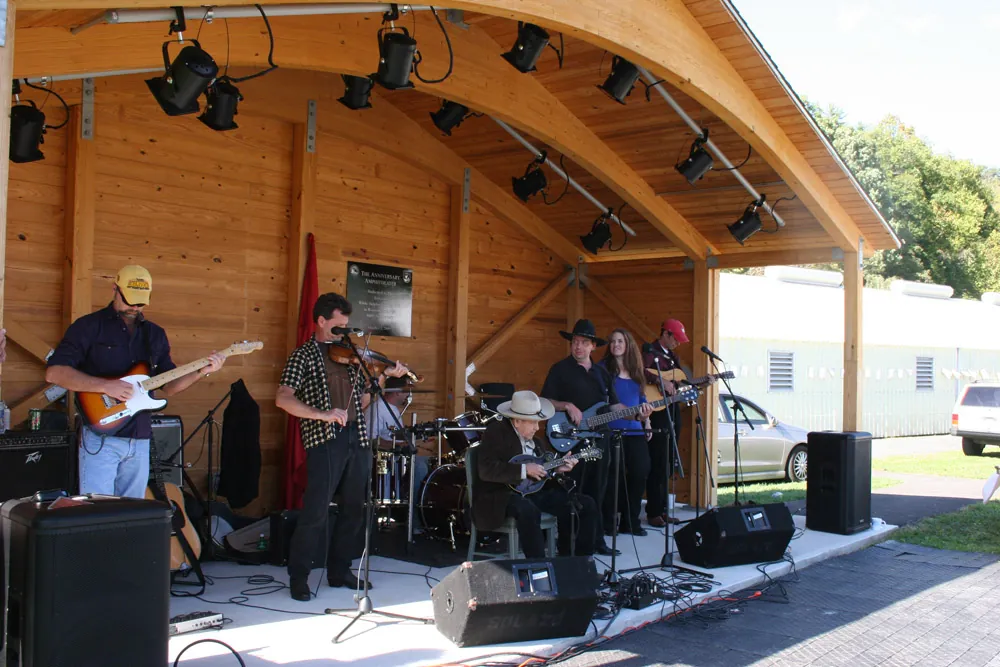
The American Folk Festival was a free, open-air celebration of folk music, dance, craft and food held on the Bangor Waterfront in downtown Bangor, Maine. Its published name was simply American Folk Festival, and it took place in Waterfront Park on the banks of the Penobscot River, with stages set against the river and the city’s downtown close behind them. The festival was run by the American Folk Festival nonprofit organisation, and a university alumni layer records that the tradition was introduced in partnership with the University of Maine, a connection that stayed visible through the festival’s Folklife Area and its ties to the university’s museum community.
The programme brought together music and dance from many cultures, alongside crafts, food, storytelling, a Folklife Area, a marketplace and food court, a dance pavilion and, in the 2017 edition, a parade that opened the weekend. Admission was free, with a suggested donation, per a university museum calendar layer for 2016 and a local-news layer for 2013, and no gate charge was recorded in any layer read. The festival ran in late August, most often across three days from Friday through Sunday, and its final edition, held from 23 to 25 August 2019, featured three stages and fourteen acts.
Quick Facts
| Item | Detail |
| Festival | American Folk Festival |
| County | Penobscot County, Maine |
| Host town | Bangor |
| County seat | Bangor |
| Venue | Bangor Waterfront and Waterfront Park, downtown Bangor |
| Setting | On the Penobscot River |
| Organiser | American Folk Festival nonprofit organisation |
| Final edition | 23 to 25 August 2019 |
| Admission | Free, with a suggested donation |
| Status | Discontinued after the 2019 edition |
History
The festival’s story begins with a visit rather than a founding: a lodging-guide layer records that the National Folk Festival held a three-year residency in Bangor from 2002 through 2004, bringing its travelling celebration to the city’s waterfront. When that residency ended, Bangor kept the idea and made it local, and an events-guide layer dates the founding of the American Folk Festival to 2005.
The two accounts are left as the layers state them, without being merged into a single claim: the residency explains where the festival came from, and the 2005 founding explains when the Bangor festival began under its own name. What followed was a free, three-day gathering on the waterfront, built around music and dance from many cultures, with crafts, food and storytelling filling the spaces between the stages.
For a useful comparison, see the Oxford County Maine Oxford Hills Trees Festival for another county festival.
The earliest dated edition in the layers read is 24 to 26 August 2012. A local-news layer reported the 2013 edition, held from 23 to 25 August, with sixteen musical acts over three days. A university museum calendar layer records the Folklife Area’s presence on 27 to 28 August 2016, and a radio layer lists performers for the edition of 25 to 27 August 2017, which opened with a parade. The final edition ran from 23 to 25 August 2019, with three stages and fourteen acts.
That final edition was announced as the last, and a festival-tracking layer citing local-news reporting records that the nonprofit dissolved at the end of 2019, after a sustained decline in fundraising and in the festival’s size. No later edition is documented. The festival therefore stands as a completed chapter: fifteen years of late-summer weekends on the Bangor waterfront.
What to Expect
A visitor arriving at Waterfront Park during the festival would have found the river on one side and the music on the other. Three stages carried the final edition’s fourteen acts, and earlier editions filled the same ground with a comparable spread of performers. The music came from many cultures, and the dance did too, with a dance pavilion giving movement its own home apart from the main stages. Between performances, the Folklife Area offered a quieter kind of encounter, where craftspeople demonstrated traditional skills and visitors could watch, ask questions and learn how a craft was made rather than simply buying the finished piece.
Food was central to the weekend: the marketplace and food court gathered vendors whose cooking reflected the same range of cultures as the stages, so a walk through the food court was itself a kind of tour. Storytelling added another layer, with tellers sharing tales from the traditions the festival celebrated. In 2017, a parade opened the weekend, setting the tone before the stages took over. Because entry cost nothing beyond a suggested donation, the festival belonged to anyone who walked down to the waterfront, and the crowd mixed families, university students, visitors from elsewhere in Maine and passing travellers.
Planning Your Visit
Bangor is the county seat of Penobscot County and the natural base for any visit to the waterfront where the festival was held. Waterfront Park sits in downtown Bangor on the Penobscot River, within easy walking distance of the city’s centre, so a visitor can reach the park on foot from downtown hotels, restaurants and shops. The festival itself no longer takes place, so a visit now is a visit to the place rather than the event: the park, the riverfront walk and the downtown streets that once filled with festival crowds.
Anyone retracing the festival’s weekends should plan around late August, the season of every dated edition: the documented editions run from 24 August to 28 August, always in the last full week of the month, and the three-day Friday-through-Sunday pattern held for 2012, 2013 and 2019. A visitor in that season will find the same warm late-summer weather and long evenings on the river. Because the festival charged no gate fee, a modern visitor can still spend a day at the waterfront for the cost of a meal. The University of Maine, whose alumni layer records the partnership that introduced the festival tradition, sits a short drive north in Orono.
Sample Itinerary
A day spent in the spirit of the festival’s documented weekends might begin in the morning at the Folklife Area, where craftspeople demonstrated their skills and visitors could watch a tradition being made by hand. From there, a walk through the marketplace would show the range of crafts on offer, with stalls reflecting the many cultures the festival brought together. Midday would belong to the food court, where vendors served dishes from the traditions represented on the stages, and where a visitor could eat lunch while listening to music drifting across the park.
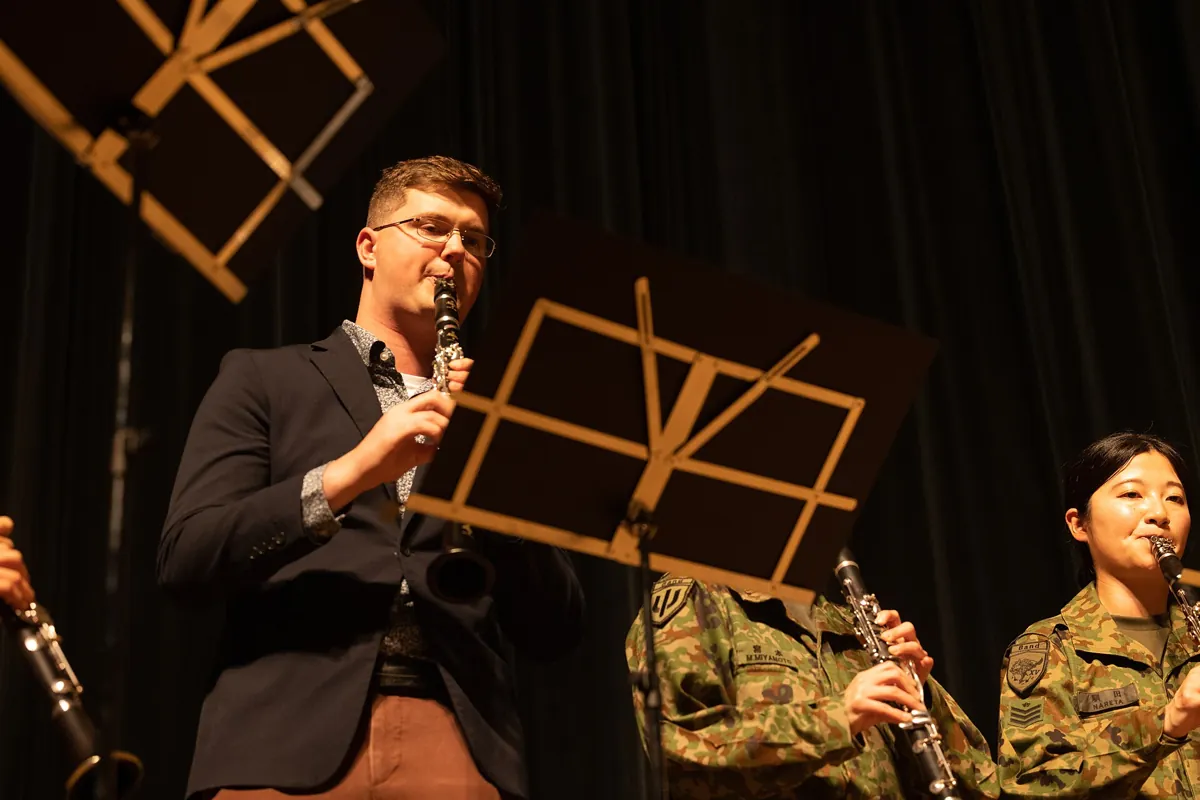
The afternoon would be given to the stages. With three stages in the final edition and fourteen acts across the weekend, a visitor could move between performances, catching a set on one stage and then crossing the park to hear something entirely different on another. The dance pavilion offered a change of pace, with movement rather than song taking the lead. Evening would bring the music to its fullest, with the stages carrying the day’s strongest performances as the light fell over the Penobscot. A full weekend would repeat the pattern across three days, with different acts each day and the marketplace, food court and Folklife Area returning throughout.
Comparison
The festival most often confused with the American Folk Festival is the National Folk Festival, and the two names describe different things: the National Folk Festival was the travelling event whose three-year residency in Bangor ran from 2002 through 2004 and introduced the folk festival tradition to the city. The American Folk Festival was the local festival that followed it, founded in 2005 under its own name and run by its own nonprofit organisation. The residency was the seed; the Bangor festival was what grew from it.
Folk festivals in other towns are likewise different events, even when they share the same broad purpose. The American Folk Festival belonged to Bangor’s waterfront, its late-August dates and its partnership with the University of Maine, and none of those particulars travels elsewhere. Within Bangor itself, the festival stood apart from the city’s other large gatherings: the Maine Harvest Festival is a November event held indoors at the Cross Insurance Center, built around Maine farmers, food producers and makers, while the folk festival was an August outdoor gathering on the riverfront built around music and dance from many cultures.
Checklist
- Walk Waterfront Park on the Penobscot River, where the festival’s stages once stood
- Follow the riverwalk along the downtown waterfront in late August, the festival’s season
- Look for the university connection, through the Folklife Area’s museum ties
- Remember the festival asked only for a suggested donation at the gate
- Plan for a full weekend, since the documented editions ran Friday through Sunday
- Expect music from many cultures, rather than a single tradition
- Leave time for the marketplace, the food court and the Folklife Area between stage sets
- Check downtown Bangor’s restaurants and shops, a short walk from the park
- Remember the festival ended in 2019, so no current edition is scheduled
- Read the record of the final edition, three stages and fourteen acts, before visiting the site
Beyond the Festival
The waterfront that hosted the festival remains one of Bangor’s defining places. Waterfront Park sits on the Penobscot River in the heart of downtown, and the river itself has shaped the city from its earliest days as a lumber port through its present life as the commercial centre of central and northern Maine. A visitor standing in the park can see the working river, the downtown skyline and the bridge crossings that tie the city to the towns across the water, all within a short walk.
The University of Maine’s role in the festival points to a wider story. The university, in Orono just north of Bangor, is the state’s flagship campus, and its museum community contributed to the festival’s Folklife Area, bringing academic attention to the living traditions the festival celebrated. That partnership gave the festival a depth beyond entertainment: the crafts demonstrated in the Folklife Area were presented as knowledge worth preserving, not only as goods worth buying. Downtown Bangor rewards a longer stay, with restaurants, shops and cultural venues a short walk from the waterfront that served festival visitors during the event’s run.
Why It Matters
The American Folk Festival mattered because it made the world’s traditions feel at home on a Maine riverfront. For fifteen years it offered Bangor a free, open gathering where music and dance from many cultures shared the same park, and where the city’s own residents could encounter traditions they might never otherwise have met. The free admission, with only a suggested donation, meant the festival belonged to everyone who came down to the water, and that openness was part of its character rather than an afterthought.
It mattered also because it showed how a travelling event can take root. The National Folk Festival’s residency lasted three years; the Bangor festival that followed lasted fifteen. The university partnership, the Folklife Area and the marketplace together gave the festival a structure that was both celebratory and educational, presenting folk traditions as living practices rather than as museum pieces. Its ending matters too, as a record of how fragile such efforts can be: the nonprofit dissolved at the end of 2019 after a sustained decline in fundraising and in the festival’s size, and the final edition was announced as the last before it began.
Frequently Asked Questions
Why did the American Folk Festival end after 2019?
The 2019 edition, held from 23 to 25 August, was announced as the last before it took place, and a festival-tracking layer citing local-news reporting records that the nonprofit dissolved at the end of 2019, after a sustained decline in fundraising and in the festival’s size. No later edition is documented.
What role did the University of Maine play in the festival?
A university alumni layer records that the festival tradition was introduced in partnership with the University of Maine, following the National Folk Festival’s three-year residency in Bangor from 2002 through 2004. A university museum calendar layer records the Folklife Area’s presence at the 2016 edition.
What could visitors find in the Folklife Area?
The Folklife Area was the festival’s home for traditional crafts and the people who practised them: craftspeople demonstrated their skills, and visitors could watch, ask questions and learn how a tradition was carried on. A university museum calendar layer records its presence on 27 to 28 August 2016, alongside the marketplace, the food court and the dance pavilion.
How did the National Folk Festival residency lead to the Bangor festival?
The National Folk Festival held a three-year residency in Bangor from 2002 through 2004, according to a lodging-guide layer, bringing its travelling celebration to the city’s waterfront. When that residency ended, Bangor kept the idea and made it local: an events-guide layer dates the founding of the American Folk Festival to 2005, and the new festival ran under its own name from that point forward. The two accounts are left as the layers state them, without being merged into a single claim.
What to Expect From the Next Penobscot County Maine American Folk Festival
How often is Penobscot County Maine American Folk Festival held?
The festival was held once each year in late August, with documented editions running from 24 August to 28 August across 2012, 2013, 2016, 2017 and 2019. The 2019 edition was announced as the last, the nonprofit dissolved at the end of that year, and no edition after 2019 is documented.
When is the next Penobscot County Maine American Folk Festival?
No next edition is documented. The final edition ran from 23 to 25 August 2019, with three stages and fourteen acts, and the nonprofit dissolved at the end of 2019. Nothing in the layers read announces a return, a revival or a future date.
Will the dates change?
No dates are announced for any future edition, so there is nothing to change. The documented dates all fall in late August, most often across three days from Friday through Sunday, and the last was 23 to 25 August 2019. Any future gathering under this name would be a new event rather than a continuation.
The American Folk Festival gave Bangor fifteen late-August weekends on its waterfront, free to anyone who walked down to the river, and then it ended with the same openness it had shown throughout: a final edition, announced as the last, and a nonprofit that closed its books at the end of 2019.