Orleans Parish Louisiana Freret Street Festival
Freret Street in Uptown New Orleans turns into a long open-air gathering when the Freret Street Festival takes over the roadway. Three stages sound from different points along the route, food courts serve dishes from kitchens that line the corridor, and more than two hundred local vendors and artists set out tables under the live oaks. The Rotary Club of New Orleans Riverbend owns and produces the gathering, and entry is free. It offers a direct introduction to Uptown New Orleans, one street at a time.

About
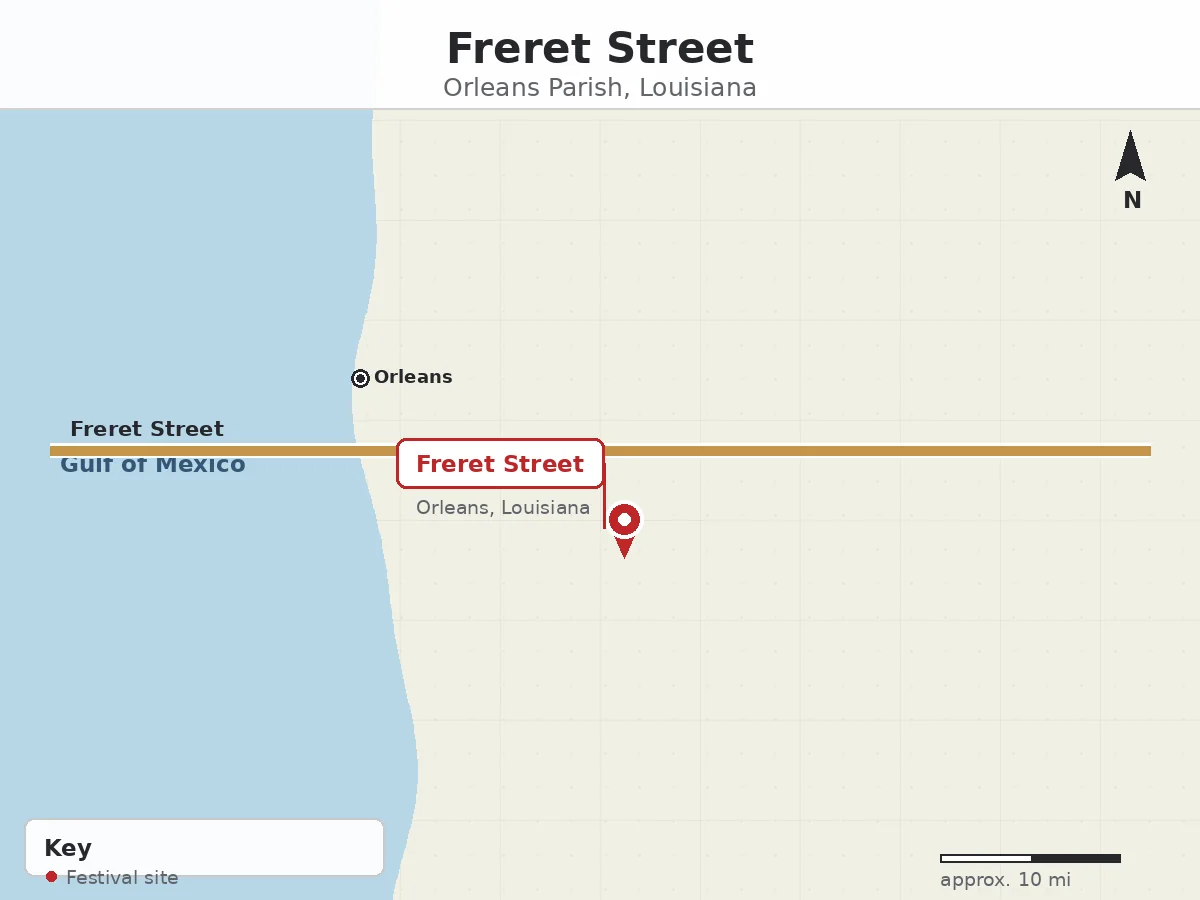
The Freret Street Festival is a neighbourhood street festival in Uptown New Orleans, in Orleans Parish, where parish and city are one and the same, so the host city is also the parish seat. The event takes place along Freret Street, from Napoleon Avenue to Valmont Street, a span closed to traffic for the day. An encyclopedia layer gives the spring form as the stretch between Napoleon Avenue and Soniat Street, a slightly shorter run of the same corridor. The Rotary Club of New Orleans Riverbend, a service club, owns and produces the festival. The most recent dated edition fell on Saturday 31 October 2026, from eleven in the morning until six in the evening, and the edition before it fell on Saturday 1 November 2025, at the same hours, billed in its twenty-fifth year. Earlier editions were held in spring, with a travel-guide layer placing the festival on the first Saturday of April, while the 2025 edition was first scheduled for 29 March before a weather postponement moved it into the autumn. The programme holds three stages of live music featuring rock, swamp pop, and brass bands, six food courts, more than two hundred local vendors and artists, a children’s play area, a petting zoo, alligator encounters, arts and crafts, and appearances by Mardi Gras Indians and dancers. The name is printed in the record as the Freret Street Festival, and a university layer also bills it as Freret Fest. The street itself is a working commercial corridor, and the festival borrows its shopfronts, patios, and sidewalks for the day. Two things sharing the street’s name are not part of the festival: the Krewe of Freret is a Mardi Gras krewe, and the monthly Freret Market is a separate recurring market on the same street.
Quick Facts
| Detail | Information |
| Festival name | Freret Street Festival, also billed Freret Fest |
| Parish and city | Orleans Parish, New Orleans, which is the parish seat |
| Venue | Freret Street, from Napoleon Avenue to Valmont Street, Uptown New Orleans |
| Spring-form stretch | Freret Street, between Napoleon Avenue and Soniat Street |
| Organiser | Rotary Club of New Orleans Riverbend |
| Most recent dated edition | Saturday 31 October 2026, eleven in the morning to six in the evening |
| Previous dated edition | Saturday 1 November 2025, eleven in the morning to six in the evening |
| Admission | Free to attend |
| Live music | Three stages featuring rock, swamp pop, and brass bands |
| Vendors and artists | More than two hundred local vendors and artists |
History
The history of the festival carries two different accounts of its beginning, and both are printed in the record. A tour-guide layer says the festival first started in 2007, in the years when Freret Street was rebuilding its commercial life. A university press layer, by contrast, bills the 2025 edition as falling in the festival’s twenty-fifth year, a billing that would point to a much earlier start if converted into a founding date, which it is not here. The two accounts are left standing side by side, as the layers print them, and no founding year is derived from either one. The 2025 edition was first set for 29 March, in keeping with the earlier placement on the first Saturday of April, and a weather postponement pushed it to Saturday 1 November 2025. The following edition, on Saturday 31 October 2026, kept the autumn placement and the same hours, eleven in the morning until six in the evening. Through those changes the festival has kept its shape: a street closed to cars, stages along the route, food courts, and a long line of vendor tables. The Rotary Club of New Orleans Riverbend has owned and produced the event throughout the period the record covers.
What to Expect
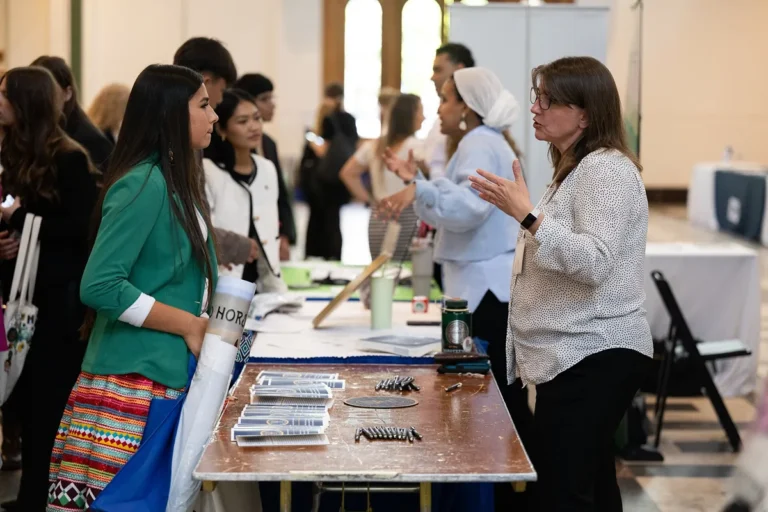
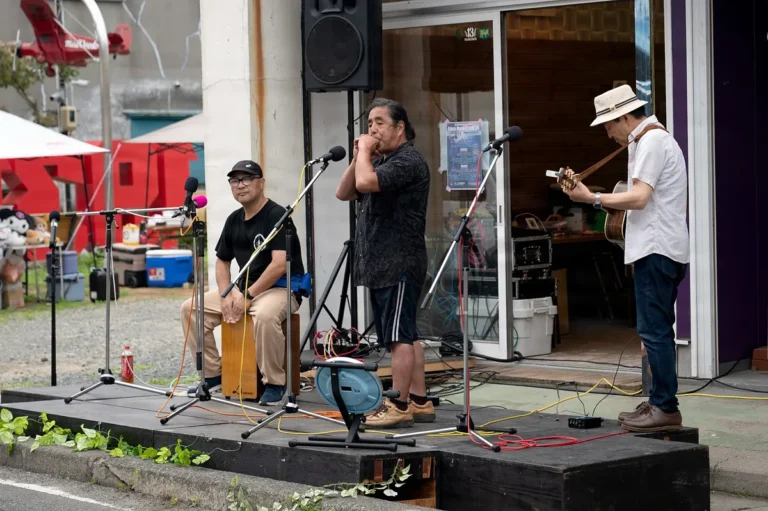
Arriving at the festival means stepping onto a closed street where the whole corridor becomes a promenade for the day. Three stages of live music anchor the route, with rock, swamp pop, and brass bands rotating through the hours. Six food courts spread along the festival, drawing on the kitchens of the corridor and on visiting vendors. More than two hundred local vendors and artists set out tables with handmade goods, prints, jewellery, clothing, and crafts. Children have their own territory in the form of a play area, and a petting zoo lets younger visitors meet animals up close, while alligator encounters add a distinctly Louisiana note. Arts and crafts run through the whole day, from the vendor tables to hands-on activity, and visitors can drift between the stages without a timetable. Mardi Gras Indians and dancers move through the festival in bursts of colour and rhythm, and their appearances give the day a ceremonial lift. Because the festival occupies a real commercial street, the shops and restaurants along Freret Street stay part of the picture, their doors open and their patios spilling into the crowd.
Planning Your Visit
The festival closes the stretch from Napoleon Avenue to Valmont Street, so cars cannot drive through the event and visitors arrive on foot from the edges of the closure. Entry is free, so there is no ticket to buy in advance, and the budget for the day is whatever you choose to spend on food, drink, and the vendor tables. Arriving near the eleven o’clock opening gives you the quietest hour, while the middle of the afternoon brings the largest crowds and the fullest sound from all three stages. Comfortable shoes matter, because the festival is a walking event on pavement, with shade coming in patches from the trees and awnings along the corridor. A light layer helps if the afternoon cools toward the six o’clock close. Cash and cards are both useful along a street of independent vendors. Because the festival is a neighbourhood event, the streets around it remain residential, so visitors should be mindful of driveways, porches, and the people who live along the route. The 2025 edition’s move from a planned March date to November after a weather postponement is a reminder that the calendar can shift.
For a useful comparison, see the Orleans Parish Louisiana Satchmo SummerFest Festival for another county festival.
Sample Itinerary
A good day starts at eleven in the morning at the Napoleon Avenue end of the street, where the first stage is already playing and the vendor tables are freshly laid out. Spend the first hour walking the full length of the corridor to Valmont Street, taking in the three stages, the six food courts, and the vendor tables. On the walk back, stop at the children’s play area and the petting zoo, and linger at the alligator encounters. By midday, settle in front of the stage whose music suits you best and stay for a full set while you eat from the nearest food court. The early afternoon is the right time to browse the vendor tables and talk with the artists and makers behind the work. Mid-afternoon brings the Mardi Gras Indians and dancers through the street, and that is a moment to stop walking and watch. In the final hour before the six o’clock close, take a slower loop back along the street and let the last sets of music carry the day toward its end.
Comparison
Unlike the large French Quarter festivals that draw national crowds, Freret Street keeps its scale to a single Uptown corridor, and the audience is far more local. Compared with the city’s big music festivals, which charge for entry and build their days around headliners, this festival is free, and its three stages share the billing rather than ranking it. Against the monthly Freret Market, a separate recurring market on the same street, the festival is a much larger occasion, closing the road entirely and adding stages, food courts, and family activities. The Krewe of Freret, another namesake on the same street, is a Mardi Gras krewe with its own parade tradition in Carnival season, and it is not this street festival. Set beside other Uptown gatherings, the festival stands out for its more than two hundred vendors and artists, which turns the street into a market as much as a music event. Its ownership by the Rotary Club of New Orleans Riverbend also sets it apart, since a service club rather than a commercial promoter runs the day.
Checklist
- Arrive on foot from the edge of the closure, since Freret Street is closed to traffic between Napoleon Avenue and Valmont Street
- Come near the eleven o’clock opening for the quietest hour, or mid-afternoon for the fullest crowds
- Wear comfortable shoes for a day of walking on pavement along the full corridor
- Find the children’s play area and the petting zoo early, before queues build
- Catch the alligator encounters while the crowd around them is still thin
- Stop and watch when the Mardi Gras Indians and dancers move through the street
- Check the date close to the event, since the 2025 edition moved from March to November
Beyond
The festival rewards visitors who look past the stages and the food courts to the street itself, one of Uptown’s most interesting commercial corridors. The restaurants, bars, shops, and galleries along the route are open during the festival, and their patios become part of the event. Uptown stretches well beyond the closed stretch of Freret Street, and its oak-lined avenues and historic houses repay a walk once the festival ends at six. The street’s name also carries into the rest of the year, through the monthly Freret Market and through the Krewe of Freret, which carries the name into Carnival season with its own parade. Those three uses of the name belong to three different calendars, and knowing them apart helps a visitor understand how one street can host a market, a krewe, and a festival. The day ends at six, but the street remains, and returning to Freret Street on an ordinary evening, when the restaurants are full and the porches are lit, shows the corridor that the festival borrows for a day and gives back at dusk.
Significance
The Freret Street Festival matters because it shows how a neighbourhood street can become a public square for a day, without charging anyone to enter. Its significance is civic as much as musical, since the Rotary Club of New Orleans Riverbend owns and produces the event. The festival also keeps Uptown’s commercial life visible, putting the restaurants, shops, and galleries of Freret Street at the centre of the day. More than two hundred local vendors and artists take part, and that scale turns the street into a marketplace where makers sell their own work face to face, which supports small creative businesses in a direct and practical way. The festival’s move from a spring placement on the first Saturday of April to autumn dates in late October and early November shows a neighbourhood event adapting to weather and circumstance. The two accounts of the festival’s beginning, one placing its start in 2007 and the other billing the 2025 edition in its twenty-fifth year, show how a local event’s story can live in more than one version. For New Orleans, the Freret Street Festival adds a distinctly Uptown voice, smaller and closer than the grand French Quarter gatherings.
Frequently Asked Questions
What makes the Freret Street Festival different from other New Orleans street events?
The festival takes over a single Uptown corridor, Freret Street between Napoleon Avenue and Valmont Street, and fills it with three stages of live music, six food courts, and more than two hundred local vendors and artists, all free to attend. Its ownership by the Rotary Club of New Orleans Riverbend gives it a civic character, and the crowd is largely local.
How do the spring and autumn dates fit together in the festival’s story?
Earlier editions were held in spring, on the first Saturday of April, and the 2025 edition was first scheduled for 29 March before a weather postponement moved it to Saturday 1 November 2025. The following edition fell on Saturday 31 October 2026, keeping the autumn placement.
What should families with young children look for during the day?
Families will find a children’s play area and a petting zoo along the street, along with alligator encounters, and the festival’s free admission makes it easy to come and go with children. Arriving near the eleven o’clock opening helps, since the play area and the petting zoo gather queues as the afternoon goes on.
Is the Krewe of Freret part of the Freret Street Festival?
No, the Krewe of Freret is a Mardi Gras krewe, a separate organisation with its own parade tradition in Carnival season, and it is not the street festival. The monthly Freret Market is also separate, a recurring market held on the same street.
What to Expect From the Next Orleans Parish Louisiana Freret Street Festival
How often is Orleans Parish Louisiana Freret Street Festival held?
The record documents one edition per year in the recent period, with dated editions on Saturday 1 November 2025 and Saturday 31 October 2026, and earlier editions placed in spring on the first Saturday of April. The pattern to watch is a single gathering each year, with its season confirmed close to the date.
When is the next Orleans Parish Louisiana Freret Street Festival?
The layers read run to Saturday 31 October 2026, and no edition after that date appears in them, so no date for a following edition can be given here. The date of the next gathering should be checked close to the event, since the 2025 edition moved from March to November after a weather postponement.
Will the dates change?
The dates have already changed within the record, with the 2025 edition moving from a planned March date to November after a weather postponement. Any future edition could shift again, so visitors should confirm the date near the time of the event.
The Freret Street Festival leaves visitors with a clear sense of Uptown New Orleans at its most open, a street closed to cars and filled with music, food, art, and neighbours for a single long afternoon. Three stages, six food courts, and more than two hundred vendor tables turn a commercial corridor into a public celebration, and that closeness is what brings people back to Freret Street year after year.
One Comment