Ogle County Illinois Autumn on Parade Festival
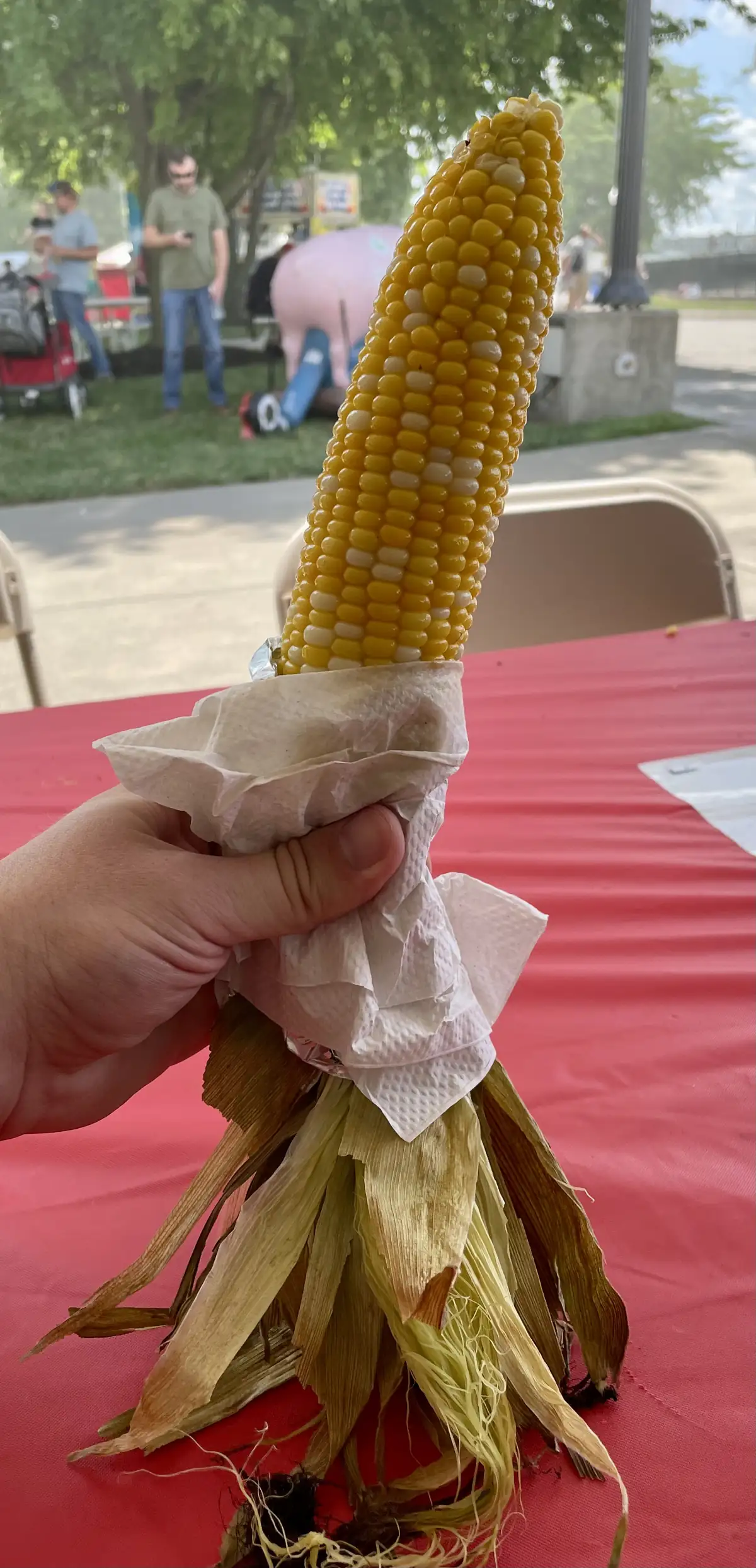
In Ogle County, autumn shows up in the fields before it shows up on the calendar. Corn dries down, the bluffs above the Rock River turn rust and amber, and the small towns start hanging banners. That’s the season when Autumn on Parade takes over the Oregon area for a weekend and the county’s quiet corners fill with folding chairs, parade traffic, and the smell of cider and fryer oil.
It’s a hometown festival in the truest sense — the kind where you run into your dentist in the parade lineup and your neighbor selling pie two booths down. Here’s what the weekend looks like, how to plan around it, and why a county of 763 square miles keeps coming back to the same fall tradition.
Autumn on Parade at a Glance in Ogle County
| Town / area | The Ogle County area, anchored by the county seat of Oregon |
| County | Ogle County, Illinois |
| County seat | Oregon |
| Population | Rural and small-town communities spread across the county |
| Region | Northern Illinois |
| Typical timing | A weekend each autumn, usually in October |
| Admission | Generally free; some activities charge small fees |
| Setting | Small-town streets, park grounds, and open countryside along the Rock River valley |
| Features | Parade, craft and food vendors, live entertainment, family activities |
| Organizer | Local volunteer committees and community groups |
What the Ogle County Autumn on Parade Actually Is
Autumn on Parade is Ogle County’s signature fall gathering — an annual weekend built around a hometown parade and the kind of festival grounds that feel borrowed from a postcard. Activity centers on the county seat of Oregon and the community spaces around it, with vendors, food stands, and entertainment spread across a walkable area.
At its core the weekend is simple: a parade, booths, food, live entertainment, and room for kids to run. There’s no gate fee in most years, no wristband needed to stroll the grounds, and no pressure to do anything but wander and eat.
What makes it work is the scale. Ogle County stretches across 763 square miles of northern Illinois farmland, river bluffs, and small towns, and its residents are spread thin. A festival here becomes a genuine meeting point — one of the few weekends when people from across the county end up on the same few blocks.
For another look at how a community turns its own traditions into a gathering, see the Moultrie County Illinois Sullivan Rotary Corn Festival for a useful comparison.
How a County Founded in 1836 Built an Autumn Tradition
Ogle County was founded on January 16, 1836, carved out of northern Illinois at a moment when the region was filling quickly with settlers moving along the Rock River valley. Oregon became the county seat, and the surrounding prairie was broken into farms that still define the landscape today.
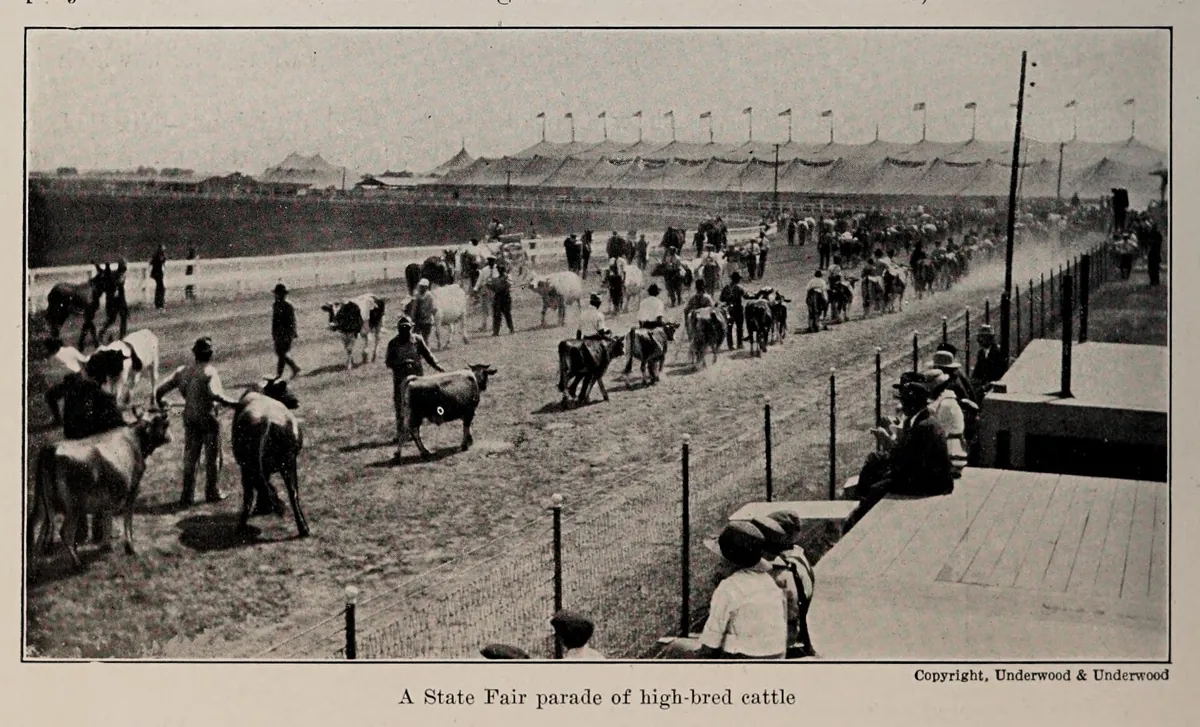
Autumn celebrations came naturally to a place like this. Harvest season was when rural communities gathered — church suppers, threshing crews, grange meetings, county fair exhibitions. Autumn on Parade descends from that same impulse: mark the end of the growing season, before winter closes the roads and the fields go quiet, and do it together.
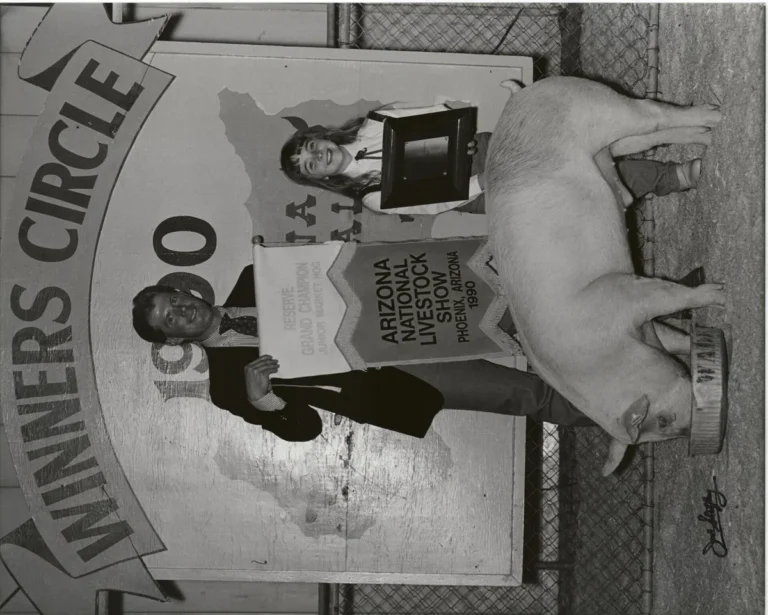
The modern festival keeps the structure and softens the edges. Instead of threshing crews, there are craft booths. Instead of a livestock ring, there’s a parade down the main street. The purpose hasn’t shifted much: a small county, a good weekend, and a reason to come into town.
The Rhythm of a Parade Weekend in Ogle County
A parade weekend has a predictable arc. Mornings are for coffee and claiming a curb spot. Midday belongs to the parade and the food lines. Afternoons drift into music and browsing, and evenings thin out as the temperature drops.
What’s Cooking Along the Vendor Rows
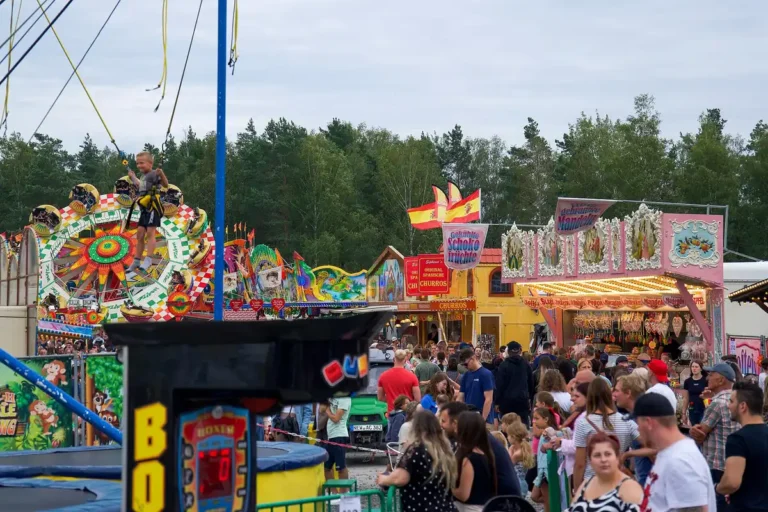
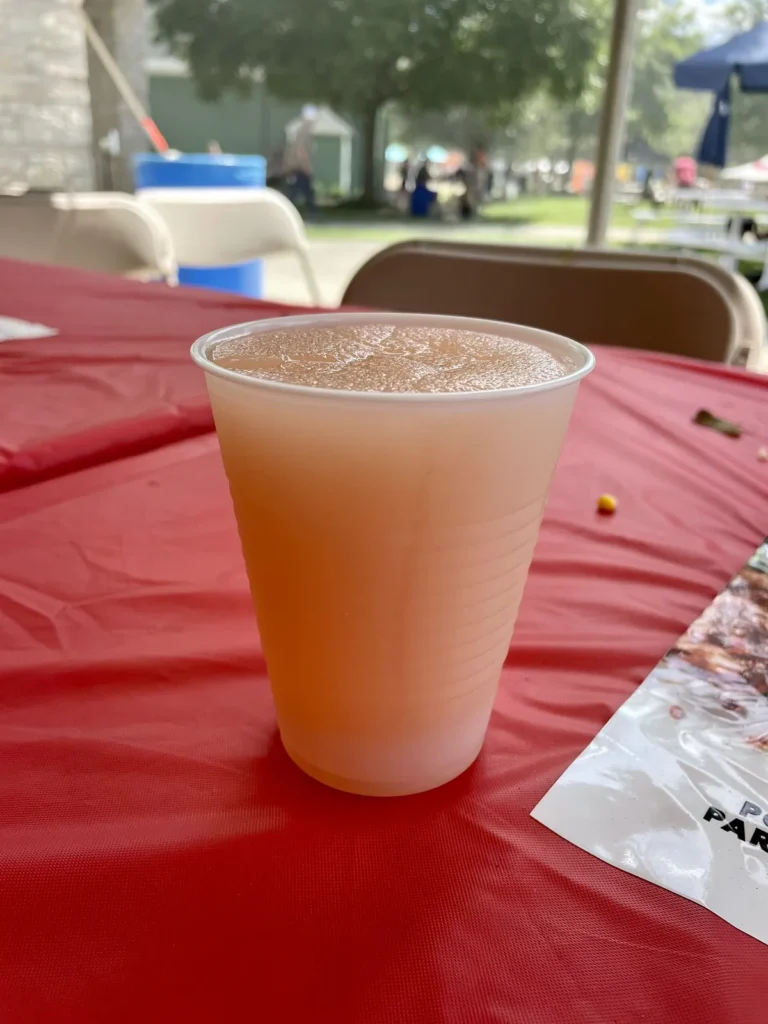
Fair food is a big part of the draw. Expect the standard northern Illinois lineup — bratwurst and pork chop sandwiches, corn dogs, elephant ears, kettle corn, walking tacos, and something with pumpkin in it — alongside church and civic groups selling pie, chili, and baked goods. Cash is still handy at smaller booths, and lines move fastest before the parade steps off.
Live Music and the Sound of a Saturday Afternoon
Entertainment typically runs through the afternoon on a stage or in a park setting, with local and regional acts — cover bands, country, classic rock — plus school choirs or dance groups earlier in the day. Treat it as background music as much as a show; the point is having something playing while people eat and talk.
Family Activities for Kids and Grandparents Alike
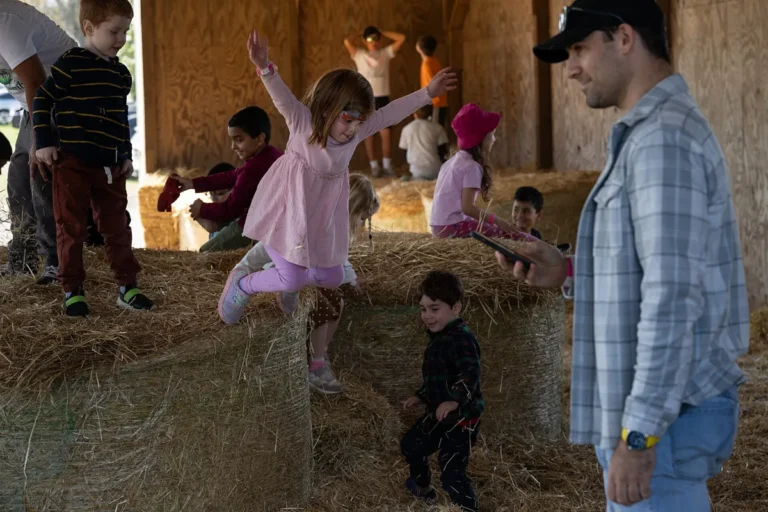
This is a genuinely kid-friendly weekend. Parades are short enough to hold a child’s attention, and family offerings usually include inflatables, games, face painting, and craft projects, with pony rides or a petting area in some years. Strollers handle the paved areas fine; grass lots get soft after rain. Bring a blanket and claim your parade spot early.
Getting to Oregon, Illinois and Planning Your Stay
Driving In From Across Northern Illinois
Oregon sits along Illinois Route 64, with Interstate 39 running north–south through Ogle County. Nearly everyone arrives by car, since there’s no practical rail or bus service to the immediate area. From the east or west, Route 64 takes you straight into town; from the north or south, take I-39 to Route 64.
Where to Stay Around Ogle County
Overnight options in the immediate area are limited and book early for parade weekend. The nearest cluster of chain hotels sits along the I-39 corridor, with more choices in Rockford to the northeast and Dixon to the southwest. A handful of independent inns and bed-and-breakfasts operate in the county’s smaller towns, and nearby state park campgrounds fill quickly in October.
Parking Without the Headache
Plan on side-street and lot parking, then a short walk. The closer you get to the parade route, the earlier spaces disappear, so arrive well before the parade. Follow temporary signage and volunteer direction, and never block driveways or farm entrances. Note where you parked — streets fill in fast.
What It Costs
Admission to the grounds is generally free. Budget for food, drinks, craft purchases, raffle tickets, and any carnival-style activities, which usually charge per ride or per game. Bring small bills as well as a card, since vendor policies vary.
Weather: Dressing for a Northern Illinois October
October here is a coin flip. Days can reach the 60s and low 70s; evenings can drop into the 30s. Rain is always possible, and wind off the open farmland makes it feel colder than the thermometer claims. Layers, a real jacket, closed-toe shoes, and an umbrella you don’t mind losing are the smart play.
A Two-Day Sample Itinerary for Autumn on Parade
Saturday. Arrive mid-morning, park a few blocks out, and grab coffee downtown. Browse the vendor rows before the crowds thicken, then claim a curb spot thirty to forty minutes before the parade. Watch the parade, eat lunch from the food stands, and spend the afternoon drifting between the entertainment and the craft booths. In the late afternoon, take a short drive into the countryside or to a nearby state park while the light is good, then have dinner in town.
Sunday. Start slow with breakfast, then head back to the grounds for end-of-weekend vendor deals and whatever entertainment remains. If the weather cooperates, finish with a walk or overlook visit before heading home well before dark.
How the Ogle County Festival Compares with Nearby Towns
Galena, in Jo Daviess County to the northwest, is the region’s heavyweight for fall tourism — a restored historic downtown, shops, and a steady stream of weekend visitors. It’s a different experience: more browsing, less parade.
Dixon, in neighboring Lee County to the southwest, offers a compact river-town feel along the Rock River. Rockford, the largest city in the region to the northeast, brings the museums, restaurants, and hotel inventory a small county seat can’t match.
Autumn on Parade sits between those poles: bigger than a church supper, smaller than a city festival, and rooted in a county where the parade is still the main event. If you want a fall weekend that feels local rather than staged, this is the one.
Packing and Prep Notes for a Northern Illinois Fall Weekend
Layer up, and bring one more jacket than you think you need. Cash in small bills speeds up food and craft purchases. Check local listings the week before for the current schedule, since events shift from year to year.
Set a meeting point with your group before you split up — cell service gets spotty when everyone’s on the same few blocks. Fill the gas tank before you arrive, pack a blanket or folding chairs for the parade, and keep a trash bag in the car for muddy shoes.
Beyond the Parade: What Else to See in Ogle County
Ogle County rewards a longer stay. Lowden State Park, just north of Oregon, is home to Lorado Taft’s towering Black Hawk statue and sweeping views over the Rock River valley. Castle Rock State Park and White Pines Forest State Park offer trails and limestone bluffs, and White Pines is known for its rustic lodge and pine forest. The Rock River itself draws anglers and paddlers.
Downtown Oregon has small shops, cafés, and a courthouse-square feel. Beyond it, the county’s 763 square miles unfold into farmland, towns like Polo, Byron, Mount Morris, Forreston, and Stillman Valley, and back roads that are genuinely pretty in mid-October.
Why This Parade Still Matters in Ogle County
Fall festivals are how rural places stay connected. A parade puts everyone on the same street at the same time — the volunteer fire department, the high school band, the 4-H clubs, the businesses that sponsor floats. For a county that spreads its residents across a dozen towns, that isn’t just fun. It’s the community’s annual check-in.
For kids it’s a memory. For older residents it’s continuity. For the volunteers who organize it, it’s a year of meetings for one weekend. That trade is what keeps it going.
Where Autumn on Parade Happens on the Map
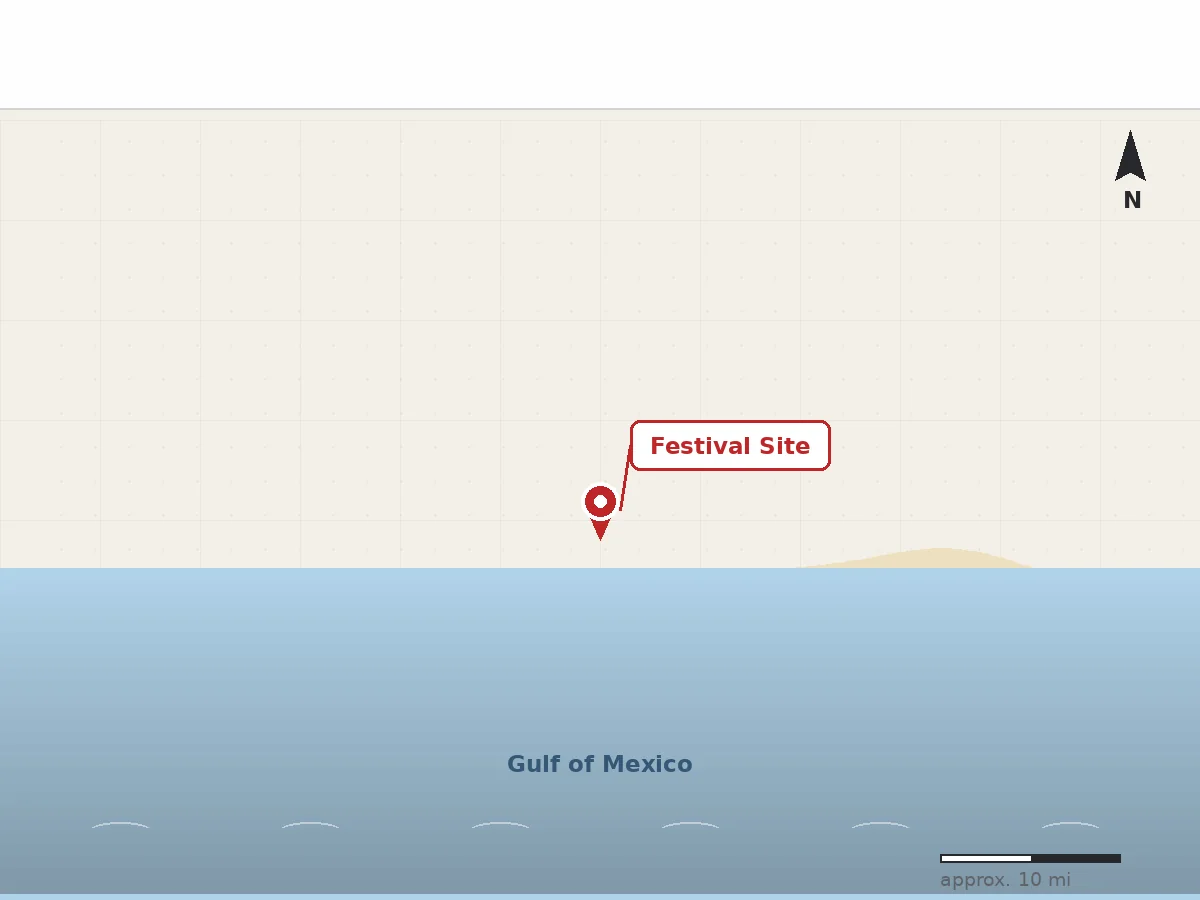
Autumn on Parade takes place in the Ogle County area of northern Illinois, centered on the county seat of Oregon along the Rock River valley.
Visitor Questions About Autumn on Parade
When is Autumn on Parade held?
The festival is held each autumn, typically on a weekend in October. Dates shift from year to year, so confirm the current schedule through local Ogle County listings before you travel.
Does it cost anything to attend?
Admission is generally free. Individual vendors, rides, and activities may charge their own fees, so bring a little cash along with a card.
Is the festival suitable for young children and older visitors?
Yes. The grounds are flat and walkable, family activities are aimed squarely at kids, and there’s usually seating and shade if you claim a spot early. Wheelchairs and strollers manage the paved areas well, though grass lots can be soft after rain.
What’s the best way to reach the Ogle County area?
By car. Oregon sits on Illinois Route 64, and Interstate 39 runs north–south through Ogle County, making the area reachable from across northern Illinois. Rockford to the northeast and Dixon to the southwest are the closest larger cities.
What the Future Holds for Ogle County’s Fall Weekend
The future of Autumn on Parade looks a lot like its past: a volunteer-run weekend that depends on local sponsors, civic groups, and the willingness of a small county to show up. The pressures are familiar — rising costs, volunteer burnout, unpredictable October weather — but the fundamentals are strong. Fall tourism across northern Illinois keeps growing, and a festival with a real parade and a real town behind it has something manufactured attractions can’t copy.
Expect the format to stay recognizable: parade, vendors, food, music, and family activities, held each autumn in the Ogle County area. Watch local listings in late summer for the season’s schedule.
Last updated: October 2026
If you go, go early, bring a jacket, and don’t rush. Autumn on Parade isn’t trying to be a destination festival. It’s a county doing what counties do best — gathering in the fall, feeding people, and letting the parade do the talking.
One Comment