Norton County Kansas Norton County Fair Festival
In northwest Kansas, where the horizon runs long and flat and the summer heat settles in early, fair week is one of the few times a whole county gathers in one place. The Norton County Fair is a small-county fair in the truest sense: livestock in the barns, exhibits on long tables, kids moving between the carnival and the show ring, and neighbors catching up in the shade of a grandstand.
This guide is built as a season-and-setting piece. It covers what the fair is, how it fits into the rhythm of a Norton County summer, what visitors can reasonably expect, and how to plan a trip around it — whether you are a local family marking the calendar or a traveler crossing the high plains looking for a genuine Kansas county fair.
Norton County Fair Essentials: Timing, Setting, and Costs
| Town / place | Norton County area, Kansas |
| County | Norton County |
| County seat | Norton |
| Population | 5,459 (2020 census) |
| Region | Northwest Kansas, near the Nebraska state line |
| Typical timing | Summer — usually a week in July or early August |
| Admission | Generally free to enter the grounds; vendors and activities set their own prices |
| Setting | Rural fairgrounds with livestock barns, exhibit halls, and grandstand seating |
| Signature features | Youth livestock shows, open-class exhibits, carnival rides, grandstand events, fair food |
| Organized by | Local volunteers and community organizations |
A County Fair Under the Wide Sky of Norton County
Norton County spreads across 881 square miles of northwest Kansas, with Norton as its county seat and a population of 5,459 at the 2020 census. In a county that size, a fair is not simply an event — it is a meeting point. The Norton County Fair typically runs across several days in summer, filling the grounds with animals, exhibits, food trailers, and a schedule that shifts from morning livestock judging to evening grandstand programming.
The fair’s center of gravity is agriculture and youth. Exhibitors bring cattle, swine, sheep, goats, poultry, and rabbits, while open-class entries cover everything from garden produce to baked goods, photography, and needlework. Around that core sits the carnival midway, the concession row, and the informal social life of a county where everyone is at most a couple of handshakes from someone they know. It is a fair that rewards slow wandering rather than tight scheduling.
From 1867 to Today: How Fair Week Took Hold in Norton County
Norton County was founded in 1867 and named for Orloff Norton, and its seat of government settled at Norton. Settlement on the high plains came with the same forces that shaped the rest of northwest Kansas: land, rail lines, and the hard arithmetic of dryland farming. County fairs grew out of that world, beginning as agricultural gatherings where farmers compared crops and stock and families showed what a season of work had produced.
For another look at how a community turns its own traditions into a gathering, see the Ness County Kansas Ness County Fair Festival for a useful comparison.
Across the decades, the shape of fair week stayed remarkably consistent even as the details changed. Livestock shows and household exhibits remained the backbone. Youth programs became central to the schedule, with young exhibitors learning to fit, groom, and present animals and to keep records on their projects. Grandstand entertainment expanded — races, motorsports, music, and novelty acts came and went — while the barns and exhibit halls stayed the main event for many families.
Today the fair still belongs to that lineage. It is a county fair in a county of 5,459 people, which means the crowd is made up largely of people who live there, plus relatives visiting from elsewhere and travelers who happen to be passing through.
What Fair Week Actually Looks Like in Norton
Fair Food and Local Vendors
Food at a Kansas county fair follows a familiar and reliable script: grilled burgers and sausage, funnel cakes, corn dogs, nachos, snow cones, cotton candy, and iced tea by the gallon. Church groups, civic organizations, and local vendors often run stands alongside traveling concessionaires, which means some of the best food on the grounds may come from a booth staffed by people you just met at the livestock barn. Expect cash-friendly pricing, portions built for people who have been on their feet since morning, and lines that move quickly once the evening crowd arrives.
Grandstand Entertainment and Live Music
Evenings tend to center on the grandstand, where the schedule usually mixes motorsports-style events, competitions, and live entertainment. County fair grandstand programming in this part of Kansas often includes demolition derbies, tractor pulls, and local or regional bands, with the lineup changing from year to year. Arrive early for the best seats, bring a cushion, and expect the loudest part of the day to happen right around dusk. Small fairs like this one also host impromptu music — a guitar on a tailgate, a radio in the barn aisle — that never makes the printed schedule.
Family Activities, Youth Exhibits, and Livestock Shows
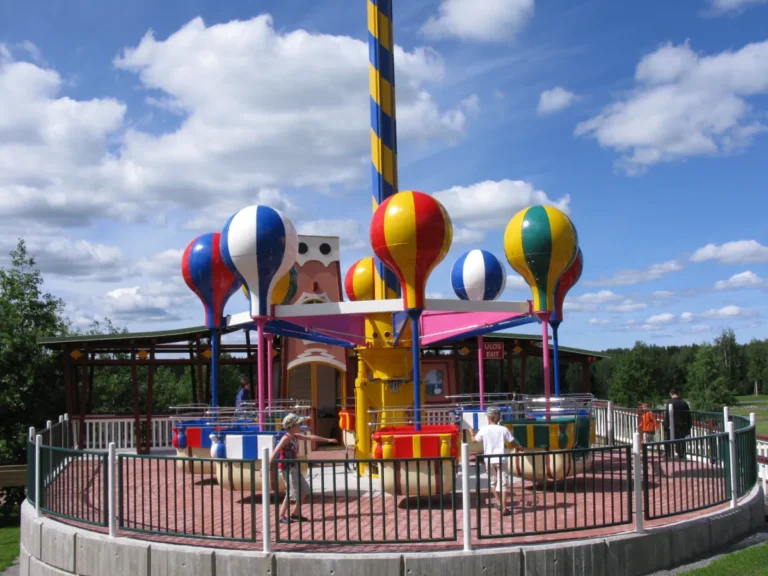
Families with children will find the fair built for them. The midway offers rides and games, while the barns offer something better: a chance to watch animals being washed, brushed, and walked into the show ring. Youth exhibits — livestock, static projects, and everything in between — are typically displayed in the exhibit halls, and ribbons and placings are announced throughout the week. For younger kids, the petting areas, kiddie rides, and open space to run are usually the highlight. Bring wipes, sunscreen, and a stroller that can handle gravel.
Planning Your Trip Around the Norton County Fair
Getting There: Northwest Kansas Roads
Norton sits in northwest Kansas, close to the Nebraska state line, and the county is reached by highway from several directions. Most visitors arrive by car, and the drive in from surrounding counties is part of the experience — long straight roads, center-pivot irrigation, grain elevators, and towns that appear on the horizon well before you reach them. Plan for distance: this is a region where the next town can be a half hour away.
Where to Stay Around Norton
Lodging in a county of this size is limited, so book early if you are staying overnight. Norton is the natural base, with the widest choice of rooms and the shortest drive to the fairgrounds. Alternatives include staying in a neighboring county seat and driving in, or camping — many fairgoers in this part of Kansas combine the fair with a night or two at a nearby lake or park.
Parking and Getting Around the Grounds
Fairground parking is usually on-site or in adjacent grass lots, often free, and it fills quickly during grandstand events. Come early for evening programming or park farther out and walk. Once inside, expect to cover ground: barns, exhibit halls, the midway, and the grandstand are typically spread across a compact but not tiny footprint. Wear shoes you do not mind getting dusty, and expect gravel, grass, and a little mud if it has rained.
Admission, Costs, and Cash
County fair admission is generally free to enter the grounds, with individual activities — carnival rides, grandstand events, some exhibits — priced separately by whoever runs them. That structure makes the fair an affordable outing for families, but it also means your total cost depends on how much you do. Bring cash. Small fairs in rural Kansas increasingly accept cards, but not every booth will.
Summer Weather and What to Pack
Fair week falls in the hottest part of the Kansas year. Days commonly climb into the 90s, with humidity that varies and afternoon thunderstorms that can build quickly on the plains. Pack water, sunscreen, a hat, and a light rain jacket. Evenings cool off enough to make a hoodie worthwhile if you plan to stay for the grandstand.
A Sample Fair Weekend in Norton County
Saturday morning is the time to see the fair at its most purposeful. Arrive mid-morning, walk the barns while exhibitors are still fitting animals, and stop at the exhibit halls before the crowds build. Livestock judging typically runs through the morning, and watching it is one of the most underrated experiences a county fair offers — you learn quickly how much work goes into an animal that stands still for two minutes.
By early afternoon, the midway is busy and the food stands are in full swing. Eat something fried, let the kids ride, and take a slow pass through the vendor booths. Late afternoon is a good window for the quieter parts of the grounds: the poultry and rabbit barns, the open-class displays, and whatever demonstration or contest is happening in the shade.
Evening belongs to the grandstand. Find your seat early, watch the sun go down over the fairgrounds, and stay for whatever the night’s program brings — motorsports, music, or a competition decided in front of a packed set of bleachers.
Sunday tends to be quieter and more local. Come back for the final rounds of shows, the last look at exhibits, and the closing hours of the carnival. It is also when the fair feels most like what it is: a county gathering that happens to include a midway, rather than a midway that happens to be in a county.
Norton’s Fair Week Next to Neighboring County Fairs
Northwest Kansas has a dense calendar of county fairs, and Norton’s sits comfortably among them. Phillips County, based in Phillipsburg to the east, typically holds its own fair week in the same summer stretch, with a similar mix of livestock shows, exhibits, and grandstand nights. Decatur County, with its seat at Oberlin to the northwest, follows the same pattern, as does Sheridan County around Hoxie to the southwest. What separates Norton’s fair is scale and setting: a county of 881 square miles and 5,459 residents produces a fair small enough to feel personal and large enough to fill a weekend.
A Fair Week Checklist for Norton County Visitors
Before you go: confirm the current year’s schedule locally, since fair dates shift from summer to summer; check whether grandstand events require separate tickets; and book lodging in or near Norton well ahead if you are staying overnight.
What to bring: water bottles, sunscreen, hats, cash in small bills, comfortable shoes, a light rain jacket, and a cushion or blanket for bleacher seating. A small cooler left in the car makes the drive home easier.
On the grounds: start in the barns and exhibit halls before the evening crowds, ask exhibitors before photographing or touching animals, keep an eye on kids near the midway and parking areas, and leave time for the parts of the fair that do not appear on any schedule.
Beyond the Fairgrounds: Norton County Between Events
The fair is a reason to visit, not the only one. Norton County’s landscape is classic high plains: wheat and sorghum fields, cattle pasture, windbreaks, and small towns spaced far apart. Prairie Dog State Park near Norton offers water, camping, and hiking in a region where both are scarce. The county seat itself is a good place for a slow morning — a Main Street coffee stop and a look at the courthouse square in a county founded in 1867.
What Fair Week Means in a County of 5,459 People
In a county with 5,459 residents spread over 881 square miles, institutions that bring people together are not decorative — they are infrastructure. The fair is one of the few annual events where every part of the county is represented at once: farm families, town businesses, schools, churches, veterans’ groups, and kids who have spent months on a project that gets exactly one week in the spotlight. It is also an economic and educational engine in miniature, moving money through local vendors and teaching young exhibitors how to manage animals, deadlines, and disappointment.
Where Norton County’s Fairgrounds Fit on the Map
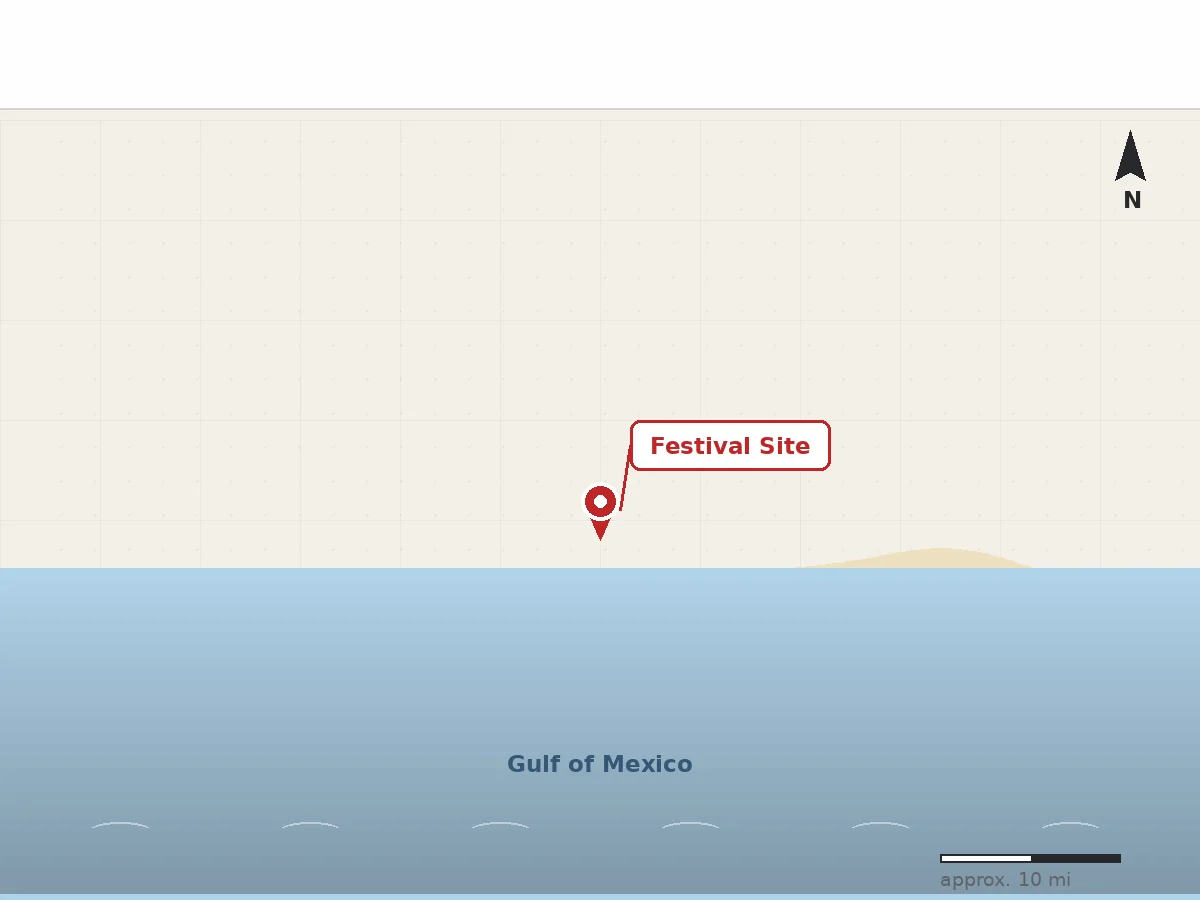
The Norton County Fair takes place in the Norton County area of northwest Kansas, near the county seat of Norton and within easy reach of the Nebraska state line.
Practical Answers for Norton County Fair Visitors
When does the Norton County Fair usually take place?
It is a summer fair, typically running for several days in July or early August. Because the dates shift from year to year, check the current schedule locally before you plan travel around it.
Do you have to pay to get in?
Admission to county fairgrounds in this part of Kansas is generally free, with carnival rides, grandstand events, and some activities priced separately by their operators. An afternoon at the fair can cost very little, while a full evening of rides and entertainment adds up. Bring cash for booths that do not take cards.
Is the fair a good outing for young children?
Yes. The mix of animals, rides, food, and open space is built for families, and the atmosphere is relaxed compared with larger regional events. Plan around the heat, bring water and sunscreen, and use the mornings and evenings for the most active parts of the day.
What happens if it rains during fair week?
Summer storms on the plains can arrive quickly, but fair schedules usually adapt rather than stop. Barns and exhibit halls provide cover, and outdoor events may be delayed or moved. A light rain jacket and a flexible plan will get you through most weather.
Looking Ahead to the Next Norton County Fair
County fairs survive by adapting. The ones that last keep the parts that matter — livestock, youth exhibits, local food, and the chance to see your neighbors — while adjusting entertainment, marketing, and logistics to fit the times. Norton County’s fair has the advantage of a clear purpose: it serves a county of 5,459 people who still show up for each other. Expect future fair weeks to look familiar in the barns and exhibit halls, and to keep evolving on the midway and the grandstand.
Last updated: October 2026
The Norton County Fair is not a spectacle designed for outsiders. It is a working county fair in northwest Kansas, held in the heat of summer, built around the animals and projects of people who live there. Go for the food and the grandstand, stay for the barns, and you will leave understanding a little more about what holds a place like Norton County together.

One Comment