Muscatine County Iowa Muscatine County Fair Festival

The Muscatine County Fair is the kind of summer event that anchors an entire corner of southeast Iowa. For a few days each year, the fairgrounds fill with livestock trailers, carnival lights, and the smell of fried food, and the county’s 43,235 residents — along with plenty of visitors from up and down the Mississippi River valley — have somewhere to be.
Muscatine County was founded on December 7, 1836, and its 449 square miles stretch from the river town of Muscatine, the county seat, out into some of the most productive farmland in Iowa. The fair is a direct expression of that landscape. This guide is written for the first-time visitor: what to expect, how to plan, where to park, what to eat, and what to do with the rest of a weekend once the grandstand lights go down.
Muscatine County Fair: The Details You Need Before You Drive Out
| Town / area | The Muscatine County area, southeast Iowa |
| County | Muscatine County, Iowa |
| County seat | Muscatine |
| Population | 43,235 (2020 census) |
| Region | Southeast Iowa, Mississippi River valley |
| Typical timing | A multi-day run in mid-summer, usually July or early August |
| Admission | Generally free or low-cost to enter, with grandstand shows, carnival rides, and some events priced separately |
| Setting | A traditional county fairground with barns, exhibit halls, a grandstand, and a midway |
| Features | Livestock shows, 4-H and FFA exhibits, grandstand entertainment, carnival rides, fair food, community exhibits |
| Organizer | A volunteer county fair board supported by local committees and sponsors |
Muscatine County’s Annual Summer Gathering, Explained
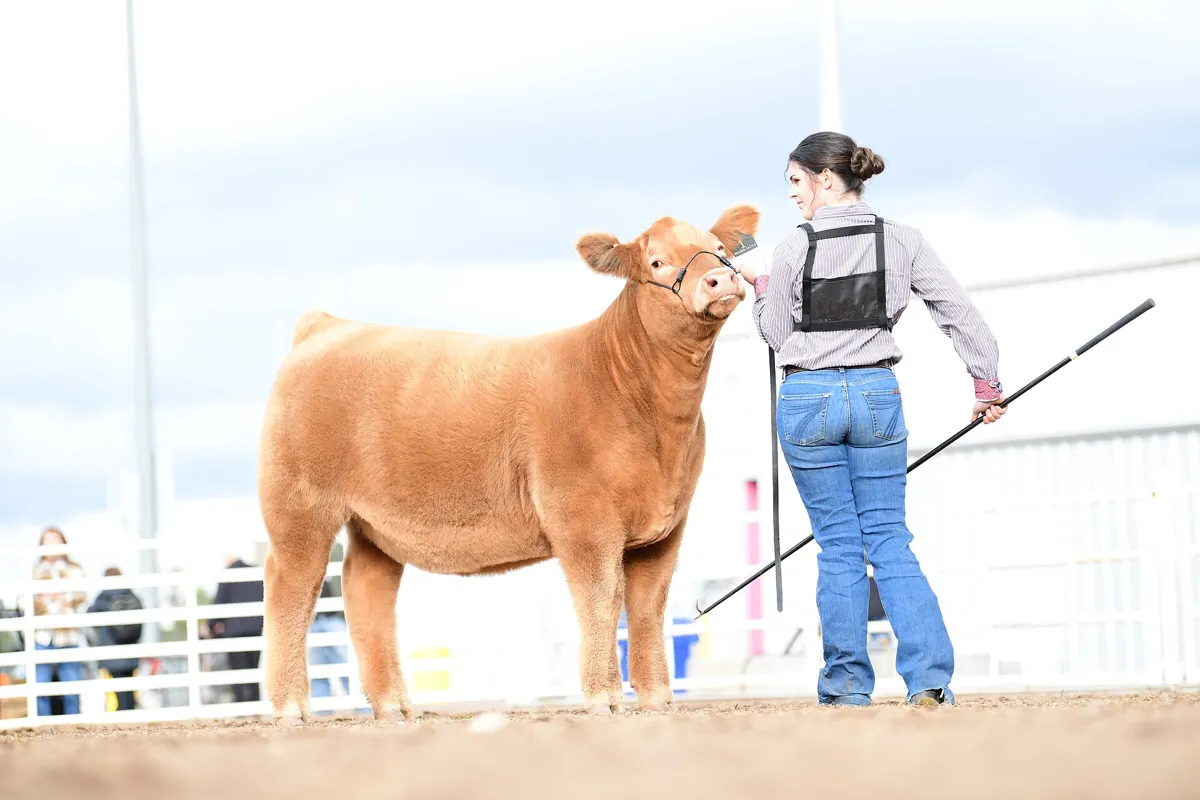
Strip away the lights and the funnel cake and the Muscatine County Fair is a working agricultural showcase. The core of it is livestock: cattle, swine, sheep, goats, poultry, and rabbits, most of them raised by young people who have spent months preparing an animal for a judge’s hands. Around that core sits an exhibit hall full of canned goods, quilts, photographs, garden produce, and school art, plus a midway, a grandstand, and rows of food trailers.
What makes the week distinctive is how many people have a stake in it. A family might have a child showing a hog, a grandmother entering jam in the open class, and a neighbor running a food stand — all in the same afternoon. Because the fair is organized by a volunteer board rather than a large commercial promoter, the atmosphere stays local. You will run into people you know, or people who know your cousins.
Tracing the Fair’s Roots in a County Founded in 1836
Muscatine County was organized on December 7, 1836, when this stretch of the Mississippi was still a frontier of steamboat landings, sawmills, and newly broken prairie. County fairs across Iowa grew out of that same era of settlement, when agricultural societies formed to compare seed, livestock, and machinery and to hand out premiums for the best of each. The Muscatine County Fair belongs to that long tradition.
For another look at how a community turns its own traditions into a gathering, see the Morton County Kansas Morton County Fair Festival for a useful comparison.
Over the generations, the fair changed with the county around it. Horse-powered farming gave way to tractors; exhibit halls added categories for photography, baking, and crafts alongside field crops; and youth organizations became the heartbeat of the event, turning the livestock barns into classrooms where kids learn responsibility, record-keeping, and how to handle a loss gracefully.
What has not changed is the rhythm. Each summer, families haul trailers to the grounds, set up stalls, hang ribbons, and settle in for a few days that feel both hectic and familiar. The fairgrounds themselves are a community asset the rest of the year — used for other gatherings and events — but during fair week they belong entirely to the county.
What a Day at the Muscatine County Fair Actually Looks Like
Plan on spending more time than you expect. A county fair rewards slow walking: a barn conversation here, a ribbon display there, a second pass through the food row because something smelled too good to skip. Most visitors arrive in the late afternoon and stay through the evening, when the midway lights come on and the grandstand fills.
Fair Food and the County Fair Plate
Food is half the reason people come. Expect the classic lineup: pork burgers and tenderloins, corn dogs, funnel cakes, elephant ears, nachos, lemonade shake-ups, and soft-serve. Local church groups and civic organizations often run stands, which means the money tends to stay in the county. Portions are large, prices are fair, and lines move fastest in the late afternoon before the evening rush. Bring cash for the smaller stands and tip jars.
Music, Grandstand Shows, and Evening Entertainment
Evenings at the fair center on the grandstand, where the schedule typically mixes live music, motorsports-style events, and crowd-pleasing competitions. Grandstand acts are usually ticketed separately from gate admission, and the best seats go early. Elsewhere on the grounds you will find smaller stages, strolling entertainment, and the constant hum of the midway. If a particular show is your reason for coming, check the current year’s lineup before you make the drive.
Family Activities and Youth Exhibits
This is a genuinely family-friendly fair. Carnival rides and games anchor the midway, but the quieter draws are just as good: petting areas, livestock barns where kids can watch grooming and judging, and exhibit halls where children can find their own artwork or a sibling’s project on display. Strollers work on the main paths, though barn aisles get crowded. Restrooms, seating, and shade are spread across the grounds, and the pace is unhurried enough that a full day with small children is realistic.
Planning Your Trip to Muscatine County
A little preparation makes a big difference, especially on the busiest evenings. Here is what to sort out before you go.
Getting There from Muscatine and Beyond
The fairgrounds sit within Muscatine County, and nearly everyone arrives by car. Muscatine, the county seat, is the natural base for out-of-town visitors, with highway connections running north toward Iowa City and south along the river corridor. If you are coming from a distance, treat the fair as a day trip from the Quad Cities or an overnight from further afield. Navigation apps handle the final approach well, but expect to follow volunteer traffic direction once you are close.
Where to Stay Near the Fairgrounds
Muscatine offers the widest choice of lodging in the county, from chain hotels to independent inns and riverfront stays, with additional options in surrounding communities within a short drive. Campgrounds in the area appeal to families traveling with livestock trailers or RVs. Fair week is one of the busiest stretches of the summer, so book several weeks ahead if you need a specific night, and confirm cancellation policies in case weather shifts your plans.
Parking and Getting Around the Grounds
Parking is typically on or adjacent to the fairgrounds, much of it on grass, and it fills quickly on grandstand nights. Arrive early, carpool if you can, and wear shoes you do not mind getting dusty. Inside the gates, everything is walkable — barns, midway, exhibit halls, and grandstand are all within a few minutes of each other. Keep a meeting point in mind if your group splits up, since cell service can get sluggish when the grounds are packed.
Admission, Tickets, and What Things Cost
Gate admission at Iowa county fairs is usually modest, and some days or events may be free to enter. Grandstand shows, carnival rides, and midway games are generally priced separately, often through wristbands, ticket sheets, or per-ride charges. Because pricing and promotions change from year to year, check the current fair schedule for exact rates rather than relying on last season’s numbers. Budget a little extra for food and a ride wristband, and carry some cash alongside a card.
Weather and What to Wear in an Iowa Summer
Mid-summer in southeast Iowa means heat, humidity, and the real possibility of an afternoon thunderstorm. Dress in light layers, bring a hat, and carry a refillable water bottle. A compact rain jacket beats an umbrella when the wind picks up. Evenings cool off noticeably, which is why so many families arrive late and stay through the grandstand show. If severe weather threatens, follow announcements from fair staff and move toward the permanent buildings.
A Sample Weekend Itinerary for the Muscatine County Fair
Friday afternoon. Arrive a couple of hours before the evening rush. Walk the livestock barns first while they are calm, then work through the exhibit hall to see the open-class entries. Grab an early dinner from the food row — shorter lines, fresher fryers.
Friday evening. Ride the midway as the lights come on, then claim grandstand seats well before showtime. Finish with dessert and a slow loop past the barns, which are often liveliest after dark when exhibitors are still working.
Saturday morning. Return early for livestock judging and youth shows. This is the fair at its most authentic: kids in crisp shirts, parents with clipboards, judges taking their time. Stop by the small-animal barn and the petting area with younger children.
Saturday afternoon and evening. Browse the commercial and community booths, catch a smaller stage performance, and let the kids burn off energy on the rides. Stay for the headline grandstand event if you have tickets, or head into Muscatine for a riverfront dinner and an early night.
How the Muscatine County Fair Compares with Nearby Iowa Fairs
Muscatine’s fair sits in the middle of the Iowa county fair spectrum — larger and busier than the smallest township celebrations, smaller and more intimate than the state-level spectacle in Des Moines. Compared with neighboring Louisa County’s fair to the south, Muscatine’s version draws on a bigger population base and a longer river-town commercial history, which shows up in the depth of its food row and grandstand lineup.
Set against the Iowa State Fair, the difference is scale and pace. Des Moines delivers national acts and enormous crowds; Muscatine County delivers something you can walk end to end in an afternoon and still recognize half the people you pass. For visitors deciding where to spend a summer weekend, the county fair is the better choice if you want conversation, livestock barns, and a parking spot you can actually find.
Muscatine County Fair Checklist: What to Bring and What to Know
Pack light but deliberately. Bring sunscreen, a hat, a refillable water bottle, and a light rain jacket; closed-toe shoes you can wash are far better than sandals once you have crossed a barn aisle. Carry cash for small stands, a card for larger vendors, and a tote bag for the inevitable ribbon-winning jar of jam or bag of kettle corn.
Before you leave the house, confirm the day’s schedule and grandstand tickets, check the forecast, and agree on a meeting point with your group. Charge your phone but expect patchy service. Leave pets at home — livestock and crowds make the grounds no place for them — and give yourself an extra twenty minutes for parking on any night with a headline show.
Beyond the Fairgrounds: Muscatine and the Mississippi River Valley
The fair is a good excuse to see the rest of the county. Muscatine, the county seat, sits on the Mississippi and has a compact downtown worth an hour of wandering, plus riverfront parks that make a fine spot for a picnic or an evening walk. The surrounding countryside is classic southeast Iowa: rolling fields, gravel roads, and small towns where the grain elevator is still the tallest building.
If you are extending the trip, the river itself is the main attraction. Wildlife viewing, boating, and fishing are part of summer life here, and the drive along the river corridor between towns is scenic in its own right. Pair a fair visit with a morning in Muscatine and you have a full weekend without ever leaving the county.
Volunteers, Youth Exhibits, and the Fair’s Role in County Life
The Muscatine County Fair matters because it is one of the few events left that gathers the whole county in one place. Farmers, town residents, business owners, and school families all end up on the same midway. For young exhibitors, the fair is a milestone — months of work measured in a few minutes in the ring, with lessons about effort and sportsmanship that outlast any ribbon.
It also functions as an economic and civic engine. Food stands raise money for churches and clubs, sponsors support grandstand entertainment, and volunteers donate thousands of hours to keep ticket prices within reach of local families. In a county of 43,235 people spread across 449 square miles, that shared effort is what turns a fairground into a tradition.
Where the Muscatine County Fairgrounds Sit in the County
The fair takes place at the Muscatine County fairgrounds within Muscatine County, Iowa, with Muscatine — the county seat — serving as the closest full-service base for lodging, dining, and supplies.
Muscatine County Fair: Common Visitor Questions
When is the Muscatine County Fair held?
It is a mid-summer event, typically running over several consecutive days in July or early August. Because the exact dates shift each year, check the current season’s schedule before planning travel, and note that weekends draw the largest crowds.
Do I need to buy tickets in advance?
Gate admission is generally inexpensive and often available at the entrance, while grandstand shows are usually ticketed separately and can sell out for popular acts. If a specific performance is your reason for visiting, buy early. Ride wristbands and midway tickets are typically purchased on the grounds.
Is the fair a good outing for young children?
Yes. The grounds are compact and walkable, with carnival rides, games, animals, and plenty of food that kids actually want to eat. Bring a stroller if you have toddlers, plan around the hottest part of the afternoon, and keep an eye on little ones near the livestock barns, where animals can be startled.
What happens if it rains during the fair?
Much of the fair is outdoors, so a passing storm will slow things down. Exhibit halls and barns offer shelter, and staff typically wait out short delays before resuming shows and rides. Check the day’s schedule and any weather announcements before heading out, and be prepared to shift your visit by a few hours.
Looking Ahead: The Future of the Muscatine County Fair
County fairs everywhere are working to stay relevant, and Muscatine County’s is no exception. The priorities that keep it strong are consistent: recruiting new volunteers, keeping youth agriculture programs funded, maintaining aging buildings and grounds, and programming entertainment that appeals to both longtime fairgoers and first-time visitors. Expect the fair to keep evolving while holding on to the elements that define it — barns, ribbons, grandstand nights, and a midway that lights up a southeast Iowa summer evening.
Last updated: October 2026
For anyone in or passing through southeast Iowa during the summer, the Muscatine County Fair is an easy recommendation: inexpensive, welcoming, and rooted in a county that has been gathering this way since before the Civil War era. Come for the food and the rides, stay for the livestock barns and the people, and leave with a fuller picture of what rural Iowa actually looks like on a warm July night.

One Comment