Morgan County Illinois Morgan County Fair Festival
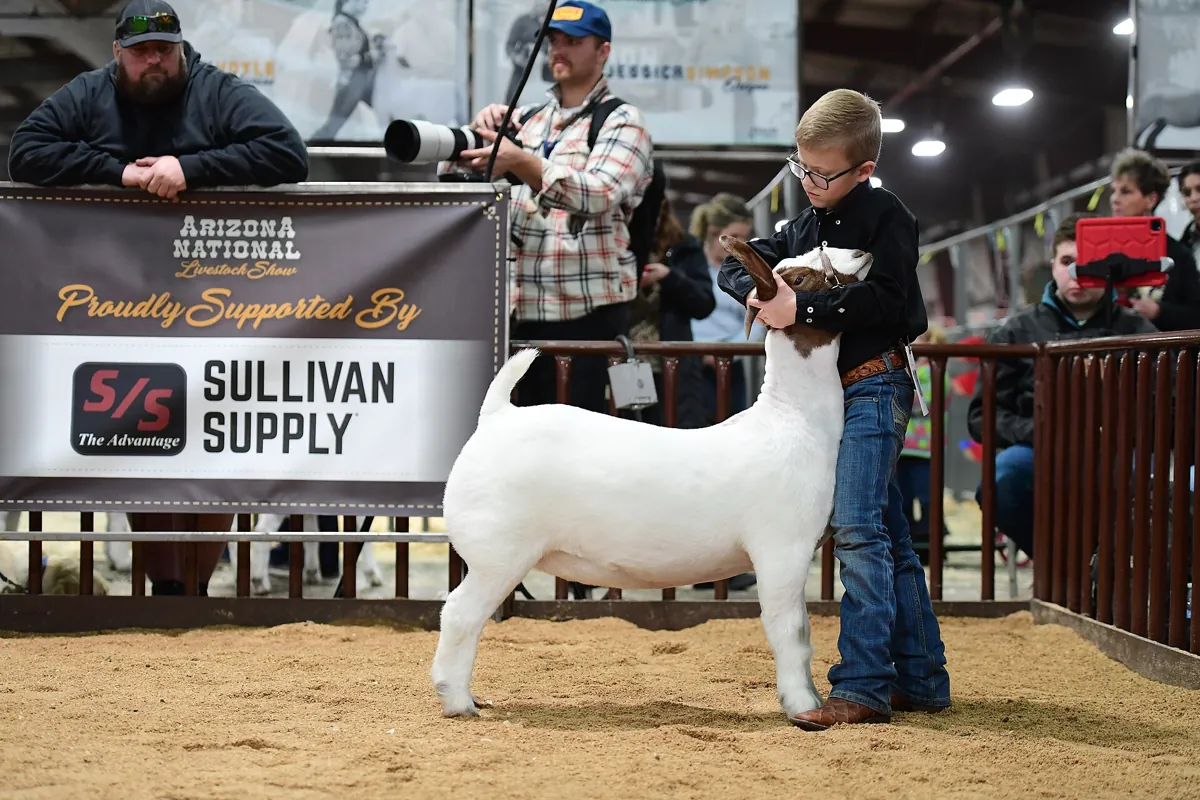
If you grew up in Morgan County, you probably walked a show ring, spun on a carnival ride, or ate a corn dog while somebody’s older brother revved a tractor long before you learned to drive. The Morgan County Fair is that kind of event — less a single weekend of entertainment than a standing appointment the county keeps with itself each summer.
It happens in and around Jacksonville, the Morgan County seat, and it pulls in families from the small towns, crossroads, and farmsteads spread across the county’s 572 square miles. For a few days each year, the fairground becomes the place where the whole county checks in on itself.
The Morgan County Fair, Item by Item
Here is the short version for anyone planning a first visit or a return after a long absence.
| Festival | Morgan County Fair |
| Town / area | The Morgan County area, centered on Jacksonville |
| County | Morgan County, Illinois — founded 1823 |
| County seat | Jacksonville |
| Region | West-central Illinois |
| Typical timing | Late summer, most often a run of days in July or early August |
| Admission | Generally free to enter the grounds; some grandstand entertainment may be ticketed separately |
| Setting | A traditional county fairground with exhibit halls, livestock barns, a grandstand, and open-air midway space |
| Signature features | Livestock judging, youth exhibits, grandstand events, carnival rides, and food stands |
| Organizer | A volunteer fair board supported by the county’s agricultural and civic community |
What the Morgan County Fair Is, and Who It’s For
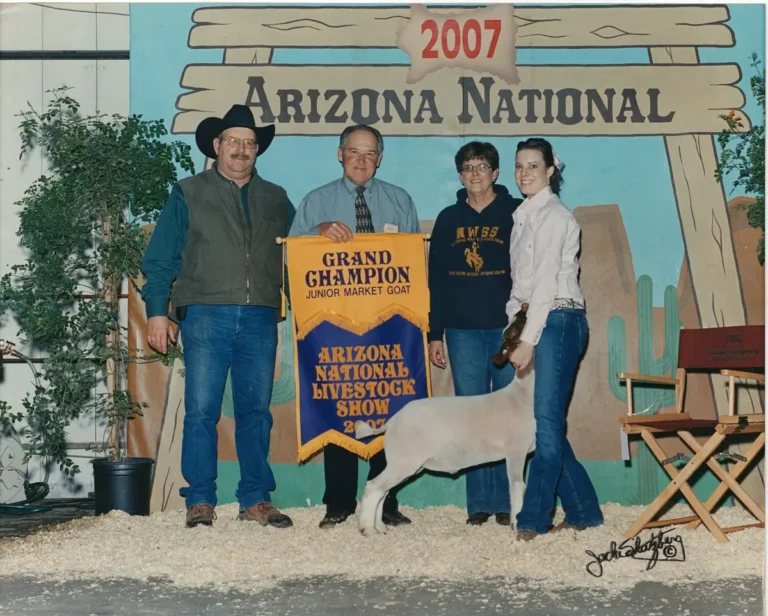
At its core, this is an old-fashioned county agricultural fair, and it makes no apology for that. The week is built around animals, exhibits, and the people who raise and make things. Cattle, swine, sheep, goats, and poultry all pass through the barns and the show ring. Exhibit halls fill with canned goods, quilts, photographs, vegetables, and school art. Youth programs put ribbons in the hands of kids who spent months preparing an animal or a project, and that moment — the walk into the ring, the judge’s nod — is still the emotional center of the whole event.
Around that agricultural spine, the fair adds the things that make a summer night memorable: grandstand entertainment, a midway with rides and games, concession stands, and the steady hum of neighbors catching up. You do not need a farm background to enjoy it. You need comfortable shoes and a willingness to stand in line behind somebody you haven’t seen since high school.
For another look at how a community turns its own traditions into a gathering, see the Morgan County Illinois Jacksonville Oktoberfest Festival for a useful comparison.
Context matters here. Morgan County was established in 1823, with Jacksonville as its seat, and its 572 square miles run from prairie farmland to the river country on the western edge. The fair reflects that mix. It is a town event and a country event at the same time, which is exactly why it still works.
Two Centuries of County Life Behind the Fairground Gates
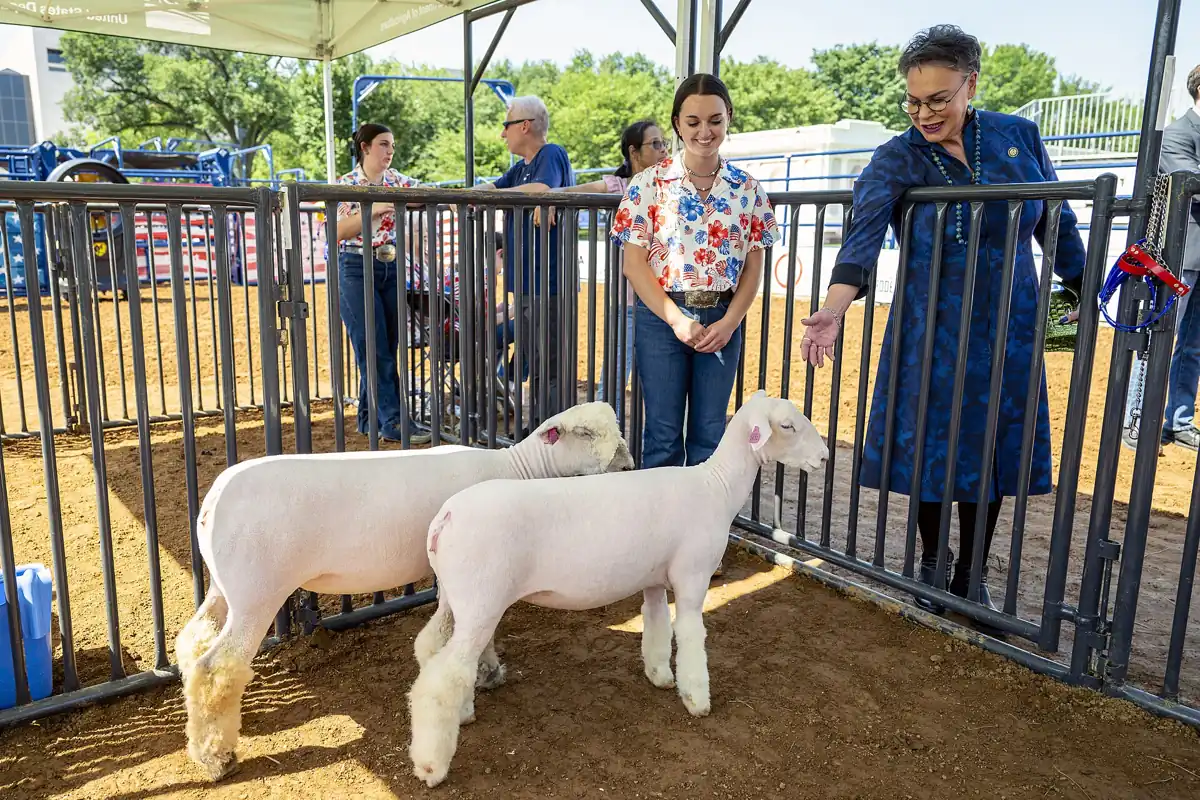
Morgan County’s story begins in 1823, when the county was formally established and Jacksonville took on the role of county seat. Settlers arriving in those early decades found deep prairie soil and a landscape that rewarded livestock and grain farming. In communities like this one across Illinois, the county fair became the annual instrument for comparing notes: which bull threw the best calves, which seed corn stood up to the wind, which family’s butter took the ribbon.
Through the nineteenth and twentieth centuries, that practical purpose widened. Youth organizations brought young exhibitors into the barns, and their projects gradually became the heart of the fair. Exhibit halls expanded beyond produce and preserves into crafts, baking, and photography. Grandstands went up, and with them came harness racing, tractor pulls, demolition events, and concerts that turned a farm showcase into a full evening out.
What has not changed is the underlying bargain. Agriculture comes first, entertainment comes second, and the community comes for both. Generations of Morgan County families have marked the summer by this calendar, and many of the volunteers who run the gates and staff the barns are the grandchildren of people who did the same jobs before them.
A Fair Day in Jacksonville, From Gate to Grandstand
A typical day unfolds in layers. Mornings belong to exhibitors and judges — quiet barn aisles, clipboards, coffee in paper cups. Afternoon brings families with strollers and grandparents in lawn chairs. Evening is when the fairground fills completely, when the midway lights come on and the grandstand starts to buzz.
Fair Food, Church Stands, and Local Favorites
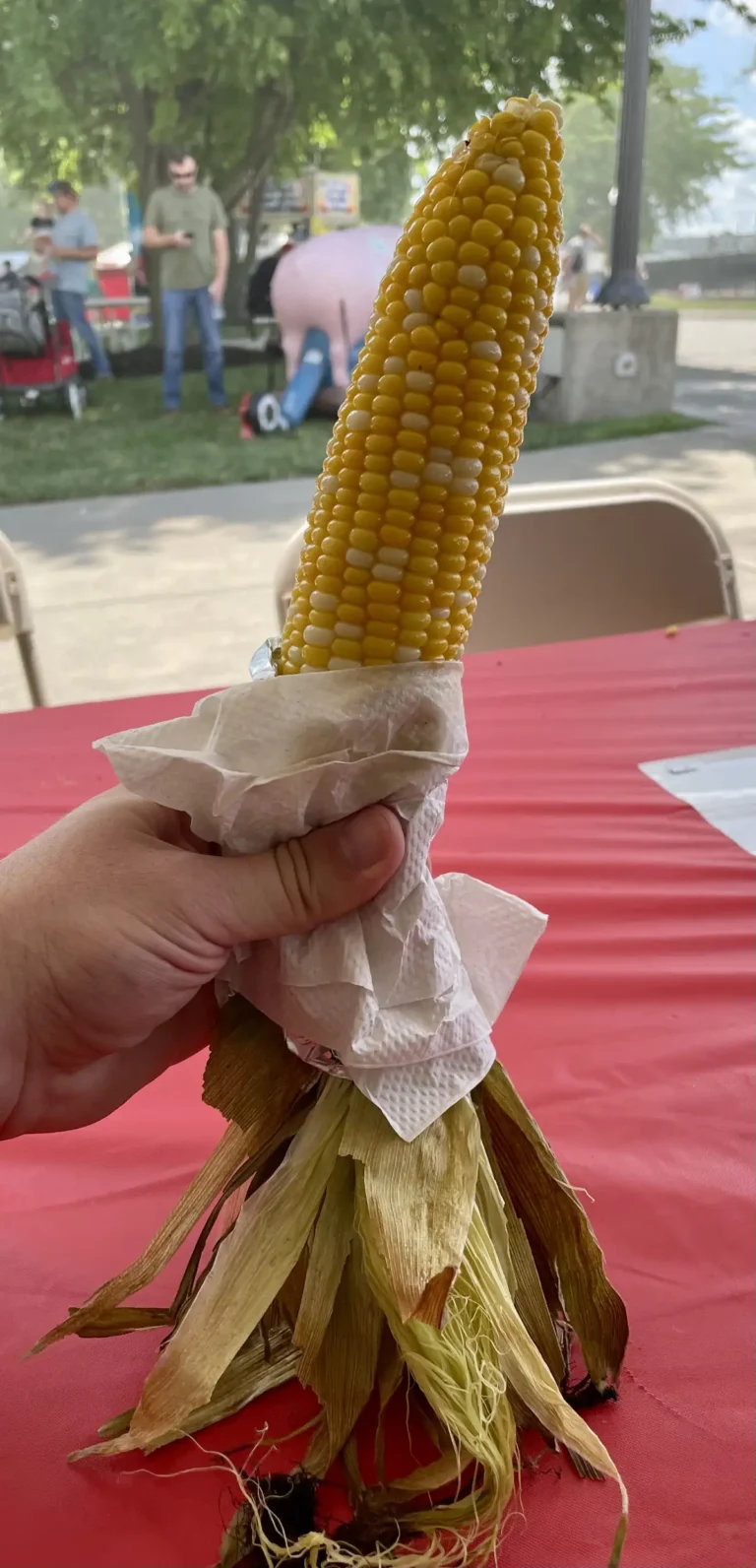
Food is half the reason many people come. Expect the classic county fair menu — corn dogs, funnel cakes, pork chops on a stick, lemonade shake-ups, fresh-cut fries — alongside stands run by local churches, civic clubs, and youth groups. Those volunteer stands are often the best value on the grounds and the most Morgan County thing about the whole fair. Portions are generous, seating is picnic-table casual, and nobody minds if you eat dessert first.
Grandstand Nights and Music Under the Lights
The grandstand is where the fair gets loud. Depending on the year, the schedule may include tractor pulls, a demolition derby, motor sports, harness racing, or a live music act, with local and regional performers filling other slots around the grounds. Some grandstand events carry a separate ticket, so it pays to check the schedule before you promise a child anything specific. Smaller stages and open-air spots often host acoustic sets and community performances that cost nothing at all.
Kid-Friendly Corners, Barns, and Hands-On Exhibits
Families with young children tend to gravitate to the same spots: the livestock barns, where kids can get close to animals and talk to the exhibitors; the exhibit halls, where their own artwork might be hanging with a ribbon attached; and the midway, which ranges from gentle kiddie rides to the spinning, flipping machines that teenagers queue for. Many fairs also set aside a petting area or a hands-on activity station. Bring wipes, expect sticky hands, and plan on at least one meltdown near the cotton candy stand.
Making a Day of It: Morgan County Fair Logistics
Getting to the Fairgrounds
The fair is held in the Jacksonville area, and the county seat is easy to reach from most of west-central Illinois. Major routes converge on Jacksonville, and the fairground sits within a short drive of the downtown core. If you are coming from out of county, set your navigation before you leave — rural Illinois roads are beautiful and easy to overshoot in the dark.
Where to Stay Overnight Near Jacksonville
Jacksonville has the largest concentration of lodging in the county, from familiar chain motels to independent options, and it is the most convenient base for a multi-day visit. Travelers passing through often pair the fair with a stop in Springfield to the east or the Illinois River towns to the west. Book early during fair week, when rooms tighten up and rates climb.
Parking Around the Fairgrounds
Fairground parking is usually the simplest part of the trip: lots and grassy fields near the gates, with volunteers directing traffic. Arrive before the evening rush and you will walk a short distance; arrive at peak time and you may walk a bit farther. Follow the signage, keep an eye out for pedestrians in the dark, and note where you parked — every lot looks identical at eleven at night.
Admission, Tickets, and What Money Buys
General admission to the grounds is typically free, which makes the fair an easy outing for families on a budget. Some grandstand shows, carnival rides, and special events are ticketed separately, and vendors take cash and cards in varying degrees. Bring a little cash anyway — the church stands and smaller vendors often appreciate it, and it moves the line faster.
Late-Summer Heat and What to Wear
Illinois in late July and early August is hot, humid, and occasionally stormy. Dress for a farm: closed-toe shoes for barn aisles and gravel, a hat, sunscreen, and a refillable water bottle. Keep a light rain jacket in the car and watch the sky during evening events. Barns and exhibit halls offer shade and air where available, so use them as cooling stations between midway laps.
A Two-Day Sample Plan for the Morgan County Fair
Day one. Arrive mid-afternoon and start in the exhibit halls while the day is hottest — you will see the baking, crafts, and produce entries before the crowds arrive. Wander the barns next, and let the kids talk to exhibitors. Grab an early dinner from a volunteer stand, then settle in near the grandstand for the evening’s headline event. Finish with one midway ride and a walk through the lighted grounds before the crowd thins.
Day two. Come back in the morning for livestock judging, which is the fairest, most authentic hour of the entire week. Watch a class or two, ask a question if you are curious, and congratulate a young exhibitor. Have lunch downtown in Jacksonville, rest through the hot part of the afternoon, then return for the final evening: a last corn dog, a last look at the ribbons, and a slow walk past the barns as the fans hum and the animals settle in.
How the Morgan County Fair Compares With Nearby Options
The obvious comparison is the Illinois State Fair in Springfield, roughly an hour east. That is a state-scale event: enormous crowds, big-name concerts, a full agricultural expo, and a budget to match. It is worth doing once, but it is a different animal from a county fair, and most Morgan County families will tell you so.
In the other direction, the smaller towns of neighboring Scott and Cass counties host their own community celebrations and harvest gatherings. Those are intimate and charming, often built around a single street or a single park. Morgan County’s fair lands in the middle: large enough for a real midway and a genuine grandstand schedule, small enough that you will run into your dentist in the cattle barn. That middle position is precisely its appeal.
A Fairgoer’s Checklist Before You Leave the Driveway
Pack closed-toe shoes, sunscreen, hats, and refillable water bottles. Bring cash for volunteer food stands and small vendors. Check the day’s schedule online or in the local paper before you go, especially if a grandstand event matters to you, and confirm whether that event needs a separate ticket.
Charge your phone but plan on spotty signal in a crowd. Bring a light jacket for after dark and a small bag for ribbons, programs, and whatever a child wins. Leave the dog at home. Most importantly, plan to stay longer than you intended — county fairs have a way of stretching an afternoon into a whole evening.
Beyond the Fairgrounds: Jacksonville and the Rest of Morgan County
Jacksonville rewards a slow morning. The county seat has a historic downtown with brick storefronts, independent shops, and a college-town rhythm that makes it a pleasant place to walk. Architecture buffs find plenty to look at, and the town’s nineteenth-century roots — the same era that shaped the county after 1823 — are visible block by block.
Push out into the county and the landscape opens up. Farmland stretches in every direction across those 572 square miles, and the western edge of Morgan County reaches toward the Illinois River country, where the terrain softens and the birding improves. Small communities dot the map, each with a grain elevator, a ball diamond, and a story about somebody who used to show cattle at the fair. Pair a fair visit with a drive and you get a real sense of the place the event belongs to.
What the Fair Still Does for Morgan County
A county fair is one of the few remaining institutions that asks nothing about your politics, your income, or your ZIP code. It simply asks you to show up. In a county anchored by Jacksonville but sustained by its rural townships, the fair is the annual moment when those two worlds share a parking lot and a picnic table.
It also matters economically. Livestock premiums, concession sales, carnival employment, and the money visitors spend in Jacksonville all circulate locally. And it matters culturally, because a young exhibitor who learns to keep records, meet a deadline, and handle an animal in front of a judge is learning something no classroom quite replicates. That is the quiet value of the Morgan County Fair, and it has been compounding for generations.
Where the Morgan County Fair Sits in West-Central Illinois
The Morgan County Fair is held at the fairgrounds serving Jacksonville, the county seat of Morgan County in west-central Illinois.
Straight Answers About the Morgan County Fair
When does the Morgan County Fair usually take place?
It is a late-summer fair, typically running over a stretch of days in July or early August. Exact dates shift from year to year, so check local listings or the fair’s own schedule as the season approaches rather than assuming last year’s calendar still applies.
Do I need to buy a ticket to get in?
General admission to the fairgrounds is typically free. Certain grandstand events, carnival rides, and special attractions are usually ticketed or sold separately, so if a particular show is the reason for your visit, confirm the details before you drive out.
Is the fair a good outing for young children?
Very much so. The livestock barns, exhibit halls, kiddie rides, and food stands are all built for families, and the pace is unhurried compared with larger state fairs. Bring a stroller if you have one, and expect gravel and grass rather than pavement in several areas.
What should I see if I only have one evening?
Walk the barns first, while exhibitors are still around and the light is good. Then hit the exhibit halls, eat from a volunteer food stand, and finish at the grandstand or on the midway. That sequence gives you the agricultural heart of the fair and its evening energy in a single visit.
The Next Season of the Morgan County Fair
County fairs survive by adapting without losing themselves. The likely direction for Morgan County is familiar across rural Illinois: more emphasis on youth exhibitors, more variety in grandstand programming, and continued reliance on volunteers who keep costs down and admission easy. Expect the agricultural core to remain untouched, because that is the part nobody wants to see change.
For visitors, that means the fair should keep offering the same bargain it always has — an affordable summer evening, a place to see neighbors, and a genuine look at what a 572-square-mile county does with its land and its kids. Plan around late summer, watch for the schedule, and leave room in your evening for one more lap past the barns.
Last updated: October 2026
Some traditions are loud and some are quiet, and the Morgan County Fair manages to be both at once — a grandstand full of noise on one side of the grounds and a kid brushing a heifer in a dim barn on the other. Come for the corn dogs if you like, but stay for the part where a county founded in 1823 still gathers in one place each summer to see what everyone has been up to.