Morehouse Parish Louisiana Morehouse Parish Fair Festival
If you have never been to a Louisiana parish fair, the Morehouse Parish Fair is a forgiving place to start. It unfolds in the northeast corner of the state, in and around Bastrop, the parish seat, and it keeps the easy rhythm of a community that has been gathering this way for generations. Parking is usually straightforward, crowds stay manageable, and the volunteer at the gate likely knows half the people walking past.
This orientation is written for the first-timer: what the fair is, how it fits into Morehouse Parish, and how to shape a weekend around it without guesswork. Morehouse Parish was founded in 1844 and covers 805 square miles of piney woods, farmland, and bayou country along the Arkansas line. Its population was 25,629 at the 2020 census — small enough that the fair still feels closer to a neighborhood reunion than a regional spectacle.
Morehouse Parish Fair Basics: A First-Timer’s Fact Table
| Town / place | The Morehouse Parish area, centered on Bastrop |
| County | Morehouse Parish, Louisiana |
| County seat | Bastrop |
| Population | 25,629 (2020 census) |
| Region | Northeast Louisiana, near the Arkansas line |
| Typical timing | A weekend in late summer or early autumn, in most years |
| Admission | Typically free, with rides, games, and food priced separately |
| Setting | A parish fairground with exhibit buildings and an outdoor midway-style area |
| Signature features | Agricultural and home-arts exhibits, fair food, live entertainment, family activities |
| Organizer | Local volunteers and parish fair organizers |
Where the Morehouse Parish Fair Fits Into Parish Life
Morehouse Parish is a rural parish in northeast Louisiana, with Bastrop as its seat of government and largest community. The fair is the parish’s own annual gathering, drawing families from Bastrop, Mer Rouge, Bonita, Collinston, and the farmland and timber country in between. It is not a tourist production built for outsiders; it is a local tradition that happens to welcome visitors warmly.
Because the parish counted 25,629 residents at the 2020 census, the fair operates at human scale. You will run into people you met an hour earlier, and you will rarely wait long in a line. For a first-timer, that means the fair is easy to cover in an afternoon — though most people stretch it across a full weekend and come back for more.
A Fair Rooted in a Parish Founded in 1844
Morehouse Parish was established in 1844, and like most of rural Louisiana, its social calendar grew out of agriculture. Parish fairs in this part of the state trace their lineage to harvest gatherings and agricultural societies, where farmers compared crops, showed livestock, and swapped news at the end of a growing season. The Morehouse Parish Fair is a continuation of that habit.
Over the decades the fair has mirrored the parish’s changes — through the cotton economy, the timber years, and the slower shifts that reshaped small-town Louisiana. What stayed constant is the format: exhibits judged by category, ribbons handed out, children showing animals or crafts, and an evening crowd that comes for food and music.
First-timers sometimes expect a history lesson at the gate. There isn’t one. The history is in the fabric of the thing — the same categories of entries, the same volunteer roles, the same families returning year after year. That continuity, more than any single display, is what a parish fair preserves.
What a First-Timer Notices at the Morehouse Parish Fair
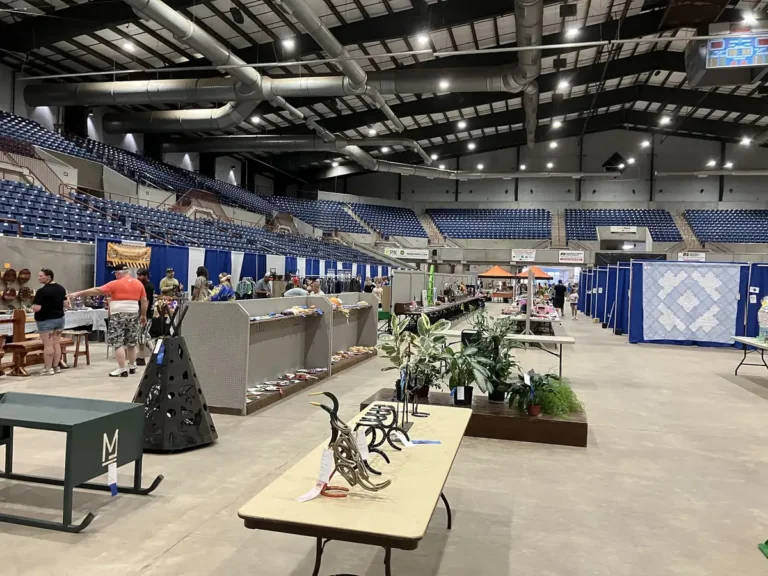
The fair is built around a fairground with exhibit buildings, a midway-style outdoor area, and space for livestock and demonstrations. Expect a compact footprint you can walk end to end in a few minutes, with everything clustered closely enough that you never lose your bearings.
Fair Food With a Northeast Louisiana Accent
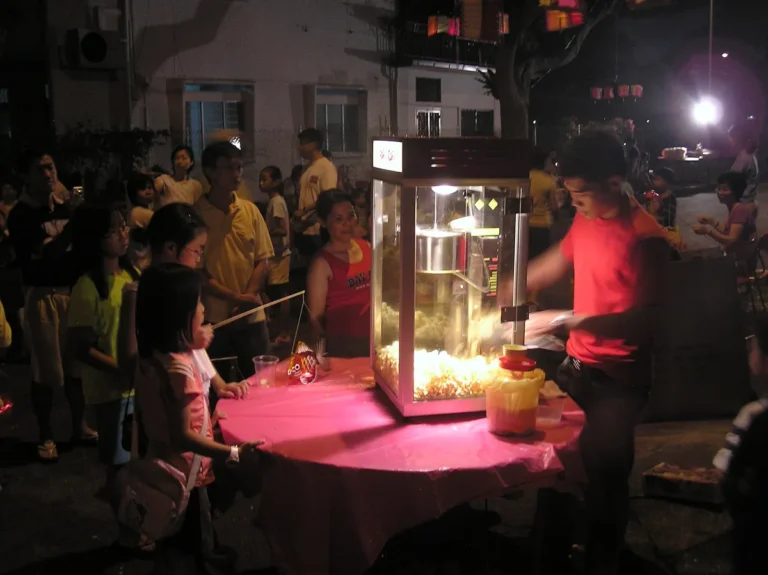
Expect the classic midway menu — corn dogs, funnel cakes, nachos, cotton candy, cold drinks — alongside Louisiana staples that vary by vendor and year. Local church groups and community booths often serve plates that reflect the region: rice dishes, smoked meats, and sweets that taste like somebody’s grandmother made them. Bring cash for the smaller stands, even if the larger vendors take cards.
Music and Entertainment Around the Fairground
Live music is usually part of the schedule, with local and regional acts rather than national headliners. That is part of the charm: you might hear country, gospel, or a cover band playing to a lawn-chair crowd. Between sets, expect announcements, contests, and the steady hum of the midway. Schedules change from year to year, so check local listings before you go.
Family Activities for Kids and Grandparents Alike
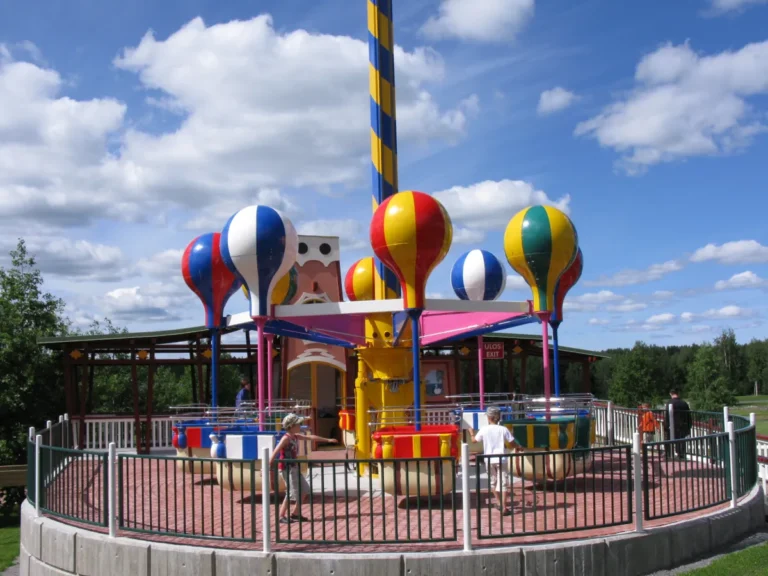
Rides and games anchor the family side of the fair, and agricultural exhibits give children something to look at beyond the midway. Livestock shows, craft and canned-goods displays, and youth entries are typically part of the program. Grandparents tend to settle near the exhibits, teenagers drift toward the rides, and everyone meets back at the food stands.
Planning Your Trip to the Morehouse Parish Fair
Getting to Bastrop and the Fairgrounds
Bastrop sits in northeast Louisiana, with U.S. Highway 165 running through town and linking the parish to Monroe and West Monroe to the west. If you are coming from out of state, the Arkansas line is a short drive north. Once you reach Bastrop, fairground signs and local traffic usually make the final approach obvious.
Where to Stay Near Morehouse Parish
Lodging inside the parish is limited, so first-timers often base themselves in Bastrop if something is available, or in the Monroe–West Monroe area and drive in. Book early on fair weekends, when regional motels fill with families, exhibitors, and former residents returning home. Camping and RV options vary, so confirm before you commit.
Parking at the Fairgrounds
Parking is typically on-site or in nearby fields and lots, often free, with volunteers directing traffic. Arrive earlier in the evening if you want a short walk, and expect the lot to empty slowly once the entertainment wraps up. If rain has moved through, wear shoes you do not mind getting muddy.
Admission and What You Will Actually Spend
Admission to the Morehouse Parish Fair is typically free, which surprises first-timers used to gate fees at larger events. Your money goes to rides, games, food, and raffles instead. Set a rough budget per person, keep small bills handy, and treat the fair as a pay-as-you-go evening rather than a ticketed attraction.
Late-Summer and Early-Autumn Weather in Morehouse Parish
The fair generally falls in a warm, humid stretch of the Louisiana calendar, which means afternoon heat and the chance of a passing thunderstorm. Dress in light layers, bring water, and pack a poncho rather than an umbrella if you plan to be outside. Evenings are more comfortable, and that is when the fairground is at its liveliest.
A Sample Fair Weekend for First-Timers
Friday evening: arrive before sunset, park while the lot is still easy, and walk the grounds once to get oriented. Eat dinner from a food stand, catch the first musical set, and head out before the crowd thins.
Saturday morning: come back for the exhibits. Livestock shows, canned goods, crafts, and youth entries are usually the most revealing part of the day for anyone who wants to understand what the fair is really about. Talk to the exhibitors; they are almost always happy to explain.
Saturday afternoon: take a break. Heat and crowds peak in the middle of the day, so a late lunch in Bastrop or a rest at your lodging resets everyone for the evening.
Saturday evening: this is the fair at full volume — rides lit up, food lines longer, music on the stage. Claim a spot with lawn chairs early if you want to sit.
Sunday: return for a slower pass. Fewer crowds, easier parking, and a good chance to buy something from a local booth before heading home.
How the Morehouse Parish Fair Compares Nearby
Monroe and West Monroe, a short drive west, host larger events with bigger crowds, more commercial entertainment, and a metro feel. The Morehouse Parish Fair trades that scale for something friendlier — you can park, eat, and see everything without a strategy.
To the north, Oak Grove and West Carroll Parish sit in similar piney-woods country, and their community gatherings share the same rural character. Closer to home, smaller Morehouse Parish communities like Mer Rouge and Bonita feed the fair with exhibitors, volunteers, and families, which is why it feels parish-wide rather than tied to a single town.
First-Timer’s Checklist for a Morehouse Parish Fair Weekend
A few small preparations make a fair weekend much easier, especially with children or older relatives in the group.
| Comfortable shoes | Grass, gravel, and pavement add up; you will walk more than you expect |
| Cash in small bills | Food stands, games, and raffles move faster with cash |
| Sun protection | Hats, sunscreen, and sunglasses for the afternoon hours |
| Water bottles | Heat and humidity are the main comfort issue |
| Lawn chairs or a blanket | Seating for evening music and contests |
| A weather app and light rain jacket | Afternoon storms pass through quickly |
Beyond the Fairgrounds in Morehouse Parish and Bastrop
If you have driven this far, give the parish a little more of your time. Chemin-A-Haut State Park lies in Morehouse Parish and offers trails, water, and a quiet counterpoint to the fairground bustle.
Bayou Bartholomew winds through the region and draws anglers and paddlers. Downtown Bastrop has small businesses worth a stop, and the surrounding farmland and timberland make for an easy, scenic drive. Morehouse Parish is 805 square miles of it, so there is room to wander before or after the fair.
Why the Morehouse Parish Fair Still Matters Here
In a parish of 25,629 people spread across 805 square miles, the fair is one of the few times the whole community lands in the same place at the same time. It is a reunion, a showcase, and a small economic engine for local vendors, churches, and youth groups.
It also carries knowledge forward. A child who shows an animal or enters a craft learns something a screen cannot teach, and the volunteers who run the fair pass down how it works. That is why the fair’s value is measured less in attendance than in whether the next generation shows up to keep it going.
Where the Morehouse Parish Fair Takes Place
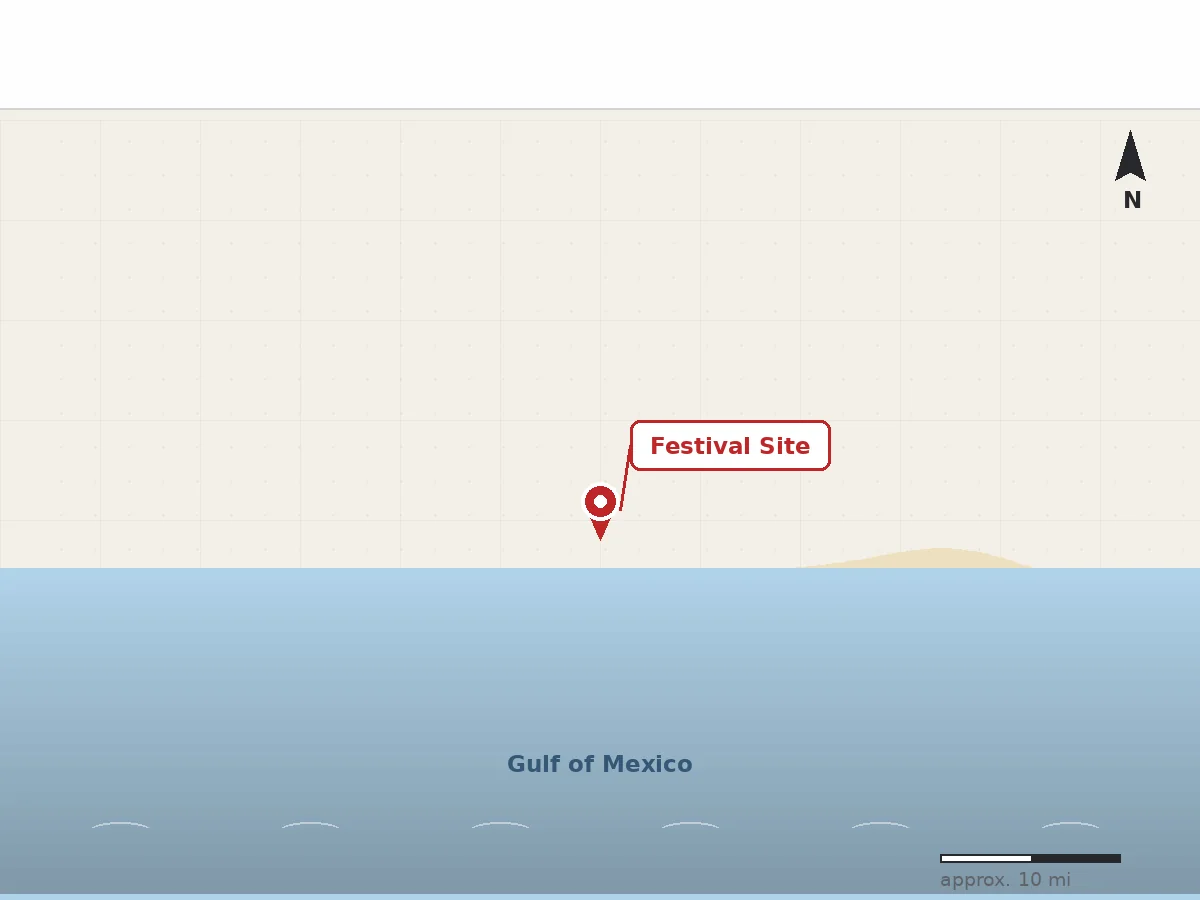
The Morehouse Parish Fair is held in the Morehouse Parish area around Bastrop, the parish seat, in northeast Louisiana.
First-Timer Questions About the Morehouse Parish Fair
Do I need to buy a ticket to get in?
Admission to the Morehouse Parish Fair is typically free, so there is usually no gate ticket to purchase. You pay as you go for rides, games, food, and raffle tickets. Bring small bills and set a rough budget, especially if you have children who will want to try everything on the midway.
When is the fair usually held?
The fair generally falls on a weekend in late summer or early autumn. Exact dates shift from year to year, so check local listings, community calendars, and parish announcements before you plan travel. Once you know the weekend, book lodging early if you are coming from outside Morehouse Parish.
Is the fair a good outing for young children?
Yes. The grounds are compact, the pace is unhurried, and rides, games, animals, and exhibits sit within a short walk of one another. Bring a stroller for a toddler, plan around the hottest part of the afternoon, and agree on a meeting point in case anyone wanders toward the midway.
How do I get to Bastrop from out of town?
Bastrop is reached most directly from Monroe and West Monroe to the west via U.S. Highway 165, which runs through town. From there, follow local signs to the fairgrounds. If you are coming from Arkansas or elsewhere in northeast Louisiana, plan your route around parish roads and allow extra time at dusk.
What’s Ahead for the Morehouse Parish Fair
Like parish fairs across Louisiana, the Morehouse Parish Fair depends on volunteers, exhibitors, and local sponsorship more than on ticket revenue. Its future is tied to whether young families keep entering exhibits, showing livestock, and taking shifts at the gates. The fair has the advantage of a tradition people already care about.
Expect the fair to evolve in small ways — new food vendors, refreshed entertainment, better use of social media to spread the word — while holding on to the exhibits and contests that define it. For a first-timer, that means the fair you visit this year will look familiar next year, which is exactly the point.
Last updated: October 2026
If you go, go without a list of must-sees. Walk the exhibit hall, order something fried, find a lawn chair, and let the evening happen. The Morehouse Parish Fair is not a spectacle to be conquered; it is a community’s annual evening together, and first-timers are welcome to pull up a chair.