Monroe County Kentucky Watermelon Festival
Late summer in Tompkinsville has a flavour all its own, and the published record ties that flavour to a single fruit. The Monroe County Watermelon Festival is documented in two distinct layers: a state magazine events layer, which carries the occasion as a featured calendar listing with a specific date attached, and a sports-media county spotlight layer, which describes the gathering in looser, undated terms. Between them, the layers give the festival a name, a town, a downtown setting and a programme, yet they leave other basics — who organises it, what entry costs — entirely unstated. This article keeps those two pictures separate, exactly as printed, and resists the temptation to blend them into a tidier story than the sources support.

About
The longer published name is “Monroe County Watermelon Festival”, the form used by the state magazine events layer, which carries the event on its calendar as a featured listing. The shorter form, “Watermelon Festival”, appears in the sports-media county spotlight layer, a piece that tours the county’s sporting and community life and pauses on this celebration along the way. Neither layer defers to the other, so both names stand here unmerged, the way they were printed.
The host town is Tompkinsville, in Monroe County, Kentucky. Tompkinsville is the county seat of Monroe County: a state reference layer’s county formation table records that status, and the sports-media layer likewise calls the town Monroe County’s seat. A seat town’s downtown is the natural stage for a county celebration, and both layers put the festival there. The state magazine events layer gives a North Magnolia Street address for its listing — the street name is all that can responsibly be repeated here — while the spotlight layer places the festival on Main Street. Those two placements are not forced into agreement; each belongs to its own source.
One gap deserves plain mention. No organiser name is printed in either of the layers read. The festival exists in the record as a calendar feature and a spotlight description, not as any organisation’s announced production, and no committee, chamber or sponsor is credited. The events layer does carry listing contact details, but contact details are noted here by existence only. Readers looking for an organising body behind the day will not find one in the published material consulted for this article.
Quick Facts
| Item | Detail |
| Published name | Monroe County Watermelon Festival |
| Shorter published form | Watermelon Festival |
| Host town | Tompkinsville |
| County | Monroe County, Kentucky |
| County seat | Tompkinsville, per a state reference layer |
| Setting | Downtown Tompkinsville; Main Street in the spotlight account |
| Dated edition on record | Saturday, the fifth of September two thousand twenty-six |
| Billing as printed | 47th Annual Monroe County Watermelon Festival |
| Programme described | Beauty pageant, car show, parade with floats, food, watermelon seed spitting contest |
| Admission | No gate price stated in any layer read |
History
The state magazine events layer makes two statements about the festival’s past, and this article reports both without trying to make them prove each other. The first is a billing: the edition dated Saturday, the fifth of September two thousand twenty-six is presented as the “47th Annual Monroe County Watermelon Festival”. The second is a start date: the same layer states the tradition “began in 1980”. Both are recorded here as printed, and unmerged. The arithmetic that might connect a start year to an annual billing is deliberately left undone, because annual billings in festival records routinely absorb skipped years, revivals and renumberings, and the layers read offer no account of the editions in between.
For a useful comparison, see the Mercer County Kentucky Shaker Village Harvest Fest Festival for another county festival.
Beyond those two statements, the history is silent. No layer read gives a founding account: no named founder, no first programme, no story of an inaugural year, no explanation of why watermelon became the emblem of the occasion. The sports-media spotlight layer, for its part, assigns no year at all to the festival it describes, so it cannot be used to fill the decades between the stated beginning and the dated modern edition. What the record supports is modest — a tradition its calendar layer says began in nineteen eighty, still carrying an annual billing in two thousand twenty-six — and the honest history of the festival is precisely that, no more and no less.
What to Expect
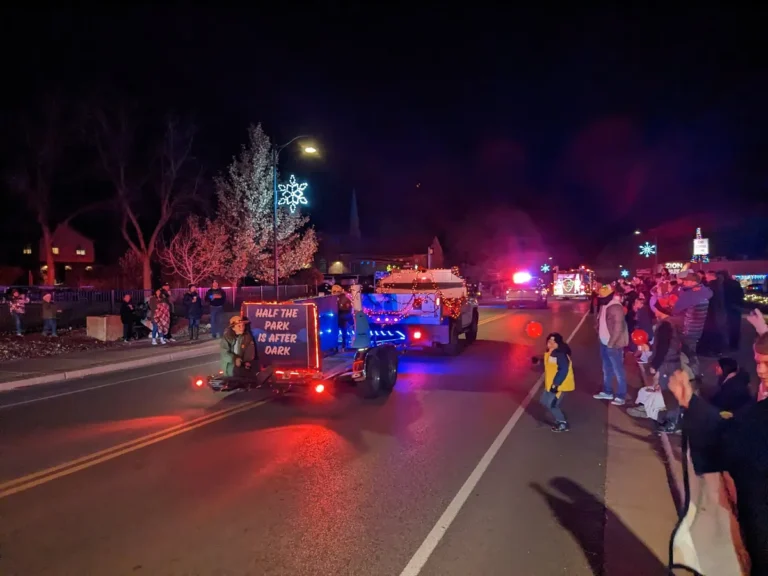
The fullest picture of the day itself comes from the sports-media county spotlight layer, and everything in this section is fenced to that account. The spotlight describes a beauty pageant, a car show and a parade with floats moving through the celebration, food on offer, and a watermelon seed distance spitting contest, in which competitors are judged on how far a seed travels. The setting in that account is Main Street, and the month it names is August. Because the spotlight gives no year, its description floats free of the calendar: it is a portrait of the festival as that layer presents it, not a schedule for any particular edition.
The dated record looks slightly different. The state magazine events layer places its edition on Saturday, the fifth of September two thousand twenty-six, running daytime hours in downtown Tompkinsville. September is not August, and this article does not reconcile the two: the spotlight’s August may reflect an earlier habit, a different edition or simple looseness, and guessing would add nothing the sources earned. A visitor should therefore hold two things at once — a programme described in general terms by one layer, and a single firmly dated daytime edition in early September from the other — and treat the undated programme as the festival’s character rather than its timetable.
Planning Your Visit
Work from the dated listing first. The state magazine events layer is the layer that commits to a day: Saturday, the fifth of September two thousand twenty-six, with daytime hours in downtown Tompkinsville and a North Magnolia Street address attached to the listing. Anyone travelling for the festival should anchor their plans to that entry, since it is the only dated commitment the published record makes.
Money is the area where the record gives least help. Neither layer states a gate price, and this article assumes none in either direction: the absence of a printed price is not evidence of free entry, and it is not evidence of a charge. Visitors who need certainty on costs should use the contact details carried in the events listing itself, which exist for that purpose even though they are not reproduced here. The same route serves for programme confirmation, because the colourful programme detail — pageant, car show, parade, seed spitting — comes from an undated account and cannot be guaranteed for the dated edition. Treat the downtown blocks around Main Street and North Magnolia Street as the festival’s ground, allow the full daytime span the listing describes, and keep expectations flexible about which elements of the spotlight’s portrait will appear in a given year.

A Sample Day at the Festival
A plausible shape for the day, built only from elements the layers document, might run like this. Arrive in downtown Tompkinsville during the morning of the dated edition and settle into the streets the listing names, where the celebration occupies the seat town’s central blocks. Give the middle of the day to the set pieces the spotlight describes: the parade with its floats, the rows of the car show, and the beauty pageant, each unfolding while food vendors keep the crowd fed. Save a light-hearted hour for the watermelon seed distance spitting contest, the one event that could belong to no other festival, and let the rest of the daytime hours drift between the downtown storefronts. None of these elements carries a published time in the layers read, so the itinerary is an ordering of documented ingredients, not a timetable — the order is a suggestion, the ingredients are the record’s.
How the Two Accounts Compare
Setting the layers side by side shows how uneven the documentation is. The state magazine events layer supplies precision about time and status: a weekday, a date, a forty-seventh annual billing and a stated beginning in nineteen eighty, plus a street address for the listing. It says nothing, however, about what actually happens during the day. The sports-media spotlight layer supplies exactly that missing colour — pageant, cars, parade, food and seed spitting on Main Street — but withholds every anchor: no year, no date, and an August timing that sits awkwardly beside the dated edition’s September Saturday. The spotlight also names a second county celebration, the Fountain Run BBQ Festival, which is a different Monroe County event entirely and is not imported into this article. Each layer, in short, is strong where the other is weak, and the festival a reader can defend is the one built by keeping both in view without letting either overwrite the other.
Visitor Checklist
- Anchor travel plans to the dated listing: Saturday, the fifth of September two thousand twenty-six, daytime hours, downtown Tompkinsville.
- Head for the central downtown blocks named across the layers, around Main Street and North Magnolia Street.
- Bring money for food and purchases, since no gate price is published and on-the-day costs are undocumented.
- Check the events listing’s own contact details beforehand to confirm the programme for the dated edition.
- Treat the pageant, car show, parade and seed spitting contest as described elements, not guaranteed fixtures.
- Keep the August description and the September date separate in your mind; the layers never reconcile them.
- Do not confuse this festival with the Fountain Run BBQ Festival, a separate Monroe County event.
Beyond the Festival Day
The festival’s significance within Monroe County is partly a matter of geography. It belongs to Tompkinsville, the seat, and it occupies the seat’s downtown streets, which makes it a gathering point for the whole county rather than one community’s private party. The spotlight layer’s framing supports that reading: it presents the Watermelon Festival while surveying the county as a whole, and it names the Fountain Run BBQ Festival alongside it as another of the county’s occasions, each distinct, neither a substitute for the other. A visitor whose trip extends past the festival day is therefore still in the county’s civic centre, with the downtown that hosts the celebration as the base. Beyond that, the layers read offer little about surrounding attractions, and this article invents none: the honest beyond-the-festival story is a county seat downtown, a second named festival elsewhere in the county’s calendar, and a tradition that draws its meaning from the county it is named for.
There is also a quieter point in the festival’s placement. A celebration staged on the seat town’s main streets belongs, by that placement alone, to everyone the county contains, and the spotlight layer reads it that way, setting it within a survey of the county rather than of one neighbourhood or one street’s residents. Neither layer quantifies the crowd, so the scale of that countywide role cannot be measured from print; but the choice of ground — the courthouse town’s downtown, the streets named across both accounts — is itself a statement about whose festival this is.
Why the Festival Matters
A festival that a state magazine calendar can bill, in two thousand twenty-six, as the forty-seventh annual edition of a tradition that “began in 1980” has clearly held a place in its county’s life across decades, even if the record of those decades is thin. The watermelon gives the occasion an identity no generic fair could copy: it shapes the signature contest, anchors the name, and turns an ordinary county gathering into something unmistakably Monroe County’s own. The programme the spotlight describes — pageant, parade, car show, food — is the classic grammar of an American county celebration, and the seed spitting contest is its local dialect. That combination, a familiar form carrying a distinctive local marker, is what the two layers together document, and it is enough to explain why the listing earns a featured place on a state events calendar.
Frequently Asked Questions
Which edition does the state magazine calendar actually date?
It dates the edition of Saturday, the fifth of September two thousand twenty-six, billed as printed as the “47th Annual Monroe County Watermelon Festival”, running daytime hours in downtown Tompkinsville. That is the only edition in the layers read with a specific day attached to it.
Why do the sources place the festival in two different months?
Because they are different kinds of account. The events layer dates its edition to September, while the undated sports-media spotlight describes the festival in August without assigning a year. This article keeps both timings exactly as printed and does not merge or reconcile them.
Who organises the festival?
Neither of the two layers credits a producing organisation, committee or sponsor. The event appears as a featured listing on a state magazine’s events calendar and as a description in a sports-media county spotlight, with the producing body left unidentified in both.
What happens during the celebration?
According to the spotlight layer, the festival brings a beauty pageant, a car show, a parade with floats, food vendors and a watermelon seed distance spitting contest to Main Street. That programme is undated, so it describes the festival’s character rather than the confirmed line-up of any single edition.
What to Expect From the Next Monroe County Kentucky Watermelon Festival
How often is Monroe County Kentucky Watermelon Festival held?
The dated record shows an edition billed as the forty-seventh annual in two thousand twenty-six, and the events layer states the tradition began in nineteen eighty; beyond that billing, the layers read do not document the rhythm of individual years, so the pattern rests on the annual billing exactly as printed.
When is the next Monroe County Kentucky Watermelon Festival?
The layers read announce no edition beyond the dated Saturday of the fifth of September two thousand twenty-six. The state magazine’s events calendar, which carried that edition as a featured listing, is the source the record points to for any future date.
Will the dates change?
They may, and the record itself shows why caution is wise: the undated spotlight describes an August festival while the dated edition falls in September, so the timing in print has not been uniform. Any future date should be taken from a fresh listing rather than assumed from either layer.
Closing
The Monroe County Kentucky Watermelon Festival survives in print as two partial portraits: a calendar entry with a date, a billing and a beginning, and a spotlight description with a programme and no year at all. Read together, carefully, without letting one borrow authority from the other, they describe a county seat tradition — pageant, parade, cars, food and flying watermelon seeds — that a state events calendar still features in two thousand twenty-six. That is the festival the evidence supports, and presented on those terms, it needs no embellishment.