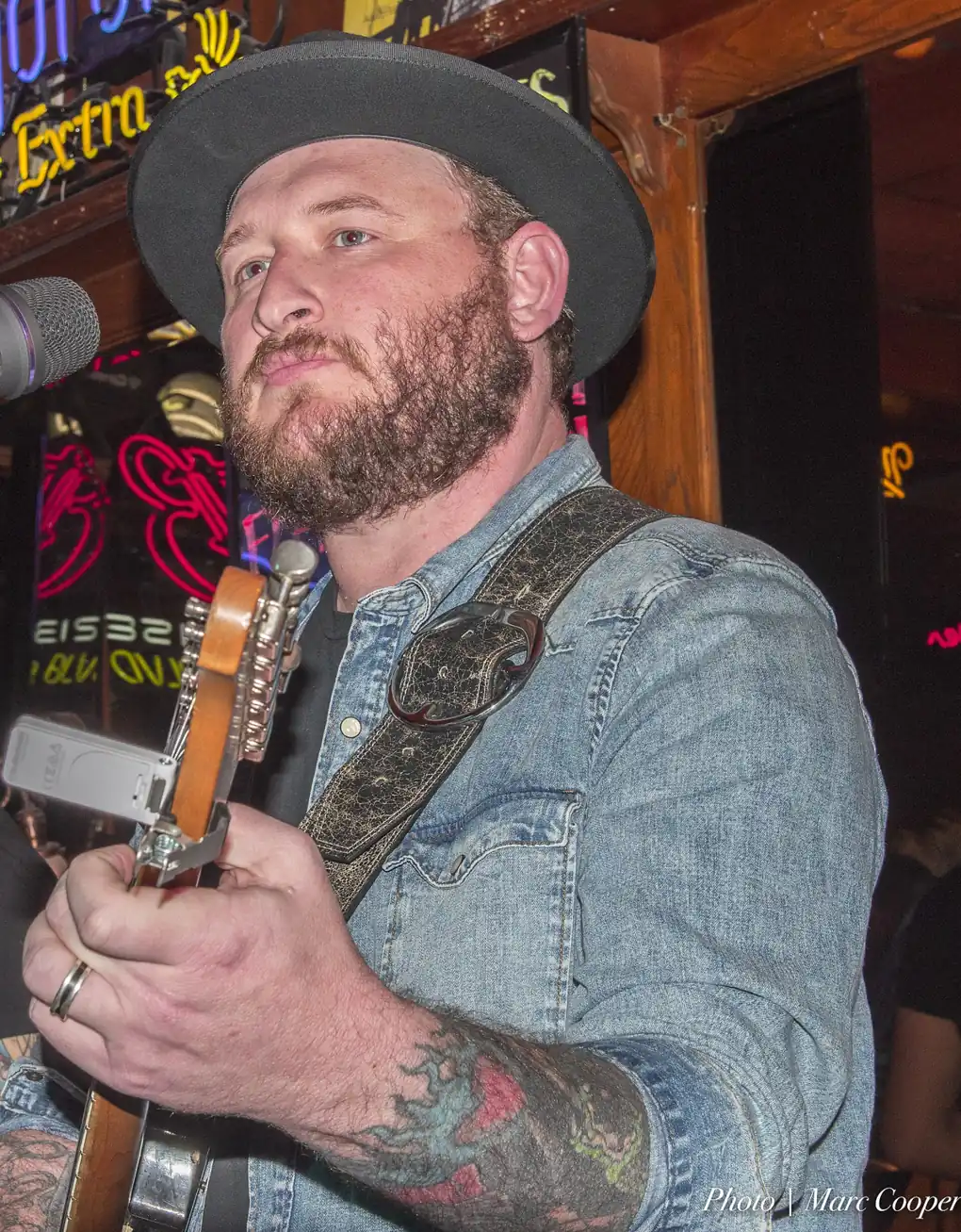
Mono County California Mammoth Festival of Beers and Bluesapalooza Festival
Bluesapalooza has one of the best names in American festivals, and it lives up to it. The Mammoth Festival of Beers and Bluesapalooza fills a pine-ringed meadow in Mammoth Lakes with blues bands and craft beer for four days each summer, drawing more than 6,000 people to a resort town nearly 8,000 feet up in the Eastern Sierra.
It began in 1996 as a small tasting in the parking lot of a local restaurant, with ten breweries and a garage band playing on the roof. Three decades later it is one of the largest craft beer festivals on the West Coast, and a fixture of the mountain summer.
This guide covers what Bluesapalooza is, how the weekend works, and how to plan a trip to Mammoth Lakes for it.
What Bluesapalooza Is
Bluesapalooza is a combined music and beer festival. The beer side is a grand tasting: more than 80 distinct craft breweries pouring well over 200 beers across the weekend, with brewers often on hand to talk about what they have made. The music side is a blues program that has built a national reputation for mixing established names with rising artists.
The event runs four days, with the grand tastings concentrated on Saturday and Sunday. Between them sit food vendors, retail booths and a general festival atmosphere that takes over a large open venue in the middle of town. It supports the California Craft Brewers Association, the trade group for the state’s craft brewing industry.
For a nearby comparison, see the Modoc County California Alturas Balloon Fest Festival.
From a Parking Lot to a Mountain Tradition
The festival’s origin story is part of its charm. In 1996, Mammoth Brewing Company and a few local partners set up a tasting in the parking lot of the Whiskey Creek Restaurant. Ten breweries came, a barbecue grill was fired up, and a local garage band played from the restaurant’s roof. The aim was modest: introduce Mammoth locals to handcrafted beer.
It worked. The second year brought more bands and more beer, and the event kept growing. The parking lot gave way to a proper festival site among the pines, the brewery list expanded past eighty, and the music program grew into a genuine blues showcase. The name, a mashup of Bluesapalooza and a beer festival, stuck.
What has not changed is the character. Bluesapalooza still feels like a mountain town’s party rather than a corporate production, and locals remain heavily involved in running it.
Where and When
The festival is held in Mammoth Lakes, a resort town in Mono County at the foot of Mammoth Mountain, on the first weekend of August. The venue sits among pine trees at roughly 8,000 feet, which makes for cool evenings even in midsummer.
| Location | Mammoth Lakes, Mono County, California |
| Typical timing | Four days on the first weekend of August |
| Founded | 1996, in the parking lot of Whiskey Creek Restaurant |
| Scale | More than 6,000 attendees; 80+ breweries; 200+ beers |
| Music | Blues artists from across the country, plus up-and-coming acts |
| Tastings | Grand tastings on Saturday and Sunday |
| Beneficiary | Supports the California Craft Brewers Association |
The Beer Program
The grand tasting is the heart of the weekend. Dozens of breweries set up under the trees and pour everything from crisp lagers to barrel-aged stouts, and the range is the point. Because so many brewers attend in person, the festival doubles as a chance to talk shop with the people who make the beer.
Tickets come in several forms, including a full four-day pass, two-day passes and single-day options. The four-day pass is the best value for anyone planning to attend the whole weekend, and passes are available online and at the Mammoth Brewing Company tasting room in town.
The Blues
Bluesapalooza takes its music seriously. The lineup spans traditional blues, electric blues, soul and roots, and the festival has earned a reputation in the blues world for presenting both legends and emerging artists on the same bill. Sets run through the afternoons and evenings, and the venue is small enough that the music never feels distant.
For a mountain town with a few thousand year-round residents, hosting a blues program of this caliber is an achievement. It is one of the reasons the festival has outlasted so many similar events in larger cities.
Food, Vendors and the Festival Grounds
Food is a highlight rather than an afterthought. Vendors cover a wide range of cuisines, from barbecue and Cajun to Mediterranean, Indian and vegan options, with local restaurants well represented alongside returning festival favorites. Retail booths sell gear, art and souvenirs.
The grounds themselves are pleasant, with shade, seating and space to spread out. Because the venue is in town, visitors can walk or take local transit rather than driving, which matters at a festival built around beer.
Planning Your Visit
Mammoth Lakes is a summer resort, and Bluesapalooza weekend is one of its busiest. Lodging fills early, so booking months ahead is the single most important step. The town is reached from the south via Highway 395 through Bishop, or from the north through Bridgeport and Lee Vining.
- Book lodging months in advance; the first weekend of August is peak season.
- Buy passes early, and consider the four-day option for the best value.
- Plan for cool evenings at 8,000 feet, even in August.
- Use local transit or walk, since the venue is in town.
- Check the music lineup and schedule the days you most want to see.
Beyond the Festival
Mammoth in summer is an outdoor destination. The mountain runs a bike park and a scenic gondola, the lakes basin above town offers fishing, kayaking and hiking, and Devils Postpile National Monument and the Rainbow Falls trail lie just south of the resort. Yosemite’s eastern entrance at Tioga Pass is a scenic drive away.
The Eastern Sierra rewards a longer stay, and many visitors pair Bluesapalooza with a few days of hiking, fishing or simply driving the June Lake Loop and the road to Bodie, the state’s best-preserved ghost town. The festival makes an easy centerpiece for a mountain week.
A Weekend in Mammoth
Bluesapalooza weekend is a good excuse to treat Mammoth Lakes as a destination rather than a stop. The town sits at the base of Mammoth Mountain in the Eastern Sierra, surrounded by national forest, and summer here is built around the outdoors. Visitors can ride the scenic gondola up the mountain, hike or bike the trails that leave from town, or spend an afternoon on one of the lakes in the basin above.
The lakes basin is the local playground. Twin Lakes, Lake Mary, Lake George and Horseshoe Lake sit a short drive or shuttle ride from the village, offering fishing, kayaking, paddleboarding and picnicking. On a warm August afternoon, a few hours on the water is a fine counterpoint to a loud festival evening.
For something quieter, the town’s restaurants, breweries and shops fill the gaps between festival sets. Mammoth is compact and walkable in its core, and a free trolley connects the main areas during the summer, which makes it easy to leave the car parked.
The Local Brewing Culture
Bluesapalooza grew out of Mammoth’s own brewing scene, and that connection still shapes the festival. Mammoth Brewing Company, the town’s long-established brewery, was central to the first event and remains closely involved, with its tasting room serving as a ticket outlet and a gathering point for the weekend.
The mountain setting has influenced the beer itself. Brewing at altitude changes the process, and local brewers lean into styles that suit a resort town: crisp lagers and session beers for warm days, and darker, stronger offerings for the cold months. The festival’s brewery list brings together that local identity with names from across California.
For visitors, the upshot is a festival that feels connected to a real place rather than dropped into a parking lot. The beer is made by people who live here, and the event is supported by a community that treats it as its own.
Getting There and Getting Around
Mammoth Lakes is reached along Highway 395, which runs the length of the Eastern Sierra. From the south, the drive comes through Bishop; from the north, through Bridgeport and Lee Vining past Mono Lake. Yosemite’s eastern entrance at Tioga Pass is a scenic detour when the road is open in summer.
Once in town, driving is optional. The festival venue is central, the town operates a free summer trolley, and most lodges are within walking distance of the grounds. Given that the weekend revolves around beer, leaving the car behind is the sensible choice.
Because August is peak season, the roads and lodges are busy. Visitors should book early, expect to pay resort prices for lodging, and plan meals and activities in advance during the festival weekend.
The Blues Lineup and the Festival Vibe
Bluesapalooza’s music program is what elevates it above a standard beer tasting. The festival has built a reputation in the blues world by presenting both legends and up-and-comers, and the lineup spans traditional blues, electric blues, soul and roots. Sets run through the afternoon and evening, and the venue’s scale keeps the music close.
For a resort town of a few thousand year-round residents, that programming is remarkable. It reflects the festival’s ambition and the loyalty of its audience, many of whom return year after year and plan summer trips around the first weekend of August.
The crowd matches the setting: relaxed, outdoorsy and there for the long haul. Blankets and low chairs appear on the grass, groups stake out shade under the pines, and the mood stays easy even at the busiest hours. It is a festival that rewards settling in rather than rushing between stages.
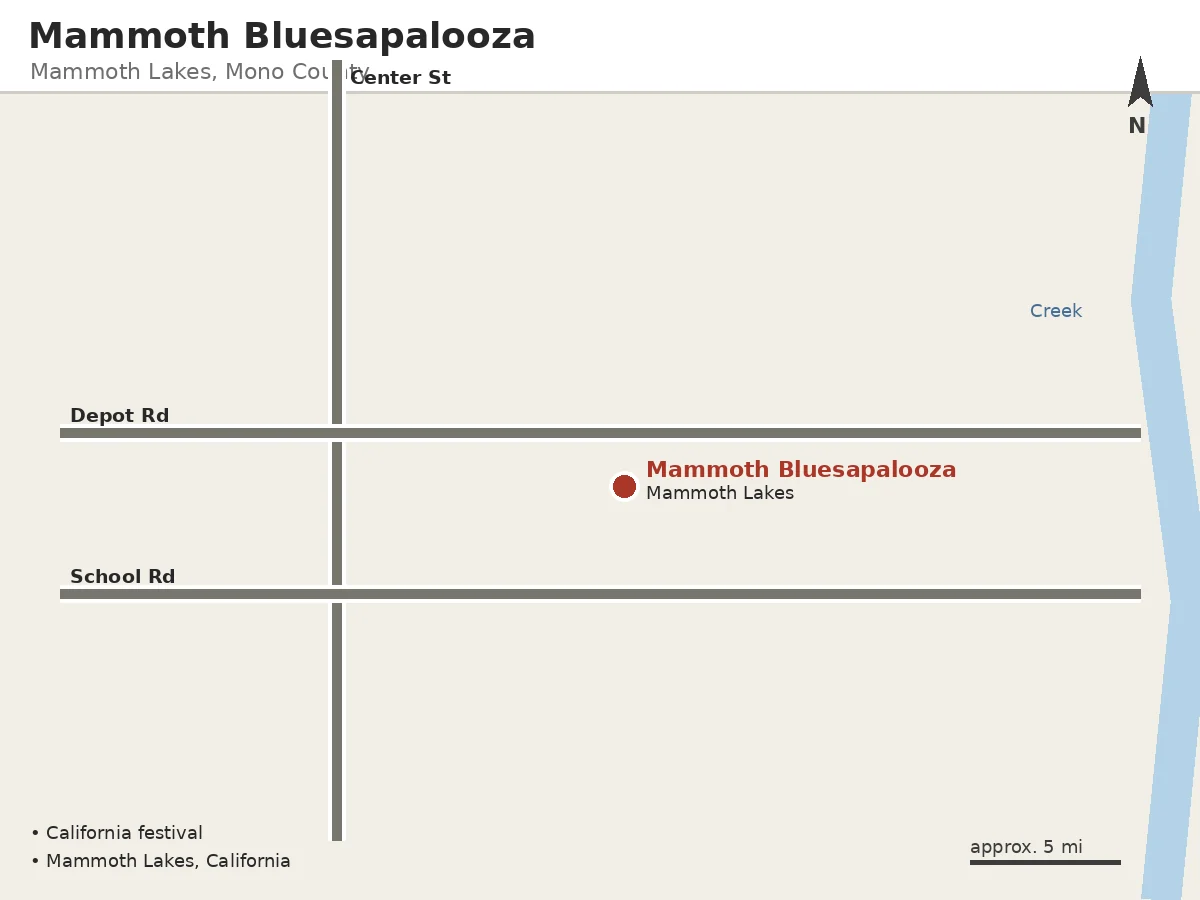
Festival Area Map
The map below marks the Mammoth Lakes festival grounds, with the Highway 395 approach for planning your trip to Bluesapalooza.
Frequently Asked Questions
When is Bluesapalooza?
It is held over four days on the first weekend of August in Mammoth Lakes.
Where is it held?
At a festival venue in Mammoth Lakes, California, in the Eastern Sierra.
How many breweries attend?
More than 80 craft breweries pour over 200 beers across the weekend.
What kind of music is it?
The program is focused on blues, spanning traditional, electric, soul and roots styles.
Do I need a ticket?
Yes, the festival is ticketed, with four-day, two-day and single-day passes available. Buying early is recommended.
Is it family-friendly?
The festival is oriented toward adults, given its focus on beer and music, though food and vendors are open to all pass holders.
What to Expect From the Next Bluesapalooza
How often is it held?
It is an annual event, held each August.
When is the next festival?
The next edition is expected on the first weekend of August. Confirm dates, lineup and ticket details with the organizers.
Will the format change?
The beer tasting and blues programming have been consistent for years, though the brewery list, lineup and venue details can shift.
Last updated: October 2026
Bluesapalooza is a rare thing: a festival that grew up without losing its personality. It started with ten breweries and a band on a roof, and it still feels like a mountain town throwing a party for its friends, only now the friends number in the thousands. For anyone who likes blues and craft beer, it is worth planning a summer around.
One Comment