McHenry County Illinois McHenry County Fair Festival
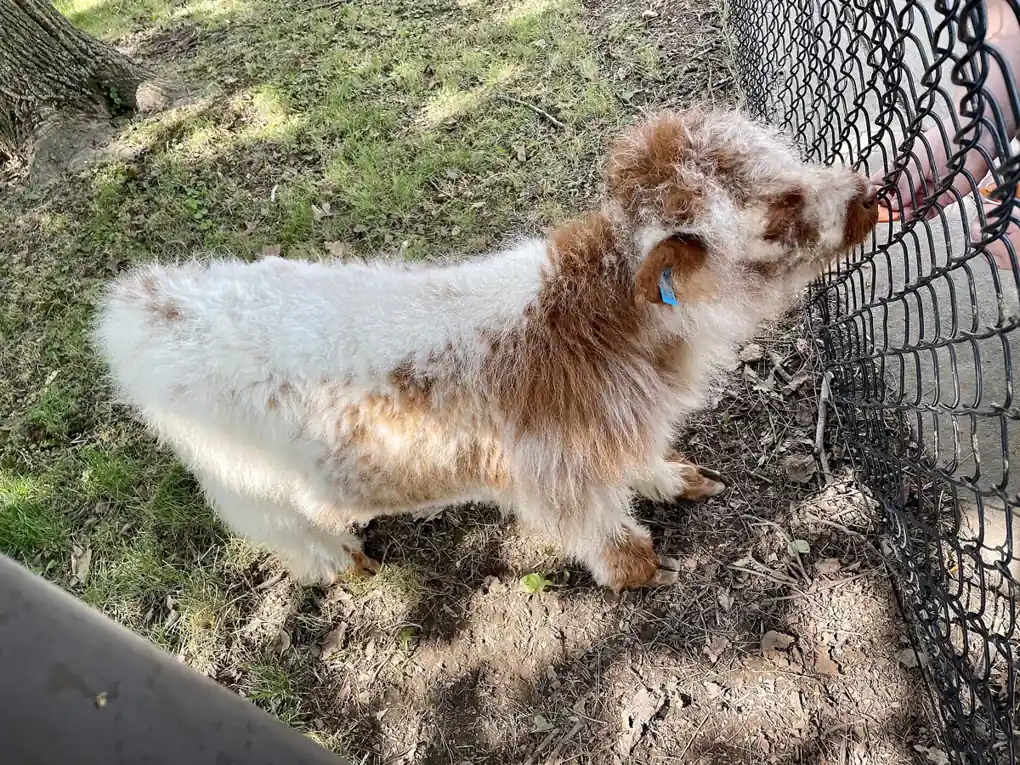
Every summer, the middle of McHenry County fills with the smell of fried dough, the low murmur of cattle in the barns, and the clatter of a midway that has been part of local childhoods for generations. The McHenry County Fair is the kind of event that anchors a county’s calendar — not a slick corporate production, but a working agricultural fair with a carnival attached and a grandstand that fills after dark.
This guide is built for the practical visitor: what the fair actually is, when it lands on the calendar, how to plan a day or a weekend around it, and what to do with the rest of your time in the McHenry County area once the barns close.
McHenry County Fair: The Essentials Before You Drive Out
| Town / area | The McHenry County area, Illinois |
| County | McHenry County, Illinois |
| County seat | Woodstock |
| Land area | 611 square miles |
| Region | Northern Illinois |
| Typical timing | Summer, most often late July or early August |
| Admission | Generally free or low-cost to enter the grounds; rides, food, and grandstand events are paid separately |
| Setting | Traditional county fairgrounds with livestock barns, show rings, exhibit halls, and a midway |
| Features | Livestock judging, 4-H projects, carnival rides, grandstand entertainment, fair food |
| Organizer | Local volunteers and agricultural organizations from across the county |
What the McHenry County Fair Is, in Plain Terms
The McHenry County Fair is a multi-day traditional county fair held in the McHenry County area of northern Illinois. That phrase — traditional county fair — matters, because it tells you what you are walking into. There are livestock barns where exhibitors brush and feed animals before judging. There are exhibit halls full of preserves, vegetables, quilts, photography, and school art. There is a midway with rides and games, a cluster of food trailers, and a grandstand that hosts entertainment once the evening cools off.
McHenry County covers 611 square miles, and its county seat is Woodstock. The fair draws from that whole footprint — farm families, small-town residents, and suburban households looking for something their kids can actually touch and smell. What separates this fair from a city street festival is that almost everything on the grounds is local. The ribbons are earned, not bought. The kids showing goats and rabbits raised them. The pies on the tables came out of kitchens a few miles away.
How the Fair Became a McHenry County Summer Anchor
Like most county fairs across the Midwest, the McHenry County Fair grew out of the agricultural societies and grange culture that organized competitions for farmers long before anyone thought of a fair as entertainment. The earliest versions of these gatherings were practical: compare crops, judge livestock, share techniques, and celebrate a good season. The carnival, the grandstand, and the food stands came later, layered on top of that agricultural core.
For another look at how a community turns its own traditions into a gathering, see the McDonough County Illinois McDonough County Fair Festival for a useful comparison.
Over the decades, McHenry County itself changed enormously. Land that once grew corn and hay now sits under subdivisions and commuter subdivisions, and the county has become a mix of working farms, small cities, and bedroom communities tied to the wider Chicago region. Through all of that, the fair kept its footing by holding on to the parts that mattered: youth exhibitors, livestock shows, and a schedule built around local participation rather than outside bookings.
The result is an event with a long institutional memory. Families who showed animals in the fair’s barns decades ago now watch their grandchildren do the same, often in the same buildings. That continuity is the fair’s real history — not a single founding moment, but a slow accumulation of summers.
What a Day at the Fairgrounds Actually Feels Like
Mornings at the fair are quiet and agricultural. Afternoons are hot, busy, and full of judging. Evenings belong to the midway and the grandstand. Plan your visit around which of those three moods you want.
Fair Food Worth Planning Around
The food is the classic county fair lineup: corn dogs, elephant ears, funnel cakes, lemonade shake-ups, pulled pork, brats, fries, and ice cream. Expect a mix of local nonprofit booths and traveling concession trailers, and expect the church and service-club stands to be some of the best value on the grounds. Cash still moves faster at many smaller stands, so carry some even if you plan to tap a card at the gate.
Grandstand Music and Evening Entertainment
Evening is when the fair shifts gears. The grandstand typically hosts entertainment — often a mix of local and regional acts, with some nights built around motorsports or other arena events. Seating and ticket arrangements vary from year to year, so check the current schedule before you promise anyone a specific show. Arrive early if you want a good seat and a parking spot that doesn’t require a long walk back in the dark.
Family Activities and Things for Kids to Do
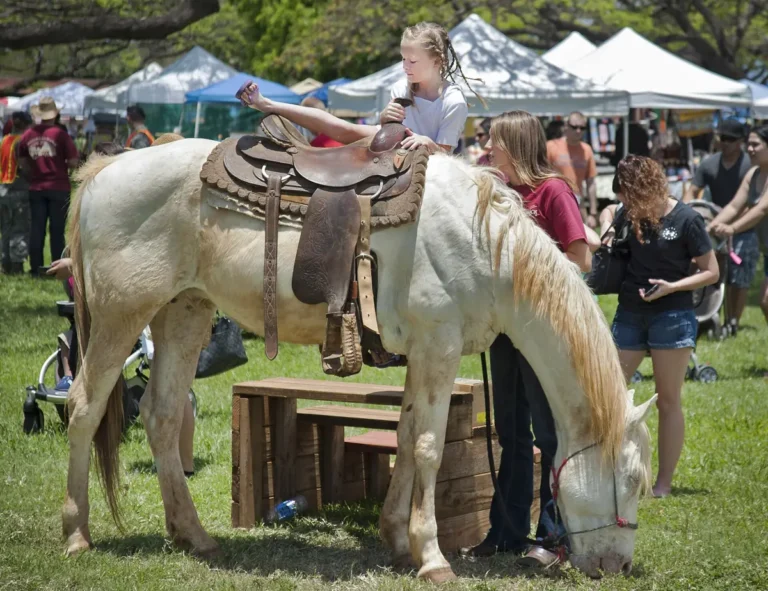
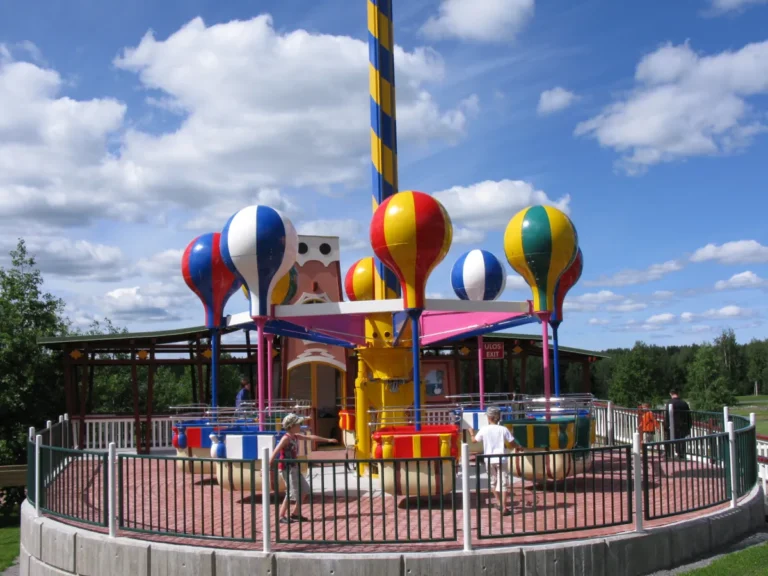
This is a genuinely kid-friendly fair. Beyond the rides, there are animal barns where children can watch grooming and judging up close, hands-on agricultural displays, and the exhibit halls, which are surprisingly absorbing for young visitors who like to see what other kids made. Stroller access on the main paths is generally manageable, though the barn areas get muddy after rain. Bring wipes, sunscreen, and a change of shoes.
Planning a Trip to the McHenry County Fair
Getting There From Around McHenry County
The fairgrounds sit within the McHenry County area, and the vast majority of visitors arrive by car. If you are coming from Woodstock or another nearby town, the drive is short; from the southern and eastern edges of the county, allow extra time for summer traffic and for the slowdown that builds near the entrances as gates open. A paper or downloaded map helps in the rural stretches where cell coverage can be patchy.
Where to Stay Near the Fairgrounds
Lodging options are concentrated in the county’s larger communities, with a handful of chain hotels and independent inns within a reasonable drive of the fair. Because fair week is a busy stretch locally, book earlier than you think you need to if you want to stay overnight on a weekend. Campers and RV owners should confirm current policies with the fair directly, since on-site camping availability changes from year to year.
Parking and Arrival Timing
Parking is usually the least glamorous part of fair day. Lots fill quickly on weekend evenings and during grandstand events, so aim to arrive before the dinner rush or accept a longer walk. Keep a meeting point in mind if your group splits up, and note that the walk back to the car after dark is easier with a flashlight and closed-toe shoes.
Admission and What Things Cost
Entry to the grounds is generally free or low-cost, with the real spending happening inside: ride wristbands or tickets, food, games, and grandstand events. Budget more than you expect if you have children, and look for value passes or bundled ride deals, which many fairs offer on select days. Exact pricing changes year to year, so treat any figure you hear secondhand as a rumor until you see it posted.
Weather and What to Wear
Late July and early August in northern Illinois mean heat, humidity, and the occasional fast-moving thunderstorm. Dress in light layers, wear shoes you don’t mind ruining, and bring a hat. If storms roll in, the barns and exhibit halls make decent shelter, but be ready to head for the car. Evening temperatures drop enough that a light jacket is welcome by the time the grandstand empties.
A Sample Weekend Itinerary in McHenry County
Start Saturday morning at the barns. Arrive shortly after the gates open, when the aisles are still cool and exhibitors are washing and clipping animals before judging. Spend an hour in the livestock area and another in the exhibit hall, where you can see the year’s entries in baking, canning, flowers, and photography. Eat lunch early — before noon — from a nonprofit booth rather than waiting in the longest lines at one o’clock.
Spend the hot middle of the afternoon in the shade or back at your hotel, then return in the early evening when the midway lights come on. Ride first, eat second, and finish with the grandstand. Sunday morning is the better choice if you have small children or want a calmer experience: the crowds are thinner, the animals are still on display, and you can actually talk to the exhibitors. Wrap up with a drive into Woodstock for coffee and a look around the historic square before heading home.
The McHenry County Fair Next to Nearby County Fairs
If you are deciding how to spend a summer weekend in northern Illinois, it helps to know what the neighbors offer. County fairs in adjacent Lake, Boone, and Kane counties run on similar late-summer rhythms, with comparable mixes of livestock shows, midway rides, and grandstand acts. Lake County’s fair tends to draw a more suburban crowd, while Boone County’s leans further into its agricultural roots.
What sets McHenry County apart is scale and setting: a 611-square-mile county with Woodstock at its center, a mix of farm towns and commuter communities, and a fair that still feels genuinely local rather than imported. If you are choosing between two fairs on the same weekend, pick based on which town you want to explore around it — the fair experience itself will feel familiar in the best way.
Fair Day Checklist for McHenry County Visitors
Bring cash for small stands, sunscreen, hats, refillable water bottles, and shoes that can handle mud and gravel. Pack a light rain jacket, a phone charger, and a tote bag for the inevitable fair purchases. Leave pets at home unless the fair’s current policy says otherwise — most fairs restrict animals to exhibitors. Check the day’s schedule online before you go, since livestock judging times and grandstand events drive everything else. Charge your phone in the morning, because coverage and battery both suffer after a full afternoon outdoors.
Beyond the Fairgrounds in McHenry County
The county seat of Woodstock is the obvious next stop, with a historic downtown square, independent shops, and restaurants that make an easy post-fair dinner. Elsewhere in the county you will find conservation areas, forest preserves, and miles of rural roads that are pleasant to drive when the corn is tall. The Fox River corridor and the chain-of-lakes communities to the north offer paddling, fishing, and lakeside dining if you want a second day out.
For families, the county’s parks and trails make a good counterweight to a loud afternoon on the midway. For adults, the small-town taverns and breweries scattered through the county are worth an evening. Treat the fair as the centerpiece and build a weekend around it rather than trying to do everything in one day.
What the Fair Means to Woodstock and the Wider County
The McHenry County Fair is one of the few annual events that pulls the whole county into one place. Farm families, town residents, and newcomers all end up on the same midway. For 4-H members, the fair is the culmination of a year’s work — the moment a project is judged, a ribbon is pinned, and a kid learns how to lose gracefully and win humbly.
It also functions as an economic and civic engine for the area. Local vendors, service clubs, churches, and youth groups use fair week to raise money and visibility. In a county that has changed quickly, the fair is a rare piece of shared ground — the one week each summer when everyone in the McHenry County area is headed to the same place.
Where the McHenry County Fair Sits
The fairgrounds are located in the McHenry County area of northern Illinois, within easy driving distance of Woodstock, the county seat.
McHenry County Fair Questions, Answered
When does the McHenry County Fair usually take place?
It is a summer fair, most often running in late July or early August across several consecutive days. Exact dates shift each year, so confirm the current schedule before you plan travel or time off.
Do you have to pay to get into the fair?
Admission to the grounds is generally free or low-cost, with costs concentrated on rides, food, games, and grandstand events. Many fairs offer discounted ride passes on certain days, so it pays to check before you buy individual tickets.
Is the fair a good outing for young children?
Yes. The animal barns, exhibit halls, and kiddie rides are all built for families, and mornings tend to be calmer and cooler than afternoons. Bring a stroller if you have toddlers, and expect the midway to be the loudest part of the day.
What should I bring to the fairgrounds?
Cash, sunscreen, water, a hat, comfortable closed-toe shoes, and a light rain jacket cover almost every scenario. If you plan to stay into the evening, add a layer for the temperature drop and a flashlight for the walk back to your car.
The Future of the McHenry County Fair
County fairs across the Midwest are navigating the same questions: how to keep agricultural programming relevant to a population that is increasingly suburban, how to attract younger volunteers, and how to fund aging buildings and infrastructure. The McHenry County Fair’s advantage is that its core product — local exhibitors, local food, local competition — has not gone out of style.
Expect the fair to keep evolving toward more evening entertainment, more family-oriented attractions, and more flexible ticketing, while protecting the barns and exhibit halls that give it identity. If you have not been in a few years, the fair you find will look familiar, with some new energy around the edges.
Last updated: October 2026
Whether you come for the livestock judging, the funnel cakes, or the grandstand lights, the McHenry County Fair rewards a little planning and a willingness to slow down. Arrive early, stay late, and leave room in your weekend for Woodstock and the quiet roads in between — that is where the county shows you what it is.
One Comment