Maui County Hawaii Maui AgFest & 4-H Livestock Fair Festival

Maui County grows far more than postcards. Across 2,398 square miles of volcanic slope, windward valley, and dry leeward flat, farmers, ranchers, and 4-H families raise cattle, goats, pigs, poultry, taro, sweet corn, strawberries, coffee, and cacao. Once a year, a great deal of that harvest — and a good number of those animals — lands in one place at the Maui AgFest & 4-H Livestock Fair.
If you build trips around what you eat, this is the most useful day on the Maui County calendar. It is part county fair, part farmers market, part livestock show, and part plate-lunch festival, and it is organized almost entirely around food grown or raised inside the county.
Maui AgFest & 4-H Livestock Fair: The Essentials
| Town / place | Central Maui, in the Maui County area near Wailuku |
| County | Maui County, Hawaii |
| County seat | Wailuku |
| Population | 164,754 (2020 census) |
| Region | Central Maui, between the West Maui Mountains and Haleakala |
| Typical timing | A spring weekend, in most years |
| Admission | Generally free to enter; food, crafts, and some activities are sold separately |
| Setting | An open-air agricultural venue with trade winds, lawn, and pasture views |
| Features | 4-H livestock shows, farm exhibits, food booths, local produce, entertainment |
| Organizer | Maui County’s agricultural community and 4-H organizations |
Inside Maui County’s Farm-and-Pasture Gathering
The Maui AgFest & 4-H Livestock Fair is a gathering of the county’s growers, ranchers, and youth agricultural clubs, staged in central Maui within easy reach of Wailuku, the county seat. Its purpose is straightforward: put the people who produce Maui County’s food in the same space as the people who eat it, and let the eating do the talking.
That means the fair is not a passive exhibit. Livestock are washed, haltered, and walked into a show ring. Produce is piled on tables and sold by the pound. Concession stands run by 4-H clubs and local vendors serve food built from island ingredients. For a visitor, the fair doubles as a crash course in what Maui County agriculture actually looks like in the present day — smaller, more diversified, and far more interesting than the plantation-era image many travelers arrive with.

From Paniolo Pastures to a County-Wide AgFest
Maui County was founded in 1905, with Wailuku as its seat, and for much of the twentieth century its rural economy rested on sugar, pineapple, and cattle. The upcountry slopes above the central plain became cattle country, worked by paniolo — Hawaiian cowboys whose traditions predate the mainland’s better-known ranch culture and still shape the county’s self-image.
As plantation agriculture contracted, Maui County’s farming shifted toward smaller, more varied operations: vegetables, fruit, coffee, cacao, taro, and specialty livestock. 4-H clubs, long embedded in rural communities, kept the livestock side of that world visible, teaching young members to raise, handle, and show animals.
The AgFest grew out of that combination — a youth livestock fair that widened into a county-wide celebration of agriculture, with the food hall becoming as much of a draw as the show ring. The exact shape of the event shifts from year to year, but the premise has stayed fixed: agriculture in Maui County is worth showing off, and the best way to show it off is to serve it.
What a Day at the AgFest Actually Feels Like
Expect a relaxed, family-heavy crowd, a lot of walking on grass and gravel, and a schedule that builds from a quiet morning to a busy midday. Come hungry, wear shoes you don’t mind dusting off, and plan to eat standing up.
Eating Your Way Through the Food Row
Food is the main event for most visitors. Expect plate lunches and grilled meats, kalua pork and laulau, loco moco, poke, fresh fish, and island-style sides — along with produce stands selling Maui-grown fruit, corn, tomatoes, and greens. Sweet stalls and bake-sale tables run by 4-H clubs and community groups are part of the ritual, and so is shave ice. Kula-grown vegetables, Maui coffee, and locally made chocolate frequently turn up among the vendors. Bring cash for the small stands and a reusable bag for anything you plan to carry home.
Music, Demos, and the Show Ring on the Side
Live entertainment typically runs through the day, leaning toward Hawaiian music, slack key guitar, ukulele, and local bands, with hula and cultural performances mixed in. Between sets, there are usually demonstrations and talks — cooking, butchery, animal handling, growing techniques — that give the fair its working-agriculture feel rather than a purely festival one. The soundtrack is the show ring announcer calling classes, kids coaching goats, and someone banging a gavel at the auction.
Family Activities and the 4-H Livestock Shows
The 4-H livestock program is the heart of the fair. Young handlers show steers, pigs, goats, sheep, and poultry, and the judging rings draw a genuine crowd of parents, grandparents, and neighbors. For children, there are typically hands-on areas, agricultural displays, and activities that get them close to animals and plants rather than just watching. It is an easy day out for families, and strollers handle most of the grounds.
Planning Your AgFest Weekend in Maui County
Because the fair sits in central Maui, it works as a half-day add-on to almost any island itinerary. A little planning makes the day smoother.
Getting There From Kahului, Wailuku, and Kihei
Central Maui is the island’s crossroads. From Kahului and its airport, the drive is short; from Wailuku it is shorter still. Visitors staying in Kihei, Wailea, or the west side can reach the fairgrounds by car in well under an hour in normal traffic. Rideshare is available but can surge around the busiest hours, so plan a pickup point in advance.
Where to Stay Around Maui County
Staying in or near Wailuku and Kahului puts you minutes from the fair and close to upcountry drives. Kihei and Wailea offer beach time plus a manageable commute. West-side resorts mean a longer drive but a classic Maui stay. Upcountry rentals in the Kula and Makawao area suit anyone who wants cool nights and farm stands on the way home.
Parking and Moving Around the Grounds
Parking is usually on-site or in nearby lots and fields, with attendants directing traffic. Arrive early for the closest spots, or later in the afternoon as the first wave leaves. Once inside, expect to walk: food row, animal pens, and the entertainment area are spread out. Comfortable shoes matter more than anything else you pack.
Admission, Food, and What a Day Costs
Admission is typically free, which is part of the fair’s community character. Your spending goes to food, drinks, produce, crafts, and activities. Budget like you would at a good farmers market: modest entry cost, easy to spend more than you planned once you smell the grill. Small bills help at club-run stands.
Trade Winds, Sun, and What to Wear
Central Maui in spring is warm and often breezy, with strong midday sun and the chance of a passing shower. Bring a hat, reef-safe sunscreen, sunglasses, and a light layer for the wind. Closed-toe shoes are the practical choice around livestock areas. Refillable water bottles are welcome and useful.
A Sample AgFest Weekend, Morning to Evening
Start early. Arrive near opening while the lots are still empty and the food vendors are firing up, and walk the livestock barns first, when handlers are still grooming animals and the crowds are thin. That is also the best window for photographs.
By late morning, work the food row: one savory plate, one produce stand, one sweet stop. Catch a music set or a demonstration over lunch, then watch the show ring through the early afternoon. Spend the last hour buying anything you want to take home — coffee, chocolate, fruit, plants — before the lines form. Leave mid-afternoon and drive upcountry for a sunset, or head back to the coast for a swim.
How the AgFest Compares to Other Maui Celebrations
The Maui County Fair in Kahului is the island’s big traditional fair, held in autumn, with rides, games, and a midway — larger, louder, and less focused on agriculture. The AgFest is smaller and more food- and farm-centered, closer in spirit to a very good farmers market with a livestock show attached.
In Hana, the East Maui Taro Festival celebrates a single crop and a deep cultural tradition, with taro dishes, pounding, and music in a remote windward setting. On the west side, the Maui Onion Festival leans into one famous local ingredient with cooking demonstrations and tastings. Compared with both, the AgFest is broader — a county-wide survey of everything Maui County grows and raises, rather than a tribute to one crop.
AgFest Day Checklist for Maui County Visitors
| Arrive near opening | Easiest parking, shortest food lines, best light in the animal barns |
| Cash plus a card | Club-run stands and bake sales often prefer small bills |
| Reusable tote | For produce, coffee, and anything you buy to take home |
| Hat, sunscreen, water | Central Maui sun and trade winds are both real |
| Closed-toe shoes | Grass, gravel, dust, and livestock areas |
| Empty stomach | Food row is the point of the day |
Beyond the Fairgrounds: Eating Around Maui County
Use the fair as a map for the rest of your trip. Wailuku has a compact, walkable downtown with cafes and small restaurants worth an afternoon. Kahului is where you find markets, bakeries, and the practical food stops locals actually use. Upcountry, the Kula and Makawao corridor is farm-stand country — strawberries, corn, onions, goat cheese, and coffee, often sold from roadside sheds with honor boxes.
Along the coast, Paia and Haiku lean into fresh fish and casual cafes, while the west side delivers resort dining. Wherever you go, follow the AgFest’s logic: buy what is grown nearby, ask who grew it, and eat it while it is still in season.
Why the AgFest Matters to Maui County’s Food System
For a county of 164,754 people spread across islands and separated by ocean from everywhere else, food security is not an abstract issue. The AgFest puts the local food economy on display in a way that is celebratory rather than anxious — and it gives younger growers and 4-H members a public stage. When a kid sells out of bake-sale cookies or walks a goat into the ring in front of a hundred neighbors, agriculture stops being a nostalgia story and becomes a living career path.
Where the Maui AgFest & 4-H Livestock Fair Takes Place
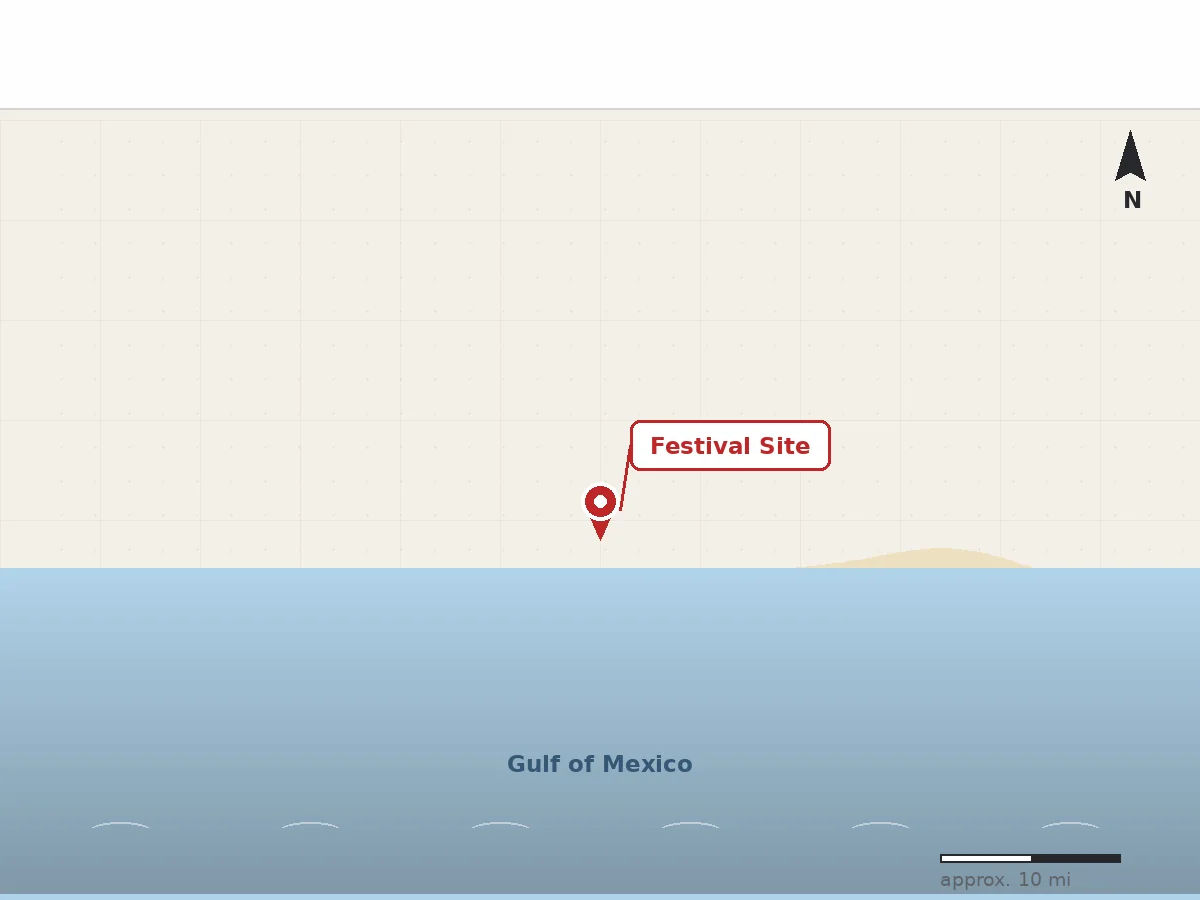
The fair is held in central Maui, a short drive from Wailuku, the county seat, with the West Maui Mountains on one side and Haleakala rising on the other.
Maui AgFest Visitor Questions, Answered
Is admission to the Maui AgFest free?
Admission is typically free, which keeps the fair accessible to local families. You pay for food, drinks, produce, crafts, and certain activities, so bring a modest budget and some cash alongside a card.
What should I eat first?
Start with something grilled or slow-cooked from a local vendor, then move to produce you cannot easily find at home — Kula vegetables, island fruit, and anything selling out fast. Finish at a 4-H bake sale or a shave ice stand.
Is the fair good for young children?
Yes. The livestock shows, hands-on agricultural activities, and open lawns make it a comfortable family day. Bring sun protection, water, and shoes that can handle grass and dust, and keep an eye on little ones near the animal pens.
When is the best time to arrive?
Early, close to opening. Parking is easier, the animal areas are calm, and food lines have not yet formed. Midday is the busiest stretch, and the pace eases again toward the afternoon.
Looking Ahead for the Maui AgFest & 4-H Livestock Fair
The fair’s future is tied to Maui County’s farms and ranches. As diversified agriculture, value-added food production, and youth agricultural programs continue to grow, the AgFest has room to expand its food offerings, its demonstrations, and its role as a meeting point between producers and the public.
Expect the fundamentals to stay the same: a spring weekend, free entry, a show ring full of 4-H animals, and a food row worth crossing the island for. Confirm the year’s details locally before you go, since the schedule shifts from year to year.
Last updated: October 2026
The Maui AgFest & 4-H Livestock Fair is not the flashiest event in Hawaii, and that is exactly its charm. It is a county showing you what it grows, cooked and served by the people who grew it — which, for anyone who travels to eat, makes it one of the most rewarding stops in Maui County.