Marshall County Kansas Marshall County Fair Festival
Ask anyone in Marysville what fair week looks like and you will get a routine rather than a description. The pickup gets washed. Show clothes get hung the night before. A grandmother claims her grandstand seat early, an uncle starts talking about the pie stand before noon, and somebody’s teenager disappears toward the barns for the rest of the evening. The Marshall County Fair is less a date on the calendar than a rhythm the whole county falls into each summer.
Held each summer, in most years in late July or the opening days of August, the fair gathers a county of 10,038 people (2020 census) spread across 905 square miles. Farm families, town families, former 4-H members and grandparents with folding chairs all end up on the same patch of ground, which is precisely the point. In a county this size, fair week is one of the few times so many of those miles’ residents stand in the same line for the same lemonade.
What follows is a practical guide: what the fair is, how it grew out of Marshall County’s long agricultural history, what residents actually do there, and how to plan a visit whether you live ten minutes from the grounds or two hours away.
Marshall County Fair Essentials for First-Time Visitors
| Town / place | The Marshall County area, Kansas |
| County | Marshall County |
| County seat | Marysville |
| Population | 10,038 (2020 census) |
| Region | Northeast Kansas |
| Typical timing | Each summer, in most years in late July or early August |
| Admission | Grounds admission is typically free; some activities may charge |
| Setting | Open-air fairgrounds with barns, show rings and a grandstand |
| Signature features | Livestock shows, 4-H exhibits, fair food, grandstand evenings |
| Organizer | Local volunteer fair board and community groups |
What the Marshall County Fair Is, and Who It’s For
This is a traditional county fair in the fullest sense: livestock judging in the barns and show rings, static exhibits in the hall, a carnival midway, grandstand programming in the evenings, and food stands run by the churches, clubs and booster groups that hold Marshall County together the other fifty-one weeks of the year. Nothing here is packaged for tourists. It is built for the people who live in the county, and visitors are simply welcomed into it.
The crowd is a cross-section of northeast Kansas. You will see families in chore clothes who came straight from the farm, Marysville residents who walk over after work, teenagers in matching club shirts, and grandparents who have attended since they were the ones leading a calf into the ring. The people filling the bleachers are often the same people filling the barns, just an hour or two apart.
For another look at how a community turns its own traditions into a gathering, see the Marshall County Iowa Marshalltown Art Festival for a useful comparison.
The habits are consistent. Locals eat supper at the grounds at least once during the week rather than cooking at home. They walk the barns before they sit down anywhere. They check the exhibit hall for ribbons early, before the best baked goods and photographs are claimed. And they almost always run into three people they have not seen since last year’s fair.
From an 1855 County Founding to Modern Fair Week
Marshall County was founded on August 25, 1855, named for Frank J. Marshall, with Marysville established as the county seat. Those early decades were built on grass, grain and livestock, and the county’s social calendar grew directly out of that work. Fairs across Kansas began as agricultural gatherings where farmers compared stock, families compared gardens, and neighbors settled a year’s worth of friendly arguments over whose seed corn was better.
The Marshall County Fair followed that same arc. What started as an exhibition of animals, produce and homemade goods gradually widened. Carnival rides arrived. Grandstand entertainment arrived. Motorsports and evening programs gave the week a louder finish than a row of ribbon-winning pies ever could. Through every change, though, the livestock barns and the exhibit hall stayed at the center, because that is where the county’s youngest participants learn to compete, lose gracefully and come back the next year better prepared.
Much of the fair’s continuity comes from the people who run it. Volunteers staff the gates, line up sponsors, judge categories, set up pens, run the concession stands and clean up after everyone goes home. Local businesses buy animals at the youth auction and hang banners on the fences. That volunteer structure is why the fair has survived generational shifts in farming, school calendars and how families spend their summers.
What Fair Week Feels Like Across Marshall County
Fair Food: Funnel Cake, Fry Bread and the Church Stands
Food is where most visitors start. Grilled burgers and smoked meat, funnel cakes, fry bread, homemade pie, cinnamon rolls, ice cream and lemonade shake-ups show up in some combination every year, much of it sold by local organizations rather than outside vendors. The habit locals describe most often is simple: come hungry, eat supper standing up, and then eat again an hour later because someone’s church stand ran out of pie the night before and you are not making that mistake twice.
Grandstand Nights: Music, Motors and Marshall County Talent
Evenings belong to the grandstand. In most years the schedule blends live music, motorsports-style events and community contests, with local and regional performers sharing the bill alongside the louder attractions. Families arrive early, spread blankets or claim bleacher seats, and let the kids run the midway until the program starts. When the show ends, the grounds do not empty immediately — people stand around talking in the dark long after the lights on the track go down.
Family Activities: Livestock Barns, 4-H Ribbons and Carnival Rides
The barns are the heart of the fair for anyone under eighteen. Kids lead sheep, goats, swine and cattle into the ring while parents hold buckets, brushes and water bottles at the rail. The exhibit hall fills with baking, canning, quilting, photography, vegetables and crafts, each entry tagged with a name the whole county recognizes. Add carnival rides, games and small-animal areas, and you have a full day for children without ever leaving the grounds.
Planning a Marshall County Fair Visit from Anywhere in the County
Getting There: Marysville and the Roads Around It
Marysville, the county seat, sits where U.S. 36 and U.S. 77 meet, which makes it the natural hub for anyone traveling to fair week from elsewhere in Marshall County or from surrounding counties. Most residents of the county are within a short drive, so plenty of families simply come and go each evening rather than treating the fair as a trip. If you are arriving from out of the area, plan your route through Marysville first and you will find the grounds without trouble.
Where to Stay Near Marshall County
Lodging in and around Marysville is modest in scale, and fair week is one of the busiest stretches of the summer. If you want a room, book well ahead. Many visitors skip the question entirely and day-trip from neighboring communities, which works well because the fair’s biggest events happen in the evening. Campers and extended families often turn the visit into a small reunion, splitting a few nights between relatives and a local stay.
Parking and Walking the Marshall County Fairgrounds
Parking is generally on-site or immediately adjacent, with volunteers directing traffic during the busiest evening hours. Arrive before the grandstand program starts if you want a close spot, and expect to walk on gravel, grass and straw once you are inside. Comfortable shoes matter more than you think — the distance from the parking area to the far barns adds up over an evening.
Admission and What a Fair Week in Marshall County Costs
Grounds admission is typically free, which is part of why local families come back multiple nights in a row. Costs come in smaller pieces: carnival rides and games, grandstand events, raffle tickets, meals from the food stands and the youth livestock auction. Set a rough budget for food and rides, keep some cash on hand for the smaller stands, and the week stays inexpensive compared with most summer entertainment.
Weather: Late-Summer Heat and Storm Chances in Marshall County
Late July and early August in northeast Kansas mean hot afternoons, warm evenings and the real possibility of a thunderstorm rolling through. Mornings and evenings are the comfortable windows. Bring water, sunscreen and hats for the daytime, a light layer for after sunset, and a willingness to duck into a barn or building if the sky turns. Rain rarely cancels a county fair; it just rearranges the schedule for an hour.
A Sample Marshall County Fair Weekend, Start to Finish
| First evening | Walk the barns while animals settle in, eat supper at the food stands, then claim a grandstand seat for the evening program. |
| Next morning | Arrive before the heat for livestock judging and a quiet pass through the exhibit hall while ribbons are still fresh. |
| Next afternoon | Ride the carnival, browse vendor booths and let younger kids visit the small-animal areas. |
| Next evening | Catch the grandstand headliner or motorsports event, then loop back through the barns as families load up. |
| Final morning | Check the 4-H and open-class exhibits one last time, buy something from a church stand, and say goodbye to neighbors. |
How Fair Week Compares with Other Kansas Gatherings
Neighboring county fairs across northeast Kansas run on the same blueprint — barns, exhibits, a midway, a grandstand — but they feel smaller and more compressed, often packing the essentials into a few days. The Marshall County Fair spreads its events across a full week, which is what allows the unhurried rhythm locals describe: come for an hour, leave, come back after supper.
The state fair in Hutchinson, far to the south, is a different animal entirely: larger crowds, bigger concerts, more commercial exhibits and a much longer run. Marshall County’s version trades scale for familiarity. You will not wait in a long line for a parking shuttle, and you will almost certainly know the person handing you your change.
Marysville’s own downtown events and community celebrations are the third point of comparison. Those tend to be single-day affairs built around a parade, a meal or a holiday. Fair week is the opposite — a slow build across several days that ends with the whole county tired, sunburned and already talking about next year.
Marshall County Fair Week Checklist
| Cash and a card | Small stands, raffles and concession tables may not take cards. |
| Water bottles, hats, sunscreen | The grounds are open to the sky and afternoons run hot. |
| A light layer | Temperatures drop after sunset and the grandstand can be breezy. |
| Closed-toe shoes | Gravel, straw and barn aisles are rough on sandals. |
| Folding chairs or a blanket | Useful for lawn seating and waiting out a rain delay. |
| A current fair schedule | Exhibit times and grandstand programs shift from day to day. |
| Room in the vehicle | Exhibits, auction purchases and food tend to come home with you. |
| Patience at supper time | Food lines peak right after the livestock shows let out. |
Beyond the Fairgrounds: Marysville and the 905 Square Miles Around It
Fair week is a good excuse to see the rest of the county. Marysville, the county seat, anchors the region with its historic downtown, local shops and the Big Blue River running through town. Beyond it, Marshall County opens into 905 square miles of farmland, small communities and gravel roads where the pace slows noticeably. Visitors who come for the fair often spend a morning driving the countryside, stopping for lunch in town and getting a sense of how much ground the fair actually serves.
Why Fair Week Still Matters in a County of 10,038
In a county with a population of 10,038, institutions that bring people together are not luxuries. The fair is one of the few annual events that reaches every corner of Marshall County at once — farm and town, young and old, longtime residents and newcomers. It is where a nine-year-old learns to speak confidently about a project, where a high school senior sells a market animal to a neighbor, and where a grandparent watches a tradition repeat itself in real time.
It also does quiet economic and civic work. Local businesses sponsor classes, buy auction animals and staff booths. Volunteer groups raise money that funds scholarships, equipment and community projects for the rest of the year. When residents say the fair is important, they usually mean something practical: it is one of the ways the county keeps track of itself.
Marshall County Fairgrounds: Location and Orientation
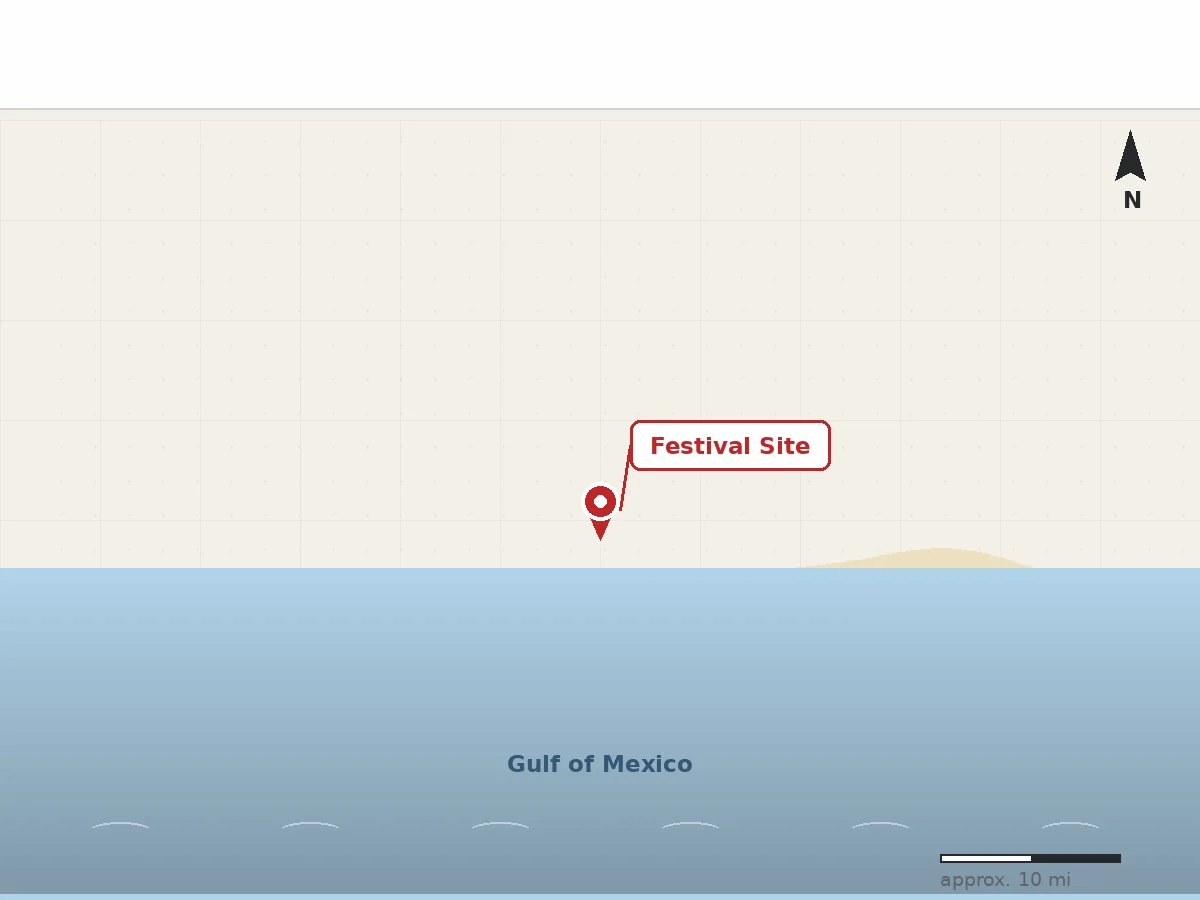
The Marshall County Fair takes place on fairgrounds in the Marshall County area of northeast Kansas, with Marysville — the county seat — serving as the main point of reference for visitors planning their route.
Marshall County Fair: Common Visitor Questions
Is there an admission fee at the Marshall County Fair?
Grounds admission is typically free, so families can come and go across several evenings without buying a ticket each time. Individual activities such as carnival rides, games and some grandstand programs usually carry their own charges, and food stands set their own prices. Budget for those extras rather than for a gate fee.
When does the Marshall County Fair usually take place?
The fair is held each summer, in most years in late July or the first days of August. Exact days shift from year to year, so check a current schedule before you make plans. The timing puts it squarely in the hottest stretch of the Kansas summer, which is why mornings and evenings draw the biggest crowds.
Is the Marshall County Fair good for young children?
It is one of the best weeks of the year for kids. The barns, small-animal areas, carnival rides, games and exhibit hall give children plenty to do without long walks between attractions. Strollers handle the grounds reasonably well, though gravel and straw sections are bumpy. Bring water and plan an afternoon break during the hottest hours.
What should out-of-town visitors know before driving to Marshall County?
Two things. First, lodging near Marysville is limited, so reserve early if you plan to stay overnight. Second, the fair is a working county event rather than a tourist attraction — the schedule revolves around livestock shows and local programming, so build your visit around the evening grandstand and the morning exhibit hall rather than expecting a full day of staged entertainment.
Looking Ahead to Future Marshall County Fair Weeks
The fair’s future depends on the same things it always has: volunteers willing to run a concession stand, families willing to enter projects, and businesses willing to support a youth auction. Marshall County’s population has been steady rather than booming, which makes every returning exhibitor and every new family valuable. Fair boards across the region are also paying more attention to scheduling around heat and to making the grounds easier to navigate for older visitors.
Expect the essentials to remain unchanged — barns, ribbons, grandstand nights, food stands and the annual reunion of a county that mostly sees itself in passing the rest of the year. Last updated: October 2026
If you go, go more than once. One evening is enough to eat and watch; a full week is what teaches you why Marshall County families plan their summers around this stretch of late July, and why the first question after the last ribbon is handed out is always about next year.

One Comment