Marion County Iowa Tulip Time Festival

Every spring, the Marion County area of south-central Iowa swaps its quiet rural rhythm for a few days of color, crowds, and serious small-town cooking. Tulip Time is the county’s signature spring festival, built around blooming gardens, historic streets, and food stalls that give visitors a reason to linger well past lunch. This guide takes a food-forward look at the weekend — what ends up on your plate, how the tradition took shape, and how to plan a trip that puts eating first.
Marion County was founded in 1845 and named for Francis Marion. By the 2020 census it counted 33,414 residents spread across 571 square miles, with Knoxville serving as the county seat. Around that seat, small towns keep the civic habits — church food tables, volunteer grills, pie sales — that make Tulip Time feel genuinely local rather than staged.
Marion County Tulip Time at a Glance: Ten Rows, No Guessing
| Festival | Marion County Iowa Tulip Time Festival |
| Location | Marion County area, Iowa |
| County seat | Knoxville |
| County population | 33,414 (2020 census) |
| County land area | 571 square miles |
| Region | South-central Iowa |
| Typical timing | Spring, generally during May |
| Admission | Typically free to attend; food, market goods, and souvenirs are extra |
| Setting | Tulip plantings, walkable historic streets, and open-air market areas |
| Organizer | Local volunteer committees and community organizations |
What Tulip Time Is — and Why the Food Matters So Much
Tulip Time is a spring festival staged across the Marion County area, usually timed to the tulip bloom and typically falling during May. Admission is generally free, which means most of what visitors spend goes straight into the food line: bakery counters, grill tents, and community stands that have been part of the weekend for generations. The tulips set the scene; the food sets the pace.
What separates Tulip Time from a generic street fair is the Dutch thread running through the menu. Expect almond-filled pastries, miniature pancakes, syrup-filled waffle cookies, spiced baked goods, and hearty meat dishes — the kind of cooking that arrived in this part of Iowa with European settlers and never really left. Portions tend to be small and affordable, which is exactly what you want: graze your way down the street, then circle back for the thing you regretted skipping.

Marion County Roots: From 1845 to the Modern Tulip Weekend
Marion County was established in 1845 and named for Francis Marion, and its early growth followed the familiar Iowa pattern — farmland, a courthouse town, and clusters of settlers who brought their churches, bakeries, and recipes with them. Knoxville grew into the county seat and the practical center of county life, while the surrounding communities developed their own strong identities.
For another look at how a community turns its own traditions into a gathering, see the Marion County Iowa Marion County Fair Festival for a useful comparison.
Tulip Time grew out of that civic culture. Spring planting traditions, garden pride, and a heritage connection to the Netherlands converged into a public celebration that put flowers on the streets and food on long tables. Over the decades the festival expanded from a local open house into a regional draw, adding performances, markets, and a food scene that now rivals the blooms as the main attraction. The format has evolved, but the structure has stayed the same: neighbors cook, visitors eat, and everyone ends up talking about next year.
Inside the Festival: Food, Sound, and Family Time
A Tulip Time day has a rhythm. Mornings belong to gardens and bakeries, midday to grill smoke and the parade route, and afternoons to music, markets, and one more pastry you swore you wouldn’t buy.
Dutch-Inspired Plates, Baked Goods, and Street Eats
Food is scattered rather than centralized, so the smartest strategy is to walk the full footprint before committing to anything. Baked goods usually lead: flaky almond paste pastries, small round pancakes dusted with sugar, thin syrup waffles, and dense spiced loaves that travel well. Savory options run to grilled sausage, meatballs, seasoned ground beef on bread, fries, and soups served from community stands. You will also find preserves, cheeses, coffee, and cold drinks. Come hungry, carry cash as a backup, and pace yourself — the vendors are spread out, and the walk between them is part of the pleasure.
Music, Processions, and Entertainment on the Streets
Live sound is woven through the weekend. In most years you can count on marching bands, community choirs, and small ensembles performing on stages and at street corners, plus formal processions that draw crowds to the curbs. The performances skew family-friendly and often lean on local talent, which gives the entertainment a hometown feel. Find a spot near a bakery, settle in, and let the schedule come to you.
Family Activities That Keep Everyone Busy
Tulip Time is built for mixed-age groups. Garden displays and tulip beds give kids room to roam, while craft demonstrations, games, and hands-on activities fill the gaps between meals. Grandparents get benches, shade, and a steady supply of coffee. Strollers handle the main streets well, though side streets and grass areas can be uneven after spring rain. Plan for a slower pace than you would keep at a theme park — this is a festival measured in blocks, not acres.
Planning a Food-Forward Tulip Time Trip
A little preparation makes a big difference, especially if your main goal is eating your way through the weekend rather than simply watching a parade go by.
Getting to the Marion County Area
The Marion County area sits in south-central Iowa, with Knoxville as the county seat and the most reliable hub for services. Most visitors arrive by car, using state highways that connect the county to larger metros in the region. If you are flying in, plan on a rental vehicle — public transit will not get you between festival activities, outlying parking, and the county’s smaller communities.
Where to Stay Near Knoxville and Beyond
Lodging in the immediate area is limited and books early for festival weekends. Knoxville offers the widest choice, and larger cities within driving distance open up more rooms at higher convenience cost. Book months ahead if you want to walk to the food, or accept a short morning drive and arrive before the crowds.
Parking and Moving Around on Festival Weekend
Expect temporary street closures and designated lots on the edges of the activity. Arrive early, park once, and walk. Comfortable shoes matter more than a close spot, because the food is spread across several blocks and you will cover more ground than you expect.
What a Tulip Time Weekend Costs
Admission is typically free, so your budget is mostly food, drinks, and market purchases. Individual items tend to be modestly priced, which makes grazing affordable. Bring a card and some cash, set a loose per-person food budget, and you can enjoy a full day without surprises.
Spring Weather in Marion County and How to Dress
Iowa springs are unpredictable. A May weekend can swing from chilly mornings to warm afternoons, and rain is always possible. Layers, a light rain jacket, and shoes that tolerate damp grass will serve you better than a single heavy coat. Sunscreen is worth packing too — tulip beds offer little shade.
A Sample Tulip Time Weekend Built Around Meals
Friday evening: Arrive in the Marion County area, check in, and eat a relaxed dinner in Knoxville to get oriented. Save the festival food for Saturday.
Saturday morning: Head straight for the bakery stands before lines form. Coffee, a pastry, and a slow walk through the tulip plantings is the ideal start.
Saturday midday: Find a spot for the procession, then graze the savory side of the festival — grilled sausage, meatballs, fries — while the bands play.
Saturday afternoon: Browse the market for preserves, cheese, and baked goods to take home. Catch a second performance, then rest before an early dinner.
Sunday: Return for a quiet morning of gardens, a final round of pancakes and syrup waffles, and a slow drive through the county before heading home.
Tulip Time Compared: Nearby Towns and Weekend Getaways
Knoxville, the county seat, offers the most services and the easiest base for a Tulip Time weekend, but it trades festival intimacy for convenience. Smaller communities in the county feel quieter and more residential, with the food concentrated in fewer spots. Larger cities within driving distance provide more hotel rooms, restaurants, and evening options, though you will spend more time in the car. If your priority is eating well without rushing, base yourself close and treat the surrounding towns as short, scenic side trips.
Packing List and Last-Minute To-Dos for Tulip Time
Book lodging early; check the festival’s published schedule the week before; charge your phone and bring a portable battery; carry cash plus a card; pack layers, a rain jacket, sunscreen, and comfortable walking shoes; bring a tote for baked goods and market finds; fill a water bottle; plan a meeting point if your group splits up; and leave room in the car for the pastries you will inevitably buy on the way out.
Beyond the Tulips: Marion County’s Local Food Scene
The festival is a gateway to the rest of Marion County. Knoxville anchors the county’s everyday dining, with diners, bakeries, and family restaurants that keep regular hours year-round. Out in the countryside, small-town cafes serve hearty breakfasts and plate lunches to farmers, commuters, and anyone who walks in. Take a county road, stop where the parking lot is full, and order whatever the special is. That instinct rarely disappoints in this part of Iowa.
Why Tulip Time Still Matters in Marion County
For a county of 33,414 people spread across 571 square miles, a spring festival is more than a tourism event. It is a reunion, a fundraiser, and a showcase for the churches, schools, and civic groups that hold rural communities together. The food is the clearest expression of that: recipes passed down, volunteer shifts worked, and proceeds routed back into local causes. Visitors get a memorable weekend; residents get a reminder of what their county does well.
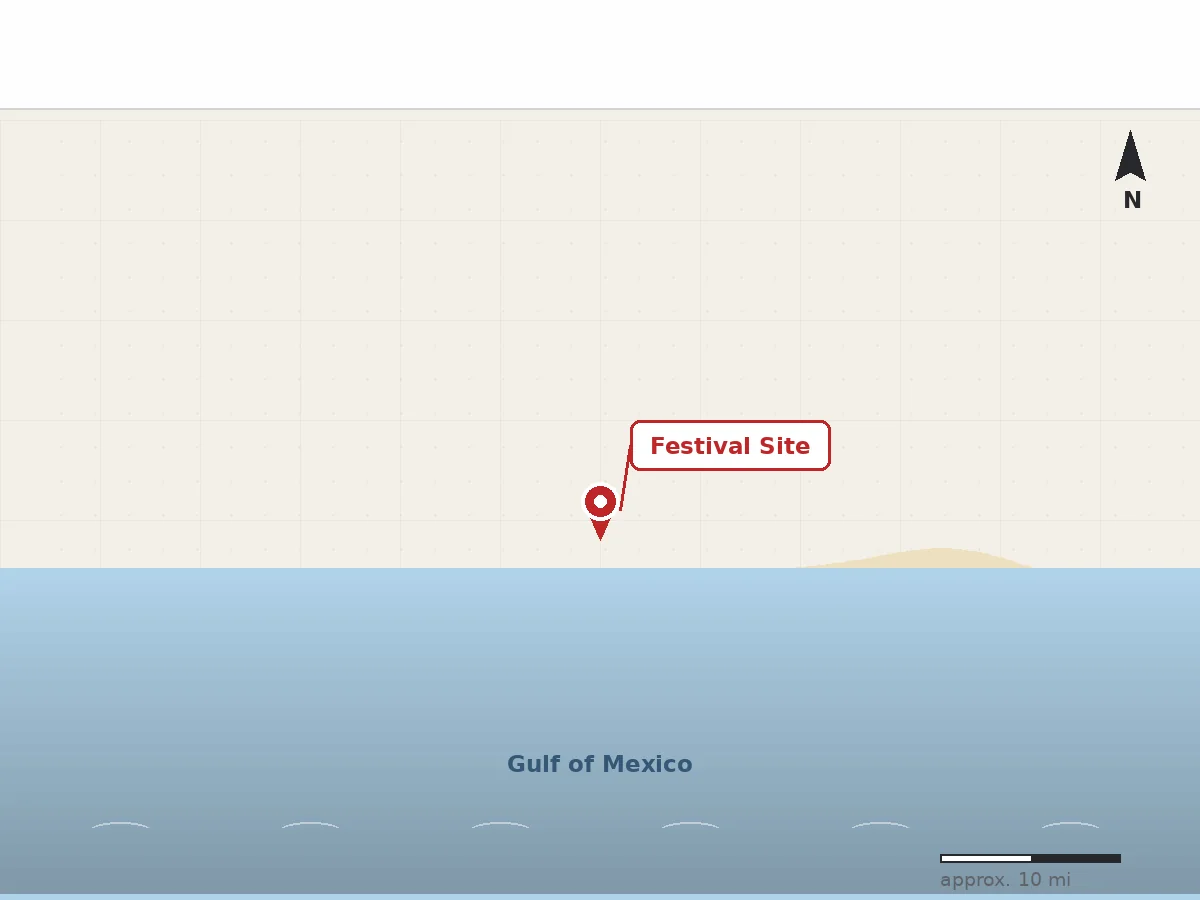
Where Tulip Time Sits on the Marion County Map
Tulip Time unfolds in the Marion County area of south-central Iowa, with Knoxville, the county seat, serving as the closest full-service anchor for lodging, fuel, and dining.
First-Timer Queries About Tulip Time, Answered
Is there an admission fee?
Admission is typically free. You pay for what you eat, drink, and carry home, which keeps the weekend accessible for families. Budget for food and market purchases rather than entry.
When are the tulips usually at their best?
The festival is scheduled around the bloom, which in most years means May. Weather shifts the peak slightly from one spring to the next, so check local updates close to your travel date.
How crowded does it get, and when should I arrive?
Weekend middays draw the biggest crowds, particularly around processions and performances. Arriving in the morning gives you easier parking, shorter food lines, and better light for photos of the tulip beds.
Should I bring cash or a card?
Bring both. Many vendors handle cards comfortably, but small stands and community tables sometimes move faster with cash. A little of each removes any friction from your food crawl.
The Next Chapters for Tulip Time in Marion County
Tulip Time’s future looks tied to the same things that built it: volunteers, gardeners, bakers, and local organizations willing to spend a spring weekend feeding strangers. As the festival grows, expect continued emphasis on walkability, expanded food variety, and better visitor information. The core experience — tulips, small-town streets, and food made by people who live here — is likely to remain unchanged. For travelers, that means the best way to see Marion County in spring will still involve a paper cup of coffee, a warm pastry, and a slow walk through town.
Last updated: October 2026
If you plan a Tulip Time weekend around eating rather than rushing, Marion County rewards you. Come for the blooms, stay for the bakery line, and leave with a cooler full of pastries and a list of reasons to return next spring.


One Comment