Mahaska County Iowa Southern Iowa Fair Festival
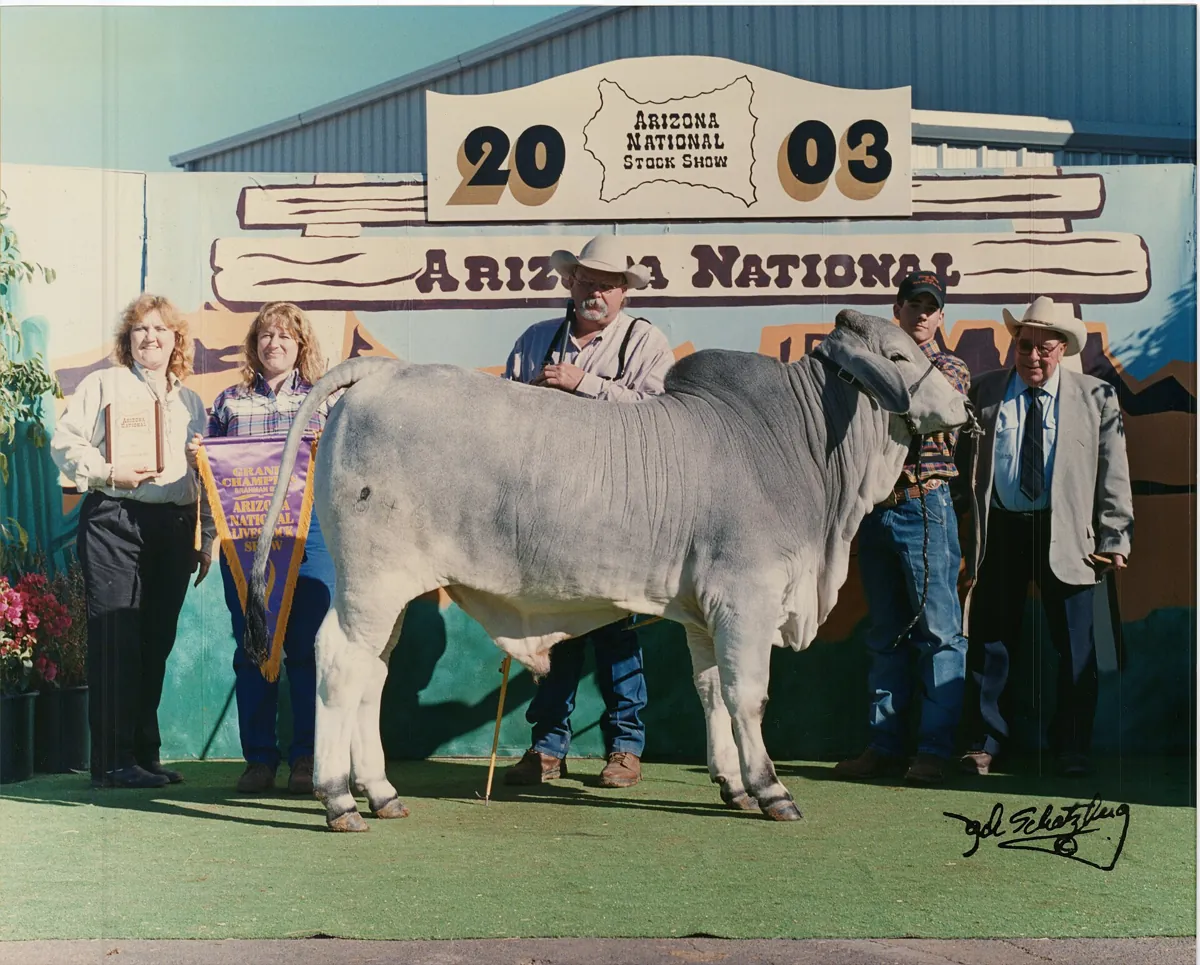
Summer settles over Mahaska County the way it does across southern Iowa: hot afternoons, long twilights, and a horizon of corn and soybeans running out past Oskaloosa in every direction. When the season reaches its midpoint, the fairgrounds become the county’s living room. Trailers pull in, folding chairs unfold, and the smell of grilled pork and diesel drifts over the midway.
The Southern Iowa Fair is the anchor of that season — a county fair in the truest sense, put on for and by the people of a 573-square-mile county. This guide covers what the fair is, how it fits into the Mahaska County year, and how to plan a visit that makes the most of a warm Iowa evening.
Southern Iowa Fair Basics: Mahaska County, Iowa
| Town / place | The Mahaska County area, around Oskaloosa, Iowa |
| County | Mahaska County |
| County seat | Oskaloosa |
| Population | 22,190 (2020 census) |
| Region | Southern Iowa |
| Typical timing | Mid-summer, most often during July |
| Admission | Grounds admission is generally free; some events may be ticketed |
| Setting | Fairgrounds in the countryside near Oskaloosa, with barns, a grandstand, and open midway space |
| Features | Livestock shows, exhibit halls, food stands, grandstand entertainment, midway amusements |
| Organizer | Local fair board and community volunteers |
A County Fair Shaped by the Mahaska County Landscape
The Southern Iowa Fair is not a traveling show that drops into town for a weekend. It is a local institution tied to the land around it. Mahaska County was founded on February 17, 1843, with Oskaloosa named as the county seat, and agriculture has shaped daily life here ever since. The fair grew out of that world: an annual moment when farm families, town businesses, school groups, and neighbors all end up in the same few acres.
That means the fair feels different from a big regional festival. The person handing you a pork chop sandwich may also be the person whose grandchild just showed a market lamb. The quilt on the wall in the exhibit hall probably belongs to someone you stood behind in line at the grocery store. In a county of roughly 22,190 people, the fair is less a spectacle than a reunion with a carnival attached.
Practically speaking, the fairgrounds offer the classic pieces of an Iowa county fair: barns full of animals, an exhibit hall of baking and handicrafts, a midway of rides and games, a grandstand that fills after dark, and enough food stands to keep everyone fed from late morning until the lights go out.
For another look at how a community turns its own traditions into a gathering, see the Madison County Iowa Madison County Fair Festival for a useful comparison.
From 1843 to Today: How the Fair Took Hold in Mahaska County
Mahaska County’s earliest decades were about establishing the basics — a seat of government in Oskaloosa, farms cleared out of prairie, roads laid between townships. Once those pieces were in place, Iowa communities began forming agricultural societies, and county fairs became the natural outlet for them. They were part exhibition, part education, part social calendar.
The Southern Iowa Fair belongs to that tradition. Its history runs alongside the county’s own: generations of exhibitors, volunteer boards, and families who have attended every summer for as long as anyone can remember. Fairs like this one survived wars, depressions, droughts, and the long shift of rural populations toward cities, largely because volunteers kept showing up to mow the grounds, judge the entries, and sell the tickets.
What has changed is the range of what gets exhibited. Livestock and crops remain central, but the exhibit halls now hold photography, woodworking, canned goods, LEGO builds, and kids’ art alongside the pies and preserves. The fair adapted without losing its shape — still agricultural at heart, still organized around the same summer week that families plan their calendars around.
What a Summer Day at the Fairgrounds Actually Looks Like
Mornings at the fair are quiet and practical. Barns are being cleaned, animals are being groomed, and judges are working through classes. By early afternoon the midway wakes up. By evening, the grandstand is the loudest place in the county.
Food Stands and the Taste of a Mahaska County Summer
Fair food here is the real thing: pork producers’ sandwiches, corn dogs, funnel cakes, lemonade shaken by hand, walking tacos, and pie by the slice from the same booths that return year after year. Many stands are run by local churches, 4-H clubs, and civic groups, which means the money tends to stay in the county.
Go early for the items that sell out, and pace yourself — a fair is a marathon of snacking, not a sprint. If you have dietary restrictions, plan on the basics (grilled meat, corn, fresh lemonade) and ask at the stand; volunteers are usually happy to tell you what is in something.
Grandstand Nights: Music, Motors, and Entertainment
The grandstand is where the fair turns into an evening out. Depending on the year, expect a mix of live music, motorsports-style events, and crowd-pleasing competitions that draw the biggest audiences of the week. Seating fills quickly on the nights with the strongest lineup, so arriving early is never a waste of time.
Smaller stages and open areas around the grounds carry the rest of the entertainment: local bands, kids’ contests, demonstrations, and the ambient noise of a fair doing its thing.
Family Activities, Livestock Barns, and Exhibit Halls
The livestock barns are the heart of the fair and the most family-friendly stop on the grounds. Kids who have never stood next to a 1,200-pound steer tend to remember it. Exhibitors are often glad to answer questions between chores, and the barns stay open through the day and into the evening.
Beyond the barns, the exhibit hall is a slow, air-conditioned pleasure — quilts, photographs, vegetables, and baked goods arranged with real pride. Add carnival rides, games, and a petting area if one is set up, and you have a full day for children of almost any age.
Planning a Southern Iowa Fair Visit From Oskaloosa or Out of Town
Because the fair runs across several days in mid-summer, the smartest plan is to pick one weekday evening for a relaxed visit and one weekend day if you want the full crowd experience.
Getting There and Getting Around
Oskaloosa sits in the middle of Mahaska County and is the natural base for a fair visit. Most visitors arrive by car, and the roads in and out of town handle fair traffic reasonably well, though expect slower going near the grounds at peak evening hours. If you are staying in town, a short drive is all it takes to reach the fairgrounds.
Where to Stay Near Mahaska County
Oskaloosa has the largest concentration of lodging in the county, with motels and inns along the main routes into town. Camping is a tradition at many Iowa county fairs, and fairground camping is worth asking about directly if you travel with a trailer or RV. Book early for fair week; this is one of the busiest stretches of the summer calendar.
Parking at the Fairgrounds
Parking is typically on or adjacent to the grounds, with lots and grass areas filling in order of arrival. Come early in the evening for grandstand nights, and be patient on the way out — the exit rush is part of the experience. Carpooling with neighbors is both practical and traditional.
Admission, Tickets, and Fair Budgets
Grounds admission is generally free, which makes the fair an easy outing for families on a budget. Some individual events, rides, and grandstand shows may carry their own charges, so bring a little cash and check the day’s schedule before committing. Food, games, and ride tickets are where most spending happens.
Summer Heat, Storms, and What to Wear
July in southern Iowa means heat, humidity, and the occasional fast-moving thunderstorm. Wear comfortable shoes for gravel and grass, bring a refillable water bottle, and keep a light rain jacket in the car. Afternoon shade is scarce on the midway, so plan barns and exhibit halls for the hottest hours and save the open grounds for evening.
A Sample Fair Weekend in Mahaska County
Friday afternoon: Arrive mid-afternoon, when the grounds are uncrowded. Walk the exhibit hall first, then spend an hour in the livestock barns while the heat eases. Grab an early supper from a pork or church stand and find a seat near the grandstand before the evening crowd arrives.
Saturday morning: Come back for the livestock shows. This is the fair at its most authentic — exhibitors in show clothes, families in lawn chairs, and judges working through the classes. It is also the best time to ask questions about the animals.
Saturday evening: Rides, games, and a second pass at the food row. Let the kids burn off energy on the midway, then settle in for the grandstand event. Stay for the lights and the walk back to the car under a wide Iowa sky.
Sunday: A quieter final look — exhibit results, last-minute food, and a slow lap through the barns before heading home. Many families treat this as the traditional close of fair week.
How the Southern Iowa Fair Sits Among Nearby Iowa Towns
Mahaska County is not the only place in southern Iowa that clears its calendar for a fair. Neighboring communities hold their own summer fairs and festivals, and each has its own personality. What sets the Southern Iowa Fair apart is its scale relative to the county itself: with about 22,190 residents spread across 573 square miles, the fair is one of the few events that genuinely pulls the whole county together.
Towns like Pella to the northwest and Ottumwa to the southeast offer their own summer traditions, dining, and historic downtowns, which makes them worthwhile add-ons for anyone making a weekend of it. But for a pure, unpolished Iowa county fair experience — barns, baked goods, grandstand, and neighbors — Mahaska County’s version is hard to beat.
First-Timer’s Checklist for the Southern Iowa Fair
Bring cash for food stands and games; wear closed-toe shoes you do not mind getting dusty; pack sunscreen, a hat, and a water bottle; charge your phone but expect spotty signal in a crowd; check the day’s schedule before you go so you know when the grandstand event starts; arrive early for popular nights; keep an eye on the western sky for storms; and leave room in the car for anything you buy at the exhibit hall auction or vendor row.
Beyond the Fairgrounds: Oskaloosa and the Rest of Mahaska County
Give yourself an extra half-day to see Oskaloosa, the county seat. The downtown square, with its historic buildings and locally owned shops, is a good place to walk off a fair lunch, and the city’s cultural attractions reward a slower look. The surrounding countryside is worth a drive as well — rolling farmland, old barns, and small towns that each have their own story.
If you are visiting from out of the area, pairing the fair with a morning in town and an afternoon on the back roads makes for a fuller picture of what Mahaska County is like when the midway lights are off.
What the Fair Means to Mahaska County
The Southern Iowa Fair is one of the few annual events in Mahaska County that crosses every line — farm and town, young and old, longtime residents and newcomers. It gives 4-H and FFA members a stage, gives local businesses a busy week, and gives families a tradition they can measure their summers by.
Just as important, it keeps a rural county’s skills visible. Raising an animal, growing a garden, baking bread, restoring a tractor — the fair puts those things on display in a way that honors the work behind them. In a place founded in 1843 and still anchored by agriculture, that continuity is the point.
Where the Southern Iowa Fair Grounds Are Located
The Southern Iowa Fair is held at the fairgrounds serving Mahaska County, just outside Oskaloosa, the county seat, in southern Iowa.
Southern Iowa Fair Questions From First-Time Visitors
Is the Southern Iowa Fair free to attend?
Grounds admission is generally free, which is one of the reasons local families come back several times during fair week. Individual activities — certain grandstand events, carnival rides, and games — usually carry their own charges, so bring some cash and check the schedule for the day you plan to visit.
When is the best time to arrive?
Mid-afternoon on a weekday is the calmest window: exhibits are open, barns are active, and food lines are short. If you want the grandstand show, arrive an hour or more before it starts. Weekend evenings are the busiest and most energetic times of the fair.
Can kids and grandparents enjoy the same visit?
Yes, and that is part of the appeal. The fair is flat and walkable, with plenty of seating near the food stands and exhibit hall. Younger visitors gravitate to the rides, games, and animals; older visitors often spend their time in the exhibit hall, at the grandstand, or catching up with neighbors they have not seen since last summer.
What happens if it rains during fair week?
Summer storms in southern Iowa can be brief and intense. Most fairs continue through light rain, with barns and the exhibit hall offering cover, and events resume once a system passes. Keep an eye on the sky, have a rain jacket handy, and be flexible — a wet afternoon often turns into a pleasant evening.
Looking Ahead to Future Southern Iowa Fair Seasons
County fairs survive on volunteers, exhibitors, and the willingness of a community to keep showing up. Mahaska County has done that for generations, and the fair’s future depends on the same things it always has: kids entering projects, families buying food, and neighbors spending one summer week together on the grounds.
Expect the fair to keep evolving — new events, updated facilities, broader exhibit categories — while holding onto the barns, the grandstand, and the food stands that make it recognizable. For anyone planning a southern Iowa summer, it remains one of the county’s most reliable traditions.
Last updated: October 2026
If you find yourself in Mahaska County in the middle of summer, follow the traffic toward the fairgrounds and see what a county of 22,190 people can put together when everyone shows up at once.
One Comment