Lafourche Parish Louisiana French Food Festival
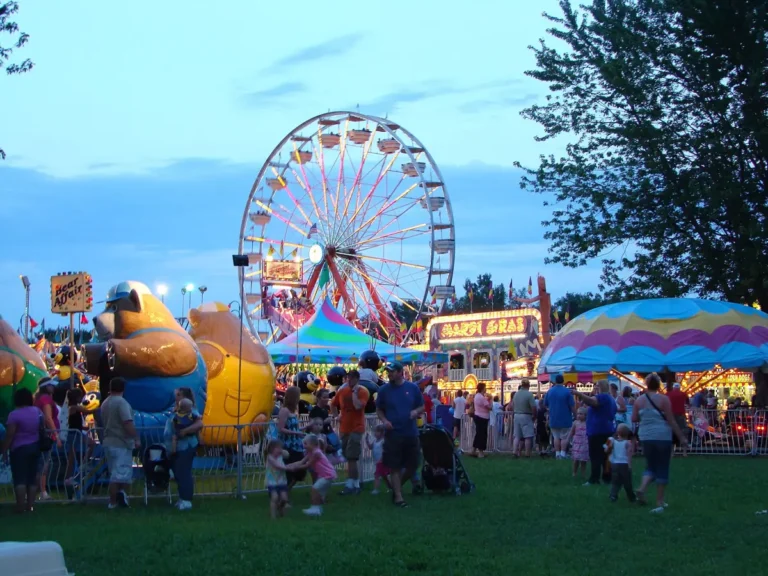
October in Larose carries the smell of simmering sauce piquante and the sound of accordions drifting across the civic center grounds. The French Food Festival turns a working bayou town into a three-day celebration of Cajun cooking, live music and neighbourly pride. Visitors travel from across south Louisiana and farther afield, drawn by plates of etouffee and gumbo, by a pageant and a parade, and by a gathering that has belonged to the town’s calendar for more than five decades. What sets this festival apart is the way it began: a modest fundraiser held under a tent, organised by local volunteers who wanted a youth and civic center for their community, and grown over the years into one of the parish’s biggest free festivals without losing that community purpose. This guide explains what the festival is, how it began, what a visitor finds on the grounds, and how to plan a trip around the fifty-first annual edition.
About
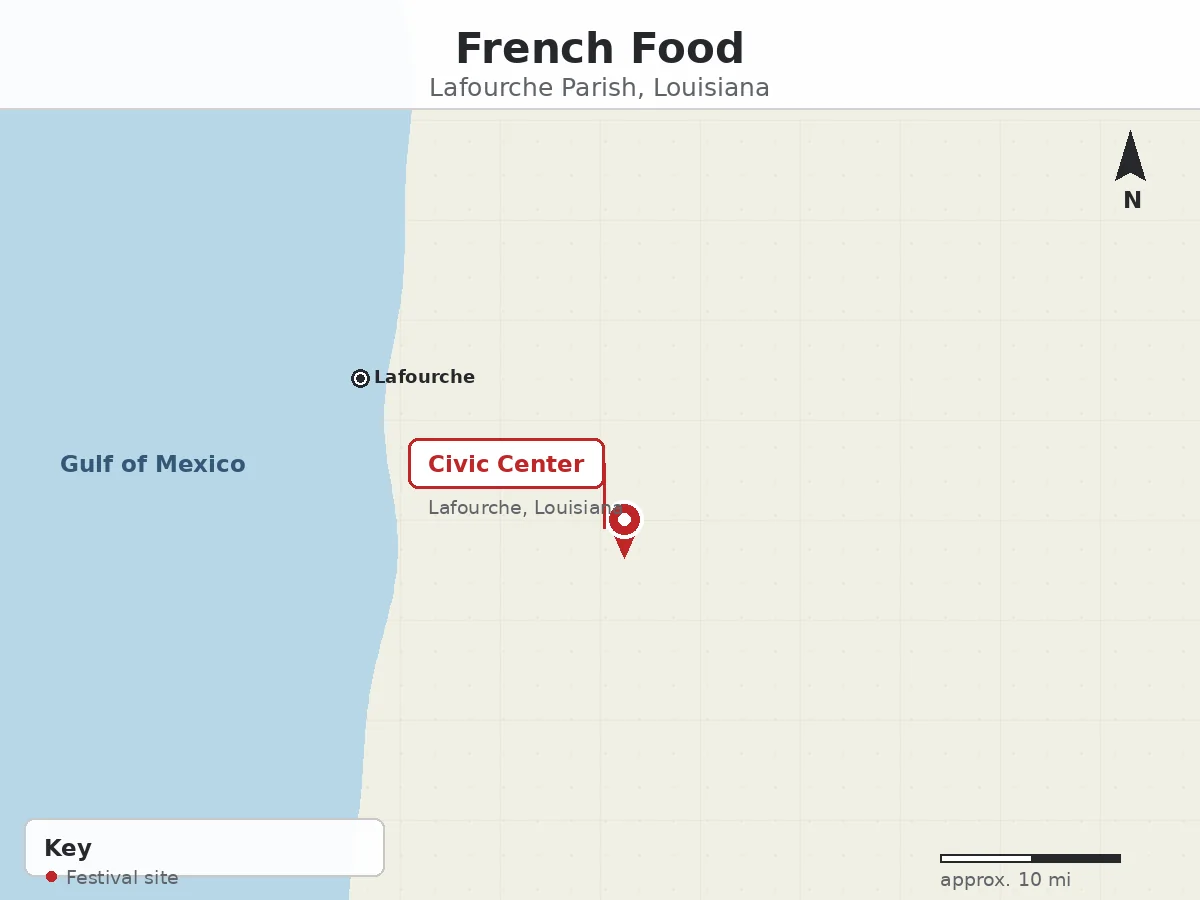
The French Food Festival is a Cajun food and heritage celebration held in Larose, in Lafourche Parish. Larose sits along the bayou in the southern part of the parish, and it is not the parish seat; that honour belongs to Thibodaux, farther north. The festival grounds are the Larose Civic Center, a venue also described in layers as the Larose Regional Park and Civic Center. The event is organised by the Bayou Civic Club, the group that first put the festival together in the nineteen seventies. A regional magazine layer also names the Bayou Civic Center as organising the festival
The most recent fully documented edition is the fifty-first annual festival, held from Friday 23 October to Sunday 25 October 2026 at the Larose Civic Center. Admission is free, a point a parish tourism layer makes with pride, calling the festival one of the parish’s biggest free festivals. No gate price is fenced in any layer read, and the free-entry position is the only admission statement the record supports. Carnival rides on the grounds are a separate charge, as they are at most community fairs, and they should be understood as an element of the day rather than a condition of entry.
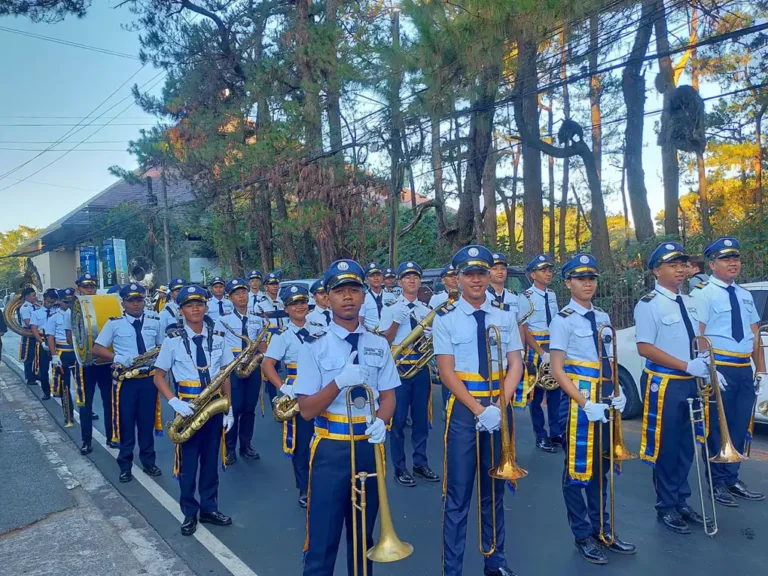
Food is the heart of the gathering. The programme lists sauce piquante, etouffee, jambalaya and gumbo alongside Tarte a la Bouillie and other Cajun dishes, cooked and served by local hands. Live music from local Cajun and zydeco bands plays through the weekend. Around the food and music, the festival offers a painting contest, a live auction, carnival rides, family activities, cultural exhibits, a pageant and a Grand Marshal March. The mix is deliberately broad: a visitor can spend an afternoon tasting, listening, bidding, riding and browsing without ever leaving the grounds.
Quick Facts
| Detail | Information |
| Host town | Larose, Lafourche Parish |
| Parish seat | Thibodaux |
| Venue | Larose Civic Center, also described as Larose Regional Park and Civic Center |
| Organiser | Bayou Civic Club, with the Bayou Civic Center also named as organiser in one layer |
| Most recent documented edition | 23–25 October 2026, fifty-first annual |
| First festival | July 1974, held under a tent |
| Admission | Free, per a parish tourism layer |
| Signature dishes | Sauce piquante, etouffee, jambalaya, gumbo, Tarte a la Bouillie |
| Music | Live Cajun and zydeco bands |
| Other attractions | Painting contest, live auction, carnival rides, pageant, Grand Marshal March |
History
The festival began in July 1974, when the Bayou Civic Club set up a gathering under a tent in Larose. The purpose was practical: to raise money for recreational opportunities and for a future youth and civic center in the town. That first festival was billed as the Bouillabaisse Festival, a name that reflected the seafood stews at the centre of the cooking. Within the same year it was renamed the Larose Civic Center Fair, and in time it became known as the French Food Festival, the name under which it has been celebrated for most of its life.
For a useful comparison, see the Lafayette Parish Louisiana Boudin Festival for another county festival.
One events-listing layer prints the words “Since 1973” beside the festival, which sits uneasily against the regional news layer’s account of a first festival in July 1974. The two statements are carried here without reconciliation, because the layers themselves do not explain the gap. The fifty-first annual billing attached to the 2026 edition is likewise recorded as printed, and no founding year has been worked out from that billing, since such arithmetic would only deepen the confusion.
By 1978 the festival had moved to October, the month it still occupies, and it was held on the club’s leased property near Holy Rosary Cemetery before settling at the Civic Center. Over the decades the gathering grew from a tent fundraiser into a parish-wide occasion, yet the original purpose never entirely disappeared: the festival remains a community effort, organised locally and offered free at the gate, with the proceeds and the pride staying close to home.
What to Expect
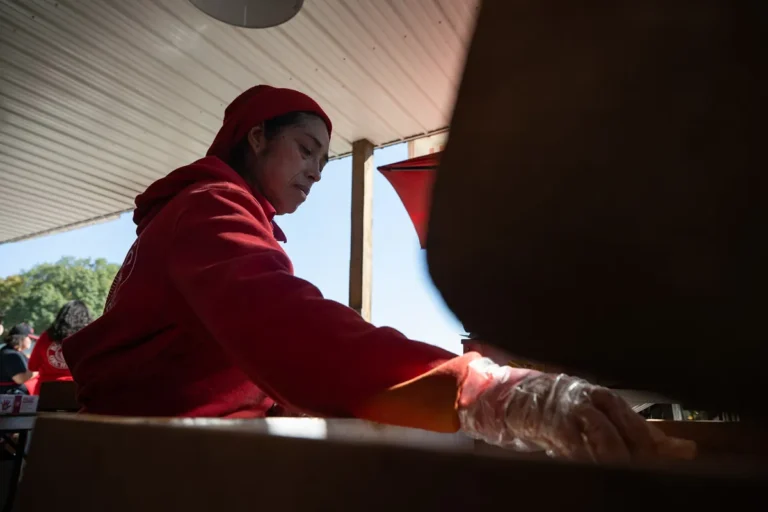
A day at the French Food Festival begins with the food. Sauce piquante, rich and slow-cooked, sits beside etouffee, jambalaya and gumbo, and Tarte a la Bouillie offers a sweet finish to a savoury round. The dishes are Cajun cooking as the parish knows it, prepared in quantity and served without ceremony, and a visitor who samples widely will taste the differences between one cook’s gumbo and another’s.
Music runs through the weekend, with local Cajun and zydeco bands playing for dancers and listeners alike. Between sets, the grounds offer a painting contest for those who like to look closely, a live auction for those who like to bid, and cultural exhibits that set the cooking and music in the wider story of the bayou. Families find carnival rides and activities for children, and the pageant and Grand Marshal March give the weekend its ceremonial moments. The festival is free to enter, so a visitor can come and go across the three days, returning for an evening set or a second helping without paying again at the gate.
Planning Your Visit
The festival is held in October, and the most recent documented edition ran from Friday to Sunday, so a visitor should plan on a weekend trip with at least one full day on the grounds. Larose is a small town, and the Civic Center sits at the centre of the weekend, so accommodation nearby is limited and many visitors stay in Thibodaux or elsewhere in Lafourche Parish and drive in for the day.
Because entry is free, the main costs of the day are food, rides and any auction bidding, and a visitor should carry cash as well as cards, since small community stalls do not always take both. Comfortable shoes matter, because the grounds reward walking, and October weather in south Louisiana can swing between warm afternoons and cool evenings, so a light layer is worth packing. Families with children should note that the rides are charged separately from entry, and a rough budget for rides helps avoid surprises.
A Sample Weekend
A first-time visitor might begin on Friday afternoon, arriving as the grounds open up and the first pots come to the boil. The opening hours are the best time to walk the stalls without hurry, tasting sauce piquante at one stand and etouffee at another, and to get a sense of the layout before the weekend crowds arrive.
Saturday is the fullest day, and it deserves a morning start. Begin with the cultural exhibits, which explain the food and music in context, then move to the painting contest and the stalls for a long lunch. The afternoon can be given to the live auction and the carnival rides, and the evening to the pageant or the Grand Marshal March, depending on the day’s schedule. Sunday is a gentler day, suited to a return visit to a favourite food stall, a last listen to a zydeco band, and a slow walk around the grounds before the drive home.
How It Compares
The French Food Festival is sometimes confused with other gatherings in the parish, and the distinctions are worth making plain. The Cajun Heritage Festival is a different event, even though it uses the same Larose Civic Center venue, and it should not be treated as another name for this festival or as one of its editions. The Gheens Bon Mange Festival is also a different event in the same parish, with its own identity and its own community behind it. Each of these festivals belongs to its own place and its own organisers, and lumping them together would misrepresent all three.
Within its own history, the festival can be compared with its beginnings. The 1974 gathering under a tent was a fundraiser with a single purpose and a handful of dishes; the fifty-first annual edition fills a civic center with food stalls, bands, rides, contests and ceremonies across three days. The scale has changed completely, yet the organising idea has not: local volunteers, free entry, and cooking that belongs to the parish.
Checklist
- Plan the trip for an October weekend and set aside at least one full day for the grounds.
- Arrive early to enjoy the food stalls and exhibits before the evening crowds.
- Carry cash as well as cards for the smaller community stalls.
- Wear comfortable shoes for walking the grounds and pack a light layer for cool evenings.
- Set a rough budget for carnival rides, which are charged separately from free entry.
- Check the day’s order of events on arrival so the pageant and Grand Marshal March are not missed.
- Taste widely: sauce piquante, etouffee, jambalaya, gumbo and Tarte a la Bouillie are all worth trying.
- Leave time for the cultural exhibits, which give the food and music their context.
- Remember that Larose is not the parish seat; Thibodaux is the larger town nearby for staying overnight.
Beyond the Festival Grounds
Larose rewards a visitor who looks past the festival fence. The town sits in the bayou country of Lafourche Parish, where waterways and wetlands shape daily life and where fishing and seafood are working trades rather than tourist displays. A drive along the bayou shows the landscape that produced the cooking on the festival stalls: the water, the boats and the small communities strung along the banks. Thibodaux, the parish seat, lies to the north and offers a larger town to explore, with its own streets, shops and places to stay, and it makes a practical base for a festival weekend.
The wider parish holds other food traditions worth knowing about, including the Gheens Bon Mange Festival, which is a separate event with its own community behind it. A visitor who comes for the French Food Festival and stays a day longer can begin to understand how each town in the parish keeps its own celebrations, each rooted in local cooking and local pride.
Why the Festival Matters
The French Food Festival matters because it has kept a community purpose alive for more than fifty years. It began as a way to pay for recreation and a civic center in a small town, and it still serves the town that created it, bringing visitors, income and attention to Larose each October.
It also matters as a keeper of Cajun food culture. Sauce piquante, etouffee, jambalaya, gumbo and Tarte a la Bouillie are dishes with long histories in south Louisiana, and a festival that cooks them in quantity, in public, keeps the recipes and the techniques in circulation. The music, the pageant, the painting contest and the cultural exhibits do the same work for the wider heritage, giving younger visitors a way into traditions that might otherwise fade. A festival that began under a tent in 1974 and still fills a civic center in 2026 has earned its place in the parish calendar, and its endurance is the best evidence of what it means to the people who keep it going.
Frequently Asked Questions
What dishes should a first-time visitor try first?
Start with the stews that define the festival: sauce piquante, etouffee, jambalaya and gumbo, each cooked in the Cajun style of the parish. Tarte a la Bouillie makes a good sweet finish. The stalls are run by local cooks, so tasting the same dish at two stands is part of the experience rather than a repetition.
Is entry to the grounds free of charge?
No. Entry is free, and a parish tourism layer describes the festival as one of the parish’s biggest free festivals. Food and carnival rides are paid for separately, so a visitor should budget for eating and riding even though the gate itself costs nothing.
How did a tent fundraiser become a parish landmark?
The Bayou Civic Club organised the first festival in July 1974 to raise money for recreation and a future youth and civic center in Larose. The gathering moved to October by 1978, settled at the Civic Center, and grew over the decades from a single tent into a three-day event with food, music, contests, a pageant and a parade, all while keeping its free entry and community roots.
Is the Cajun Heritage Festival the same gathering under another name?
No. The Cajun Heritage Festival is a different event, even though it is held at the same Larose Civic Center venue. The Gheens Bon Mange Festival is likewise a separate event in the same parish. Each festival has its own organisers and its own identity, and they should not be confused with one another.
What to Expect From the Next Lafourche Parish Louisiana French Food Festival
How often is Lafourche Parish Louisiana French Food Festival held?
The festival follows an annual rhythm, returning each autumn to the Larose Civic Center. The 2026 edition was the fifty-first annual, and the October timing has held since the festival moved to that month by 1978, so visitors should expect a new edition each fall.
When is the next Lafourche Parish Louisiana French Food Festival?
The most recent fully documented edition ran from 23 to 25 October 2026. Dates for a later edition do not appear in the layers read, so a visitor planning ahead should watch for an October announcement and expect the gathering to return to the Civic Center in the autumn.
Will the dates change?
The October pattern has been steady for decades, and the festival has occupied that month since the late nineteen seventies. A shift is always possible for a community event, since weather, venues and organisers can all intervene, but nothing in the record points to a move away from October, and the autumn timing remains the best guide for planning.
The French Food Festival is, in the end, a small town’s invitation to the wider world: come to Larose in October, eat well, listen to the music, and share in a celebration that has been built by neighbours over more than fifty years. The gumbo will be hot, the bands will be playing, and the civic center grounds will be full of people who know exactly why they came back.