Kingman County Kansas Kingman County Fair Festival
Kingman, Kansas: The County Seat at the Center of the Story
Kingman County was founded on March 7, 1872, and named for Samuel Kingman. The county seat took the same name and has anchored 867 square miles of south-central Kansas ever since. The 2020 census counted 7,470 people across the entire county, a figure that explains the character of everything here, including its fair. In a county this size, the Kingman County Fair is not a niche attraction for outsiders. It is one of the few occasions each year when farm families, town residents, and everyone in between end up in the same place at the same time.
Arrive in Kingman and the pattern is familiar: a courthouse square, a main street with a handful of storefronts, grain elevators standing over the rail line, and wheat running to the horizon in every direction. The fairgrounds sit within the Kingman County area, and for a few days in late summer the barns, exhibit halls, and grandstand carry the county’s full attention. What follows is a look at what that weekend involves, why it has endured, and how to plan around it.
The Kingman County Fair in Ten Lines
| Festival | Kingman County Fair |
| Town / place | Kingman County area, Kansas |
| County | Kingman County |
| County seat | Kingman |
| Population | 7,470 (2020 census) |
| Region | South-central Kansas, along the US-54 corridor west of Wichita |
| Typical timing | Late summer, usually a weekend in July or August |
| Admission | Generally free to enter; some activities carry small fees |
| Setting | County fairgrounds with barns, exhibit halls, a grandstand, and open ground for parking |
| Features | Livestock shows, 4-H and open-class exhibits, carnival rides, grandstand entertainment, food stands |
| Organizer | Local fair board and community volunteers |
A Kansas County Fair, Held the Way Kingman County Likes It
Strip away the lights and a county fair is a competition with a carnival attached, and the Kingman County Fair fits that description closely. The center of gravity is the exhibit program: 4-H and FFA entries alongside open-class categories for baking, canning, quilting, photography, flowers, and garden produce. Livestock barns fill with beef cattle, swine, sheep, goats, poultry, and rabbits, and the judging schedule sets the pace for the whole day. Walk through the barns in the morning and you will hear the same conversations you would have heard here generations ago, just with better equipment.
Entry to the grounds is generally free, which matters in a county where the fair is meant to be open to everyone. The event runs on a local fair board, a long list of volunteers, business sponsorships, concession sales, and fees for certain grandstand events and carnival rides. Nobody is getting rich staging it. It happens because enough people in Kingman County want it to.
The scale is manageable in a way that larger fairs are not. You can park once, walk the entire grounds in an afternoon, and still catch the evening program. Families with small children and older visitors tend to appreciate that more than any single attraction.
For another look at how a community turns its own traditions into a gathering, see the Keokuk County Iowa Keokuk County Fair Festival for a useful comparison.
From an 1872 County Seat to a Fair That Still Fills the Barns
Kingman County’s story begins on paper in 1872, when the county was established and named for Samuel Kingman. Kingman became the county seat, and the town grew around the business that a county seat attracts: a courthouse, lawyers, banks, a newspaper, and the elevators that turned prairie wheat into freight. The land itself shaped the economy. This is wheat and sorghum country, with cattle on the grass and, in later decades, oil and gas wells scattered across the section lines.
Kansas county fairs grew out of that farming world. In the late nineteenth and early twentieth centuries, communities across the state began setting aside a few days each year to compare livestock, produce, and household goods, settle friendly arguments about who grew the better crop, and give isolated farm families a reason to gather. The fairgrounds became one of the few shared public spaces in a county with no large city in it, and the annual fair became the calendar’s fixed point between harvest and the start of school.
The form has shifted over the decades. Exhibit categories have expanded, carnival rides have come and gone, and grandstand programming has changed with the tastes of each generation. What has stayed constant is the structure: entries judged through the day, a grandstand program at night, food stands running from open to close, and a premium sale or awards moment that sends local kids home with a little money and a lot of pride.
A Fair Weekend in Kingman County, Step by Step
Fair Food: Funnel Cakes, Bierocks, and Civic Stands
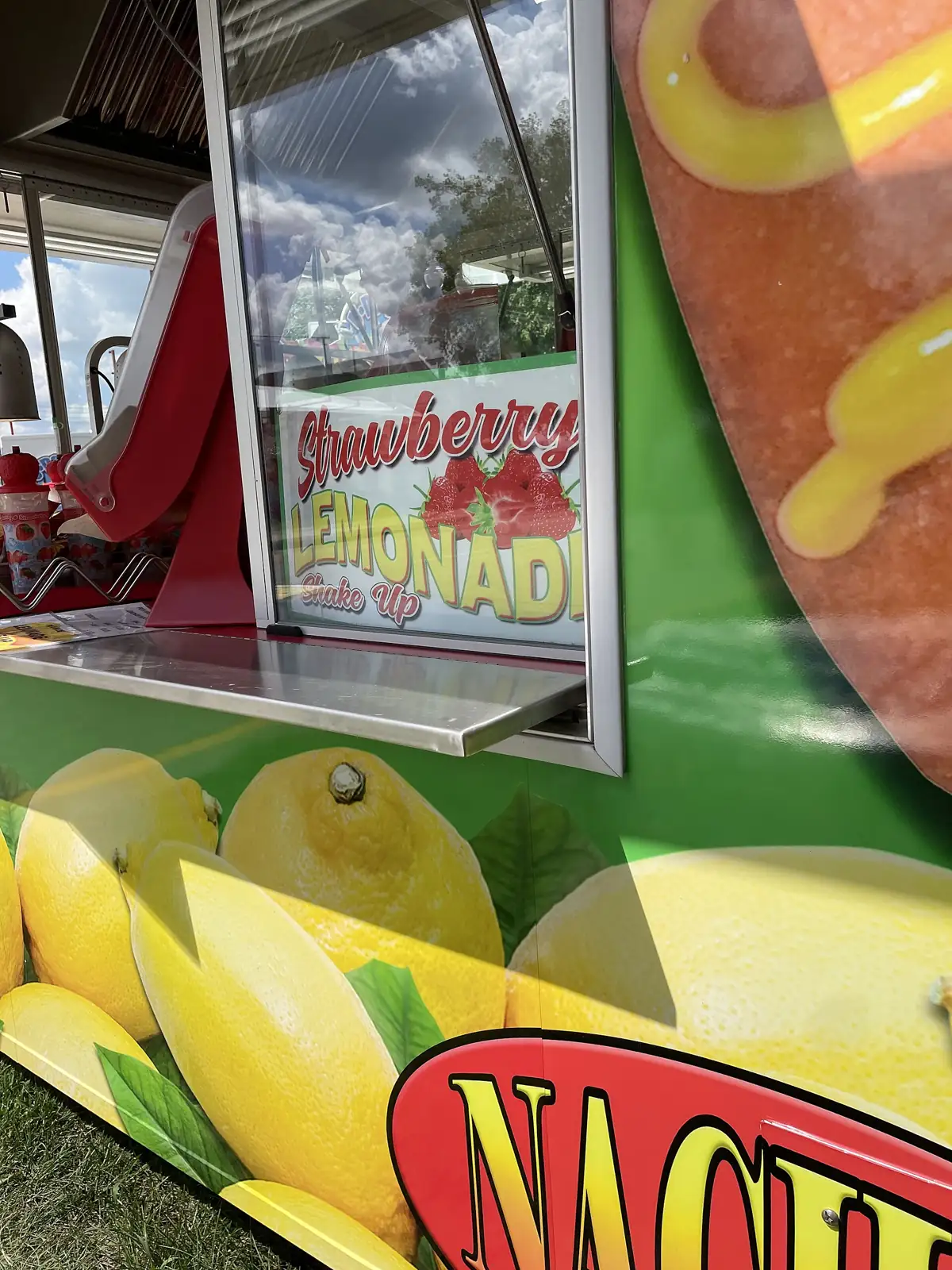
Food at a Kansas county fair is its own institution. Expect the standard midway lineup of funnel cakes, corn dogs, curly fries, cotton candy, and lemonade shake-ups, usually alongside stands run by churches, civic clubs, and local nonprofits selling pie by the slice, bierocks, pulled pork, cinnamon rolls, and coffee. The civic stands are often the best value on the grounds, and the money tends to stay in the county. Bring cash. Small stands do not always take cards, and cell service in a crowded grandstand can be unreliable.
Grandstand Nights and Local Talent
Evening programming is what fills the bleachers. In most years the grandstand hosts a mix of entertainment that could include a demolition derby, a tractor pull, a rodeo-style event, a concert, or a community talent showcase, with a smaller free stage or grounds entertainment earlier in the day. Local bands, church groups, and youth performers frequently get a turn in front of a hometown crowd. If a specific grandstand event is the reason for your trip, confirm the schedule before you drive out, since lineups rotate year to year.
Family Activities from the Barns to the Midway
Families typically find plenty to fill a day without spending much. Barn tours, a petting area, kids’ games, pedal tractor pulls, face painting, and carnival rides are common, and the exhibit halls double as an air-conditioned break when the afternoon heat peaks. Many parents plan around the livestock shows, which are genuinely interesting to watch even if you have never set foot in a show ring. Small children do best in the morning and early evening, with the hottest hours spent indoors.
Planning Your Trip Around Kingman County Fair Season
Getting There on the US-54 Corridor
Kingman sits on the US-54 corridor in south-central Kansas, west of Wichita, with US-400 also crossing the county. Most out-of-town visitors arrive by car, and the drive from the Wichita area is straightforward highway the whole way. State and county roads link Kingman with the smaller communities around it, so a fair weekend pairs easily with a loop through the countryside.
Where to Stay Near Kingman County
Lodging inside the county is limited, so book early if you plan to stay overnight during fair week. Options in Kingman itself are modest, and many visitors base themselves in Wichita or in neighboring county seats and drive in for the evening program. If you travel by RV or plan to camp, contact local fair or county offices ahead of time to ask what overnight arrangements are possible for that year.
Parking at the Fairgrounds
Parking is usually on or adjacent to the fairgrounds, often on grass, and is typically free. Arrive early on nights with a big grandstand draw, when the lots and surrounding streets fill quickly. If rain has moved through, grass parking can get soft, so wear shoes you do not mind getting muddy and avoid parking on low ground.
Admission and What You’ll Spend
General admission is generally free, with costs concentrated in carnival rides, food, and certain grandstand events. That structure makes the fair an inexpensive outing for a family, provided you set expectations about the midway before you walk past it. Budget for cash purchases, plan a reasonable ride allowance for kids, and treat the grandstand ticket as the one line item worth checking in advance.
Late-Summer Kansas Weather
Fair season in Kingman County means heat, humidity, and the possibility of a fast-moving evening thunderstorm. Daytime temperatures in the nineties are normal, and shade is scarce around the midway. Bring water, sunscreen, and a hat; keep an eye on the western sky after dark; and pack a light layer for cool nights in the bleachers. Kansas weather can turn a hot afternoon into a breezy, damp evening in under an hour.
A Sample Fair Weekend in Kingman County
Start Friday evening by walking the grounds before the crowd arrives. Check the exhibit halls while they are quiet, grab dinner from a civic stand, and settle into the grandstand for whatever is scheduled that night. Saturday morning is the time for livestock barns and the show ring, when the barns are busiest and the judging is under way. Eat lunch on the grounds, then retreat indoors during the hottest part of the afternoon to see the open-class entries.
Saturday evening belongs to the midway and the grandstand, so arrive early for parking and plan to stay late. Sunday tends to be slower and more local, with awards, the premium sale, and the last pass through the barns before exhibitors pack up. If you only have one day, Saturday is the fullest. If you have two, Friday night plus Saturday gives you the best sense of how the fair actually works.
Kingman County’s Fair Beside Pratt, Harper, and Reno County
Kingman’s fair sits in a region crowded with similar traditions. Pratt County to the west stages its own county fair with a comparable mix of livestock shows and grandstand nights, and Harper County to the south does much the same in a smaller setting. Reno County to the northeast is a different scale entirely: Hutchinson hosts the Kansas State Fair each September, drawing visitors from across the state.
The difference is intimacy. At Kingman, the exhibitors are neighbors, the announcer knows the families by name, and the crowd in the bleachers is largely the county itself. Visitors looking for a large, polished event should head for Hutchinson. Visitors who want to see how a rural Kansas county actually spends a late-summer weekend will find Kingman’s version more revealing.
A Short Pre-Fair Checklist for Kingman County Visitors
Confirm the year’s dates and grandstand lineup before you drive out, since timing shifts between late July and August. Book lodging early or plan to stay in a neighboring county. Bring cash, water, sunscreen, a hat, and shoes that handle grass and mud. Charge your phone and expect weak signal in a packed grandstand. Check the forecast the morning you go, and keep a light jacket in the car for the evening. If you are entering exhibits, check drop-off times and entry rules well ahead of fair week.
Beyond the Fairgrounds in Kingman County
The county rewards a slow drive. Kingman’s courthouse square and downtown blocks are worth a walk, and the surrounding towns, including Norwich, Cunningham, Zenda, and Spivey, each have their own grain elevators, ballfields, and small main streets. The Ninnescah River valley cuts through the county, and Cheney Reservoir lies to the east. Southwest of Kingman, the land begins to fold into the Gypsum Hills, and in fall and winter the surrounding fields and shelterbelts are popular with pheasant and quail hunters. Wheat harvest, cattle grazing, and oil pump jacks are all part of the scenery in season.
What the Fair Means to 7,470 Kingman County Residents
For a county of 7,470 people spread across 867 square miles, the fair does work that nothing else quite does. It is where 4-H members learn to present an animal and speak to an adult judge, where bake-offs and quilt exhibits hand down skills that would otherwise fade, and where volunteer fire departments and civic clubs raise money and visibility. It is also a reunion. People who moved away for work or college often time a visit home around fair week, and the bleachers become a place to catch up with people you have not seen since the previous summer.
Where the Kingman County Fairgrounds Sit
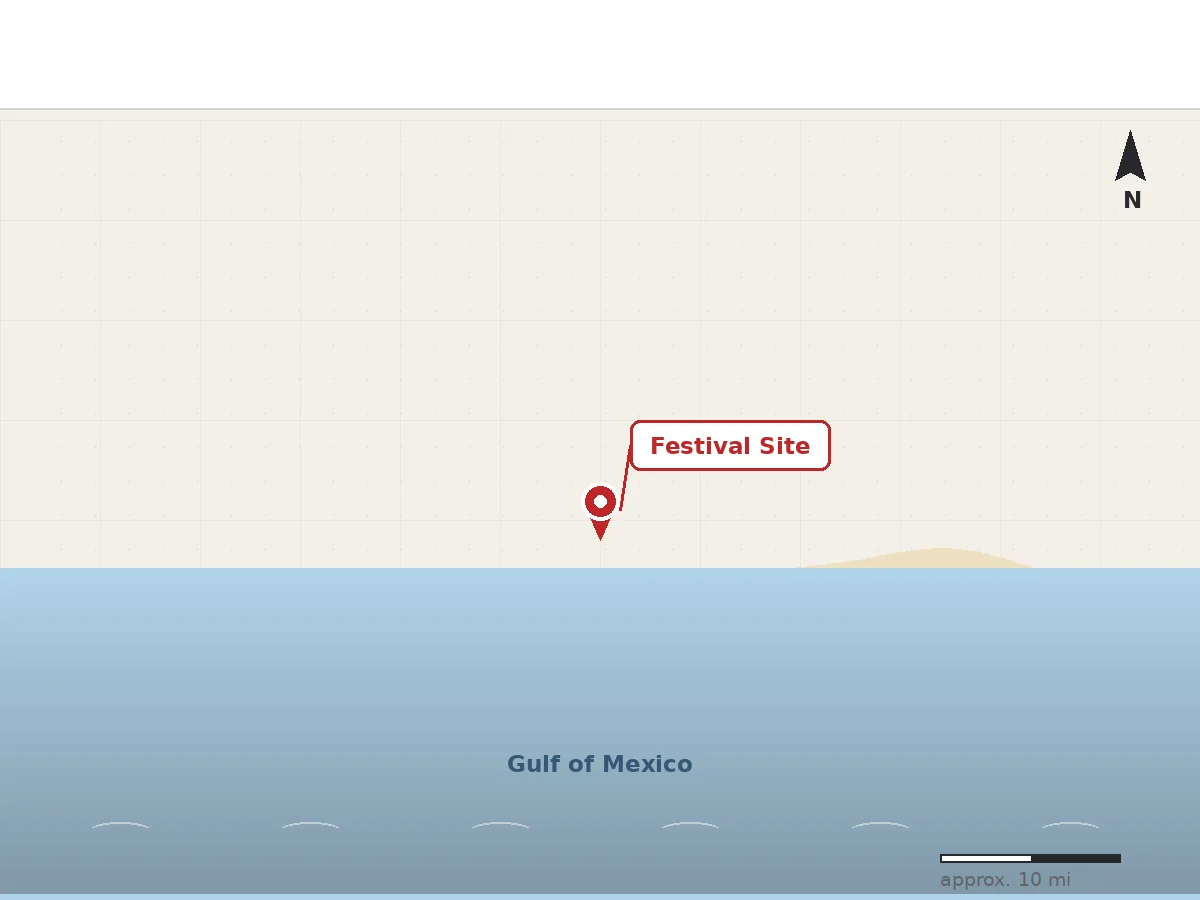
The Kingman County Fair takes place in the Kingman County area of south-central Kansas, with the county seat of Kingman serving as the main landmark for visitors arriving on US-54.
Straight Answers for First-Time Kingman County Fair Visitors
Is the Kingman County Fair free to attend?
In general, yes. Entry to the fairgrounds is typically free, and the costs you will encounter are for food, carnival rides, and some grandstand events. That means a family can spend an afternoon at the exhibits and barns for very little, and choose separately whether to buy ride tickets or concert seating.
When is the Kingman County Fair held?
It falls in late summer, most often on a weekend in July or August, following the pattern of county fairs across Kansas. Exact dates move from year to year, so check current local listings or county announcements before planning travel rather than relying on a previous year’s schedule.
Do I have to live in Kingman County to attend or enter exhibits?
No. The fair is open to visitors from anywhere, and out-of-county guests are common, particularly for grandstand events. Exhibit and livestock competition rules are set by the fair board and often include residency or membership requirements for certain categories, so check the current fair book if you plan to enter something.
Is it a good outing for young children and older visitors?
Yes, largely because of the size. The grounds are walkable, parking is close, and there is no need to cross a sprawling campus to see the main attractions. Plan around the heat, use the exhibit halls for breaks, and aim for morning or evening hours if anyone in your group struggles with high temperatures.
The Next Chapter for the Kingman County Fair
Like county fairs across the Plains, Kingman’s faces the same questions every year: how to keep young families involved, how to fund grandstand entertainment, and how to stay relevant to a county whose economy now reaches well beyond farming. The answer so far has been continuity rather than reinvention. As long as local kids raise livestock and enter projects, and as long as volunteers are willing to run the gates and the food stands, the fair will keep its place on the late-summer calendar.
Last updated: October 2026
Plan a trip to the Kingman County Fair for what it is rather than what it is not. It will not compete with a state fair for spectacle, and it is not trying to. It offers a few warm evenings in a county seat of a few thousand people, a grandstand full of neighbors, and a look at a part of Kansas that most travelers only see through a windshield on the way somewhere else.
One Comment