Kanabec County Minnesota Fair Festival
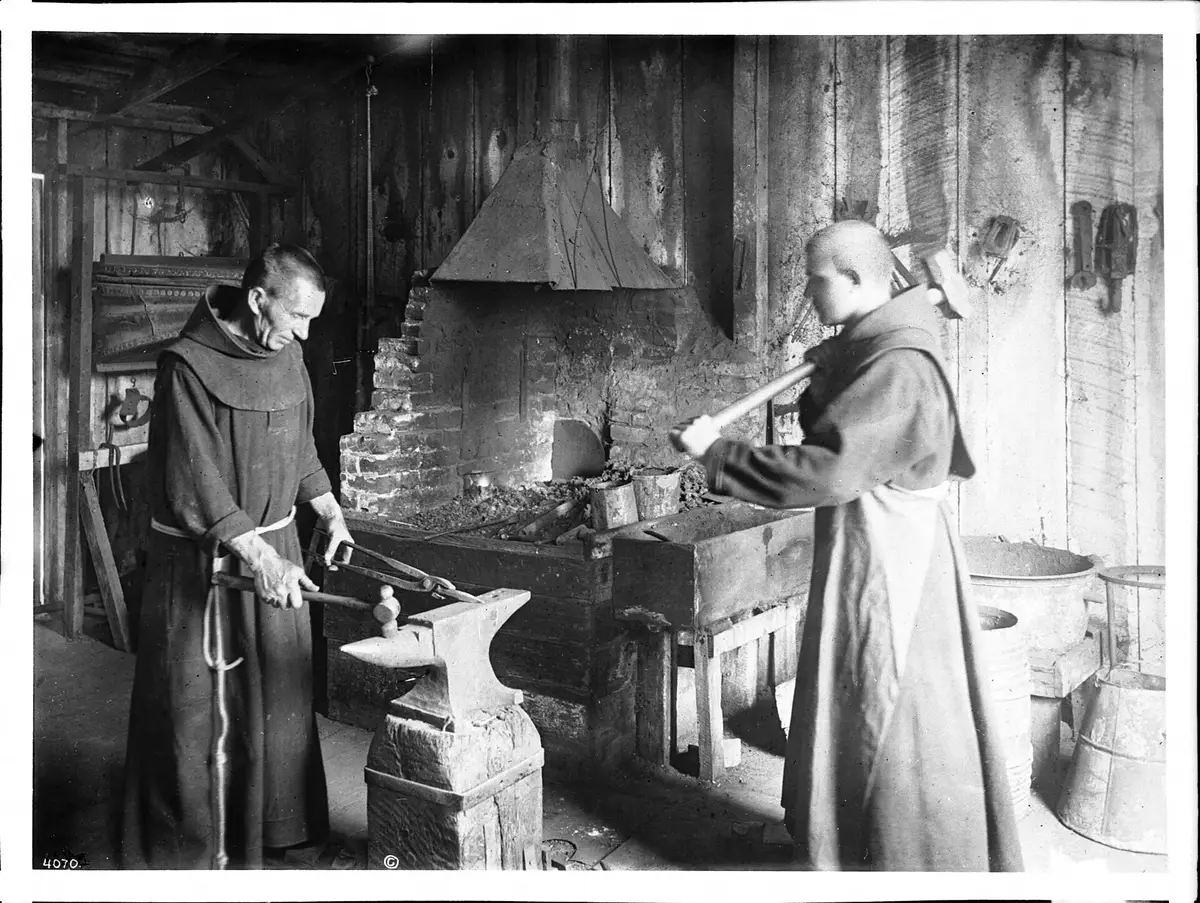
Some county fairs announce themselves with a skyline of rides. Kanabec County’s fair announces itself with a hammer. Since the fair returned from its pandemic pause, a blacksmith has worked a forge on the grounds in Mora, striking hot iron in front of crowds who mostly arrived expecting livestock and lemonade. That single anvil tells you what kind of fair this is: small, hands-on, and more interested in showing visitors how things are made than in dazzling them.
Mora is the county seat, a town set where the Snake River bends through the lakes-and-pines country of east-central Minnesota. The fairgrounds sit on South Union Street, close enough to the middle of town that fair week feels less like an excursion and more like the whole community decamping to one address for a few days.
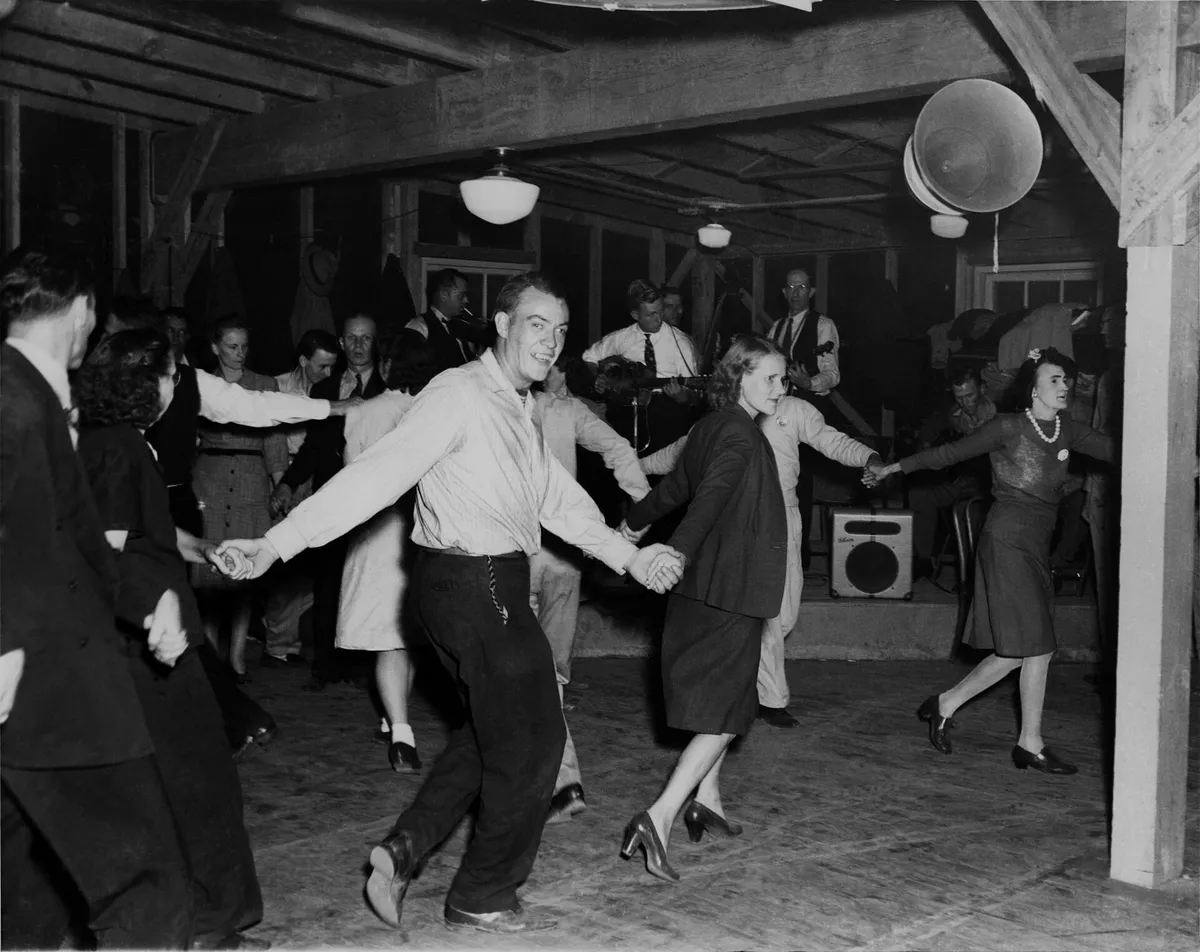
The programming leans toward participation over spectacle. In the Civic Center, callers talk dancers through square-dancing sets, an Elvis tribute act works the room, and rows of restored antique tractors give farmers something to argue about. Nobody at this fair is only an audience for long.
Children get authorship of the week as much as entertainment. A fair-wide coloring contest runs as a standing tradition, and the closing Family Day hands the grounds over to costume-clad youngsters racing as super heroes, then to anyone brave enough to enter a pie-eating or watermelon-eating contest in public.
Late July is when Minnesota’s fair season runs at full stretch, and a traveller can read the state through its fairgrounds that week. Down on the Iowa line, the Jackson County Minnesota Fair Festival fills its own late-July days with a speedway pull and free stage shows; up here in the pines, Kanabec answers the same week with a forge, a dance floor and a much smaller crowd. The contrast is the pleasure of the season.
A Fair That Fits Inside Its Town
The Kanabec County Fair is run by the Kanabec County Agricultural Society, the volunteer body whose address, like the fair itself, sits in Mora. It is a county-seat fair in the old pattern: the society holds the grounds, local families supply most of the exhibitors and nearly all of the audience, and the event doubles as the county’s annual reunion.
Scale is the defining fact. This is not a fair that competes on acreage or attendance records; it competes on familiarity. The same households return each summer, the contests are pitched at neighbours rather than professionals, and a first-time visitor is absorbed into the routine within an hour of arriving.
Kanabec County Fair: The Working Details
| Event | Kanabec County Fair |
| County | Kanabec County |
| State | Minnesota |
| Fair Town | Mora, the county seat |
| Organiser | Kanabec County Agricultural Society |
| Season | Late July, the fourth week, with fair week closing on the Sunday |
| Grounds | 701 South Union Street, Mora |
| First Fair | Reported in 1896, when a two-day fair drew the governor to Mora |
| Known For | Blacksmith demonstrations, square dancing, an antique-tractor showcase and a closing Family Day |
What Fills the Mora Fairgrounds
Kanabec’s week is assembled from small rooms and open yards rather than one big stage. The Civic Center carries the indoor programme, the tractor rows and the forge anchor the grounds outside, and headline live music lifts the evenings. Each piece is modest; together they fill the days without gaps.
Dancing in the Civic Center
Square dancing holds a place on the Civic Center programme, with callers leading sets that welcome the rusty and the brand new alike. The same hall hosts an Elvis tribute show, a knowing slice of Americana that suits a fair built on participation: half the fun is watching neighbours commit to the performance.
Old Iron in Rows
The antique-tractor showcase lines up the machinery that once worked this county’s fields, restored to paint and polish. Owners stand by their machines ready to explain gearing, quirks and provenance, and for local families the rows double as a family album — many a grandfather’s tractor, or its twin, is parked in the line.
The Smithy, New Since the Comeback
Blacksmith demonstrations joined the programme in 2021, the year the fair returned after its enforced pause, and they have become its most distinctive sight. Watching iron heat, bend and take shape at anvil pace slows a visitor down in the best way, and the smith explains each step to whoever gathers — heritage taught as a live craft rather than a display case.
Family Day Closes the Week
The fair saves its most chaotic programme for last. Family Day closes the week with a Super Hero Race for costumed children, followed by pie-eating and watermelon-eating contests that reward speed and shamelessness in equal measure. Add the fair-wide coloring contest, judged across the week, and the closing day belongs almost entirely to the county’s youngest residents.
Two Days in 1896: The Fair a Governor Opened
Kanabec’s fair is reported to begin in 1896, when a newspaper account described the first annual fair of Kanabec County opening at Mora. It was a two-day occasion, and it drew a guest no modern county fair could expect: the governor of Minnesota attended. Treat the year as reported rather than carved in stone — the record is a contemporary newspaper description, not a surviving minute book — but the bones of the story are unusually vivid for so small a fair.
The society behind the fair appears to have roots in the same decade; one directory listing gives the agricultural society a founding year of 1894, two years before that reported first fair. The sequence is plausible — organise first, exhibit second — and it places Kanabec’s fair among the generation of Minnesota fairs founded as the state’s farm counties filled in during the 1890s.
The modern chapter is shorter and plainer. The fair paused in 2020, when the pandemic emptied fairgrounds across the state, and returned in 2021 with the blacksmith’s forge among its new attractions. A fair that survived from the horse era into the present by habit and volunteer labour proved, on its return, willing to add something new.
Sorting a Trip to Mora
Finding Union
The fairgrounds stand at 701 South Union Street in Mora, and the town is the county seat, so roads, fuel, food and lodging all converge on the same small centre. Mora sits in east-central Minnesota, an easy drive from the Twin Cities’ northern suburbs and from the resort lakes further north, which makes the fair a natural stop on a summer route rather than a destination requiring its own expedition.
The Gate Price Nobody Publishes
Here is the honest gap in almost every listing for this fair: the admission arrangement is not published in a form a guide can responsibly quote, and this page will not invent one. Small society-run fairs in Minnesota commonly charge a modest gate or pass the hat through season tickets, but Kanabec’s current figure belongs to the fair to state. Carry cash in small bills, expect county-fair scale rather than festival scale, and confirm the arrangement with the agricultural society before a long drive.
Sleeping Over, Without a Fairground Promise
Camping on the fairgrounds is likewise unconfirmed, so no visitor should plan a trip that depends on pitching up beside the barns. Mora itself offers in-town lodging, and the surrounding lakes country is thick with resorts, cabins and campgrounds that serve the summer trade. Book the bed first and treat the fair as the day’s anchor, not the night’s landlord.
Fourth-Week Weather
The fourth week of July in east-central Minnesota is high summer: warm afternoons, the chance of a thunderstorm rolling off the lakes, and evenings that cool slowly under the pines. The Civic Center gives the fair a roofed refuge if a wet hour lands mid-visit, one practical advantage of a programme split between a hall and open ground.
One Fair Day, Family-Day Style
The closing Sunday is the day this fair shows its character most completely, and it makes a natural single-day visit:
Morning: Iron and Tractors
Begin at the forge while the grounds are still quiet, when the smith has time to talk, then walk the antique-tractor rows before the crowds thicken. The morning is also the moment for exhibit buildings and any coloring-contest entries you want to admire before the judging is done.
Afternoon: The Contests Take Over
Family Day’s programme owns the afternoon. Cheer the Super Hero Race, stake out a spot for the pie-eating and watermelon-eating contests, and let children burn off the day in costume while the Civic Center programme rolls on indoors for anyone chasing shade.
Evening: Music and a Slow Exit
Close with the day’s live music and one final circuit of the grounds as the light drops through the pines. Small fairs empty gently; there is no traffic battle at the gate, just neighbours drifting home through town.
Mora or Cambridge: Two Fairs a Week Apart
Kanabec’s closest comparison is its southern neighbour, the Isanti County Fair in Cambridge, held a week earlier in July on grounds the Rum River runs through. Isanti is the older and louder production — a fair dating to 1877, famous for a Sunday sweet corn feed and a night of deliberate automotive destruction. Kanabec, arriving in the following week, is smaller, quieter and more handmade: forge smoke instead of crash noise, dancing instead of demolition.
The pairing flatters both. A fairgoer with two July weeks to spare can take Cambridge’s energy first and Mora’s ease second, covering two counties, two rivers and two very different ideas of what a fair is for, all within a short drive of each other.
The Union Checklist
- Cash in small bills, held ready for a gate arrangement the fair confirms season by season
- A costume for any youngster entering the Family Day Super Hero Race
- An entry planned for the coloring contest, which runs fair-wide
- An old shirt you can sacrifice if a pie-eating or watermelon-eating contest tempts you
- Sun protection and water for slow hours among the tractor rows
- A rain layer, with the Civic Center as your planned indoor fallback
- Lodging in Mora or the lakes country booked ahead, since fairground camping is not a promise this fair makes
- Time set aside to watch the blacksmith work a full piece from bar to finished shape
Past the Fence: Mora and the Snake River
Mora rewards the visitor who lingers. The town sits on the Snake River, which winds through Kanabec County on its way east, and the surrounding country is classic east-central Minnesota: lakes for swimming and fishing, pine and hardwood shade, and small-town main streets built for an unhurried hour. Fair week pairs easily with a morning on the water.
The fairgrounds themselves keep a calendar beyond fair week. In September the grounds host a separate Harvest Moon Festival and a Rods and Rust Car Show — distinct events with their own organisers’ billing, worth a return trip in their own right, and a sign that the society’s ground works for the county all year rather than one week in twelve.
What a Small Fair Holds Together
A fair of this size is not really an entertainment product. It is the mechanism by which a small county inspects itself once a year: its tractors and teenagers, its dancers and its smiths, all presented on one ground for neighbours to approve. The coloring contest matters here precisely because it is small — every child in the county can plausibly enter it, and most years, many do.
That is also why the 1896 story, governor and all, still gets told. A county that can point to a fair opened in the presence of the state’s governor owns a piece of civic dignity no midway can buy. Kanabec’s fair keeps that inheritance the practical way: by opening the gates each July and letting the county walk in.
Reading the Grounds on Union
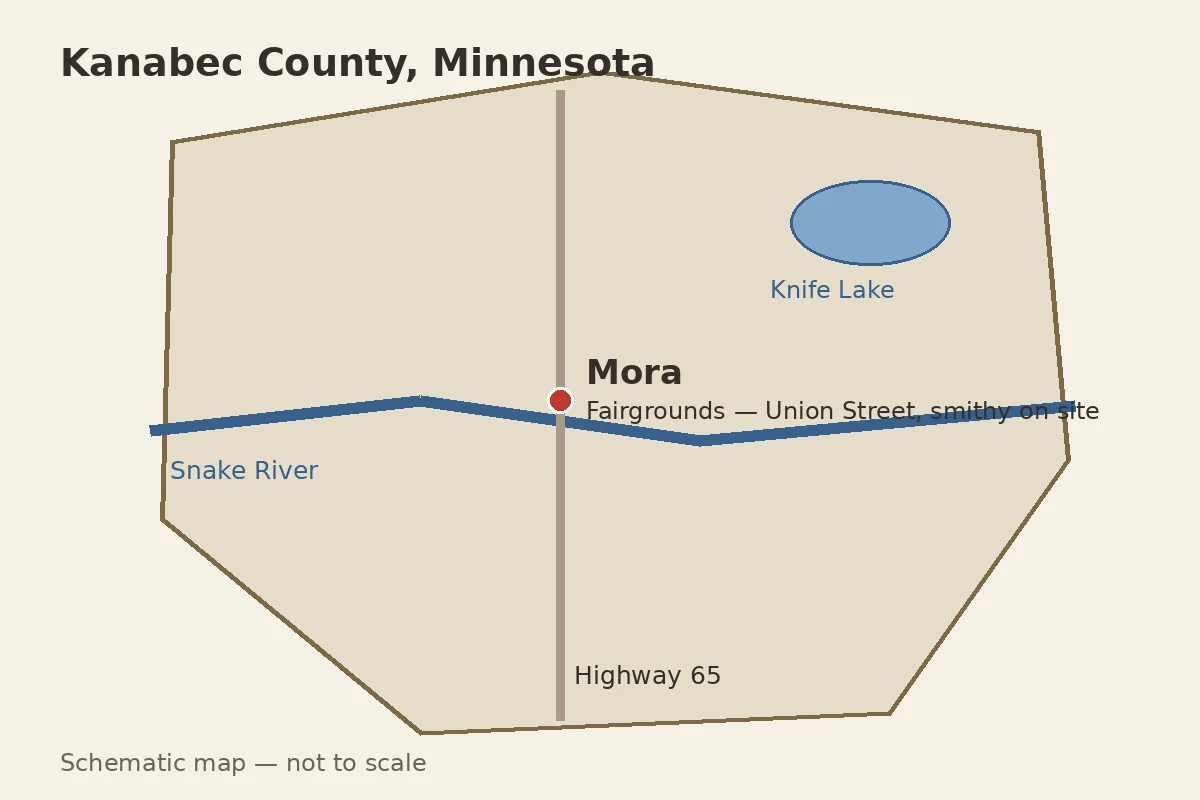
Picture the grounds as two halves. The Civic Center forms the indoor heart, holding the dancing, tribute shows and hall programme, while outside the yards arrange the tractor showcase, the forge and the family contests in open air. Everything sits within an easy stroll, and the map below sketches the fair’s setting in Mora; the rest explains itself the moment you arrive, because at this scale a fairground needs no strategy — one unhurried loop takes in the whole of it.
Frequently Asked Questions
When is the Kanabec County Fair held?
The fair occupies the fourth week of July in Mora, with fair week closing on the Sunday. That late-July slot has been its recent pattern, placing it a week after the Isanti County Fair in nearby Cambridge and squarely inside Minnesota’s busiest fair season.
How much does it cost to get into the Kanabec County Fair?
The fair does not publish an admission figure that a guide can verify, so this page states none. Expect a modest, county-fair-scale arrangement rather than a festival ticket price, carry cash in small bills, and confirm the current season’s gate with the Kanabec County Agricultural Society before travelling a long distance.
What is special about the Kanabec County Fair’s history?
Its first fair is reported to have opened at Mora in 1896 as a two-day event attended by the governor of Minnesota, a distinction recorded in a newspaper account of the day and claimed by no directory guide. The date is best repeated as reported: the agricultural society’s own roots appear to reach back to 1894, and the fair has run, with a pandemic pause in 2020, ever since.
What happens on Family Day at the Kanabec County Fair?
Family Day closes the fair, and it is built for children: a Super Hero Race for youngsters in costume, pie-eating and watermelon-eating contests open to the brave, and the results of the fair-wide coloring contest that runs as one of the fair’s standing traditions. It is the liveliest and most local day of the week.
What to Expect From the Next Kanabec County Minnesota Fair Festival
How often is the Kanabec County Fair held?
Once a year. The agricultural society stages the fair each summer in Mora, and apart from the enforced pause of 2020 it has been an annual fixture of the county’s calendar for generations.
When is the next Kanabec County Fair?
The next edition is expected in the fourth week of July, closing on the Sunday of that week, following the pattern of recent seasons. The society publishes the confirmed programme, including its music and Family Day bill, as the season approaches.
Will the dates change?
The fourth-week-of-July position has held in recent seasons, so a major move is unlikely. Small shifts in the running days can occur between one year and the next, so treat the traditional week as the anchor for planning and confirm the final dates with the society before booking travel.
Big fairs impress; this one invites. Bring a child in a cape, cash for the gate, and an hour you are willing to spend watching iron change shape — Mora will handle the rest, the way it has, by all reports, since a governor came to watch in 1896.
Last updated: October 2026

One Comment